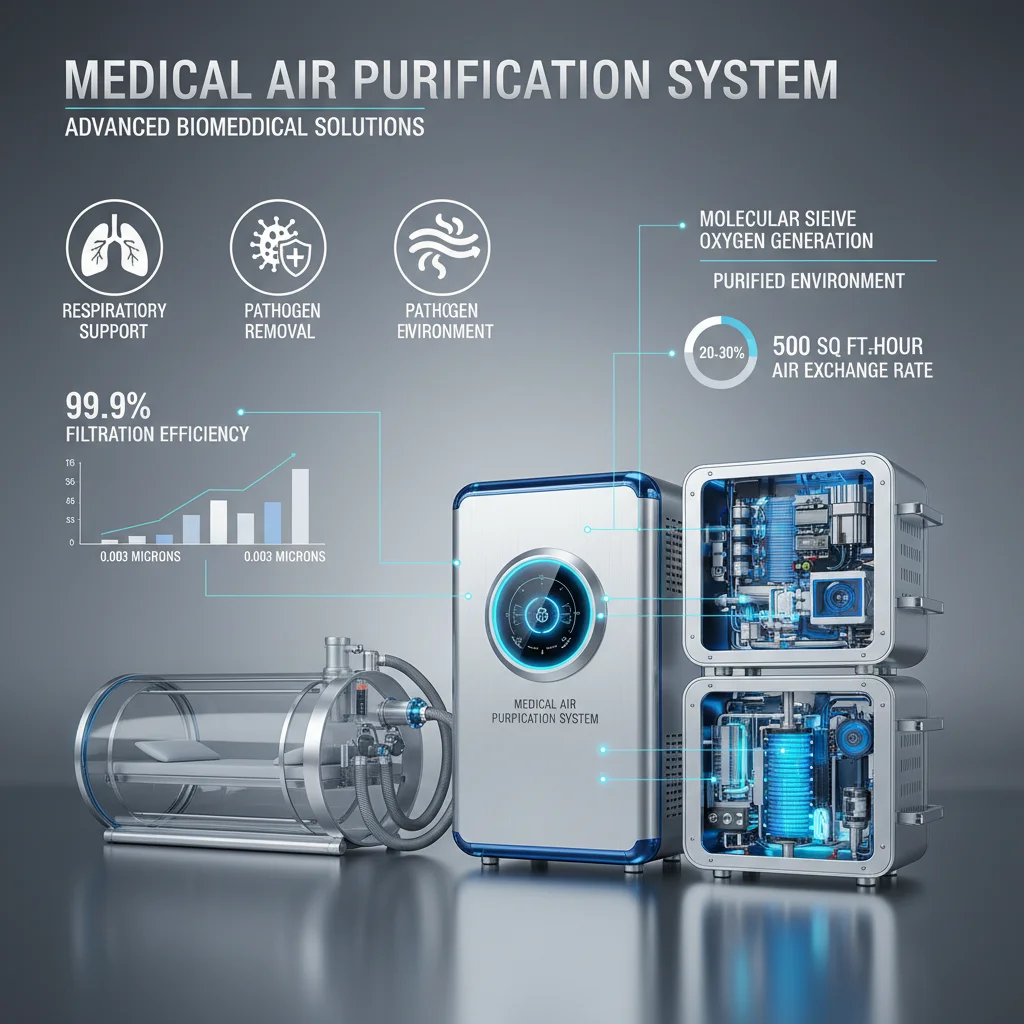
In an era where indoor air quality has become a critical health priority, the emergence of the wall air purifier represents a significant shift in how we approach environmental wellness. Unlike traditional floor-standing units, these integrated systems optimize space and airflow, ensuring that pollutants are captured efficiently before they circulate through the living or working area.
The global demand for integrated air filtration is rising as urbanization leads to higher concentrations of particulate matter and volatile organic compounds (VOCs). By mounting purification technology directly onto the wall, users can achieve a more seamless integration of health-tech into their interior design, reducing clutter while maximizing the Clean Air Delivery Rate (CADR) across larger vertical planes.
Understanding the nuances of a wall air purifier is essential for architects, homeowners, and industrial facility managers alike. From the selection of high-grade silicone seals to the implementation of HEPA and activated carbon layers, these devices provide a sustainable solution to the invisible threat of airborne contaminants.
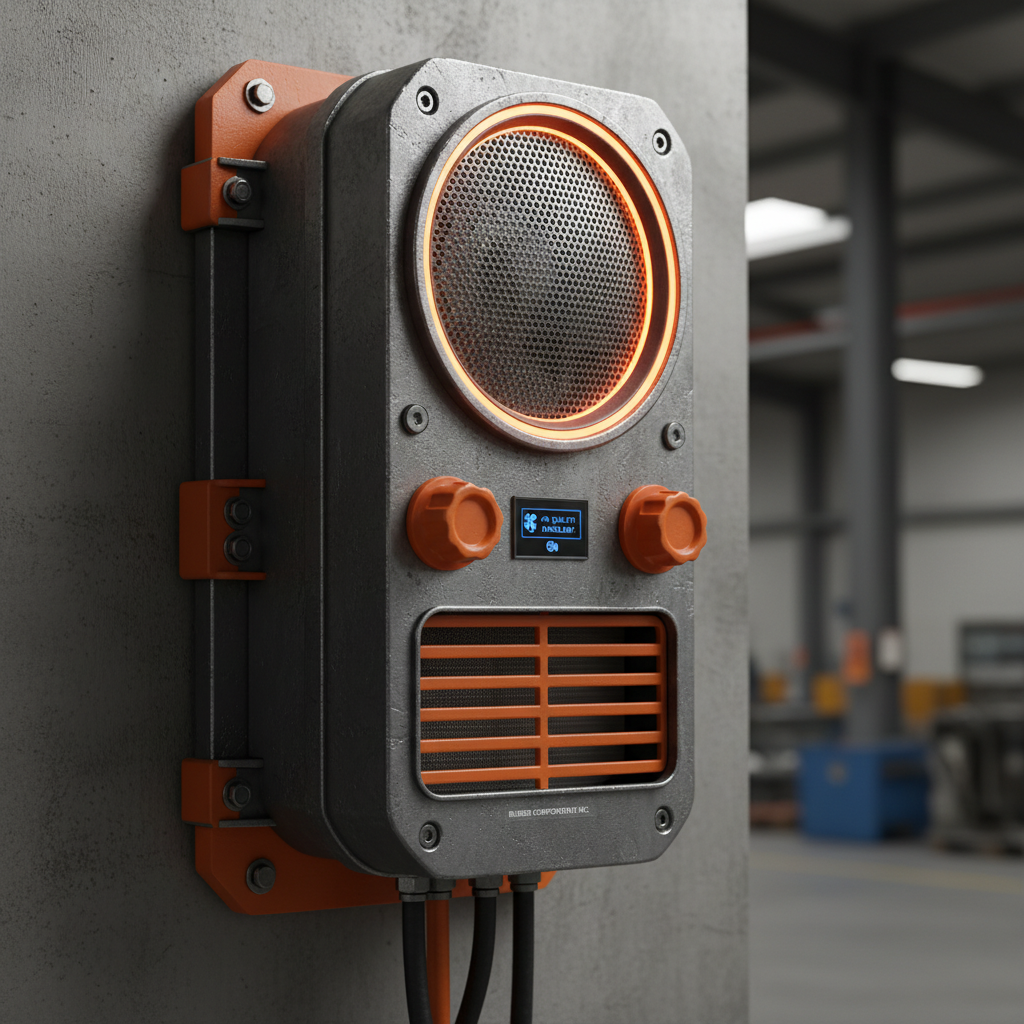
Global Impact and Industrial Context of Wall Air Purifiers
The global air purification market has seen an unprecedented surge, driven by World Health Organization (WHO) reports highlighting the dangers of indoor pollution. In many urban centers, indoor air can be five times more polluted than outdoor air, making the implementation of a wall air purifier not just a luxury, but a necessity for respiratory health.
From an industrial perspective, the transition toward wall-mounted systems reflects a broader trend in "smart architecture." By utilizing vertical space, these systems bypass the limitations of traditional floor units, which are often blocked by furniture and fail to create a consistent airflow pattern, thereby solving the challenge of "dead air" zones in modern office layouts.
Defining the Modern Wall Air Purifier System
At its core, a wall air purifier is an integrated environmental control device designed to remove contaminants from the air through a series of mechanical and chemical filters, all while being permanently or semi-permanently mounted to a vertical surface. This design allows for a higher intake point, which is often more effective at capturing floating aerosols and lightweight dust particles that linger in the upper half of a room.
Connecting this technology to modern industrial needs, we see a convergence of HVAC engineering and medical-grade filtration. In healthcare settings or laboratories, these systems are essential for maintaining sterile environments without occupying precious floor space required for medical equipment and patient movement.
Furthermore, the modern iteration of these purifiers often incorporates IoT connectivity, allowing building managers to monitor air quality index (AQI) levels in real-time. This shift from passive filtration to active, data-driven air management marks the evolution of the wall air purifier into a critical piece of infrastructure.
Core Components for Maximum Filtration Efficiency
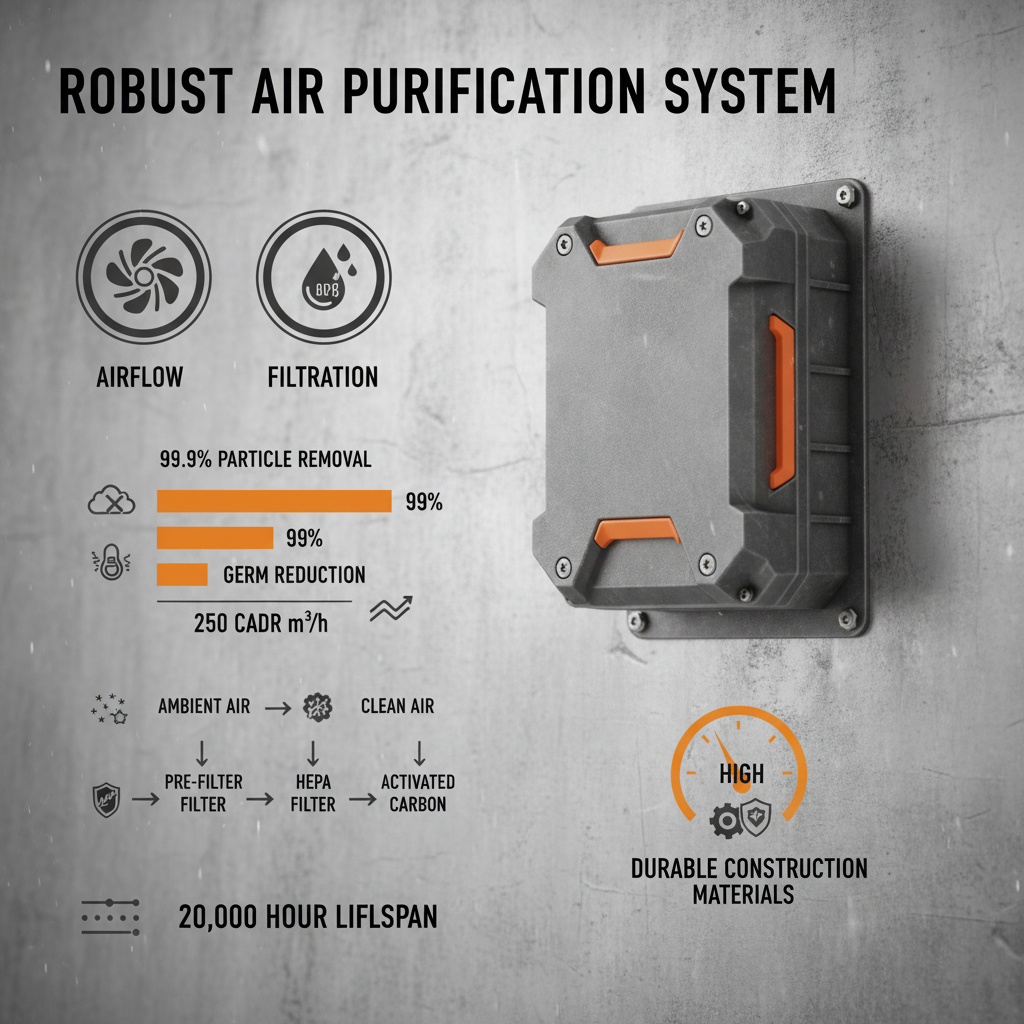
The efficacy of a wall air purifier depends heavily on its filtration stages. High-Efficiency Particulate Air (HEPA) filters serve as the primary defense, trapping 99.97% of particles as small as 0.3 microns, including pollen, mold spores, and fine dust.
Crucial to the structural integrity of these devices is the use of premium sealing materials. High-grade silicone gaskets and sealing rings prevent "air bypass," a common failure where contaminated air leaks around the filter rather than passing through it. This ensures that every cubic centimeter of air processed by the wall air purifier is thoroughly cleaned.
Beyond physical filtration, activated carbon layers are employed to neutralize odors and gaseous pollutants. This chemical adsorption process is vital for urban environments where smog and exhaust fumes can seep through window seals, requiring the wall air purifier to act as a chemical barrier.
Technical Performance and Scalability Metrics
When evaluating the performance of a wall air purifier, the primary metric is the Clean Air Delivery Rate (CADR), which measures the volume of filtered air delivered per unit of time. Scalability is achieved by deploying multiple modular units across a single wall, creating a "purification curtain" that ensures uniform air distribution.
Another critical factor is the noise-to-performance ratio. Advanced centrifugal fans and sound-dampening silicone housings allow these units to operate at high capacities while maintaining a whisper-quiet environment, making them ideal for bedrooms, libraries, and high-end corporate boardrooms.
Efficiency Comparison of Wall Air Purifier Technologies
Global Applications Across Diverse Environments
In industrial zones, particularly in rubber and plastics manufacturing, the wall air purifier is utilized to capture airborne particulates and chemical fumes that can affect worker health. By installing these units at the source of emission, factories can maintain ISO-standard air quality without expensive full-room ventilation overhauls.
Beyond the factory floor, these systems are increasingly common in high-density residential complexes in Asia and Europe. In cities like Tokyo or London, where living spaces are compact, the wall-mounted nature of the purifier allows families to maintain a healthy environment without sacrificing valuable square footage, effectively blending utility with modern living.
Long-Term Value and Sustainable Health Benefits
The long-term value of investing in a wall air purifier extends beyond immediate air cleanliness. By reducing the load of allergens and pollutants on the human respiratory system, these devices contribute to a decrease in chronic asthma attacks and allergy-related absences in the workplace, leading to higher overall productivity and employee well-being.
From a sustainability standpoint, the shift toward energy-efficient motors and washable pre-filters reduces the environmental footprint of air purification. The use of durable, medical-grade silicone components ensures that the units have a longer lifecycle, reducing the frequency of replacement and the amount of electronic waste entering landfills.
Ultimately, the trust established through consistent air quality improves the psychological comfort of occupants. Knowing that a professional-grade wall air purifier is constantly scrubbing the air creates a sense of safety and dignity, particularly in sensitive environments like neonatal wards or elder-care facilities.
Future Innovations in Wall-Mounted Air Purification
Looking forward, the integration of AI and machine learning will allow the wall air purifier to predict pollution spikes based on external weather data and traffic patterns, preemptively increasing filtration power before the indoor air quality drops. This proactive approach marks a transition from reactive cleaning to predictive environmental management.
We are also seeing the development of "bio-hybrid" filters, which combine traditional HEPA materials with living algae or botanical elements to absorb CO2 while purifying the air. This fusion of nature and technology will likely make the wall air purifier a central component of the "green building" movement.
Moreover, advances in nanotechnology are leading to the creation of self-cleaning filters that use photocatalytic oxidation to break down organic pollutants without needing frequent manual replacement. This will drastically reduce maintenance costs and increase the reliability of wall-mounted systems in remote or high-access industrial locations.
Comparative Analysis of Wall Air Purifier Implementation Strategies
|
Deployment Strategy
|
Installation Cost
|
Maintenance Frequency
|
Health Impact Score
|
| Single Unit Home Setup |
Low |
Quarterly |
7/10 |
| Modular Office Array |
Medium |
Bi-Monthly |
9/10 |
| Industrial Source Capture |
High |
Monthly |
10/10 |
| Medical Sterile Zone |
Very High |
Weekly |
10/10 |
| School Classroom Grid |
Medium |
Quarterly |
8/10 |
| Retail Showroom Mix |
Low-Medium |
Bi-Monthly |
7/10 |
FAQS
The primary difference lies in the installation and airflow dynamics. A wall air purifier is mounted vertically, which optimizes the capture of airborne particles that typically hover in the mid-to-upper regions of a room. Additionally, it eliminates floor clutter and prevents the unit from being obstructed by furniture, ensuring a more consistent and efficient air exchange rate throughout the entire space.
While more involved than plugging in a portable unit, most modern wall air purifiers are designed for streamlined installation. They typically require basic electrical wiring and a secure mount. For industrial applications, professional installation is recommended to ensure optimal placement for airflow and to integrate the system with existing building management software for centralized control.
Yes, provided the unit is equipped with a high-capacity activated carbon filter or a specialized chemical scrub layer. While HEPA filters handle particles, the carbon layer adsorbs volatile organic compounds (VOCs) and hazardous gases commonly found in rubber and plastic manufacturing. For extreme industrial environments, a hybrid system combining HEPA and chemical filtration is highly recommended.
Filter lifespan varies based on the environment's pollution levels. In a standard home, filters may last 6 to 12 months. However, in industrial settings or high-smog urban areas, pre-filters should be cleaned monthly, and HEPA filters replaced every 3 to 6 months. Many smart wall air purifiers now include sensors that notify the user exactly when a filter's efficiency has dropped below the effective threshold.
Modern units are designed with DC brushless motors and energy-saving modes, making them highly efficient. Because they are often placed in optimal airflow positions, they can achieve the desired air quality faster than floor units, allowing them to run on lower power settings for longer periods. When integrated with smart sensors, they only operate at full power when pollution is detected.
Noise levels depend on the fan speed and the quality of the housing. Top-tier wall air purifiers use sound-dampening materials—often including specialized silicone gaskets—to isolate motor vibration from the wall. This prevents the wall from acting as a sounding board, resulting in a much quieter operation compared to cheap portable units, making them suitable for sleep or work environments.
Conclusion
The integration of the wall air purifier into modern architectural and industrial design marks a pivotal step toward a healthier, more sustainable future. By combining advanced HEPA and carbon filtration with space-saving vertical installation and high-precision silicone sealing, these systems effectively mitigate the risks of indoor air pollution while enhancing the functionality of our living and working spaces.
As we move toward a world where air quality is monitored as closely as temperature or lighting, the adoption of intelligent, wall-mounted purification will become standard. We encourage architects, facility managers, and health-conscious homeowners to explore these integrated solutions to ensure long-term respiratory wellness and environmental efficiency. Visit our website for more professional solutions: www.gyfsilicone.com