Silicone Pacifier

Silicone Pacifier

Abstract

Silicone pacifiers are special soothing aids for infants aged 0-3 years, with food-grade silicone as the core material. They feature safety, non-toxicity, softness, temperature resistance and easy cleaning, serving to soothe emotions, relieve teething discomfort and assist oral development. This document briefly introduces their definition, characteristics, materials, classification, common problems, maintenance and selection points, helping parents grasp key usage and purchase information.
Detailed Content

Core Definition and Overall Advantages

Core Definition and Overall Advantages
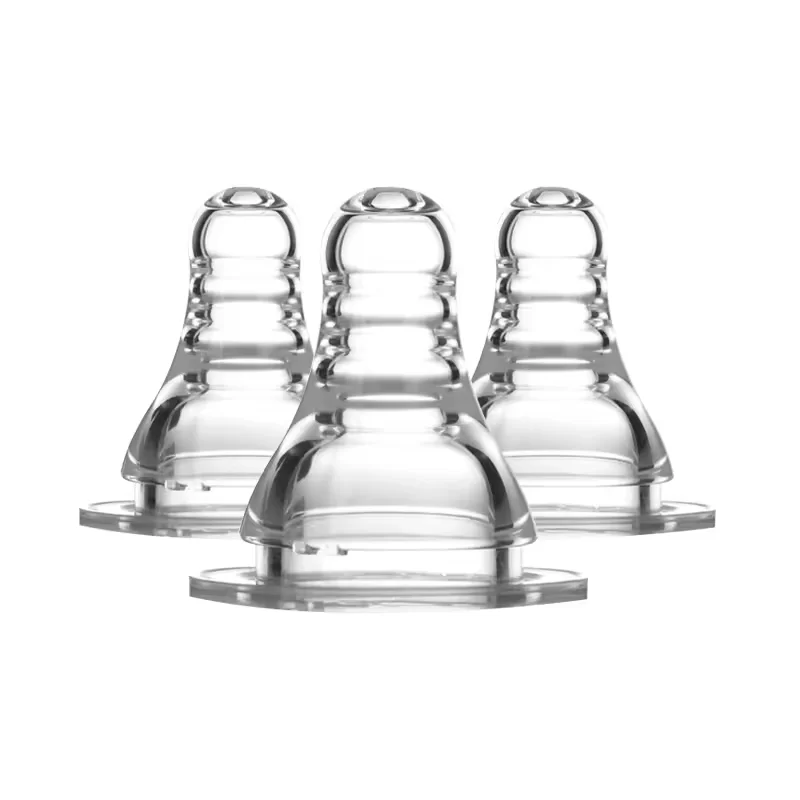
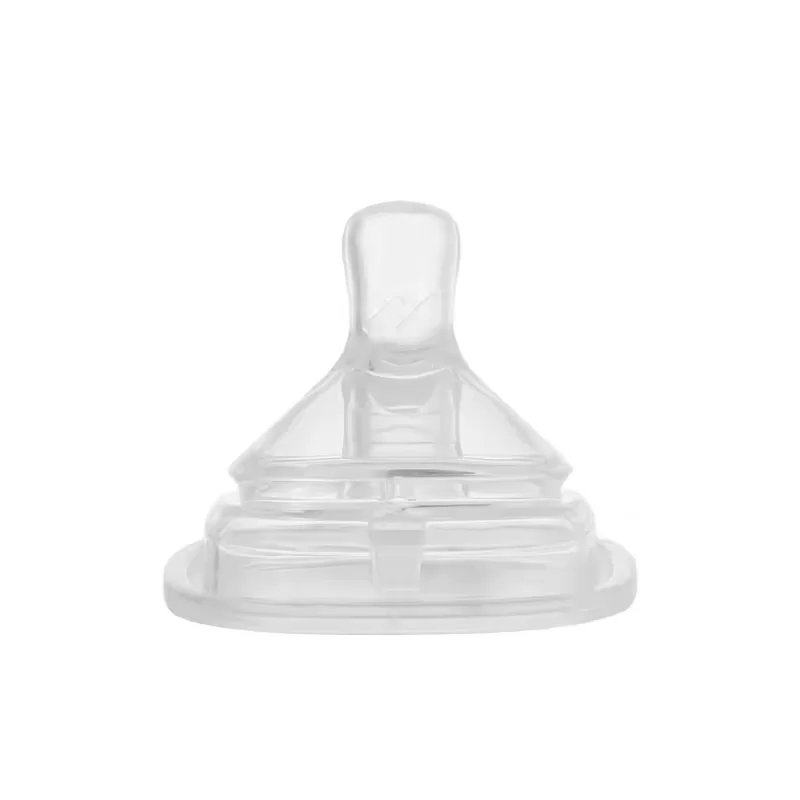
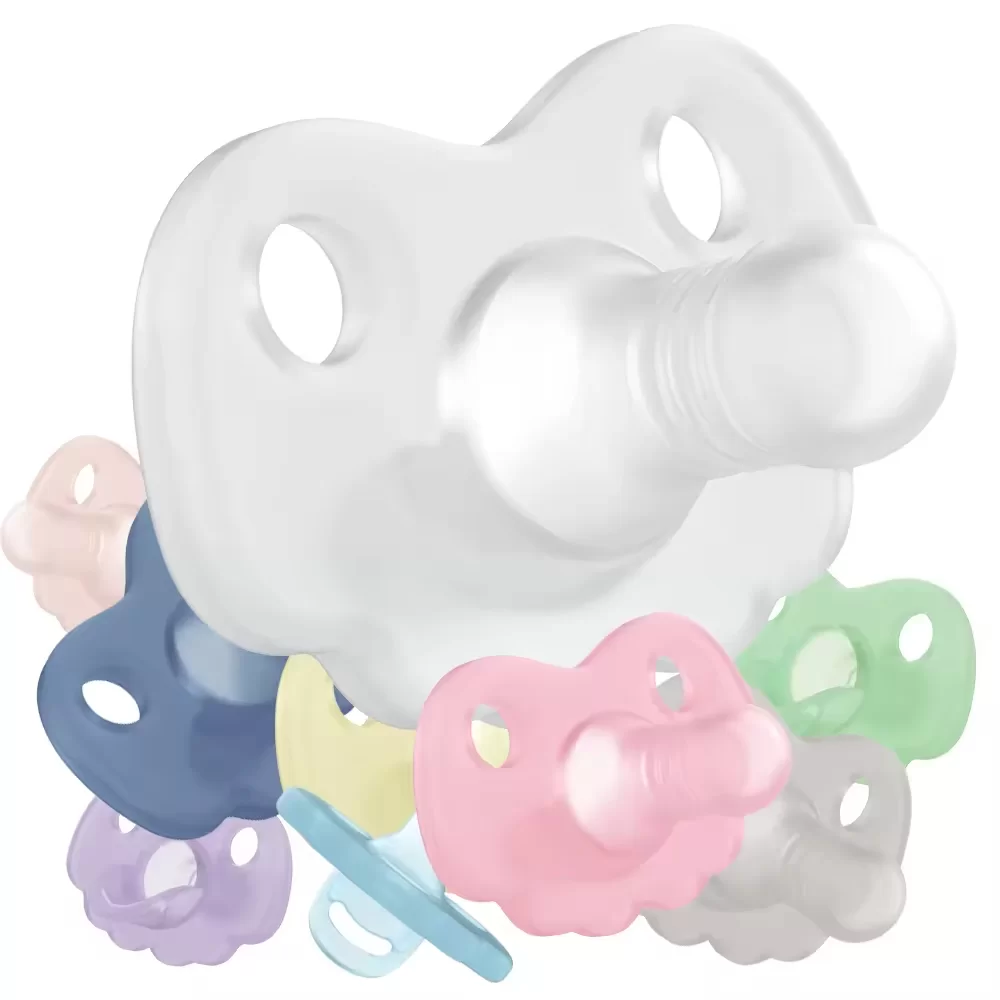
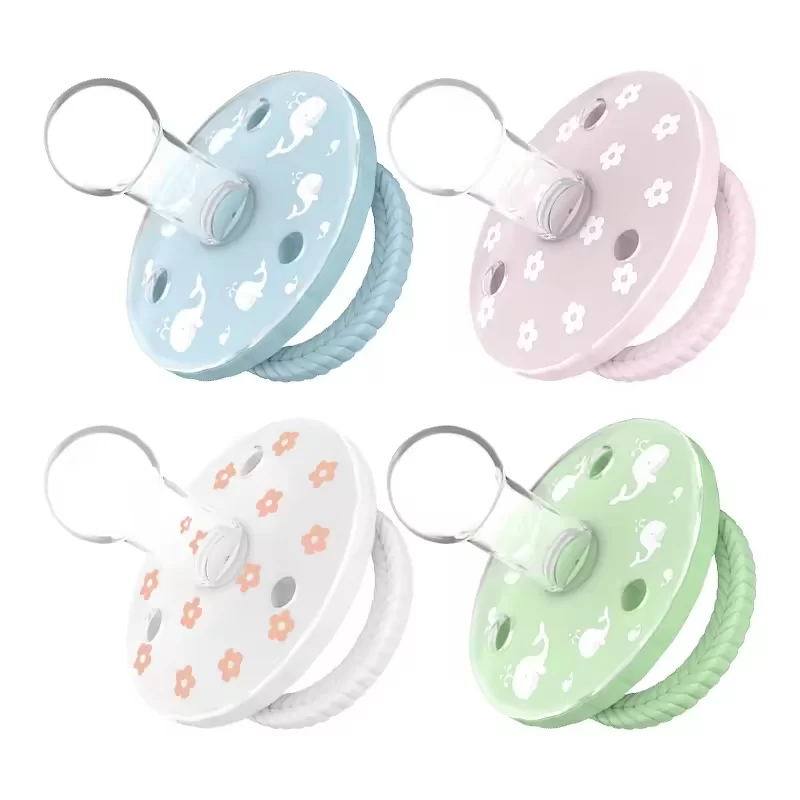
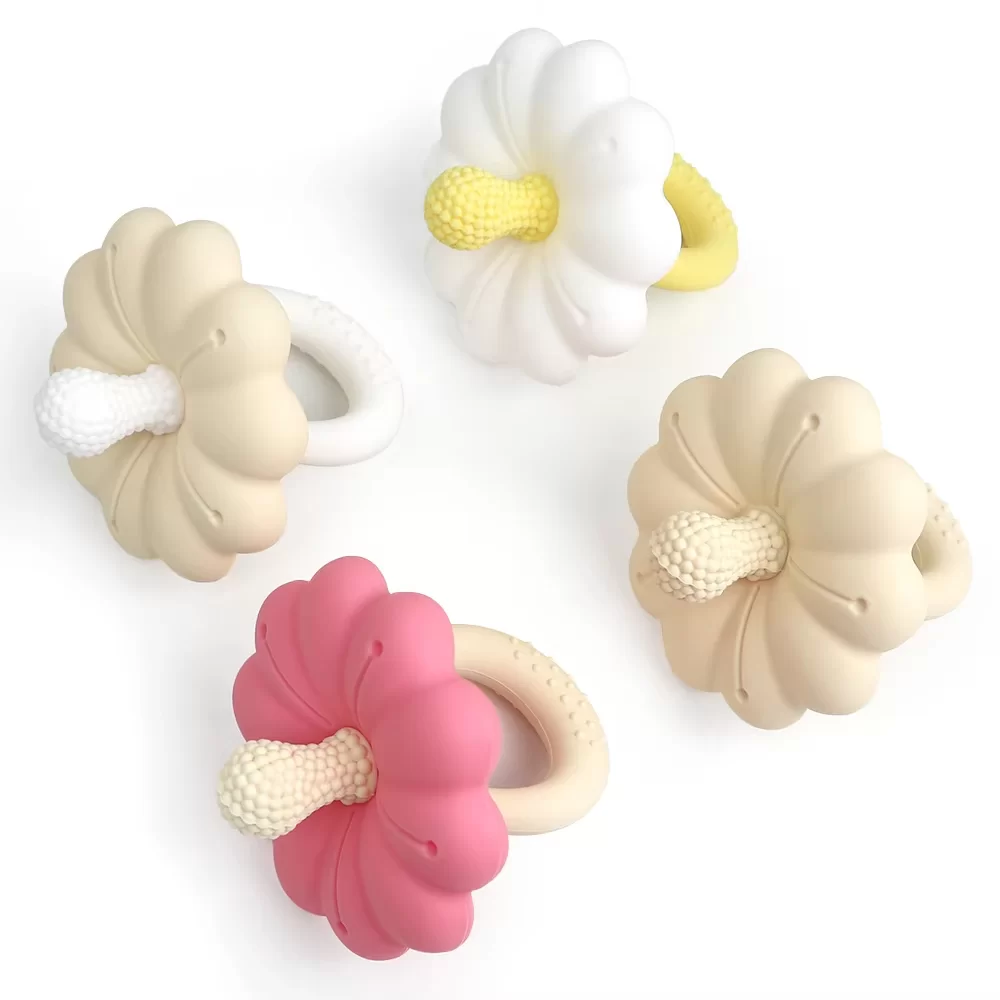
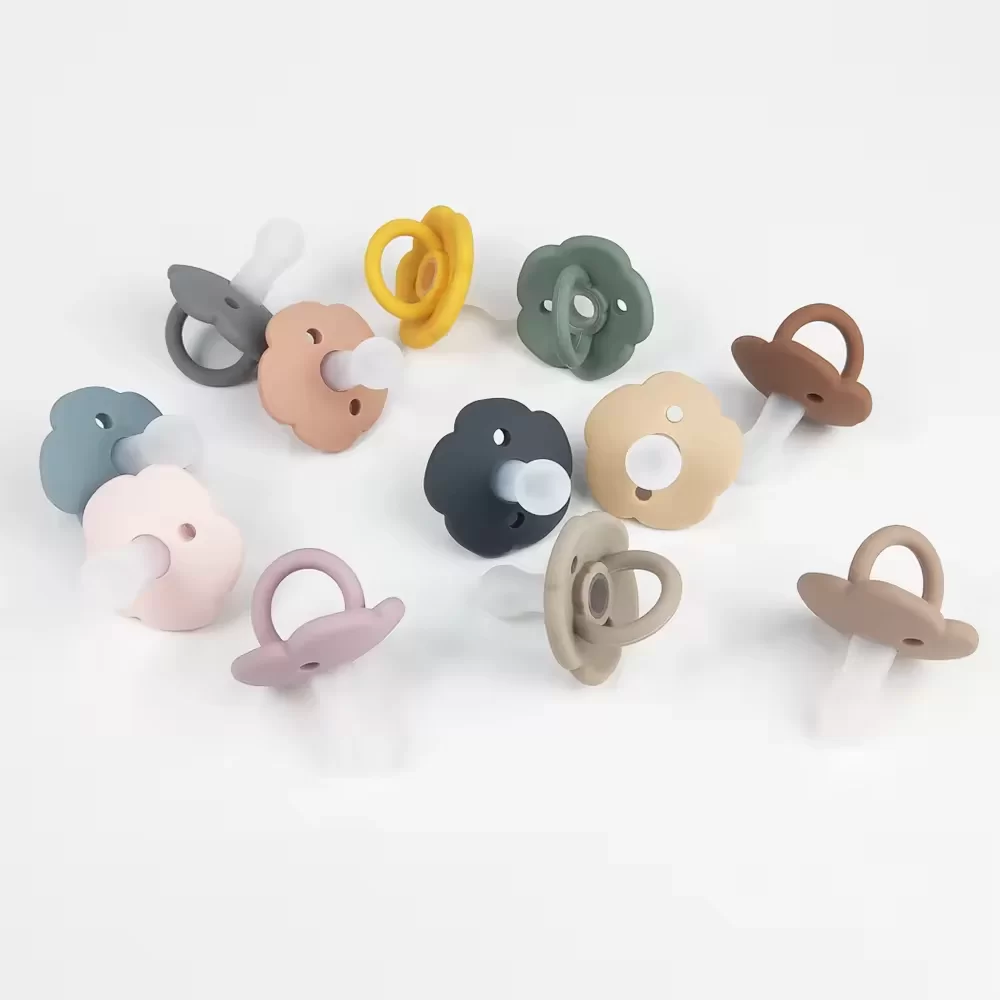
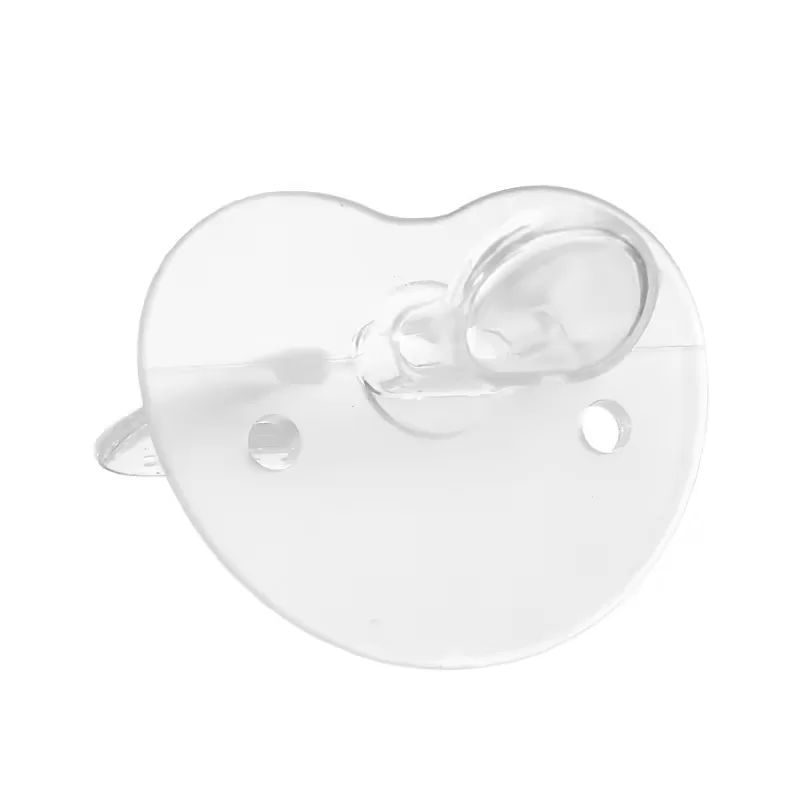
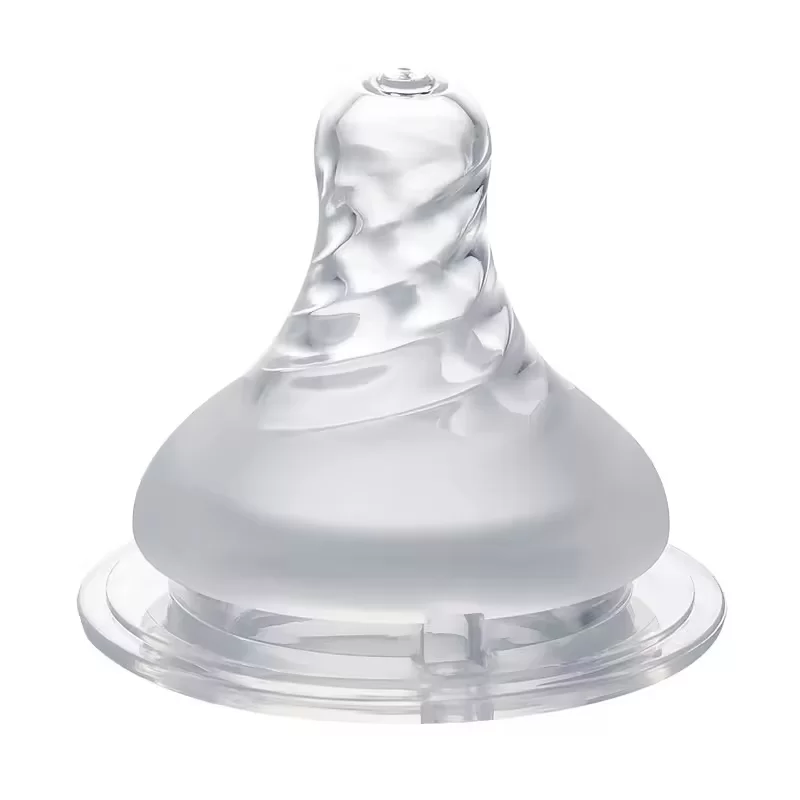
Silicone pacifiers are infant aids made of food-grade silicone (nipple) and auxiliary components (base, shield, handle), mainly used for soothing infants and relieving teething discomfort. Compared with traditional pacifiers, their advantages are obvious:
Safe and Non-toxic: Food-grade silicone, free of BPA, PVC and other harmful substances, meets national and international standards (FDA, EN 14350), safe for babies to bite.
Soft and Skin-friendly: Shore hardness A 20-30, close to mother’s nipple, smooth without burrs, protecting gums and avoiding swallowing risks.
Temperature Resistant and Durable: -40℃ to 220℃, resistant to high-temperature disinfection, 2-3 times more durable than latex pacifiers.
Easy to Clean: Hydrophobic and anti-fouling surface, mostly detachable, easy to clean and reduce bacterial growth.
Strong Adaptability: Nipple size/softness fits different ages, with air holes on the shield and ergonomic handle.

Core Materials and Composition

Core Materials and Composition
Silicone pacifiers consist of silicone nipple (core) and auxiliary components (shield, handle), with the following material characteristics:
Food-grade Silicone (Nipple)
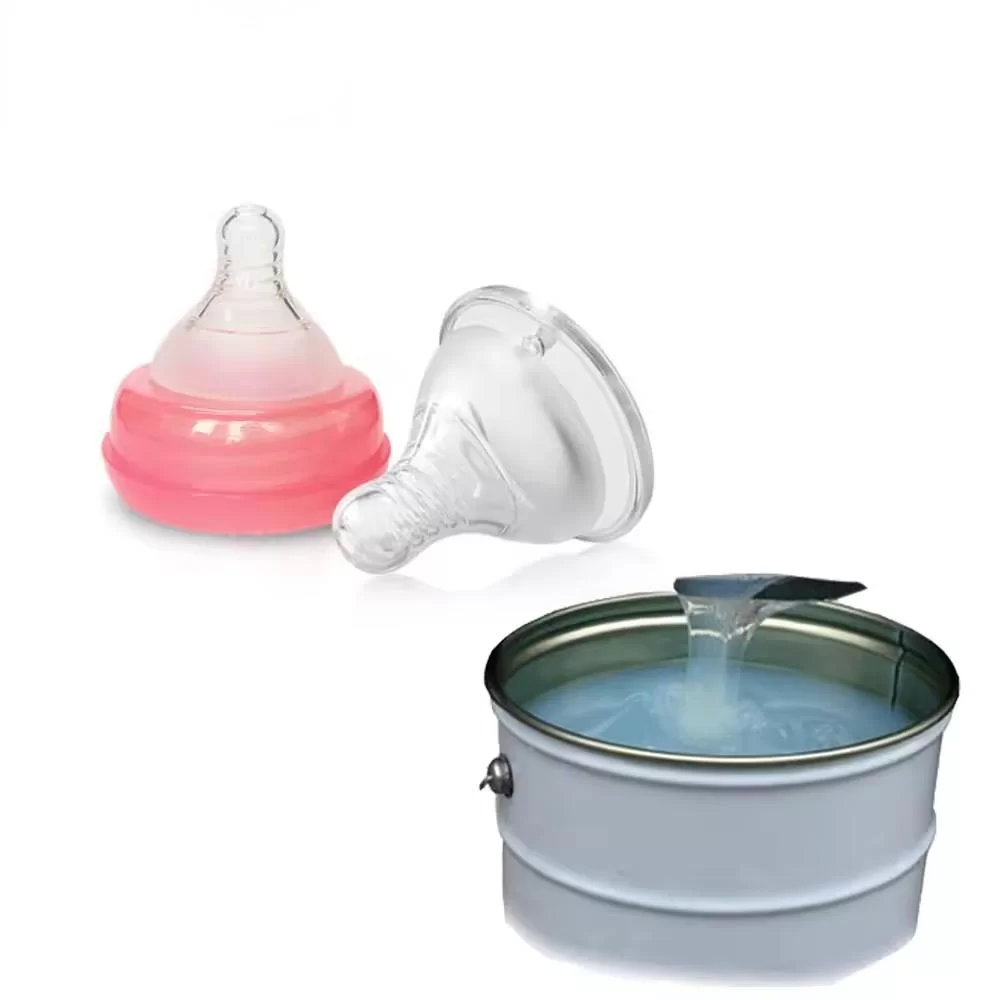
Liquid Silicone (LSR): High purity, soft, temperature-resistant, preferred for mid-to-high-end products, suitable for all ages.
Solid Silicone: Cost-effective, slightly harder, easy to yellow after long-term use, requiring regular replacement.
Modified Silicone: Added with anti-aging, antibacterial or orthodontic additives to optimize performance.
Auxiliary Components
PP: Light, affordable, widely used; Silicone: Soft, anti-scalding; ABS: Rigid, wear-resistant.
Detachable handle: Easy to clean and replace, some with anti-lost design.

Classification and Functional Differences

Classification and Functional Differences
Classified by age, structure and function to fit different needs:
By Age: Newborn (0-3 months, ultra-small nipple); Infant (3-6 months, moderate size); Toddler (6-18 months, anti-biting); Orthodontic (18 months-3 years, correcting bad habits).
By Structure: Integrally formed (easy to clean); Detachable (deep cleaning); Bendable (adaptive postures); Anti-lost (outdoor use).
By Function: Ordinary (basic soothing); Teething relief (ice-sensitive, massage bumps); Antibacterial (inhibiting bacteria); Orthodontic; Portable (with storage box).

Differences from Traditional Pacifiers

Differences from Traditional Pacifiers
vs Latex/Rubber: Silicone is odorless, anti-aging, temperature-resistant and more durable, avoiding quick aging and breakage.
vs Ordinary Plastic: Silicone is non-toxic, soft, ductile, avoiding harmful substances and gum scratches.

Common Problems and Causes

Common Problems and Causes
Nipple damage/falling off: Aging, improper installation, poor material or excessive biting.
Yellowing/odor: Incomplete cleaning, over-high disinfection temperature or bacterial growth.
Baby rejection: Odor, improper size, stuffy shield or bad mood.
Deformation/bacterial growth: Over-high temperature, sun exposure, improper cleaning or infrequent replacement.

Usage, Cleaning and Maintenance

Usage, Cleaning and Maintenance
Usage: Disinfect new pacifiers before use; check integrity before use; avoid long-term use (≤2 hours); refrigerate teething models for relief.
Cleaning: Clean immediately after use with neutral detergent; deep clean every 3-5 uses; boil/steam disinfect (5/10 minutes), air dry naturally.
Maintenance: Avoid high temperature and sharp objects; store in cool, dry place; replace every 3-6 months (nipple every 1-2 months).

Selection Points

Selection Points
Prioritize LSR nipple with authoritative certifications, avoiding bright colors.
Choose size fit for baby’s age; focus on smooth nipple, unobstructed shield air holes and firm connection.
Select regular brands with complete labels and good after-sales service.

Summary

Summary
Silicone pacifiers are essential for infant care, with outstanding safety and adaptability. They fit 0-3 years old babies’ needs, with diverse classifications. Proper use, cleaning and maintenance can extend service life. Parents should prioritize safety and adaptability when purchasing, choosing high-quality products for baby’s healthy growth.

  • Customization Advantages and Commitments
    Through flexible production processes and highly customized services, GYF provides global customers with adaptable and innovatively designed silicone products. Our customization capabilities extend beyond cross-sectional shapes and colors — we can fully adjust products based on your functional requirements (such as high-temperature resistance, flame retardancy, conductivity, anti-aging, etc.), ensuring every product perfectly fits your application scenarios and brand positioning.
  • GYF: Custom Extruded Silicone Products for High-Quality Solutions
    GYF is committed to providing high-quality customized extruded silicone products for various industries. With precise extrusion technology, efficient production processes, and strict quality control, we help customers enhance product competitiveness and meet stringent industry standards. Whether for medical, automotive, food-grade, consumer electronics, or industrial equipment sectors, we deliver personalized and innovative silicone solutions tailored to your specific needs.
  • Choosing GYF means unlocking greater value — you will gain:
    Long-term consistent production reliability
    Global certification support
    Fast market entry
    Multi-material integrated design for cost reduction and performance improvement
    Reduced defect rates and increased mass production returns
    Capability for mass-producing micro-sized and complex structural components
    Realization of differentiated product competitiveness
  • Choose GYF for Quality Advantages
    ✔ Full-process tracking: Material → Mold → Molding → Inspection → Packaging
    ✔ Automation reduces errors: Independent of manual quality control, suitable for global mass production
    ✔ Complete certifications for export support: FDA, ISO13485, IATF16949, ISO22000, etc.
    ✔ Strict testing ensures reliability: Applicable to high-demand markets such as medical-grade, industrial-grade, and automotive-grade
    ✔ Ultra-high batch consistency: Low defect rate and high efficiency to ensure the stability of customers' supply chains
ODM Silicone & Rubber Product