Liquid Injection

Precision Liquid Silicone Injection Products

Abstract

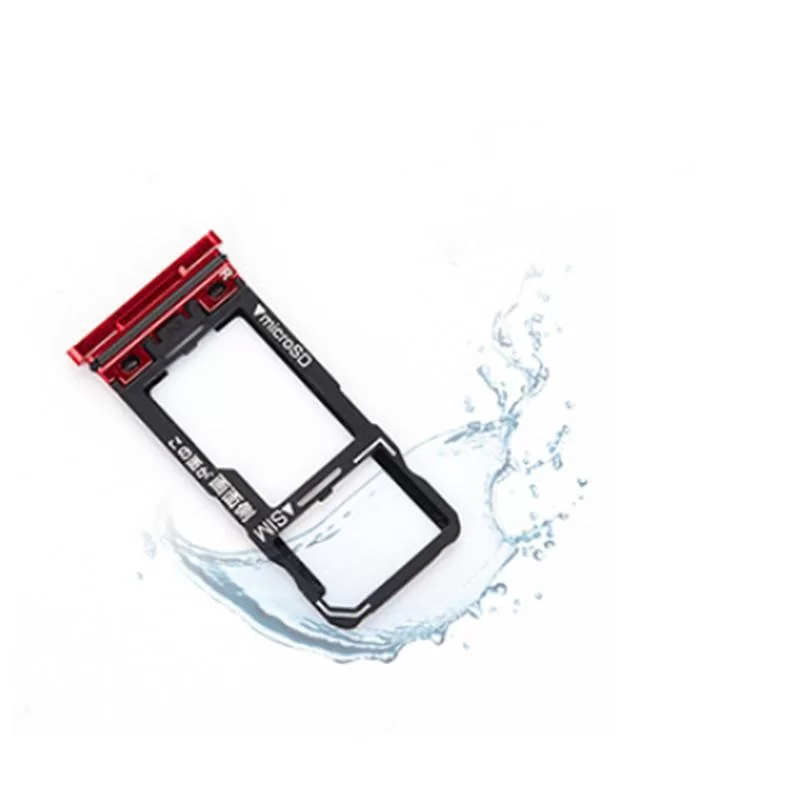
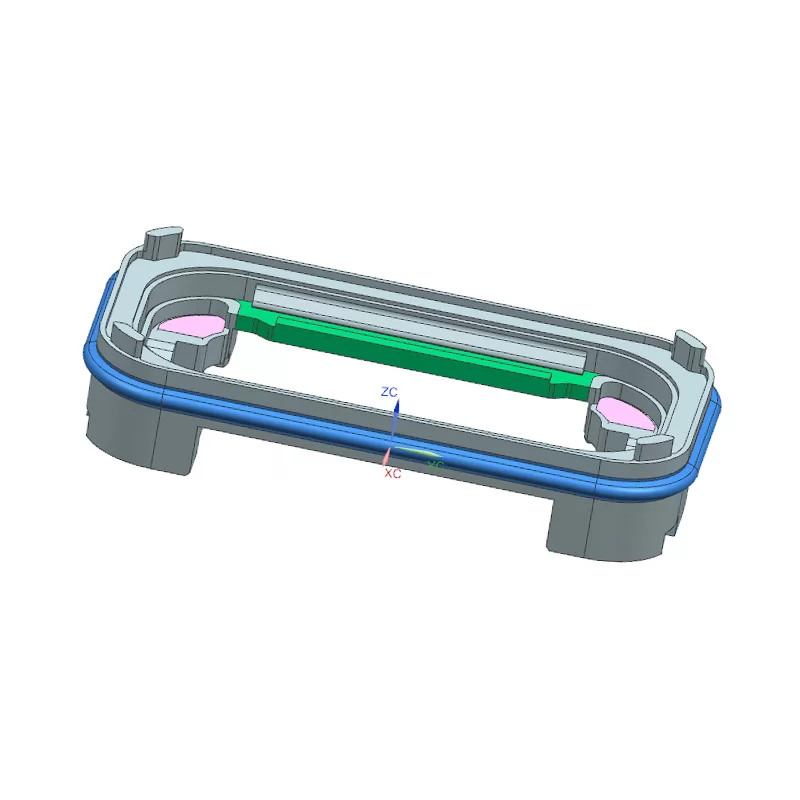
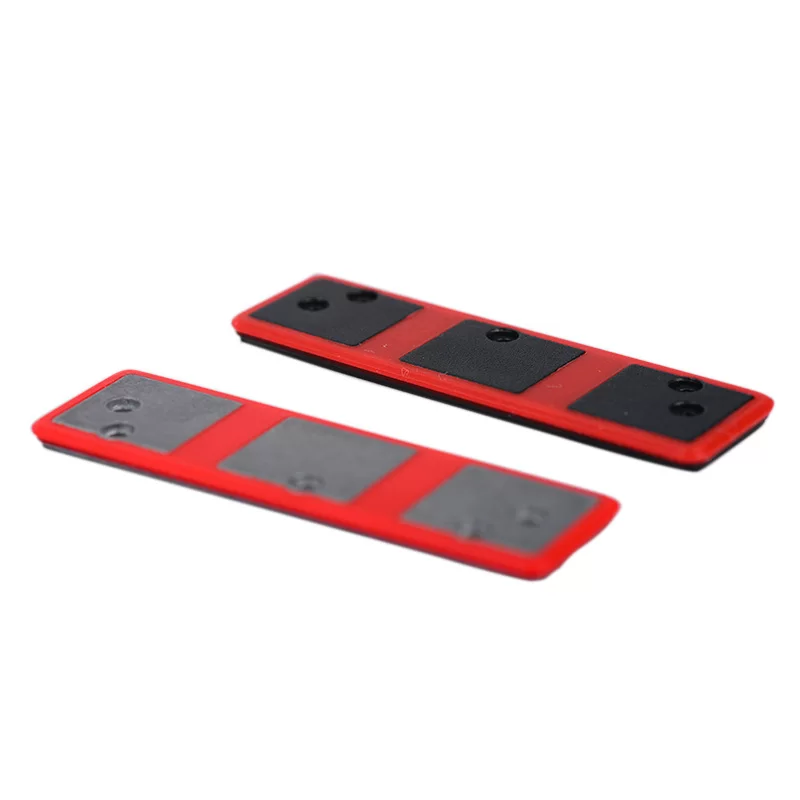
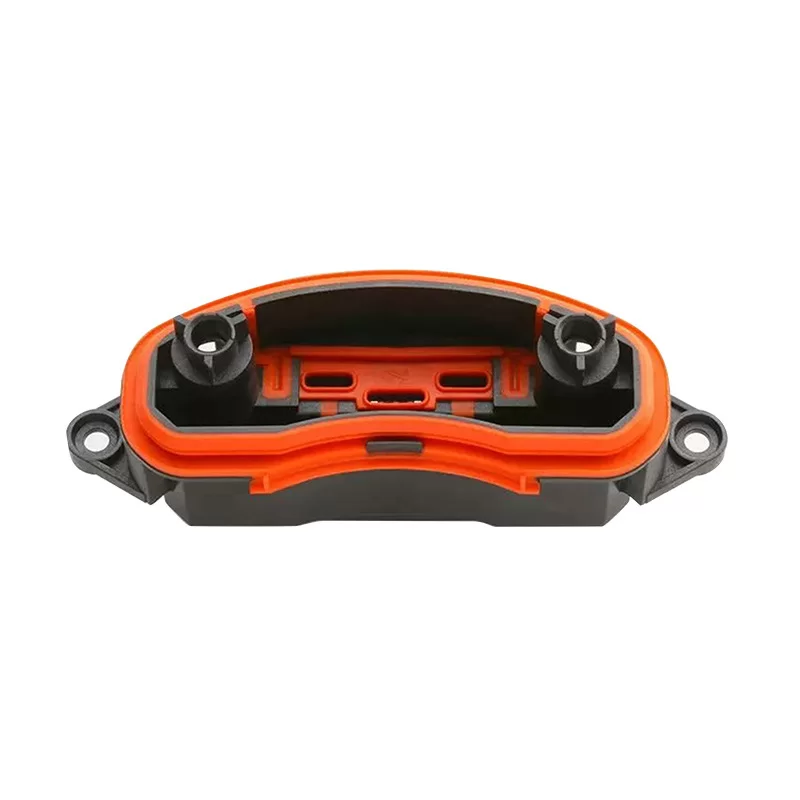
Injection silicone products covering hardware and plastic are composite products made by injecting liquid silicone (LSR) onto hardware or plastic substrates via precision injection molding and high-temperature vulcanization. They combine the structural strength of hardware/plastic with silicone’s excellent performance (softness, sealing, waterproof, temperature resistance, wear resistance), widely used in consumer electronics, automotive parts, medical devices and industrial equipment. This article briefly introduces their definition, characteristics, classification, common problems, usage and purchasing points to help users understand their value and use them scientifically.
Detailed Content

Definition and Core Functions

 Definition and Core Functions
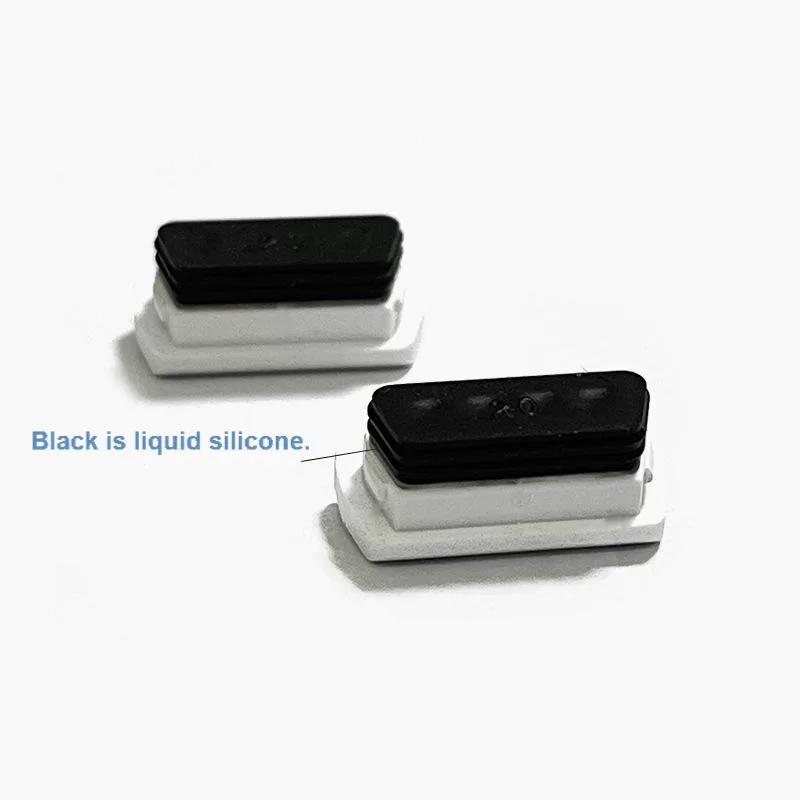
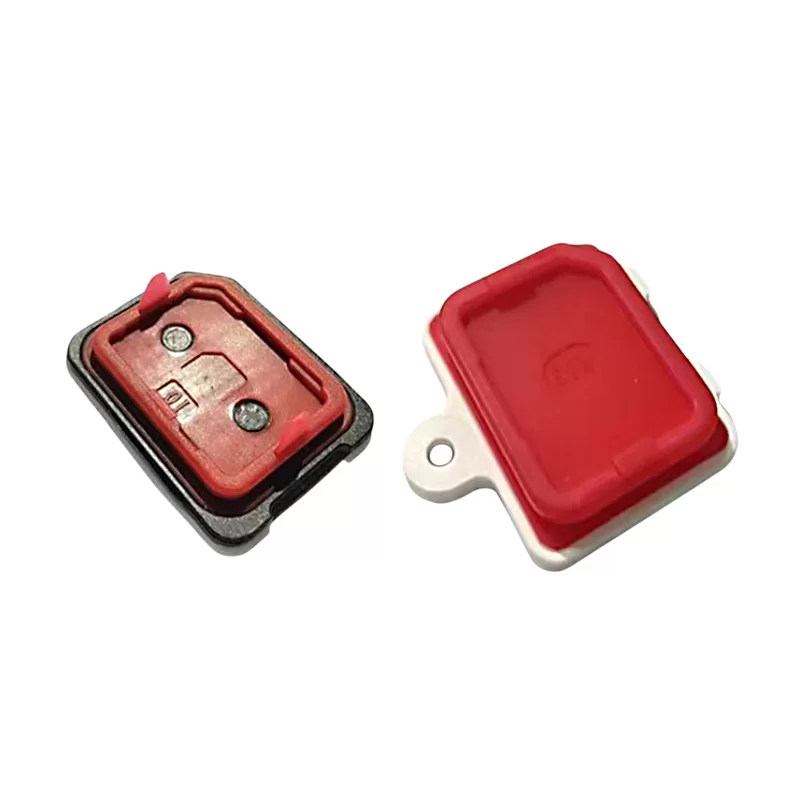
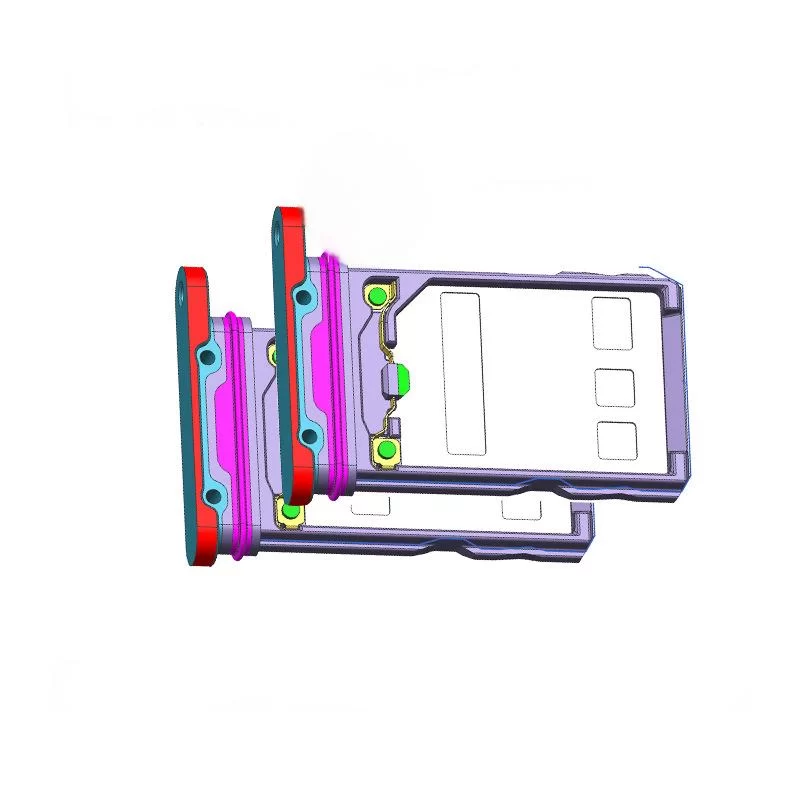
These are composite products integrating liquid silicone with prefabricated hardware/plastic substrates through insert or two-step injection molding. After high-temperature vulcanization, silicone and substrate form a firm bond, with a core structure of substrate (hardware/plastic) and silicone coating.
Core functions: ① Performance integration, combining substrate rigidity with silicone’s softness and sealing; ② Protection, preventing substrate corrosion/wear and enhancing waterproof, anti-slip and insulation performance; ③ Functional optimization, customizable hardness, color and surface effects to meet special needs. They are widely used in multiple fields and are key to modern precision manufacturing.

Classification and Functional Differences

Classification and Functional Differences
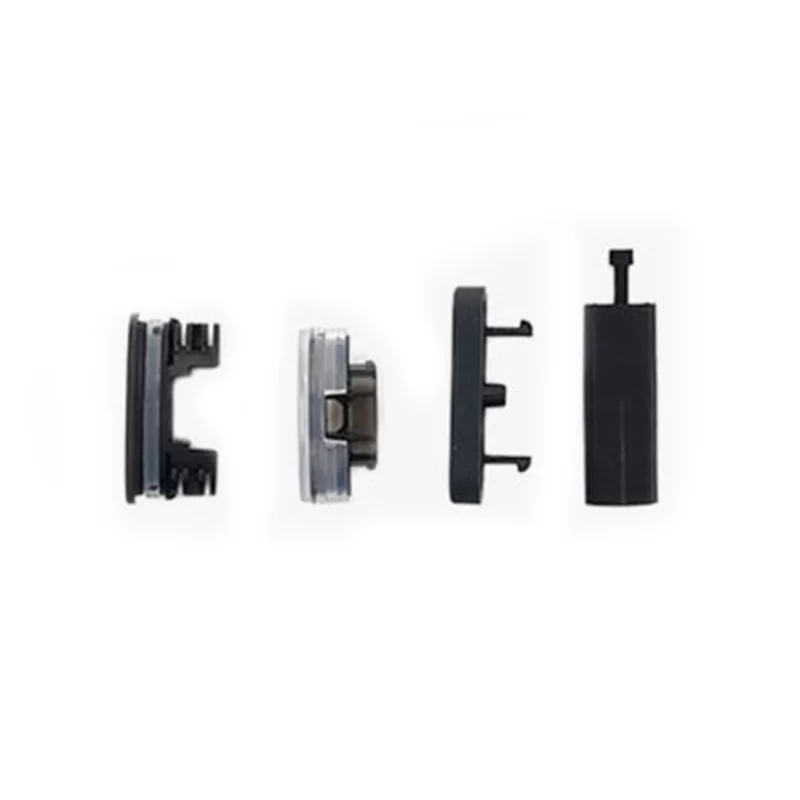
Silicone-covered Hardware Products: Metal substrate (stainless steel, aluminum alloy, etc.), coated with LSR via insert molding. Features: High structural strength, firm bonding, wear/temperature resistance, anti-corrosion. Common styles: Handles, knobs, sensors. Applicable to automotive parts, medical devices, industrial tools and kitchenware.
Silicone-covered Plastic Products: Plastic substrate (PC, ABS, nylon, etc.), combined with LSR via two-step injection molding. Features: Lightweight, low cost, good moldability, improved touch and waterproof performance. Common styles: Buttons, casings, wearable parts. Applicable to consumer electronics, smart wearables, daily necessities and toys.

Core Materials and Characteristic Differences

Core Materials and Characteristic Differences
Core Silicone Raw Material: Two-component addition-cure LSR (1:1 ratio), high-temperature curing (150-200℃), non-toxic, FDA/RoHS certified, temperature range -65℃ to 250℃. Customizable hardness (Shore A 20°-80°) and special properties (flame-retardant, medical-grade).
Substrate Materials: Hardware (stainless steel, aluminum alloy, etc.) needs surface treatment and primer for firm bonding; plastic (PC, ABS, etc.) has good high-temperature resistance and silicone compatibility, no additional primer needed.
Primers: Essential for hardware substrates, forming a "molecular bridge" between silicone and metal to ensure bonding. High-quality products have firm bonding, uniform coating and no defects; inferior products easily peel or have bubbles.

Common Problems and Causes

Common Problems and Causes
Silicone Layer Peeling: Insufficient substrate surface treatment, improper primer use, incorrect silicone ratio, or insufficient vulcanization.
Bubbles/Missing Material: Poor mold exhaust, fast injection speed, uneven silicone mixing, or residual air on the substrate.
Surface Burrs: Insufficient mold clamping force, high injection pressure, or mold foreign objects.
Substrate Deviation/Exposure: Unreasonable mold positioning, low accuracy, or excessive injection impact.
Yellowing/Aging: Long-term sunlight, high temperature, chemical contact, or inferior silicone.
Silicone Damage/Wear: Insufficient silicone hardness, long-term friction/impact, or sharp object contact.

Usage, Cleaning and Maintenance

Usage, Cleaning and Maintenance
Usage: Check silicone layer integrity before use; avoid exceeding temperature range (-65℃ to 250℃) and load-bearing limit; avoid strong acid/alkali or organic solvents.
Cleaning: Wipe with a soft cloth; soak in warm water (≤60℃) for stubborn stains, scrub gently; avoid sharp objects and organic solvents; disinfect medical/food-related products as required.
Maintenance: Store in a cool, dry place; avoid sunlight and high temperature; clean and dry before long-term storage; regularly check for peeling/aging and repair/replace in time.

Adaptation and Purchase Points

Adaptation and Purchase Points
Adapt to Scenarios: Choose silicone-covered hardware for high strength/corrosion resistance; choose silicone-covered plastic for lightweight/cost-effectiveness.
Material Matching: Select LSR silicone and substrate meeting application requirements (e.g., medical-grade for medical products).
Quality and Brand: Prioritize certified (FDA, RoHS, ISO) regular brands; check for uniform coating, no peeling/bubbles, and intact substrate.
Customized Products: Confirm silicone hardness, coating thickness and bonding effect with manufacturers.

Summary

Summary
Injection silicone products covering hardware and plastic are key components in precision manufacturing, integrating silicone and substrate advantages. Their quality depends on material selection and processing technology. Correct usage, cleaning and maintenance extend service life, while reasonable selection ensures application stability and safety, improving equipment performance and reducing maintenance costs.

  • Customization Advantages and Commitments
    Through flexible production processes and highly customized services, GYF provides global customers with adaptable and innovatively designed silicone products. Our customization capabilities extend beyond cross-sectional shapes and colors — we can fully adjust products based on your functional requirements (such as high-temperature resistance, flame retardancy, conductivity, anti-aging, etc.), ensuring every product perfectly fits your application scenarios and brand positioning.
  • GYF: Custom Extruded Silicone Products for High-Quality Solutions
    GYF is committed to providing high-quality customized extruded silicone products for various industries. With precise extrusion technology, efficient production processes, and strict quality control, we help customers enhance product competitiveness and meet stringent industry standards. Whether for medical, automotive, food-grade, consumer electronics, or industrial equipment sectors, we deliver personalized and innovative silicone solutions tailored to your specific needs.
  • Choosing GYF means unlocking greater value — you will gain:
    Long-term consistent production reliability
    Global certification support
    Fast market entry
    Multi-material integrated design for cost reduction and performance improvement
    Reduced defect rates and increased mass production returns
    Capability for mass-producing micro-sized and complex structural components
    Realization of differentiated product competitiveness
  • Choose GYF for Quality Advantages
    ✔ Full-process tracking: Material → Mold → Molding → Inspection → Packaging
    ✔ Automation reduces errors: Independent of manual quality control, suitable for global mass production
    ✔ Complete certifications for export support: FDA, ISO13485, IATF16949, ISO22000, etc.
    ✔ Strict testing ensures reliability: Applicable to high-demand markets such as medical-grade, industrial-grade, and automotive-grade
    ✔ Ultra-high batch consistency: Low defect rate and high efficiency to ensure the stability of customers' supply chains
ODM Silicone & Rubber Product