Sealing Ring

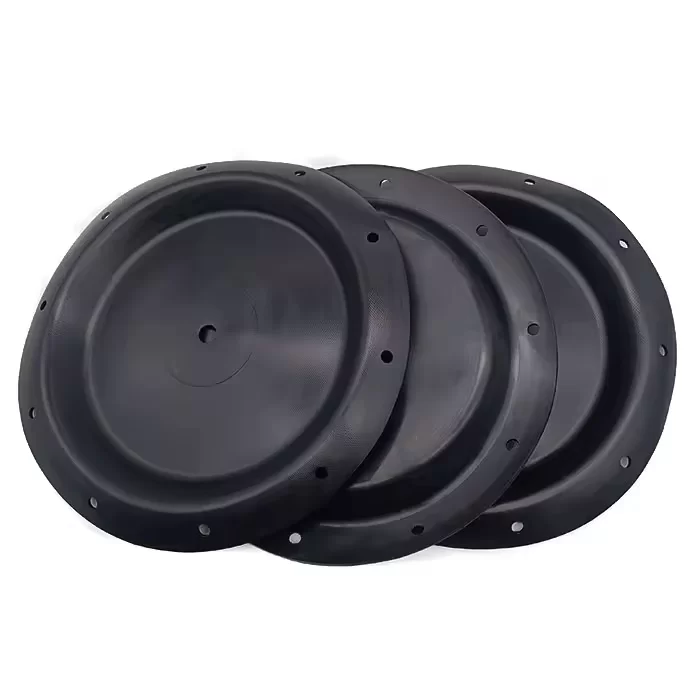
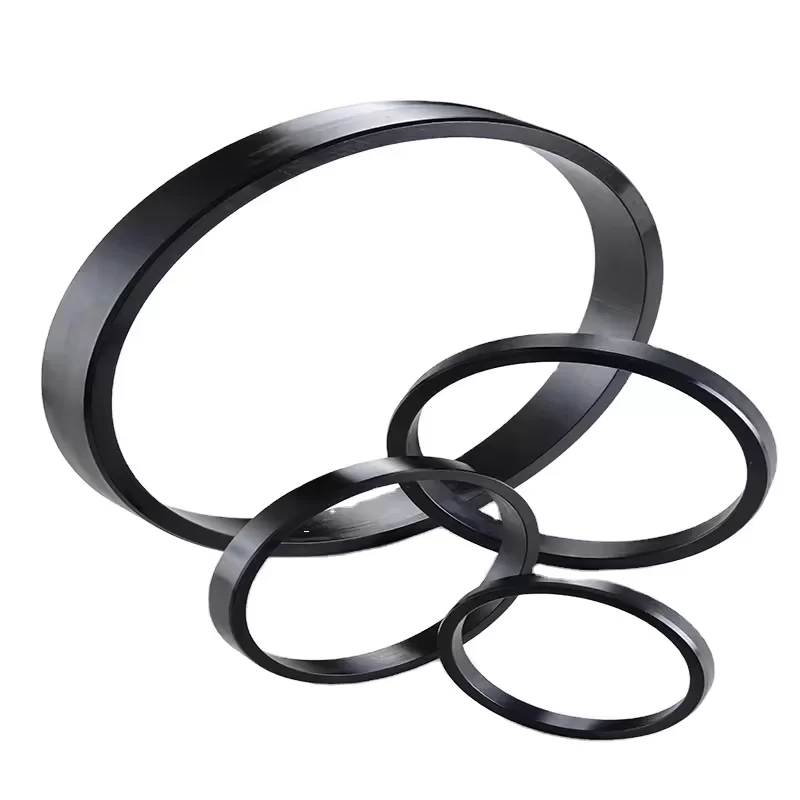
Silicone Sealing Rings

Abstract

Silicone rubber seals are made of silicone rubber via molding or extrusion, featuring high/low temperature resistance, anti-aging, excellent sealing, non-toxicity and odorlessness. Widely used in electronics, automotive, medical and other fields, they block media leakage and protect equipment. This document concisely covers their key features, materials, applications and maintenance for practitioners.
Detailed Content

Core Definition and Overall Advantages

Core Definition and Overall Advantages
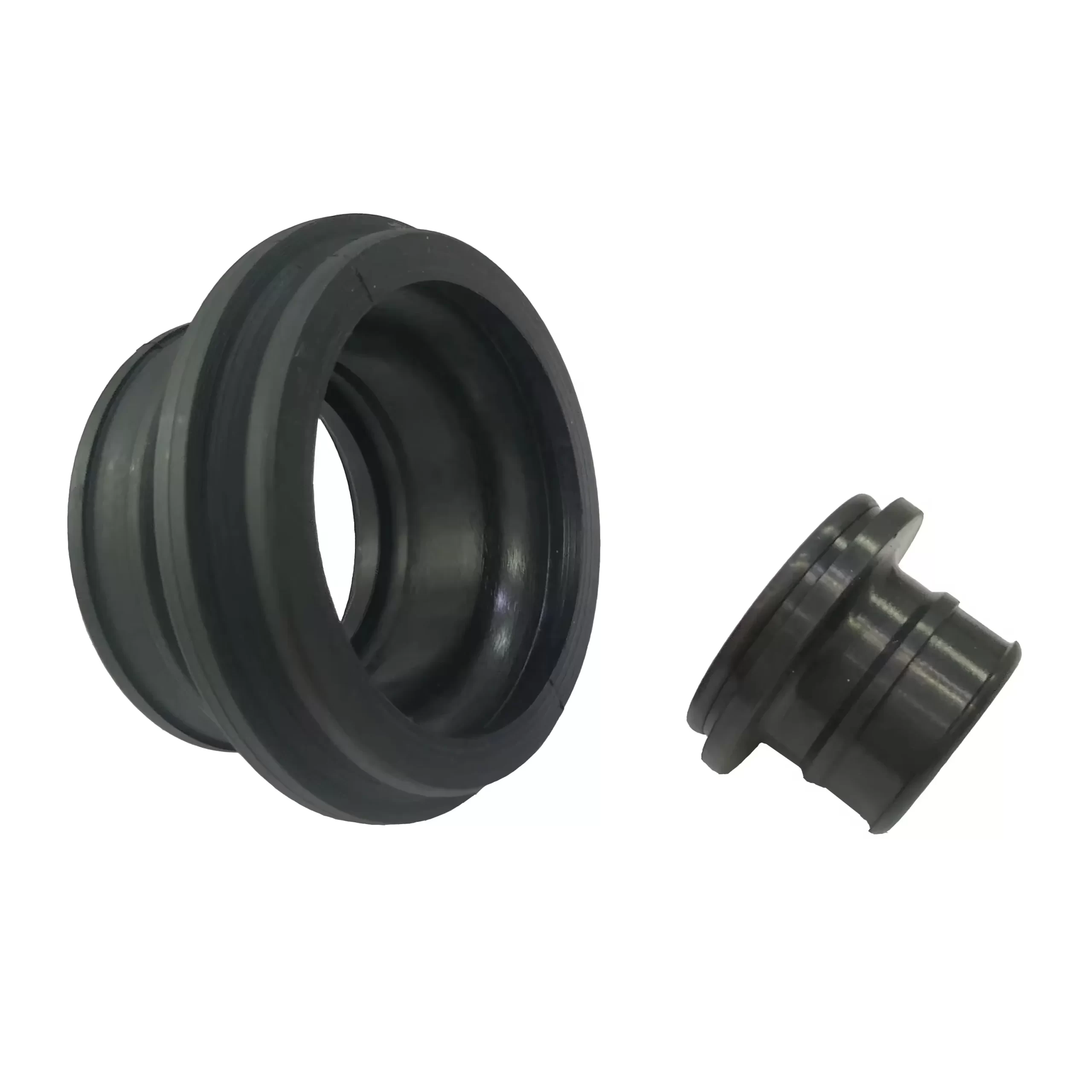
Silicone rubber seals are annular components made of silicone rubber and auxiliary materials, installed at equipment interfaces to block leakage and provide shock absorption/insulation. Key advantages:
Temperature range: -60℃ to 250℃ (special types: -100℃ to 300℃)
Anti-aging: 3-5 times longer service life than ordinary rubber seals
Superior sealing: Soft, elastic, small compression set, tight fit
Safety: Non-toxic, FDA/LFGB certified, suitable for food/medical use
Corrosion-resistant: Tolerant to water, weak acids, weak alkalis and lubricants
Insulation & shock absorption: Ideal for electronic equipment

Core Materials and Classification

Core Materials and Classification
Seal quality depends on silicone rubber type and auxiliary materials:
Core Silicone Rubber
MQ: Cost-effective, widely used for home appliances/electronics (-60℃~250℃)
VMQ: Vinyl-modified, better tear resistance for automotive/chemical fields
PMVQ: Phenyl-modified, excellent low-temperature resistance (-100℃~250℃) for special scenarios
Auxiliary Materials: Vulcanizing agents (determine hardness), reinforcing agents (enhance strength), anti-aging agents, non-toxic colorants.
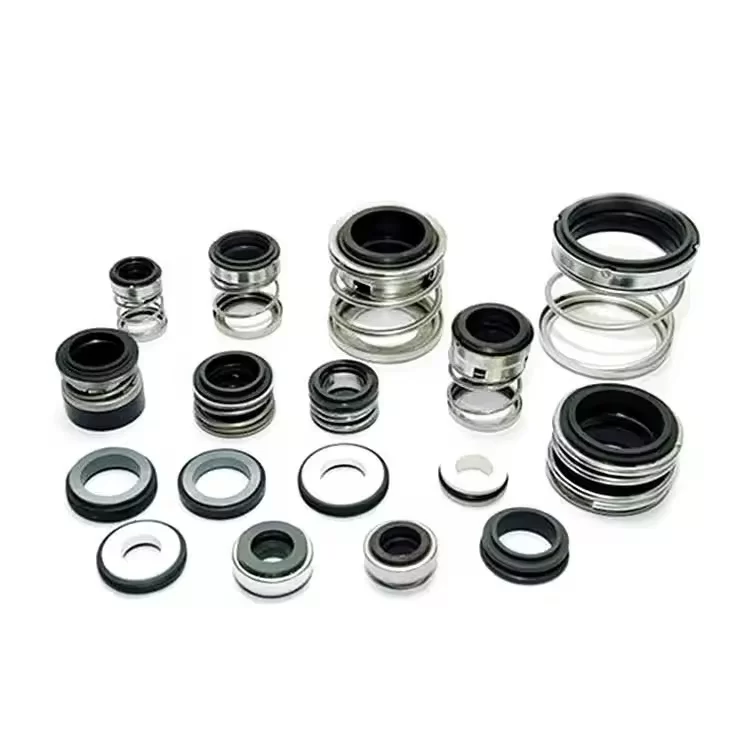
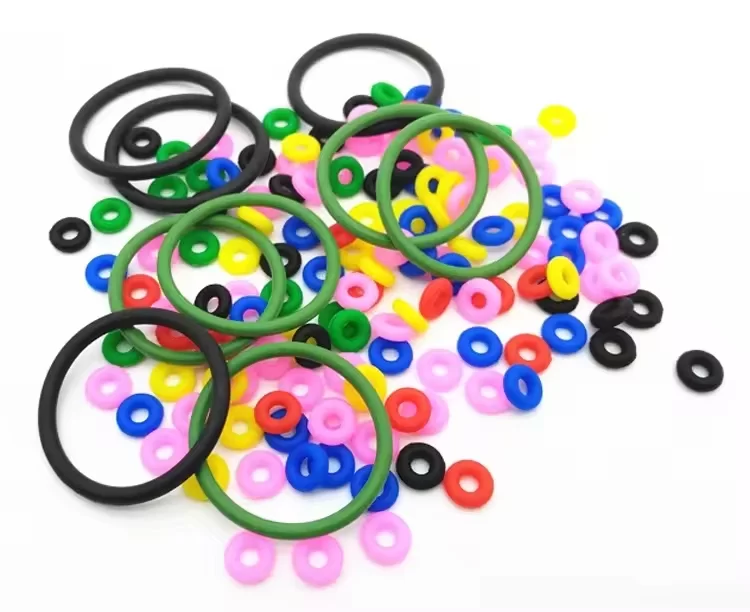
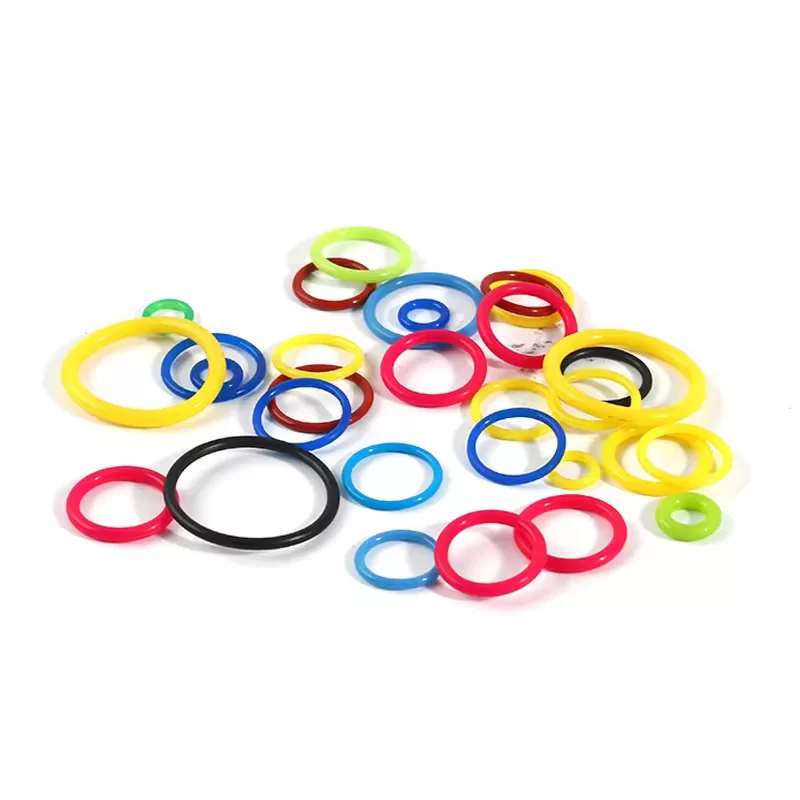
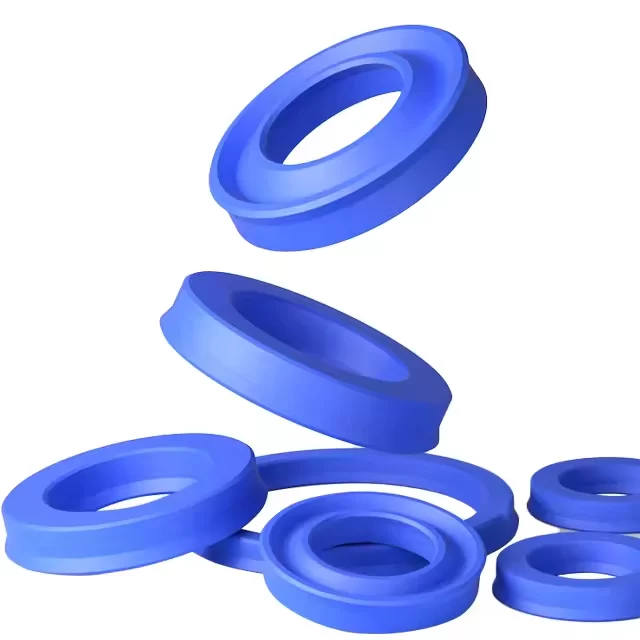
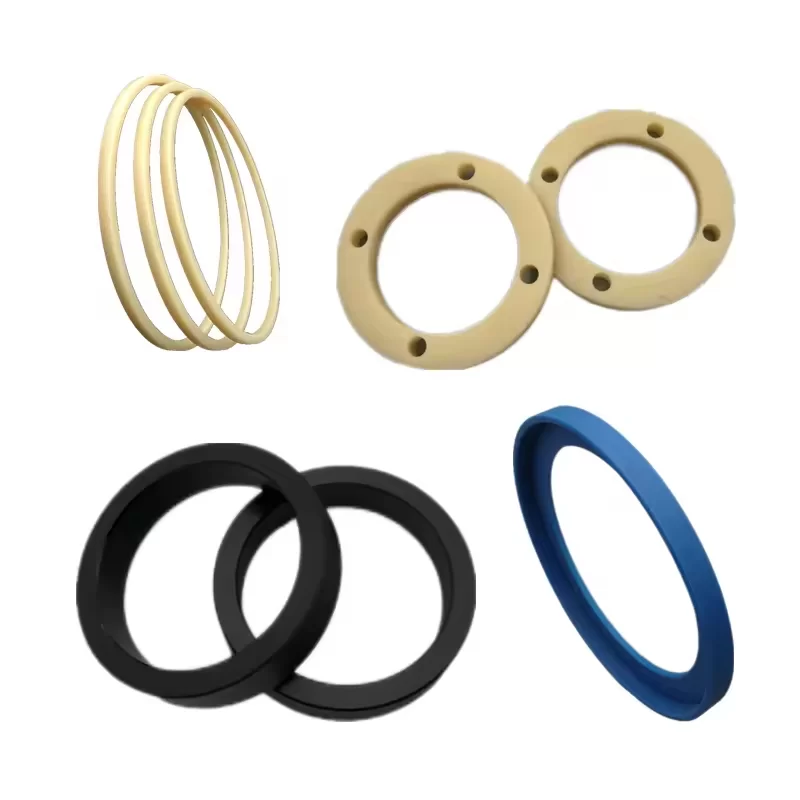
Classification: O/Y/V/U/rectangular rings by shape; static/dynamic by use; customizable sizes.

Processing Technology

Processing Technology
Molding: For mass production, complex structures, high precision; high mold cost.
Extrusion: For long, uniform-section seals; low cost, suitable for small batches.
Quality Requirements: Dimensional error ±0.01-±0.05mm, smooth surface, qualified performance.

Common Application Scenarios

Common Application Scenarios
Electronics: Waterproof/dustproof seals for mobile phones, home appliances
Automotive: Seals for engine, air conditioning, doors/windows
Medical: Food/medical-grade seals for syringes, ventilators
Food/Chemical: Seals for processing equipment, pipelines, containers
Others: Aerospace, low-temperature equipment, daily necessities

Differences from Other Seals

Differences from Other Seals
NBR: Better oil resistance, narrow temperature range; Silicone: Wider temperature, better anti-aging.
FKM: Stronger corrosion resistance, higher cost; Silicone: More elastic, non-toxic.
CR: Good weather resistance, narrow temperature range; Silicone: Longer service life.

Common Problems & Causes

Common Problems & Causes
Leakage: Mismatched size, dirty surface, extreme temperature, aging.
Aging/Cracking: High temperature, ozone, ultraviolet rays, expired service life.
Deformation: Excessive installation pressure, improper storage.
Damage/Swelling: Sharp tools, incompatible media, high temperature.

Selection, Installation & Maintenance

Selection, Installation & Maintenance
Selection: Choose MQ/VMQ for ordinary use, PMVQ for low temperature; O-ring for static, Y/V-ring for dynamic sealing.
Installation: Clean surface, avoid sharp tools, apply lubricant for dynamic sealing.
Maintenance: Regular inspection, clean with neutral detergent, store in cool dry place, replace every 1-3 years.

Summary

Summary
Silicone rubber seals are reliable, multi-functional components widely used in various industries. Scientific selection, installation and maintenance extend their service life and ensure sealing effect, with future development towards high precision and environmental protection.

  • Customization Advantages and Commitments
    Through flexible production processes and highly customized services, GYF provides global customers with adaptable and innovatively designed silicone products. Our customization capabilities extend beyond cross-sectional shapes and colors — we can fully adjust products based on your functional requirements (such as high-temperature resistance, flame retardancy, conductivity, anti-aging, etc.), ensuring every product perfectly fits your application scenarios and brand positioning.
  • GYF: Custom Extruded Silicone Products for High-Quality Solutions
    GYF is committed to providing high-quality customized extruded silicone products for various industries. With precise extrusion technology, efficient production processes, and strict quality control, we help customers enhance product competitiveness and meet stringent industry standards. Whether for medical, automotive, food-grade, consumer electronics, or industrial equipment sectors, we deliver personalized and innovative silicone solutions tailored to your specific needs.
  • Choosing GYF means unlocking greater value — you will gain:
    Long-term consistent production reliability
    Global certification support
    Fast market entry
    Multi-material integrated design for cost reduction and performance improvement
    Reduced defect rates and increased mass production returns
    Capability for mass-producing micro-sized and complex structural components
    Realization of differentiated product competitiveness
  • Choose GYF for Quality Advantages
    ✔ Full-process tracking: Material → Mold → Molding → Inspection → Packaging
    ✔ Automation reduces errors: Independent of manual quality control, suitable for global mass production
    ✔ Complete certifications for export support: FDA, ISO13485, IATF16949, ISO22000, etc.
    ✔ Strict testing ensures reliability: Applicable to high-demand markets such as medical-grade, industrial-grade, and automotive-grade
    ✔ Ultra-high batch consistency: Low defect rate and high efficiency to ensure the stability of customers' supply chains
ODM Silicone & Rubber Product