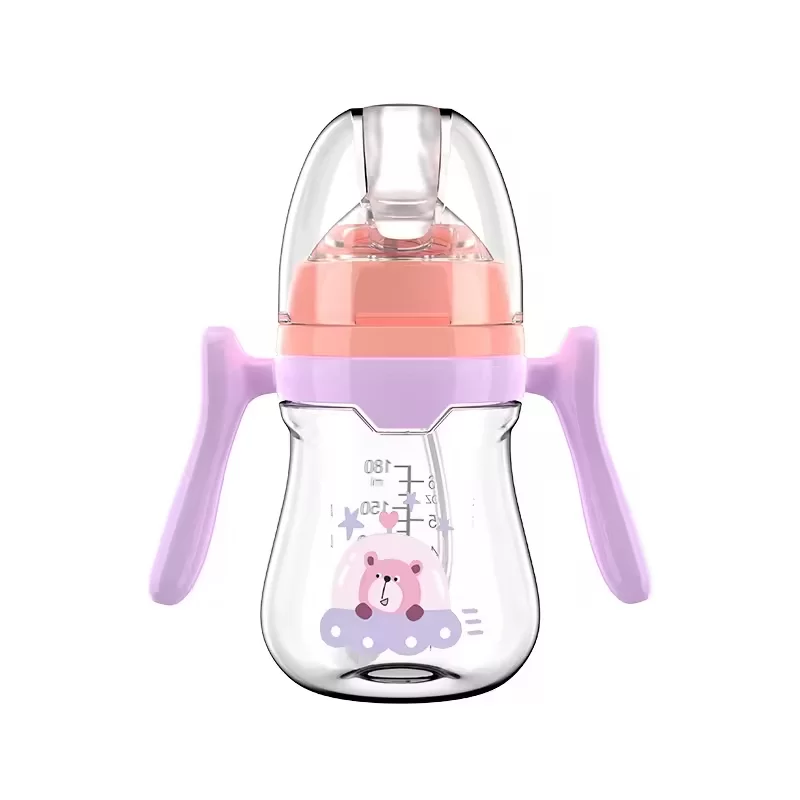
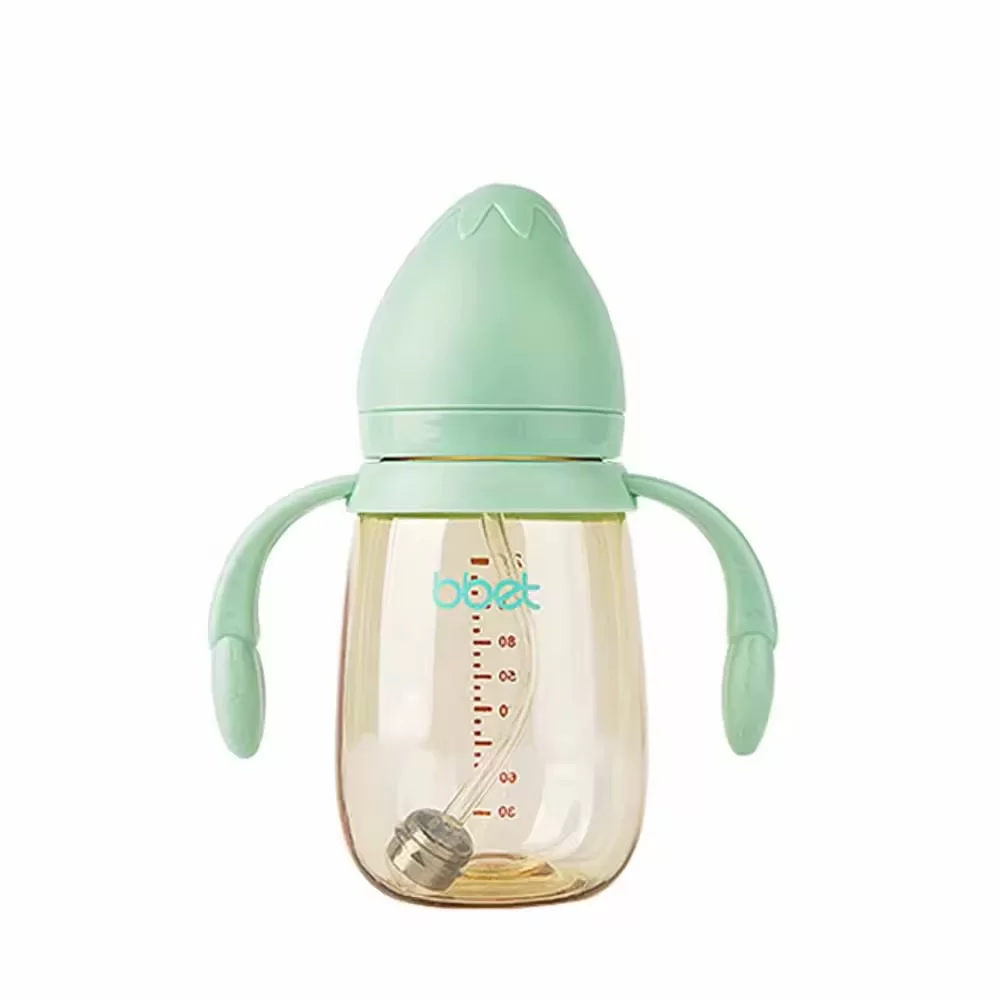
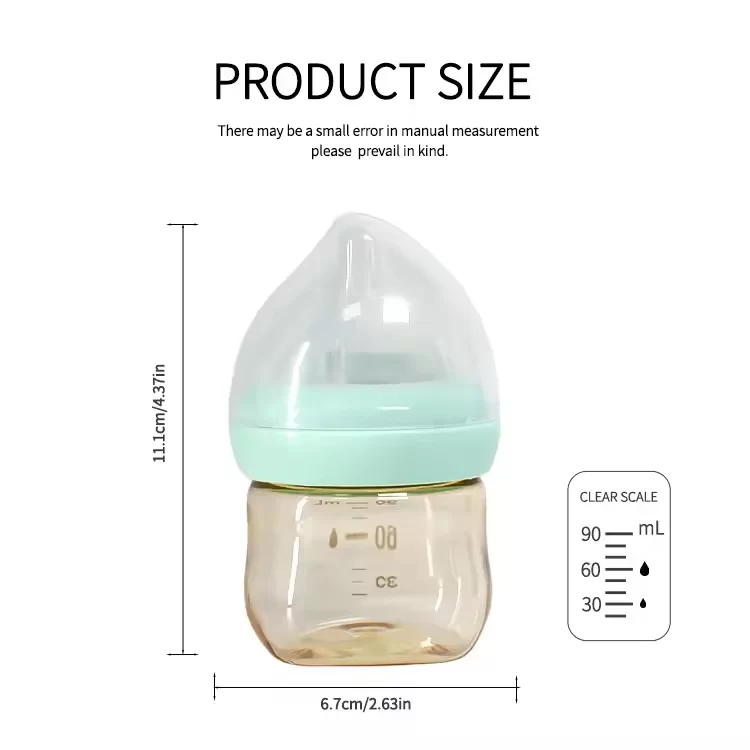
Baby Bottle

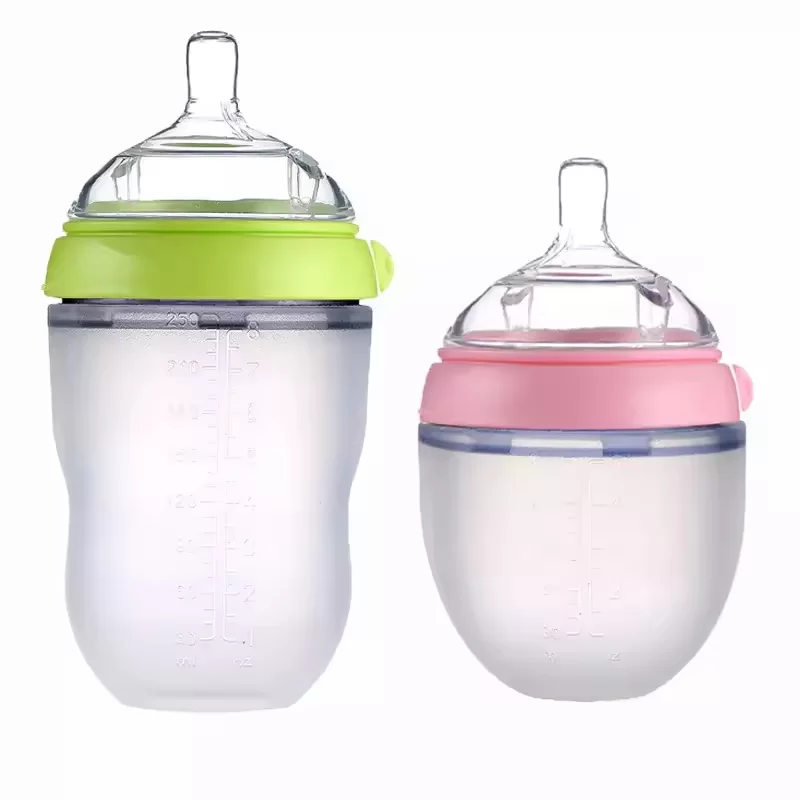
Baby Silicone Bottle

Abstract

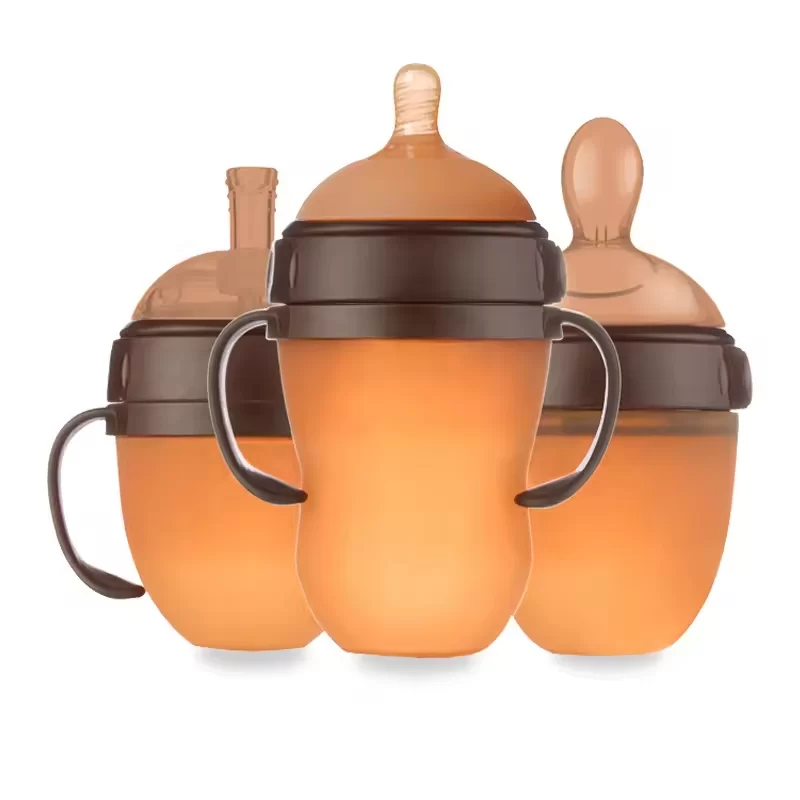
Silicone baby bottles are new feeding appliances for infants and young children, with food-grade silicone as the core material and compatible plastic/hardware accessories. Featuring safety, non-toxicity, softness, temperature resistance, shatter resistance and easy cleaning, they are mainstream in modern parenting. This document concisely sorts out their definition, characteristics, materials, classification, common problems and usage, helping parents understand their value and specifications to ensure feeding safety and convenience.
Detailed Content

Core Definition and Overall Advantages

Core Definition and Overall Advantages
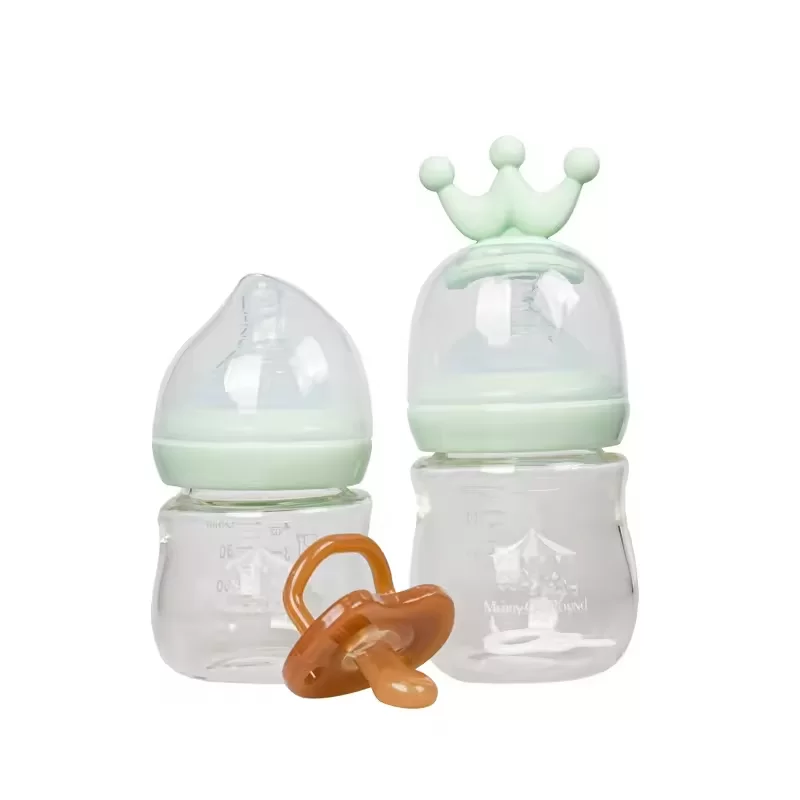
Silicone baby bottles are infant feeding appliances with food-grade silicone bottle bodies and auxiliary components (nipples, bottle caps, straws, etc.), used for storing milk and feeding newborns to toddlers, compatible with breast milk, formula and complementary food puree. Designed with "safety first and adaptation to infants' physiological characteristics", they make up for the defects of traditional glass (fragile) and plastic (potential harmful substances) bottles.
Core advantages: Safe and non-toxic (no BPA or harmful chemicals, meeting national/international standards); soft and skin-friendly (close to breast milk touch, reducing baby resistance); temperature-resistant (-40℃ to above 200℃, withstanding high-temperature disinfection) and shatter-resistant; easy to clean (smooth surface, detachable design) and lightweight for portability.

Core Materials and Composition

Core Materials and Composition
The quality and safety depend on core materials and auxiliary components, with clear classification and functions:
Core Material: Food-grade Silicone
LSR (Liquid Silicone): High purity, non-toxic, soft, -40℃~220℃, reusable high-temperature disinfection, no milk stain absorption, preferred for high-end products and newborns.
Solid Silicone: Cost-effective, -20℃~200℃, meets daily needs, may yellow/loose elasticity after long-term use.
Modified Silicone: Added with antibacterial/anti-aging/anti-yellowing ingredients, suitable for families with high hygiene requirements.
Auxiliary Plastic Parts: Nipples (food-grade LSR, different flow rates for baby's age), bottle caps/bases (food-grade PP/PC, sealed and leak-proof), straws/spouts (food-grade silicone/PP, detachable for cleaning).
Hardware Accessories: 304 stainless steel fixing screws, straw connectors and gravity balls (non-toxic, corrosion-resistant, ensuring sealing and safe use).

Classification and Functional Differences

Classification and Functional Differences
Classified by baby's age, structure and function to meet different feeding needs:
By Month Age/Capacity
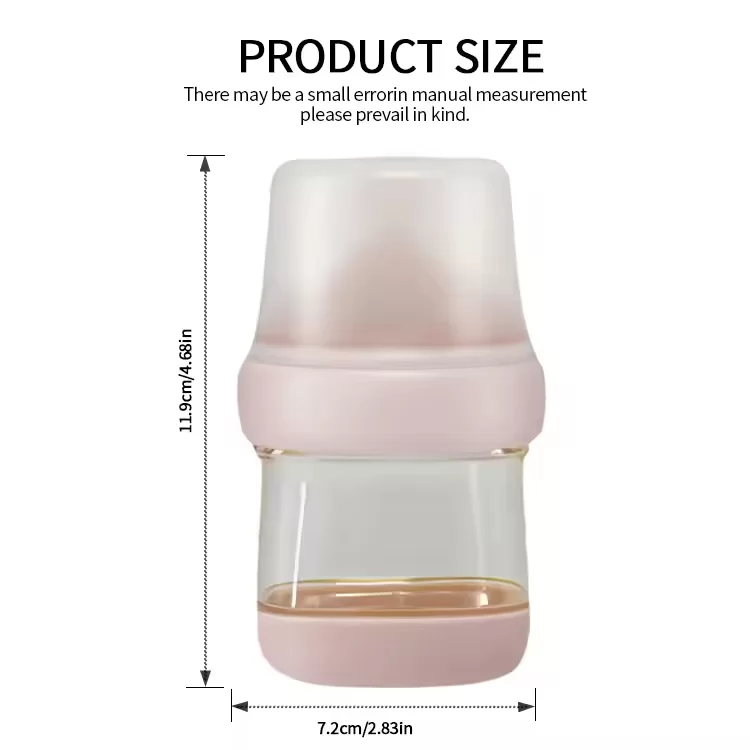
0-3 months (100-150ml): Small, slender, slow-flow nipple to avoid choking.
3-12 months (200-250ml): Moderate capacity, replaceable medium/fast-flow nipples, optional straws.
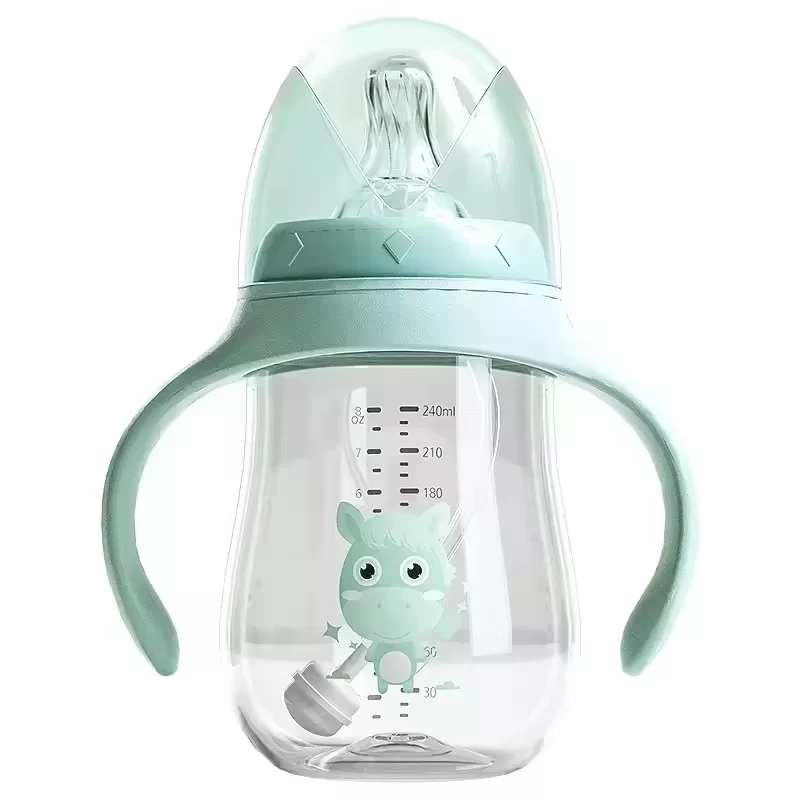
12+ months (≥300ml): Large capacity, with straws/spouts for independent eating.
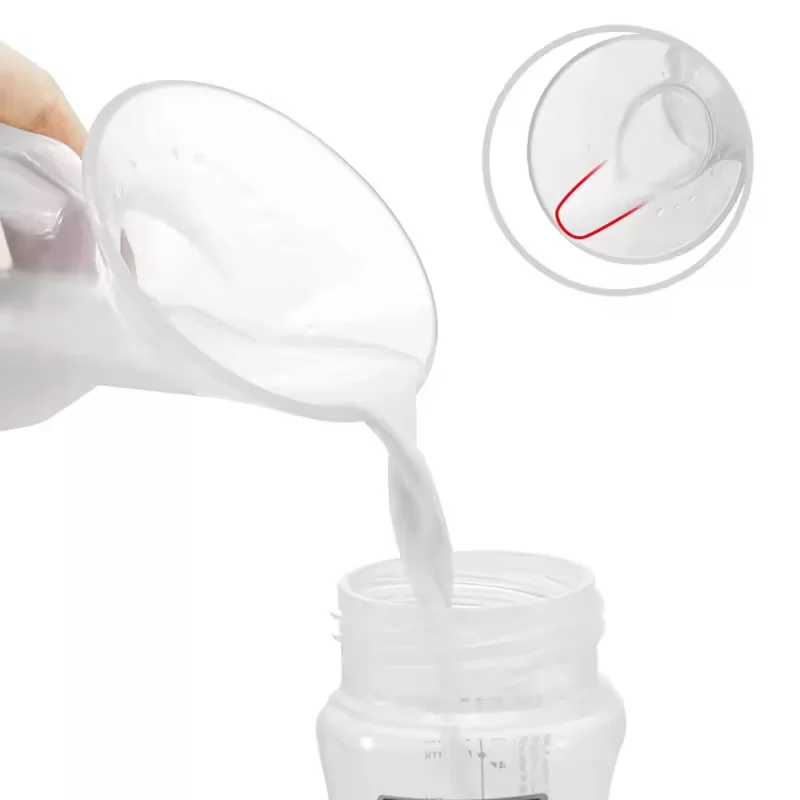
By Structure: Standard caliber (good sealing, inconvenient to clean), wide caliber (mainstream, easy to clean/brew milk), with handle (detachable, anti-slip for 6+ months), anti-flatulence (reduces air intake, suitable for sensitive stomachs).
By Function: Ordinary (daily feeding), multi-functional (heating/refrigeration, convertible to sippy cup), portable (foldable/detachable for outdoor use).

Differences from Traditional Bottles

Differences from Traditional Bottles
vs Glass Bottles: Glass is safe/transparent but heavy/fragile; silicone is light, shatter-resistant, soft and baby-friendly.
vs Non-silicone Plastic Bottles: Traditional plastic is light/shatter-resistant but may contain BPA, easy to age/absorb milk stains; silicone is non-toxic, soft, easy to clean and more comfortable.

Common Problems & Causes

Common Problems & Causes
Nipple Damage/Milk Leakage: Nipple aging, improper installation, incompatible parts, strong baby biting.
Bottle Yellowing/Odor: Incomplete milk stain cleaning, over-high temperature disinfection, bacterial growth.
Baby Rejection: New bottle odor, inappropriate nipple shape/flow rate, unsuitable temperature, breast milk adaptation.
Bottle Deformation/Hardening: Over-high temperature disinfection, sun exposure, extrusion/collision.
Bacterial Growth: Incomplete cleaning, residual milk stains, humid storage.

Usage, Cleaning and Maintenance

Usage, Cleaning and Maintenance
Usage: Disinfect new bottles before use; choose age-appropriate capacity/nipple flow; control milk temperature at 40-50℃; supervise feeding to avoid biting.
Cleaning: Disassemble and clean immediately after use; deep clean gaps every 3-5 uses; disinfect by boiling (5min) or steaming (10min); avoid strong detergents.
Maintenance: Avoid high temperature (≤120℃), sharp objects and sun exposure; store in a dry, cool place; replace bottle body every 3-6 months, nipple every 1-2 months.

Selection Points

Selection Points
Material: Prioritize LSR silicone with FDA/LFGB certifications, non-toxic and odorless.
Age Adaptation: Match capacity and nipple flow to baby's age.
Details: Prefer wide-caliber, anti-flatulence (for sensitive stomachs), with handles/straws (for 6+ months).
Brand & Quality: Choose regular, reputable brands; high-quality bottles have soft texture, no burrs and clear scales.

Summary

Summary
Silicone baby bottles are mainstream feeding tools, combining the safety of glass bottles and convenience of plastic bottles. Composed of food-grade silicone and compatible accessories, they have various classifications to fit different baby ages. Correct selection, usage and maintenance can avoid common problems, ensure feeding safety, reduce parents' burden, and provide a reliable guarantee for babies' healthy growth.

  • Customization Advantages and Commitments
    Through flexible production processes and highly customized services, GYF provides global customers with adaptable and innovatively designed silicone products. Our customization capabilities extend beyond cross-sectional shapes and colors — we can fully adjust products based on your functional requirements (such as high-temperature resistance, flame retardancy, conductivity, anti-aging, etc.), ensuring every product perfectly fits your application scenarios and brand positioning.
  • GYF: Custom Extruded Silicone Products for High-Quality Solutions
    GYF is committed to providing high-quality customized extruded silicone products for various industries. With precise extrusion technology, efficient production processes, and strict quality control, we help customers enhance product competitiveness and meet stringent industry standards. Whether for medical, automotive, food-grade, consumer electronics, or industrial equipment sectors, we deliver personalized and innovative silicone solutions tailored to your specific needs.
  • Choosing GYF means unlocking greater value — you will gain:
    Long-term consistent production reliability
    Global certification support
    Fast market entry
    Multi-material integrated design for cost reduction and performance improvement
    Reduced defect rates and increased mass production returns
    Capability for mass-producing micro-sized and complex structural components
    Realization of differentiated product competitiveness
  • Choose GYF for Quality Advantages
    ✔ Full-process tracking: Material → Mold → Molding → Inspection → Packaging
    ✔ Automation reduces errors: Independent of manual quality control, suitable for global mass production
    ✔ Complete certifications for export support: FDA, ISO13485, IATF16949, ISO22000, etc.
    ✔ Strict testing ensures reliability: Applicable to high-demand markets such as medical-grade, industrial-grade, and automotive-grade
    ✔ Ultra-high batch consistency: Low defect rate and high efficiency to ensure the stability of customers' supply chains
ODM Silicone & Rubber Product