Printing Rubber Roller

Silicone Door Strip

Abstract

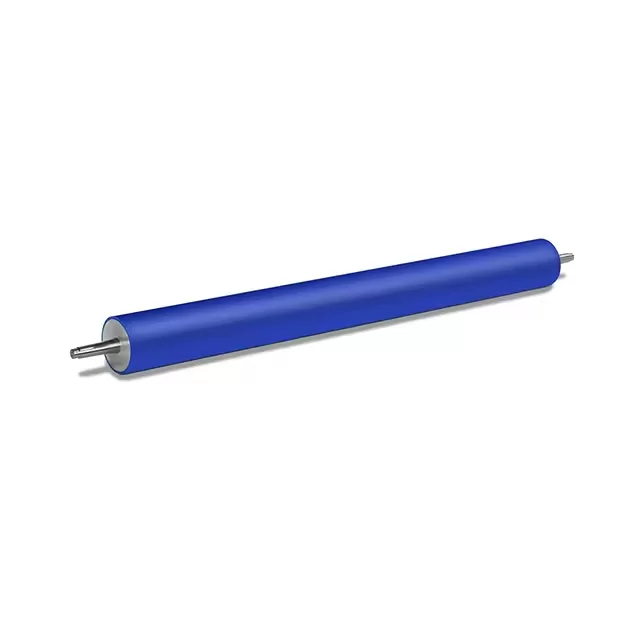
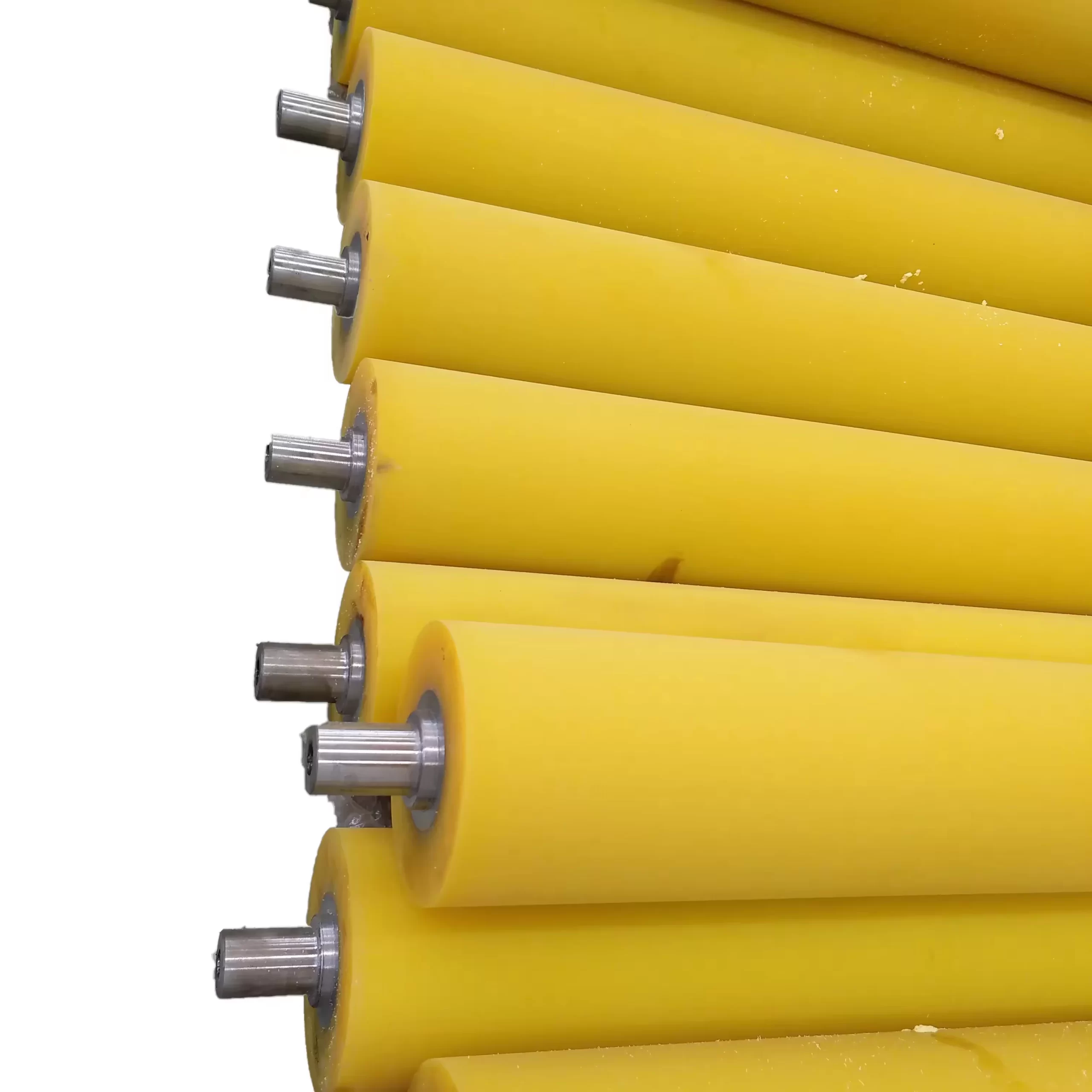
Printer rubber rollers are core transmission components with a metal core and elastic outer coating. They are used for paper feeding, ink/toner transfer and fusing, directly affecting printing efficiency, quality and equipment service life. This article introduces their classification, materials, faults and maintenance to help users grasp core knowledge quickly.
Detailed Content

Definition and Core Functions

Definition and Core Functions
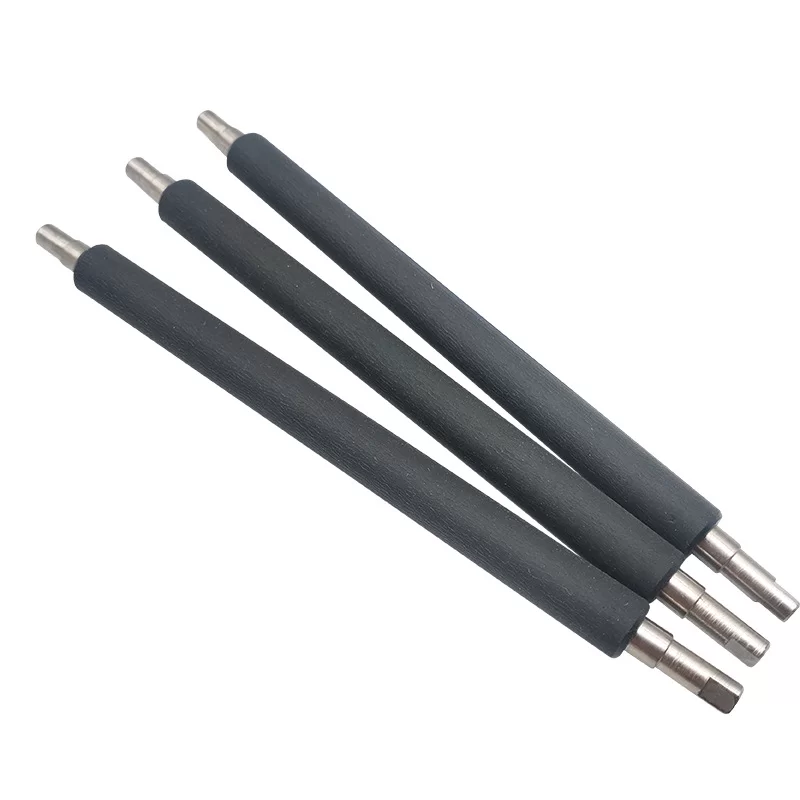
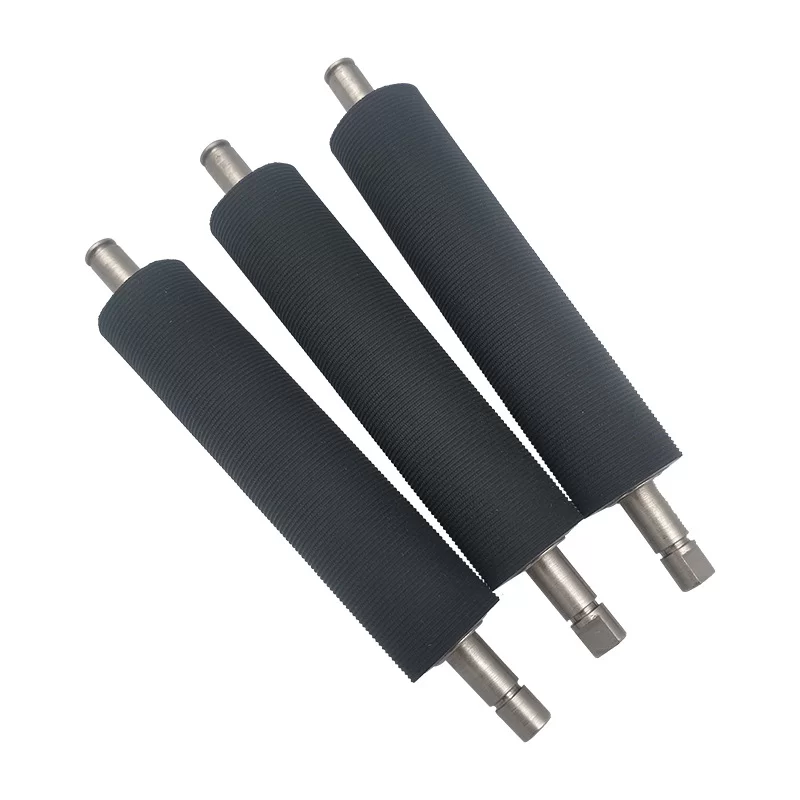
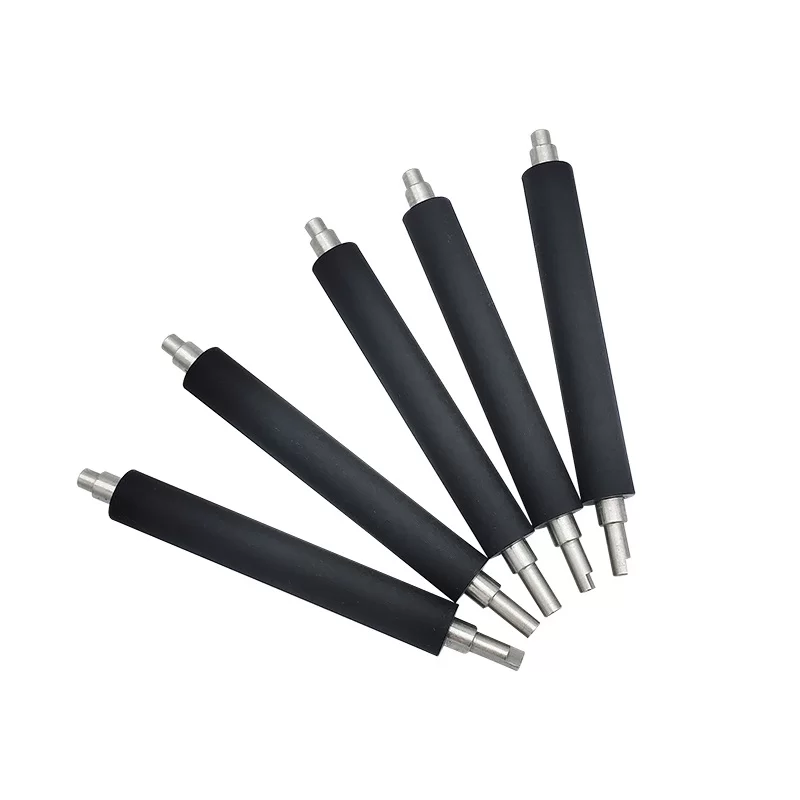
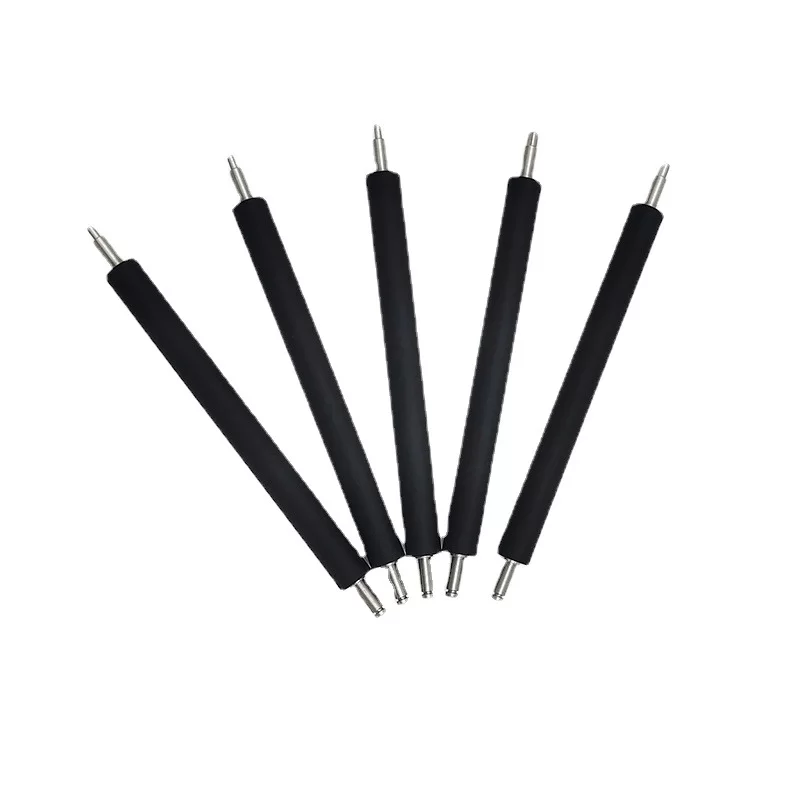
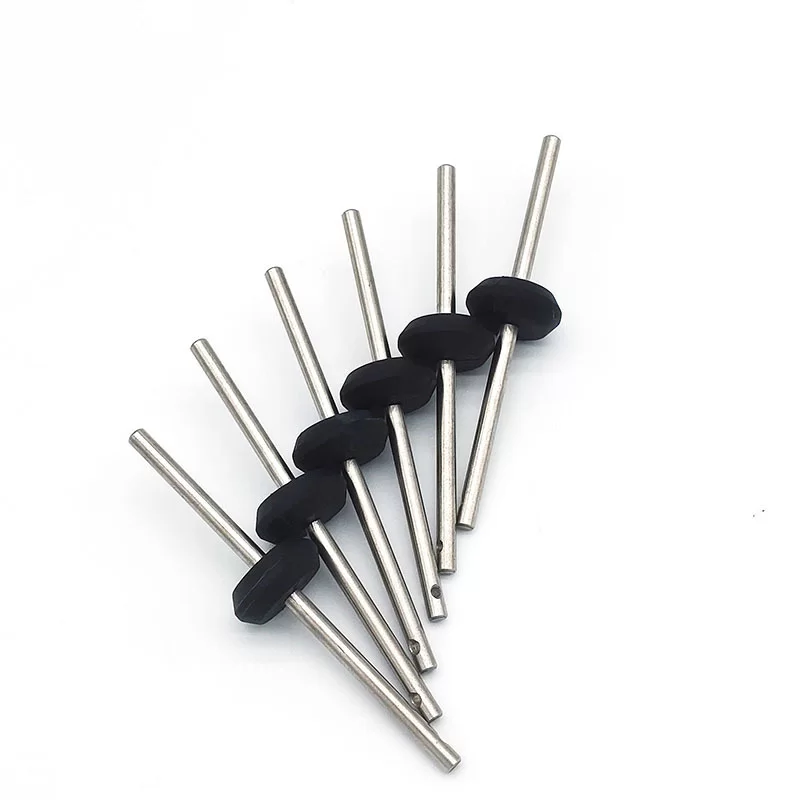
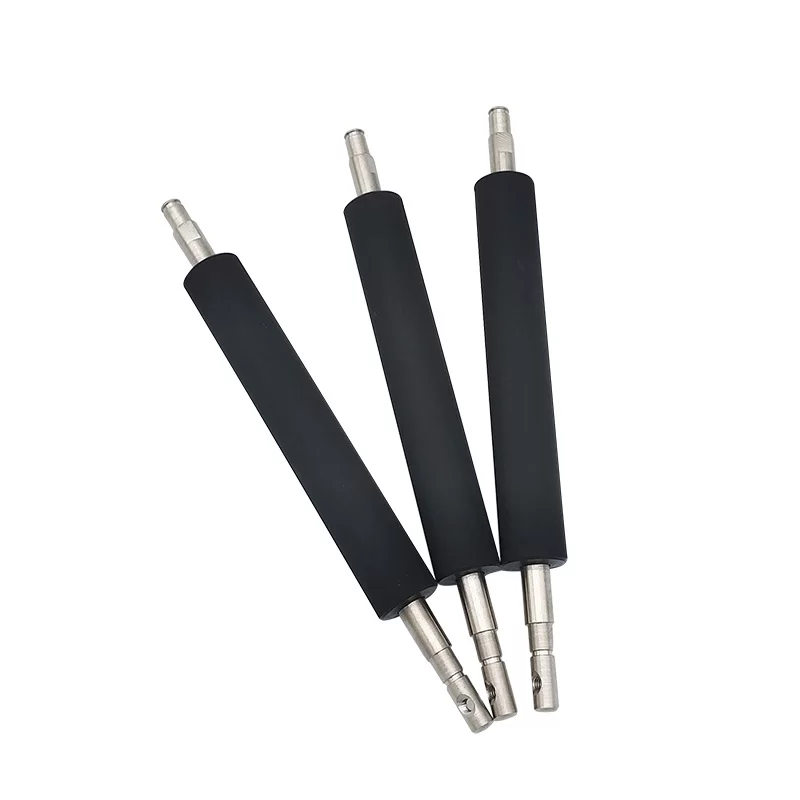
Printer rubber rollers consist of a metal core shaft and elastic outer coating, running through the entire printing process. Core functions: stable paper conveying (avoid jamming/deviation), cooperative fusing/ink transfer (ensure clear printing), and buffering to protect equipment and paper from wear.

Classification and Functional Differences

Classification and Functional Differences
Paper Conveying System Rollers: Pick-up, separation, transport and exit rollers, providing stable friction for smooth single-sheet feeding and flat output.
Electrostatic Imaging System Rollers: Charging, developing and transfer rollers for laser printers, requiring stable conductivity to ensure printing clarity.
High-Temperature Fusing System Rollers: Heat and pressure rollers, withstanding 180-220℃, anti-adhesion, completing toner fusing.

Core Materials and Selection

Core Materials and Selection
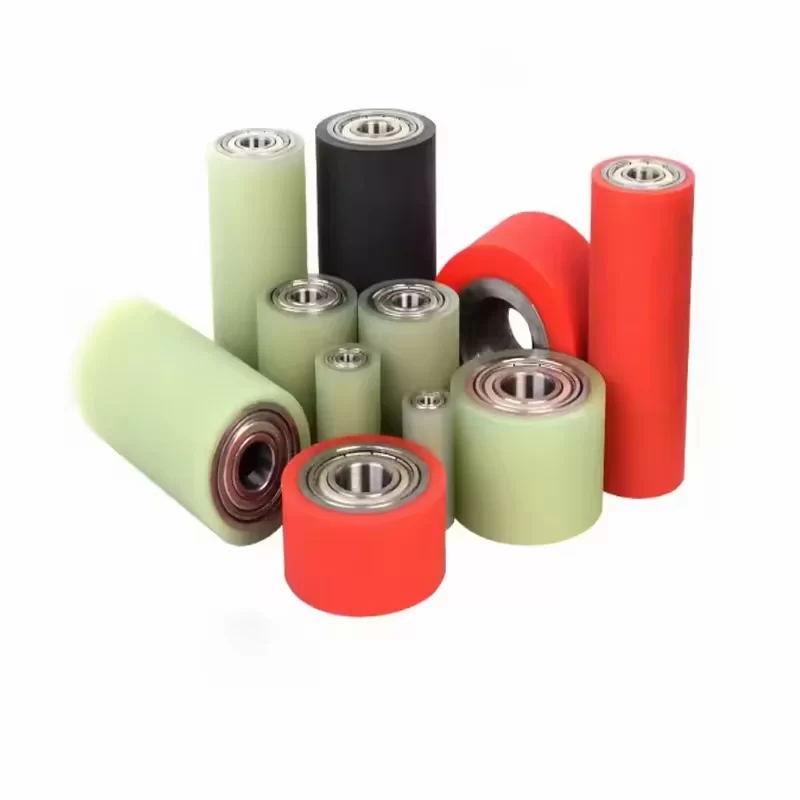
Polyurethane (PU): For conveying rollers, wear-resistant and universal.
Rubber (conductive/high-temperature silicone): For electrostatic imaging and fusing rollers, with stable conductivity and heat resistance.
Fluororubber: For extreme environments; sponge/felt: For cleaning rollers.
UV printers need special UV rubber rollers, not compatible with ordinary ones.

Common Faults and Causes

Common Faults and Causes
Paper jamming/deviation: Aging, surface contamination or improper pressure of rubber rollers.
Blurred printing/double images: Contaminated/damaged electrostatic imaging rollers or worn fusing rollers.
Paper wrinkles/tearing: Uneven roller wear, axis deviation or fusing roller sticking.
Roller cracking/swelling: Excessive pressure, inferior consumables or dry idling.

Replacement and Maintenance

Replacement and Maintenance
Replacement: Replace every 100,000-150,000 sheets, or immediately when jamming/printing abnormalities occur; ensure model compatibility.
Replacement Method: Power off and cool down, remove old roller, install new one, and test print.
Maintenance: Regularly clean rollers; avoid dry idling and inferior consumables; control ambient temperature (20-25℃) and humidity (55-65%).

Purchase Points

Purchase Points
Model compatibility: Match the printer model.
Material selection: Choose according to roller function (e.g., high-temperature silicone for fusing rollers).
Quality: Prioritize high-quality products to avoid increased maintenance costs.

Summary

Summary
Printer rubber rollers are vulnerable key components. Selecting suitable materials and models, mastering maintenance and replacement skills, can extend equipment service life and ensure stable printing quality.

  • Customization Advantages and Commitments
    Through flexible production processes and highly customized services, GYF provides global customers with adaptable and innovatively designed silicone products. Our customization capabilities extend beyond cross-sectional shapes and colors — we can fully adjust products based on your functional requirements (such as high-temperature resistance, flame retardancy, conductivity, anti-aging, etc.), ensuring every product perfectly fits your application scenarios and brand positioning.
  • GYF: Custom Extruded Silicone Products for High-Quality Solutions
    GYF is committed to providing high-quality customized extruded silicone products for various industries. With precise extrusion technology, efficient production processes, and strict quality control, we help customers enhance product competitiveness and meet stringent industry standards. Whether for medical, automotive, food-grade, consumer electronics, or industrial equipment sectors, we deliver personalized and innovative silicone solutions tailored to your specific needs.
  • Choosing GYF means unlocking greater value — you will gain:
    Long-term consistent production reliability
    Global certification support
    Fast market entry
    Multi-material integrated design for cost reduction and performance improvement
    Reduced defect rates and increased mass production returns
    Capability for mass-producing micro-sized and complex structural components
    Realization of differentiated product competitiveness
  • Choose GYF for Quality Advantages
    ✔ Full-process tracking: Material → Mold → Molding → Inspection → Packaging
    ✔ Automation reduces errors: Independent of manual quality control, suitable for global mass production
    ✔ Complete certifications for export support: FDA, ISO13485, IATF16949, ISO22000, etc.
    ✔ Strict testing ensures reliability: Applicable to high-demand markets such as medical-grade, industrial-grade, and automotive-grade
    ✔ Ultra-high batch consistency: Low defect rate and high efficiency to ensure the stability of customers' supply chains
ODM Silicone & Rubber Product