Chocolate Mould

Silicone Chocolate Mold

Abstract

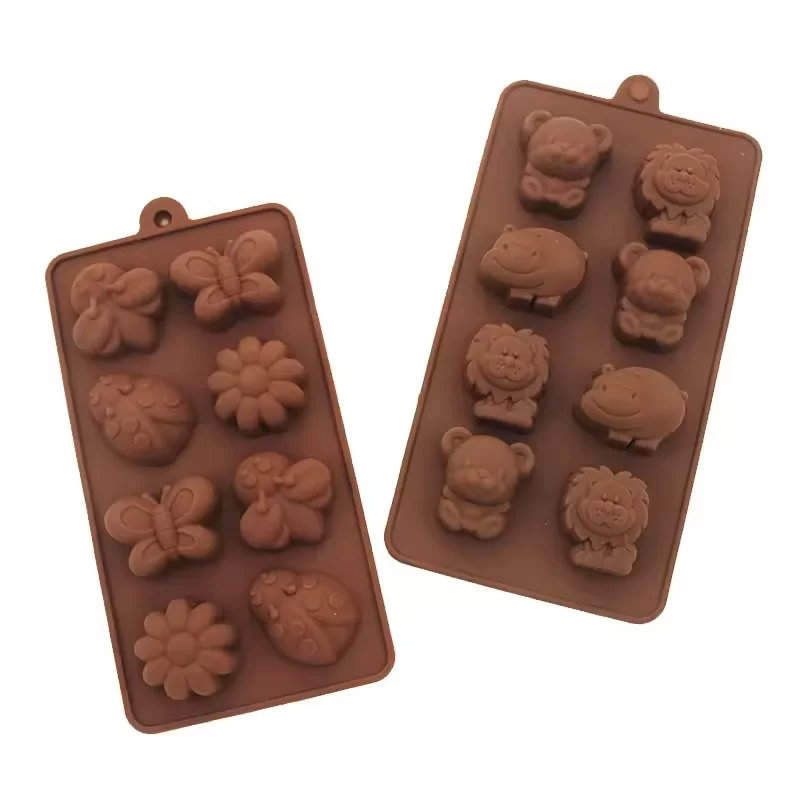
Silicone chocolate molds are shaping tools made of food-grade silicone (two-component addition-cure or condensation-cure silicone) via precision molding and high-temperature vulcanization. They feature softness, easy demolding, high-low temperature resistance, diverse shapes, reusability and safety, widely used in home DIY, small chocolate shops, dessert shops and gift customization. This article sorts out their definition, classification, usage and purchasing points, helping users use them scientifically and extend their service life.
Detailed Content

Definition and Core Functions

Definition and Core Functions
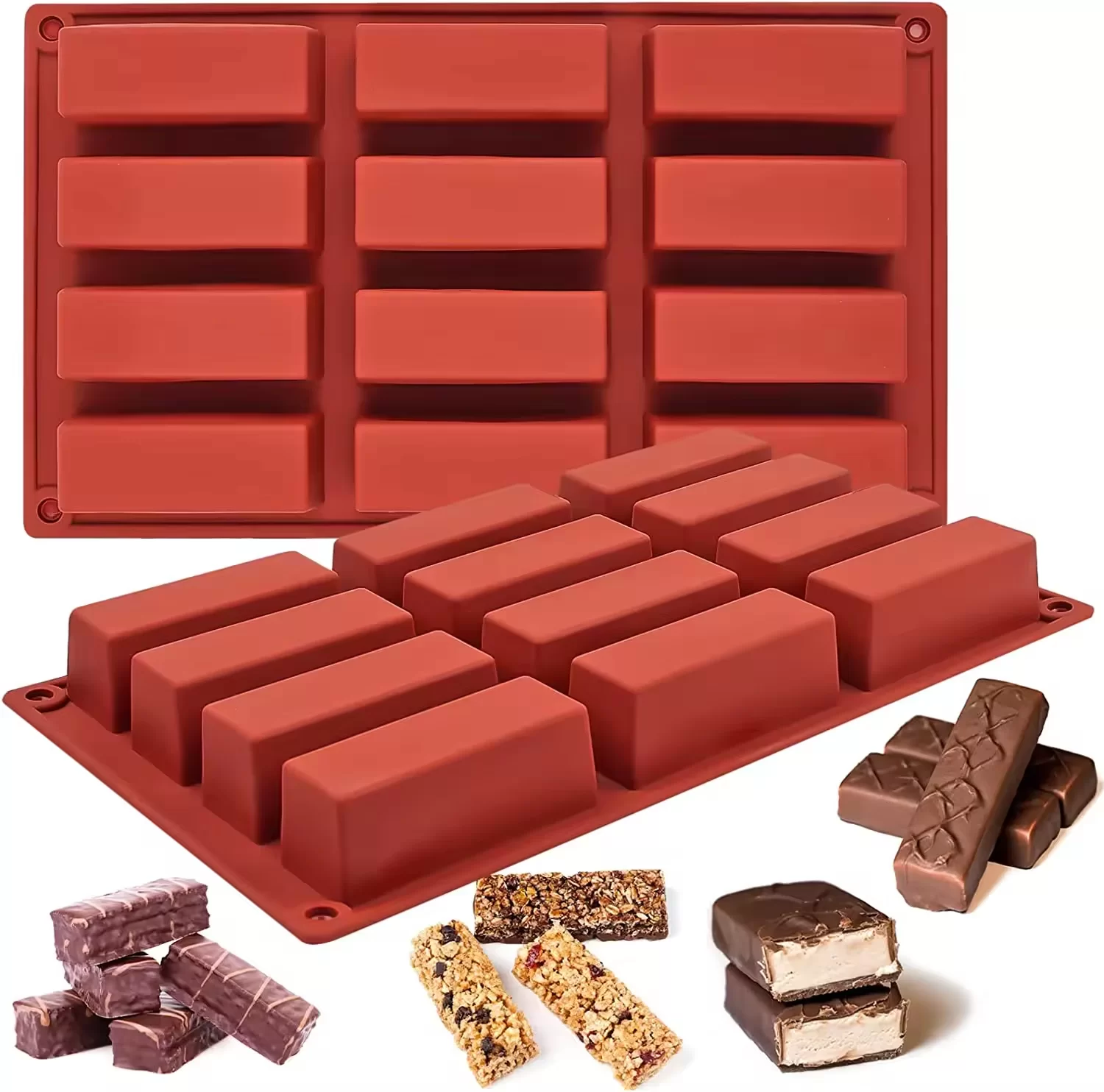
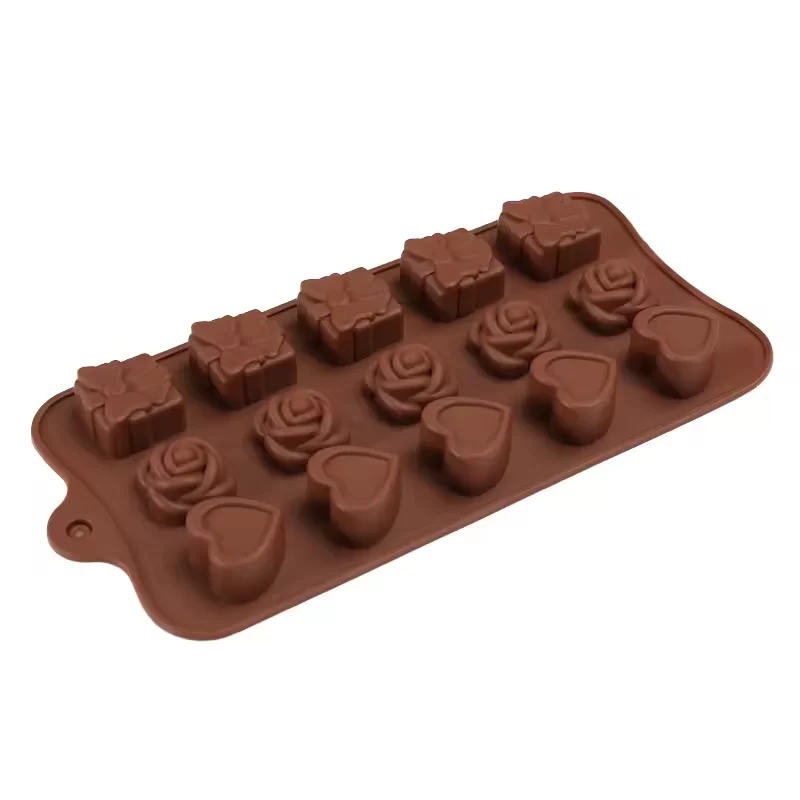
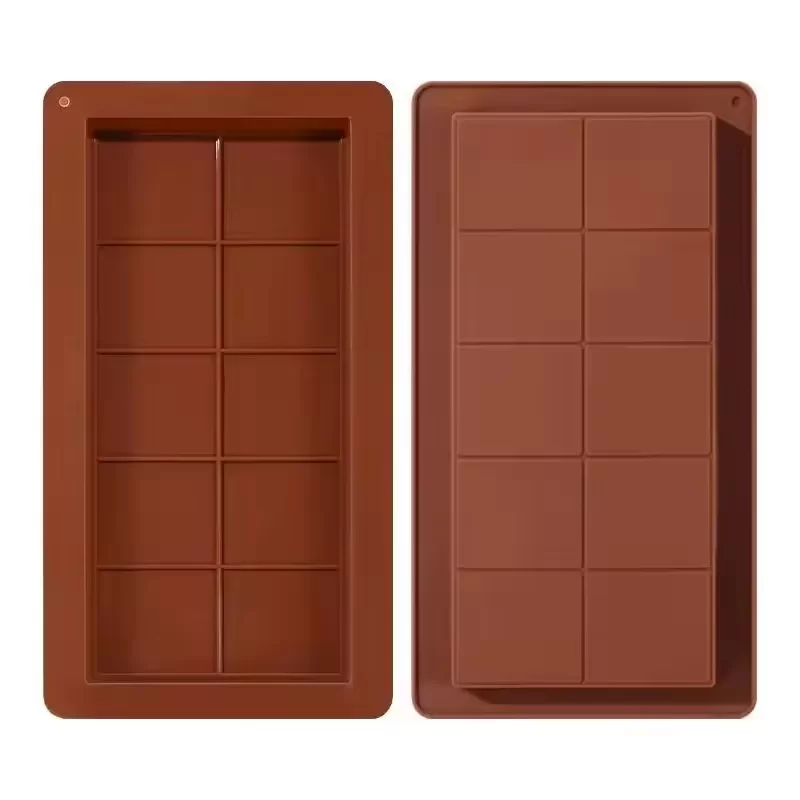
Silicone chocolate molds are shaping tools made of food-grade silicone through high-temperature vulcanization and precision molding. They have a silicone main body with shaped cavities, some with non-slip bases, sealing covers or filling ports. By injecting melted chocolate, freezing or cooling it to solidify, they can be easily demolded by stretching the silicone.
Core functions: ① Shaping chocolate into desired forms, accurately presenting delicate details for personalization and decoration; ② Easy demolding, no adhesion or damage, no need for excessive release oil; ③ Reusable, high-quality molds can be used dozens to hundreds of times, reducing production costs. Suitable for home baking enthusiasts and professional practitioners.

Classification and Functional Differences

Classification and Functional Differences
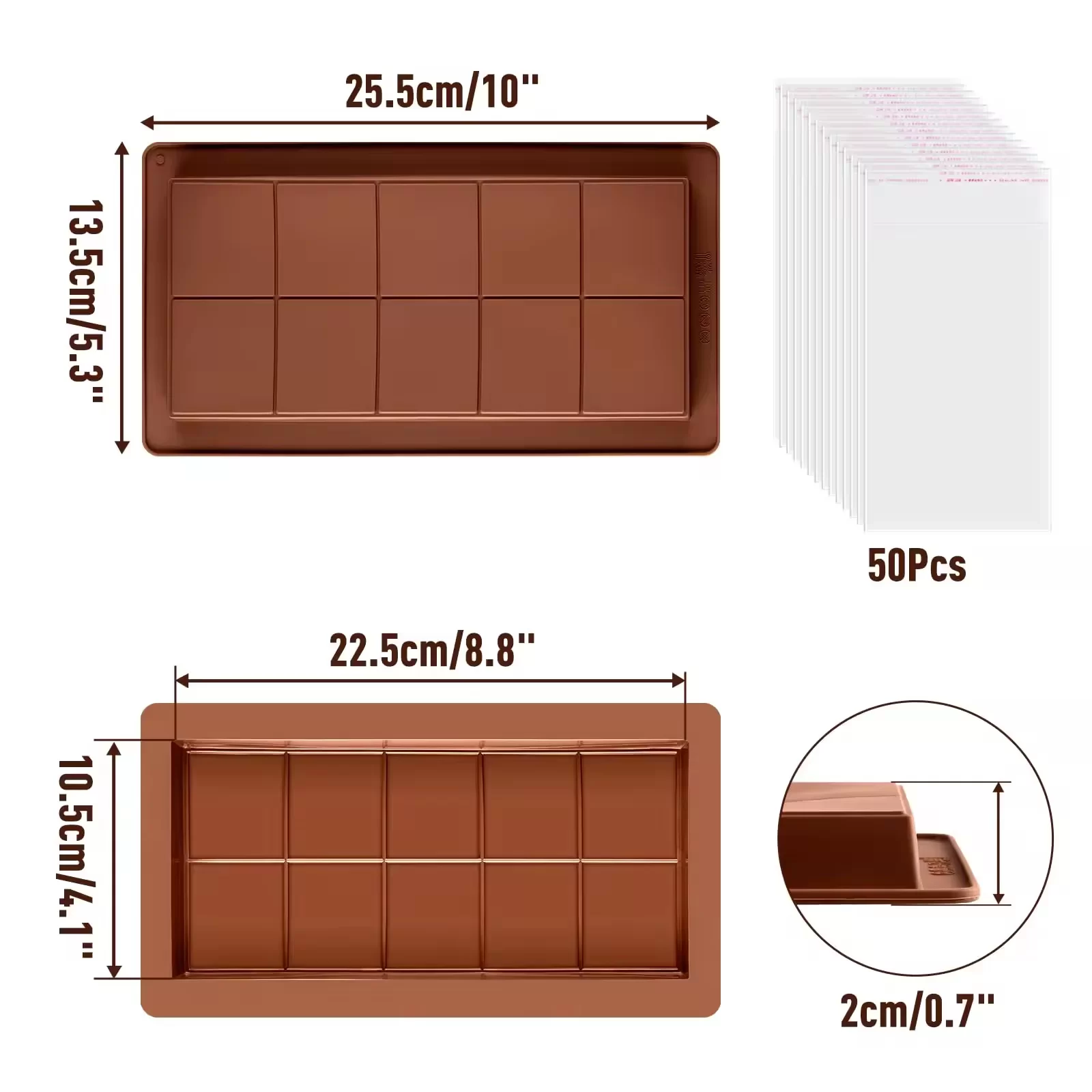
Basic Simple Type: Geometric/simple shapes (circle, square, heart), uniform thickness (0.5-0.8mm), easy to operate and clean, suitable for beginners to make basic chocolates and simple decorations.
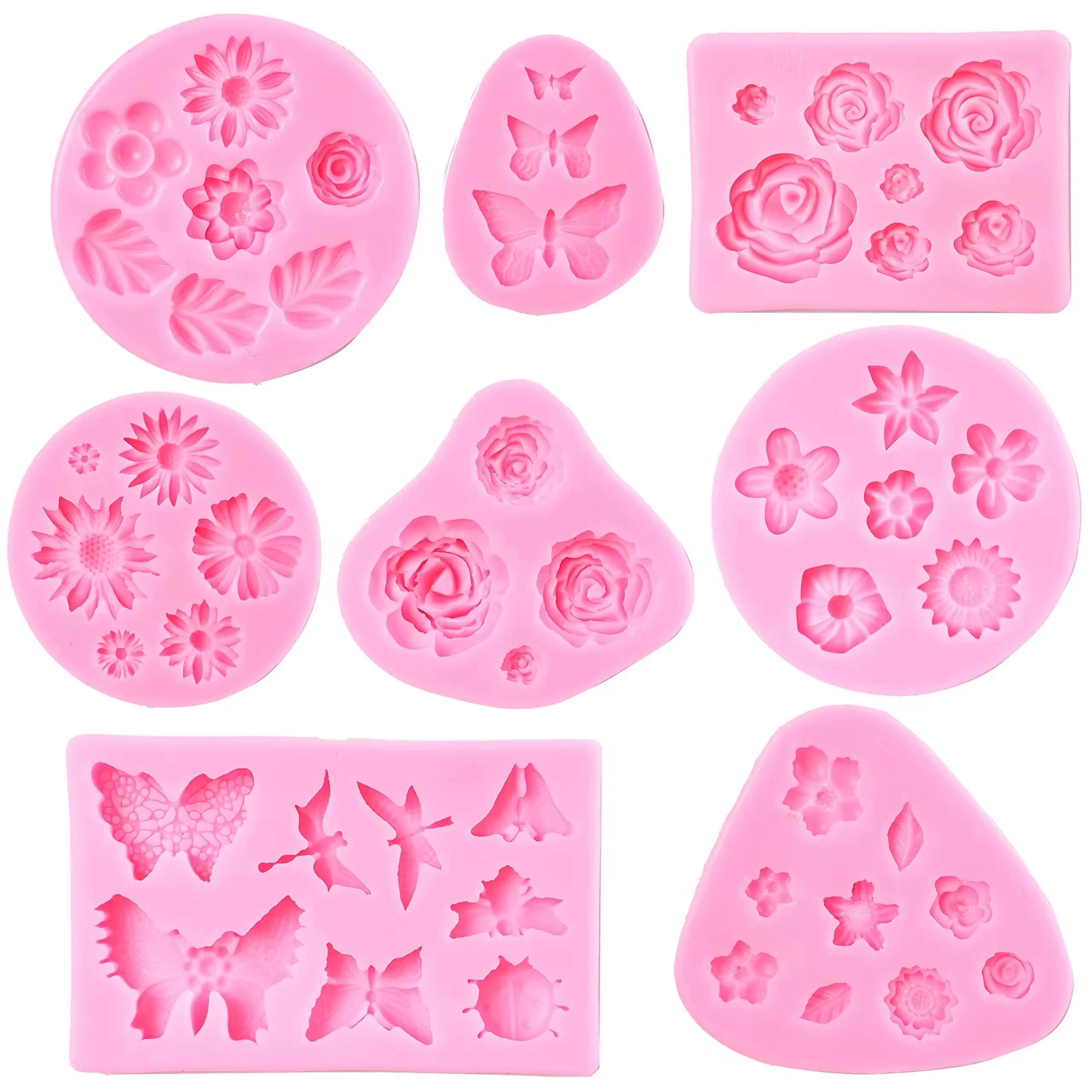
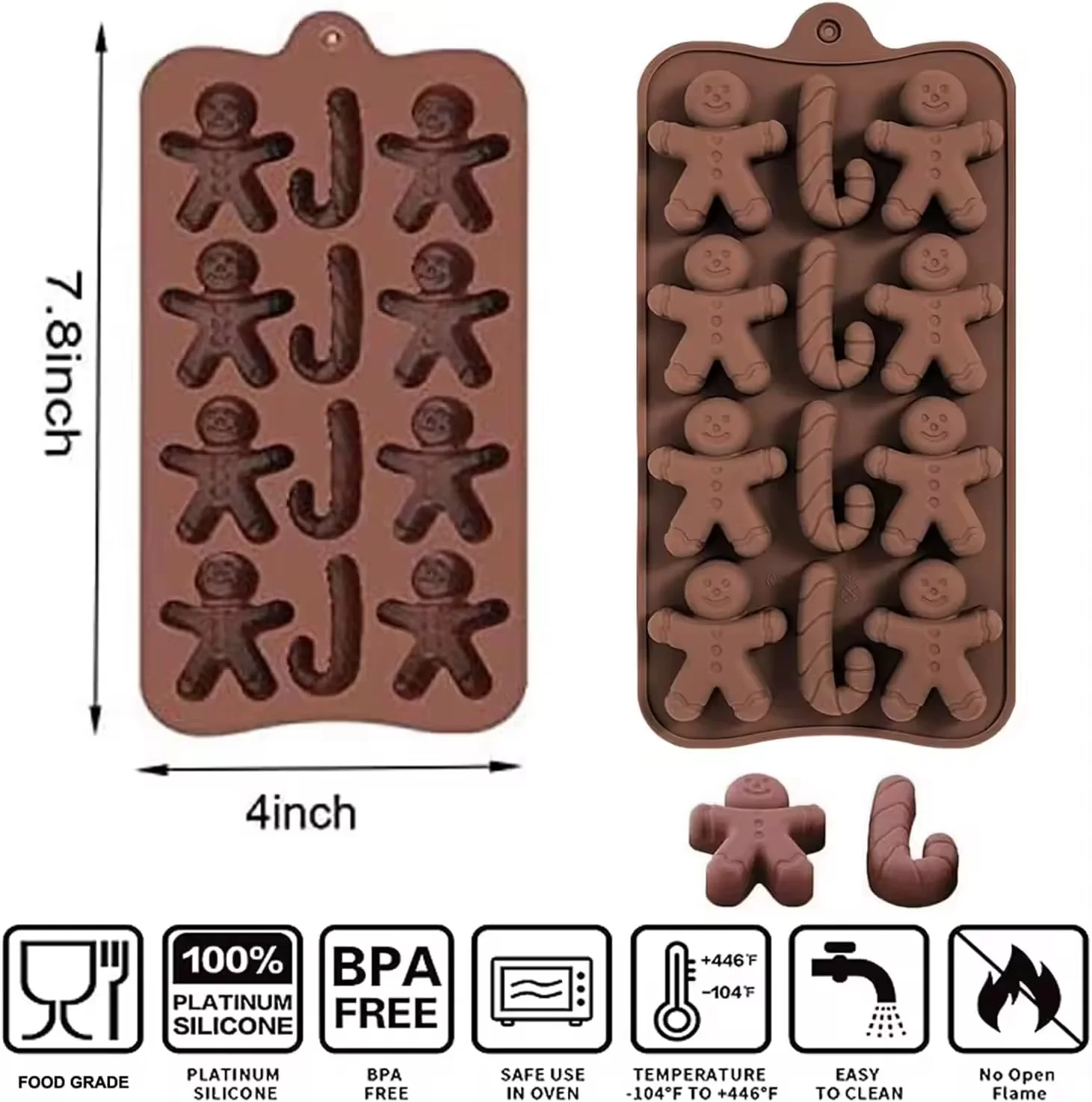
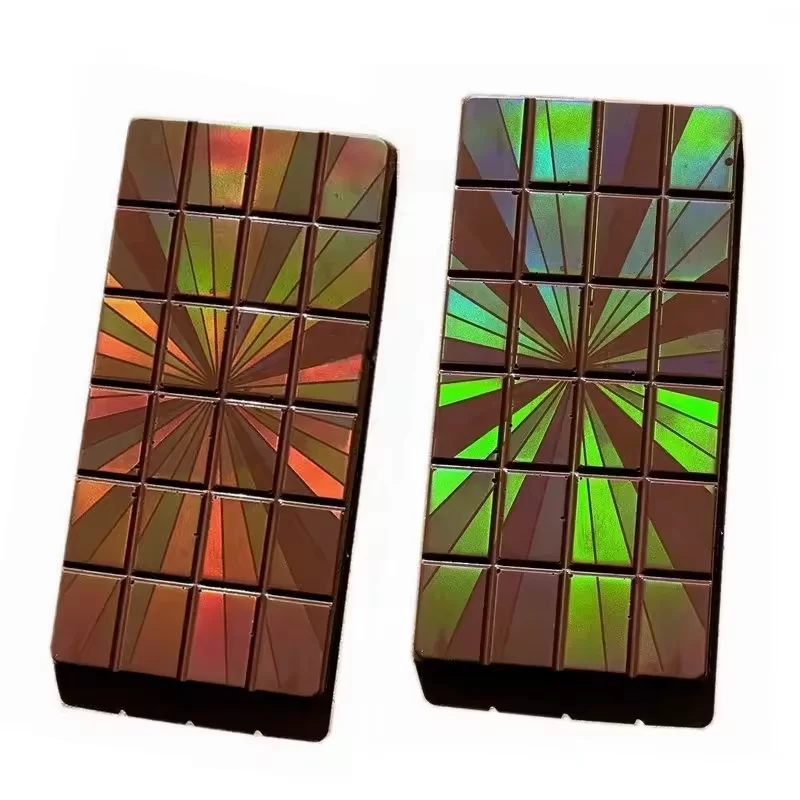
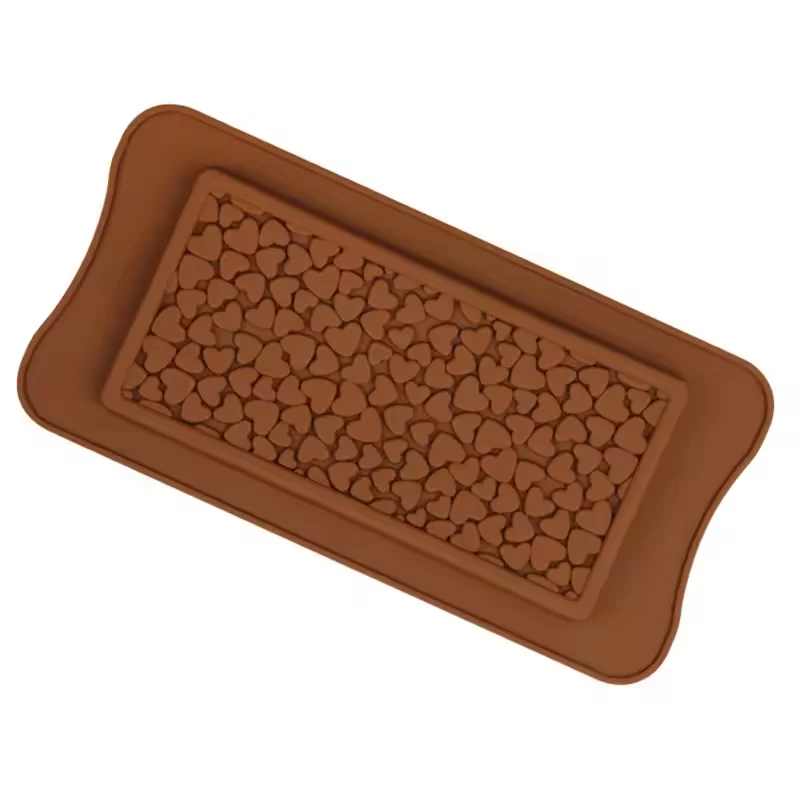
Shape Decorative Type: Delicate shapes (flowers, cartoons, reliefs), with hollow/layered designs, suitable for cake decoration, holiday gifts and DIY, producing high-looking chocolates.
Functional Type: With additional designs (multi-connected, non-slip base, sealed cover, filling port), suitable for mass production, fresh-keeping and easy cleaning.
Industrial-grade Type: High-purity food-grade silicone, thick (1.0-1.2mm), durable and high-precision, suitable for commercial scenarios (chocolate shops, dessert factories), FDA/LFGB certified.

Core Materials and Characteristics

 Core Materials and Characteristics
Two-component addition-cure silicone: 1:1 ratio, FDA/LFGB certified, temperature range -65℃ to 250℃, low shrinkage and high precision, suitable for high-end/professional use.
Food-grade condensation-cure silicone: Cost-effective, rapid molding, temperature range -40℃ to 200℃, easy to demold, suitable for home DIY and small-scale production.
Ordinary food-grade synthetic silicone: Low purity, narrow temperature range, easy to age in long-term heating/refrigeration, suitable for entry-level short-term use.
Modified food-grade silicone: With high-low temperature resistance and anti-sticking additives, suitable for functional/industrial-grade molds.
High-quality molds are soft, odorless, quick to rebound, smooth and with clear cavity lines; inferior ones are rough, smelly, easy to deform and may contain harmful substances.

Common Problems and Causes

Common Problems and Causes
Difficult demolding/adhesion: Premature demolding, no release oil, rough cavity, residual stains, or improper chocolate melting/cooling.
Deformation/cracking: Material aging, high temperature, forced stretching, excessive force, sharp scratches or incorrect silicone ratio.
Bubbly/rough chocolate: Fast injection, air mixing, residual stains, incomplete chocolate melting or uneven placement.
Yellowing/aging: Sunlight, chocolate oil/pigment, high temperature, organic solvent cleaning or damp storage.
Non-curing (two-component): Incorrect silicone ratio, uneven mixing, impure tools or low ambient temperature.
Odor/contamination: Inferior material, unwashed residues, bacterial growth or new mold odor.

Usage, Cleaning and Maintenance

Usage, Cleaning and Maintenance
Usage: Clean new molds (soak in warm water for 30 mins); apply thin release oil for complex molds; melt chocolate at 40-60℃, defoam and inject slowly; freeze at 0-5℃, stand 5-10 mins after taking out before demolding.
Cleaning: Wipe with soft cloth after use; soak in warm water (≤60℃) for stubborn stains; deep clean regularly; avoid sharp tools and organic solvents; remove yellowing with edible white vinegar.
Maintenance: Avoid sunlight and extreme temperature changes; store in dry food-grade box; replace if damaged, odorous or deformed.

Purchase Points

Purchase Points
Scenario matching: Basic type for beginners, decorative type for gifts, industrial type for mass production.
Material selection: Addition-cure for high-end/professional use, condensation-cure for daily DIY.
Quality check: Choose regular brands with FDA/LFGB certifications, no odor, good resilience, smooth cavity and clear lines.

Summary

Summary
Silicone chocolate molds are core tools for chocolate making, with easy demolding, high-low temperature resistance and diverse shapes. Their quality depends on silicone raw materials and processing. Mastering correct usage, cleaning and maintenance, and choosing suitable products can ensure safe production, extend service life and meet home DIY, commercial and gift customization needs.

  • Customization Advantages and Commitments
    Through flexible production processes and highly customized services, GYF provides global customers with adaptable and innovatively designed silicone products. Our customization capabilities extend beyond cross-sectional shapes and colors — we can fully adjust products based on your functional requirements (such as high-temperature resistance, flame retardancy, conductivity, anti-aging, etc.), ensuring every product perfectly fits your application scenarios and brand positioning.
  • GYF: Custom Extruded Silicone Products for High-Quality Solutions
    GYF is committed to providing high-quality customized extruded silicone products for various industries. With precise extrusion technology, efficient production processes, and strict quality control, we help customers enhance product competitiveness and meet stringent industry standards. Whether for medical, automotive, food-grade, consumer electronics, or industrial equipment sectors, we deliver personalized and innovative silicone solutions tailored to your specific needs.
  • Choosing GYF means unlocking greater value — you will gain:
    Long-term consistent production reliability
    Global certification support
    Fast market entry
    Multi-material integrated design for cost reduction and performance improvement
    Reduced defect rates and increased mass production returns
    Capability for mass-producing micro-sized and complex structural components
    Realization of differentiated product competitiveness
  • Choose GYF for Quality Advantages
    ✔ Full-process tracking: Material → Mold → Molding → Inspection → Packaging
    ✔ Automation reduces errors: Independent of manual quality control, suitable for global mass production
    ✔ Complete certifications for export support: FDA, ISO13485, IATF16949, ISO22000, etc.
    ✔ Strict testing ensures reliability: Applicable to high-demand markets such as medical-grade, industrial-grade, and automotive-grade
    ✔ Ultra-high batch consistency: Low defect rate and high efficiency to ensure the stability of customers' supply chains
ODM Silicone & Rubber Product