Hospital air filters are crucial components in maintaining sterile environments within healthcare facilities. These specialized filtration systems are designed to remove a wide range of airborne contaminants, including bacteria, viruses, dust particles, and allergens, protecting both patients and medical staff. The increasing prevalence of airborne diseases and the growing demand for infection control have made hospital air filter technology an essential aspect of modern healthcare infrastructure.
Globally, the need for effective hospital air filtration is becoming more urgent. Factors like rising pollution levels, increasing rates of antibiotic resistance, and the constant threat of pandemics necessitate advanced air purification solutions. Investment in and adherence to stringent air quality standards, such as those set by ASHRAE (American Society of Heating, Refrigerating and Air-Conditioning Engineers), are paramount in minimizing the spread of healthcare-associated infections (HAIs).
The efficacy of a hospital air filter directly impacts patient outcomes and the overall safety of the healthcare environment. Understanding the different types of filters, their performance capabilities, and the importance of proper maintenance is vital for healthcare administrators, facilities managers, and infection control professionals. Implementing a robust air filtration strategy is no longer a luxury, but a necessity for delivering quality patient care.
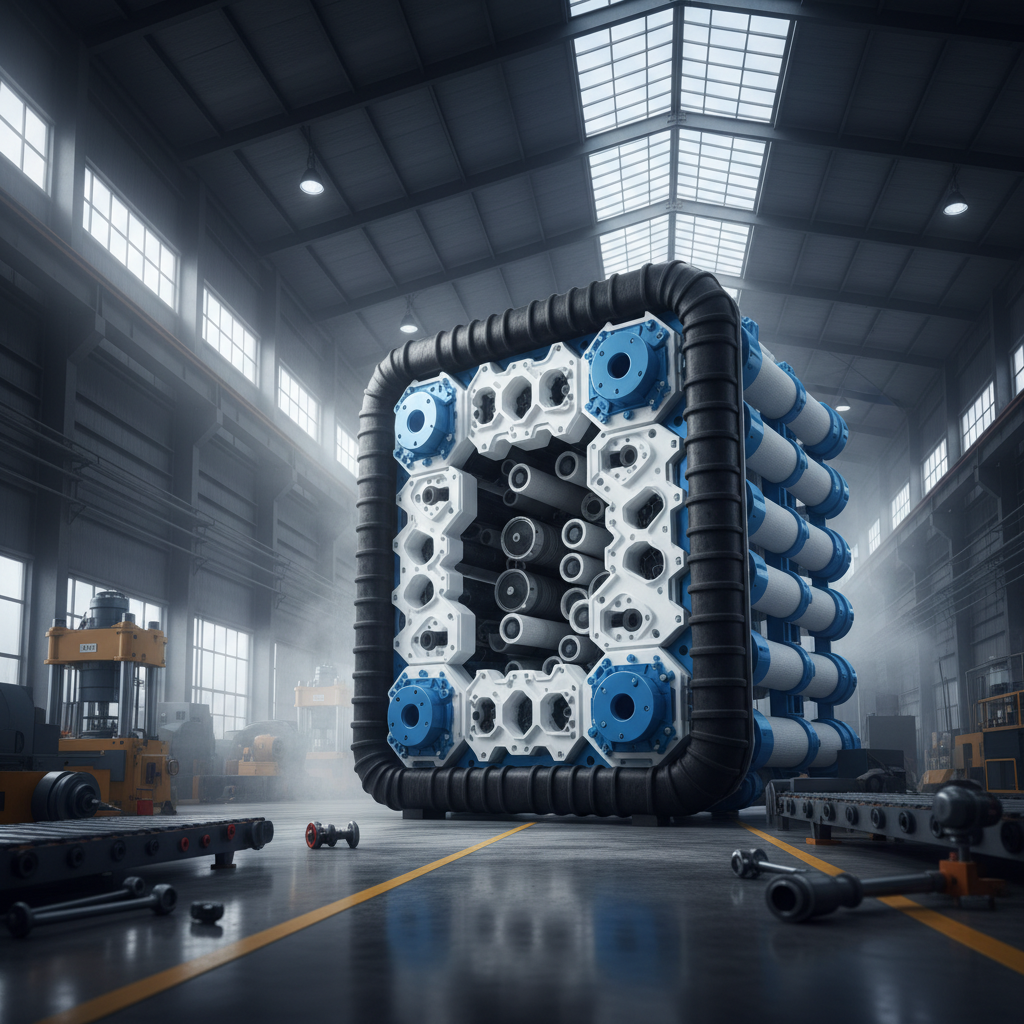
Introduction to Hospital Air Filters
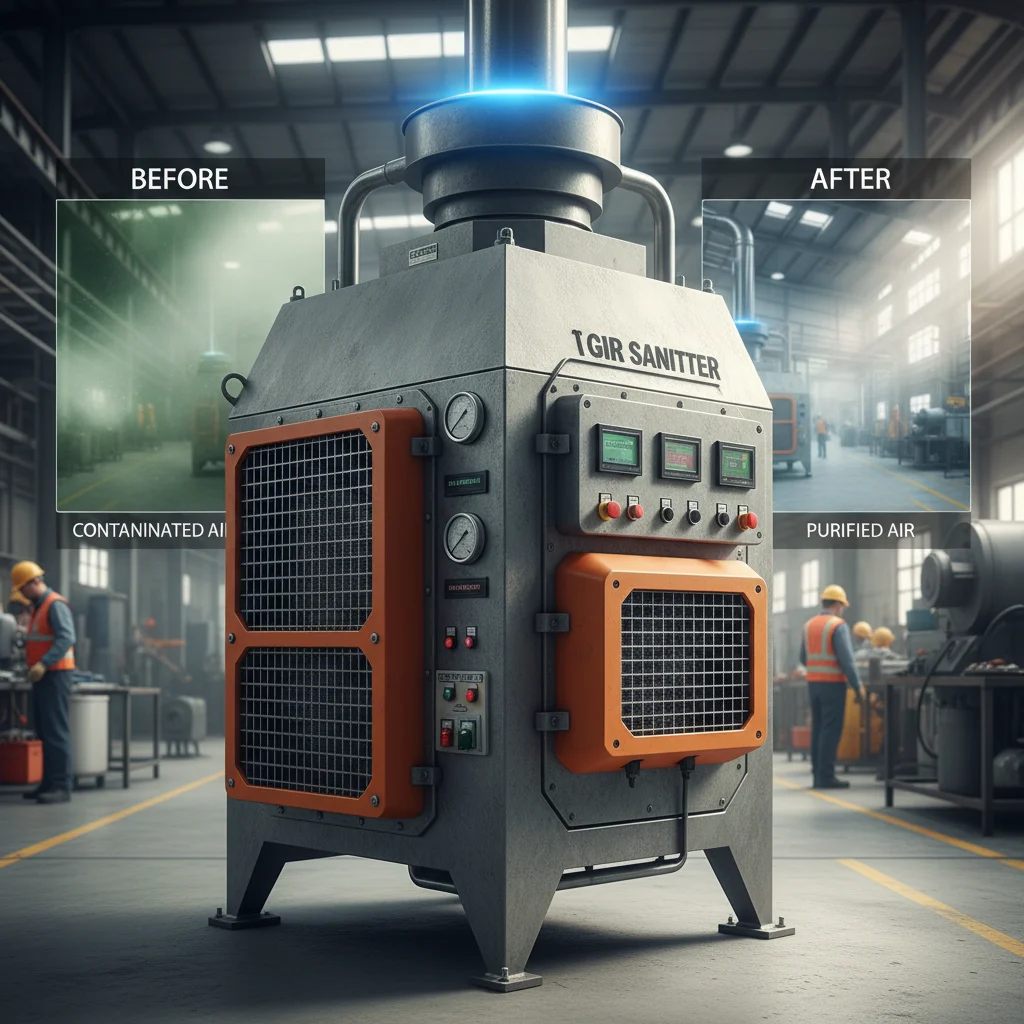
Hospital air filters are specifically designed to maintain the highest levels of air quality within healthcare settings. Unlike standard air filters, they address the unique demands of medical environments, where the presence of airborne pathogens can have severe consequences. These filters play a critical role in preventing the spread of infections, protecting vulnerable patients, and ensuring a safe working environment for medical personnel.
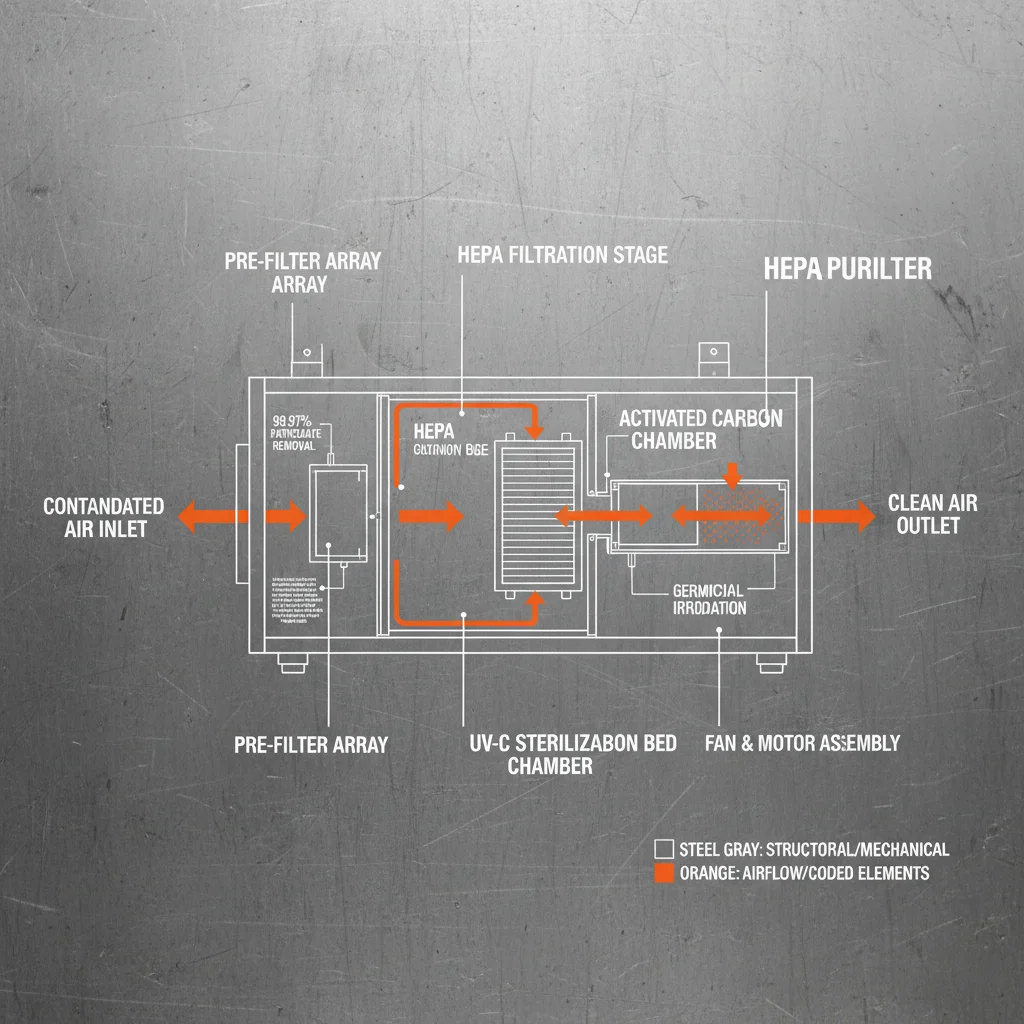
Selecting the appropriate hospital air filter is a complex process that requires careful consideration of factors such as filter efficiency, airflow resistance, and compatibility with existing HVAC systems. Different filter types, including HEPA (High-Efficiency Particulate Air) filters and ULPA (Ultra-Low Penetration Air) filters, offer varying levels of protection against different sized particles. Regular monitoring and replacement of filters are essential to maintain optimal performance and ensure continued air quality.
The Global Importance of Hospital Air Filtration
The need for robust hospital air filtration extends far beyond individual facilities; it's a global public health concern. According to the World Health Organization (WHO), healthcare-associated infections (HAIs) affect millions of patients worldwide each year, leading to significant morbidity and mortality. Poor air quality in hospitals is a major contributing factor to the transmission of these infections. Investing in effective air filtration systems is therefore a critical component of global infection control strategies.
Furthermore, the increasing threat of emerging infectious diseases, such as COVID-19, has underscored the importance of airborne infection control. The United Nations Sustainable Development Goals (SDGs), specifically Goal 3 (Good Health and Well-being), are directly impacted by the quality of healthcare infrastructure, including air filtration systems. The implementation of advanced air purification technologies is essential for building resilient healthcare systems capable of responding to future pandemics.
The cost of inaction is substantial. HAIs not only pose a direct threat to patient health but also contribute to increased healthcare costs, longer hospital stays, and higher mortality rates. Implementing comprehensive hospital air filtration strategies can significantly reduce these costs while simultaneously improving patient outcomes. This makes investment in air filtration a financially sound as well as ethically responsible decision.
Defining Hospital Air Filters
A hospital air filter is a specialized component of a heating, ventilation, and air conditioning (HVAC) system designed to remove airborne contaminants from the air circulating within a healthcare facility. Unlike residential or commercial air filters, hospital air filters are engineered to capture microscopic particles, including bacteria, viruses, fungal spores, and dust mites, with a high degree of efficiency. This is typically measured using a MERV (Minimum Efficiency Reporting Value) rating, with hospital-grade filters generally requiring a MERV rating of 13 or higher.
These filters are crucial for maintaining sterile operating rooms, isolation wards, and other sensitive areas within hospitals. Their purpose extends beyond simply improving air quality; they directly contribute to minimizing the risk of healthcare-associated infections (HAIs) and protecting vulnerable patients. Different types of hospital air filters, such as HEPA and ULPA filters, offer varying levels of filtration efficiency to meet specific needs.
Modern hospital air filters are becoming increasingly sophisticated, incorporating features such as antimicrobial coatings and electrostatic charge to enhance their effectiveness. The selection of the appropriate filter type is a critical decision, taking into account the specific needs of the healthcare facility and the potential airborne contaminants present. Proper installation, maintenance, and monitoring are also essential to ensure optimal performance and long-term efficacy.
Key Factors in Hospital Air Filter Performance
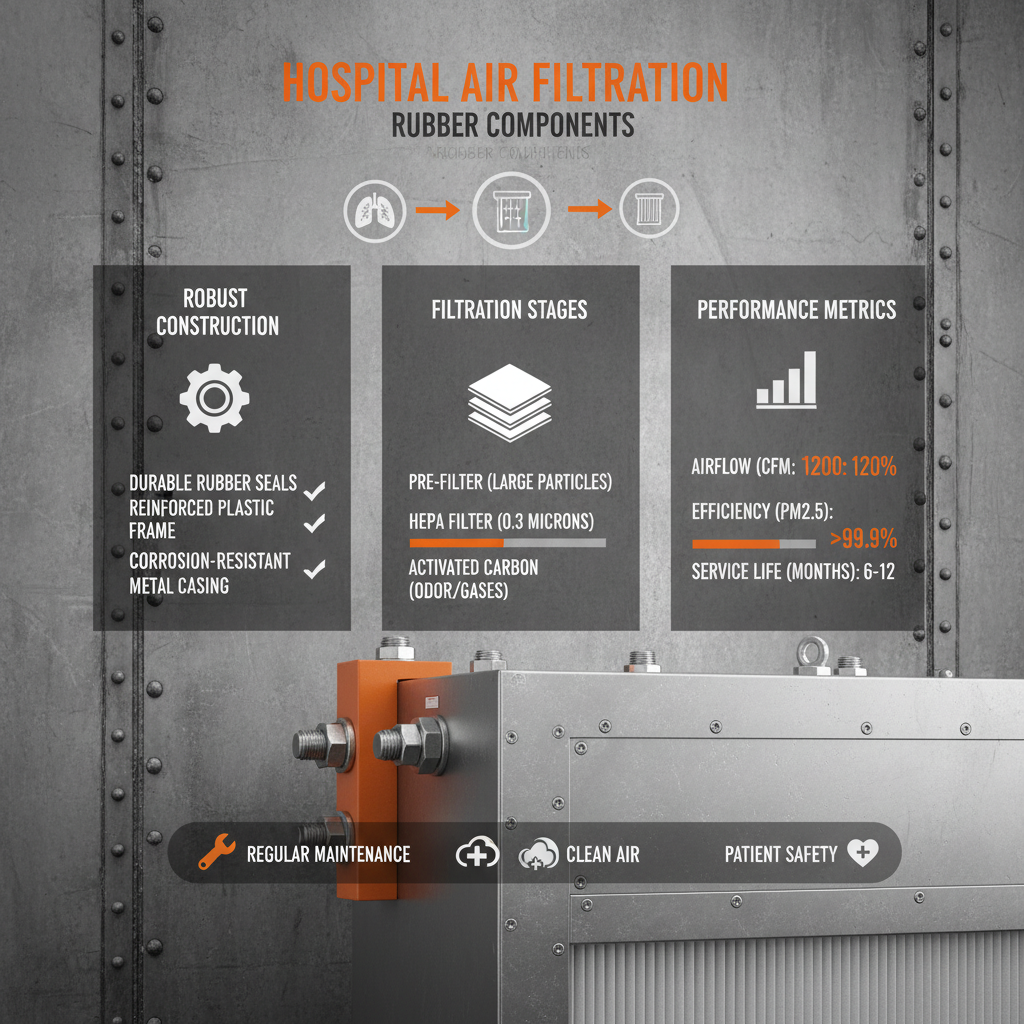
Several key factors determine the performance and effectiveness of a hospital air filter. Filter efficiency, measured by its ability to capture particles of different sizes, is paramount. HEPA filters, for example, are designed to remove at least 99.97% of particles 0.3 microns in diameter. Airflow resistance, or pressure drop, is another critical consideration, as high resistance can reduce HVAC system efficiency.
Filter lifespan and maintenance requirements also play a significant role. Filters must be replaced regularly to maintain optimal performance, and the frequency of replacement depends on factors such as air quality and filter type. Durability and construction quality are essential to prevent filter damage and ensure consistent performance. The ability to withstand harsh environments and resist microbial growth are also important considerations.
Hospital Air Filter Performance Metrics
Global Applications of Hospital Air Filters
Hospital air filters are utilized across a wide spectrum of healthcare facilities worldwide, including general hospitals, specialized clinics, operating theaters, and intensive care units. They are essential in preventing the spread of airborne pathogens in areas with high patient density and vulnerable populations. In post-disaster relief operations, portable air filtration units are deployed to provide clean air in temporary medical facilities.
The implementation of hospital air filtration systems is particularly crucial in regions with high levels of air pollution or prevalent infectious diseases. For instance, in many developing countries, where access to clean air is limited, hospitals rely heavily on air filtration to protect patients and staff. Furthermore, research laboratories and pharmaceutical manufacturing facilities utilize advanced air filtration to maintain sterile environments and prevent contamination.
Advantages and Long-Term Value
The advantages of investing in high-quality hospital air filters extend far beyond simply improving air quality. Reduced healthcare-associated infection rates translate to lower treatment costs, shorter hospital stays, and improved patient outcomes. Investing in robust air filtration demonstrates a commitment to patient safety and enhances the reputation of the healthcare facility.
From a sustainability perspective, efficient air filtration can reduce energy consumption by minimizing the strain on HVAC systems. The long-term value lies in creating a safer, healthier environment for both patients and staff, fostering trust and confidence in the healthcare provider. Choosing filters from a reputable manufacturer, like hospital air filter, guarantees product quality and performance.
Future Trends in Hospital Air Filtration
The future of hospital air filtration is poised for significant innovation. Advancements in nanomaterials and filter technology are leading to the development of filters with enhanced efficiency and antimicrobial properties. Smart air filtration systems, incorporating sensors and data analytics, will enable real-time monitoring of air quality and automated filter adjustments.
Integration with Building Management Systems (BMS) will allow for centralized control and optimization of air filtration systems, improving energy efficiency and reducing operational costs. Furthermore, the growing focus on sustainability is driving demand for eco-friendly filter materials and disposal methods. The continued development of portable and modular air filtration units will provide greater flexibility and adaptability in response to emerging health threats.
Challenges and Solutions
Despite the advancements in hospital air filtration technology, several challenges remain. The high initial cost of implementing advanced filtration systems can be a barrier for some healthcare facilities. Maintaining consistent filter performance requires ongoing monitoring and replacement, which can be resource-intensive. Ensuring proper installation and ventilation system compatibility is also crucial for optimal effectiveness.
Solutions include exploring cost-effective filter options without compromising performance, implementing proactive maintenance programs, and providing comprehensive training for facilities personnel. Collaboration between healthcare providers, filter manufacturers, and HVAC engineers is essential for developing customized air filtration solutions tailored to specific facility needs. Utilizing life cycle cost analysis can demonstrate the long-term economic benefits of investing in high-quality air filtration.
Addressing these challenges will require a multi-faceted approach that combines technological innovation, proactive maintenance practices, and collaborative partnerships. Continuous improvement and adaptation are key to ensuring that hospital air filtration systems remain effective in protecting patients and staff from airborne threats.
Summary Table of Hospital Air Filter Solutions
| Challenge |
Solution |
Implementation Cost (1-10) |
Effectiveness (1-10) |
| High Initial Investment |
Phased Implementation & Leasing Options |
6 |
7 |
| Maintaining Filter Performance |
Scheduled Maintenance & Sensor Monitoring |
4 |
9 |
| Installation & Compatibility Issues |
Professional HVAC Assessment & Installation |
7 |
8 |
| Air Leakage Around Filters |
Proper Sealing & Filter Frame Integrity |
3 |
6 |
| Limited Staff Training |
Comprehensive Training Programs & Documentation |
5 |
8 |
| Lack of Real-Time Monitoring |
Implementation of Smart Air Quality Sensors |
8 |
9 |
FAQS
HEPA filters are significantly more effective at capturing microscopic particles than standard air filters. HEPA filters must remove at least 99.97% of particles 0.3 microns in size, making them ideal for healthcare settings where infection control is paramount. Standard filters typically have lower MERV ratings and are not designed to capture such small particles. Choosing a HEPA filter is a critical step in ensuring a sterile hospital environment.
The frequency of air filter replacement depends on several factors, including the type of filter, the air quality in the environment, and the level of usage. Generally, HEPA filters should be replaced every 6-12 months, while less efficient filters may need replacement every 30-90 days. Regular monitoring of filter pressure drop and visual inspection for dirt and debris are crucial for determining the optimal replacement schedule. hospital air filter offers maintenance guidance.
For most hospital applications, a MERV rating of 13 or higher is recommended. MERV 13 filters can capture a significant percentage of airborne bacteria and viruses. Operating rooms and isolation wards may require even higher MERV ratings, such as MERV 16 or 17. Always consult with HVAC professionals and infection control specialists to determine the appropriate MERV rating for specific areas within the hospital.
Air filters can affect HVAC system efficiency by creating airflow resistance, known as pressure drop. High-efficiency filters typically have higher pressure drops, which can increase energy consumption. However, the benefits of improved air quality often outweigh the increased energy costs. Selecting filters with a balance of efficiency and airflow resistance is essential for optimizing HVAC system performance.
Yes, increasingly, sustainable air filter options are becoming available. These include filters made from recycled materials, biodegradable filter media, and filters designed for longer lifespans. Choosing sustainable filters can reduce environmental impact and contribute to a healthcare facility's overall sustainability goals. Look for certifications and labels that verify the environmental credentials of the filters.
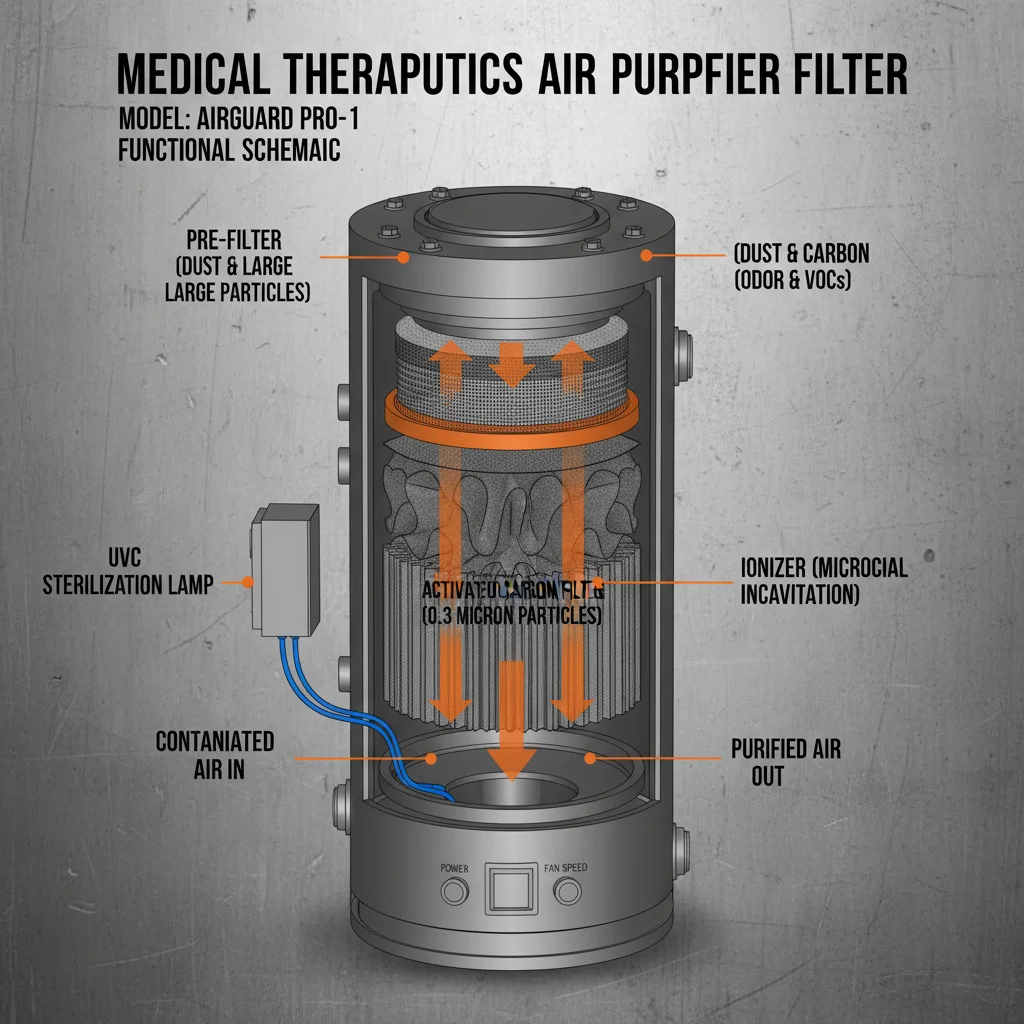
UV-C lights can be used in conjunction with air filters to provide an additional layer of disinfection. UV-C light can kill bacteria, viruses, and other microorganisms that may pass through the filter. However, UV-C light alone is not sufficient for comprehensive air purification and should be used as a supplement to, not a replacement for, effective air filtration. Proper design and safety precautions are essential when using UV-C technology.
Conclusion
Hospital air filters are indispensable components of modern healthcare infrastructure, playing a critical role in protecting patients, staff, and visitors from airborne contaminants. From reducing the risk of healthcare-associated infections to enhancing overall air quality, the benefits of investing in high-quality air filtration are substantial. Understanding the different types of filters, their performance characteristics, and the importance of proper maintenance is essential for healthcare professionals.
Looking ahead, continued innovation in air filtration technology, coupled with a growing emphasis on sustainability and infection control, will drive further advancements in this vital field. Healthcare facilities should prioritize the implementation of comprehensive air filtration strategies to ensure a safe, healthy, and resilient environment for all. For superior hospital air filtration solutions, visit our website at www.gyfsilicone.com.