
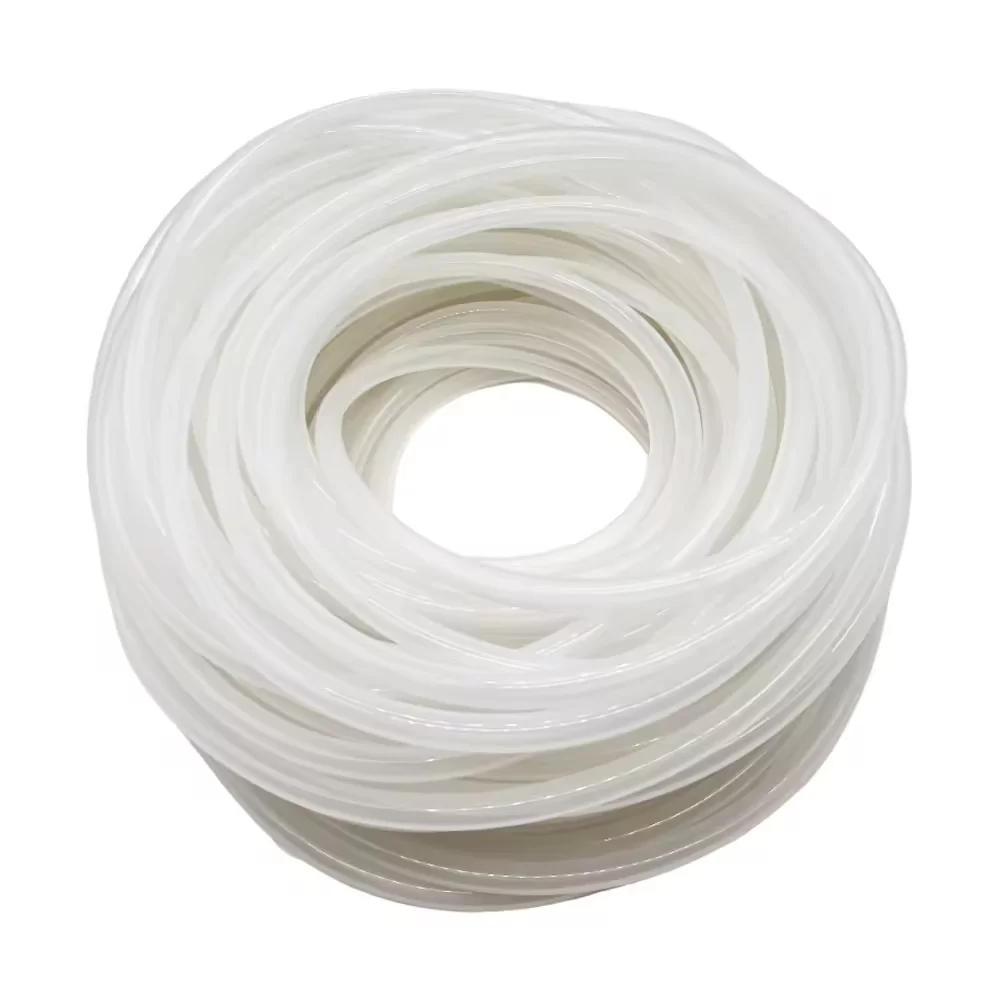
The United States industrial landscape maintains a strict requirement for material durability and compliance, particularly in regions with diverse climatic conditions. For components like the Extruded Silicone Tube, the emphasis is often on thermal stability and chemical resistance to withstand varying operational temperatures across different states. This demand is fueled by a sophisticated manufacturing base that prioritizes long-term reliability over short-term cost reduction.
In the healthcare and food processing sectors, the adoption of Medical-Grade Silicone Tube and food-safe alternatives has become a standard for risk mitigation. US procurement officers typically look for stringent certifications such as FDA and ISO13485 to ensure that components do not leach contaminants. This shift toward high-purity materials is evident in the proliferation of specialized tools and consumable parts used in advanced medical facilities and automated food production lines.
Furthermore, the trend toward sustainable consumer products has increased the demand for reusable alternatives, such as the Silicone Straw, reflecting a broader cultural move toward reducing single-use plastics. From an industry perspective, this requires manufacturers to balance high-volume output with precise quality control, utilizing advanced molding technology to meet the aesthetic and functional expectations of the North American consumer market.