


Manufacturers face critical hurdles in sourcing high-stability rubber components that meet strict international regulatory standards.
Local firms often struggle to find suppliers whose products carry verified FDA or ISO13485 certifications, leading to delays in medical and food-grade product approvals within the Sri Lankan market.
Inconsistent extrusion processes lead to tube wall thickness variations, causing leakage or fitting failures in precision structural components used in electronics and automotive assemblies.
Reliance on distant mold makers often results in lengthy development cycles, preventing Sri Lankan businesses from responding quickly to shifting consumer demands in the wearables sector.
Poor quality silicone often fails under the high humidity and temperature conditions of the South Asian climate, leading to premature hardening or loss of elasticity in door strips.
Fragmented sourcing leads to inconsistent batch quality, forcing operators to implement expensive secondary inspections to ensure every component meets the required hardness and purity.
Small to medium-scale projects often face prohibitive minimum order quantities or excessive setup fees when requesting specialized Medical-Grade Silicone Tube designs.
We resolve manufacturing bottlenecks through a complete industrial chain from R&D to precision delivery.
By maintaining ISO9001, ISO13485, and FDA certifications, we provide fully traceable components that guarantee immediate compliance for Sri Lankan medical and food exporters.
Our 12 advanced extrusion lines utilize closed-loop monitoring to ensure strict dimensional tolerances, eliminating fitting failures in Extruded Silicone Tube applications.
With a dedicated mold department producing 30–100 sets monthly, we reduce the prototype-to-production cycle, allowing for agile product launches in smart wearables.
We utilize high-stability polymer formulations that resist UV and thermal degradation, ensuring Silicone Door Strip longevity in tropical environments.
Four production bases across China and Thailand ensure redundant supply capacity, mitigating regional logistics risks and providing stable delivery schedules for global clients.
Leveraging 138 hydraulic presses and 50 liquid injection machines, we optimize production paths to offer cost-effective scaling for specialized silicone components.
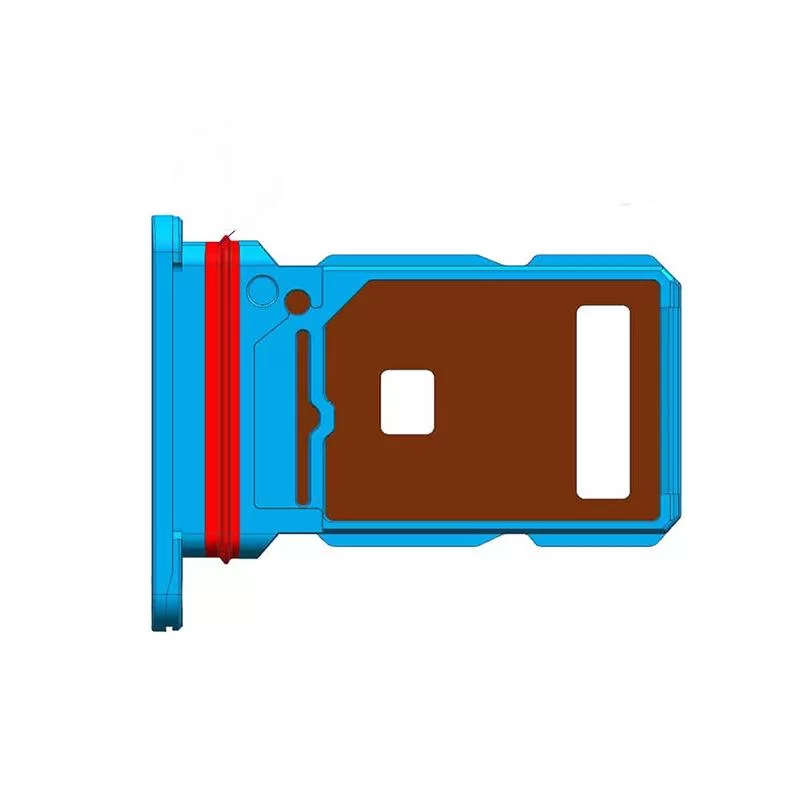
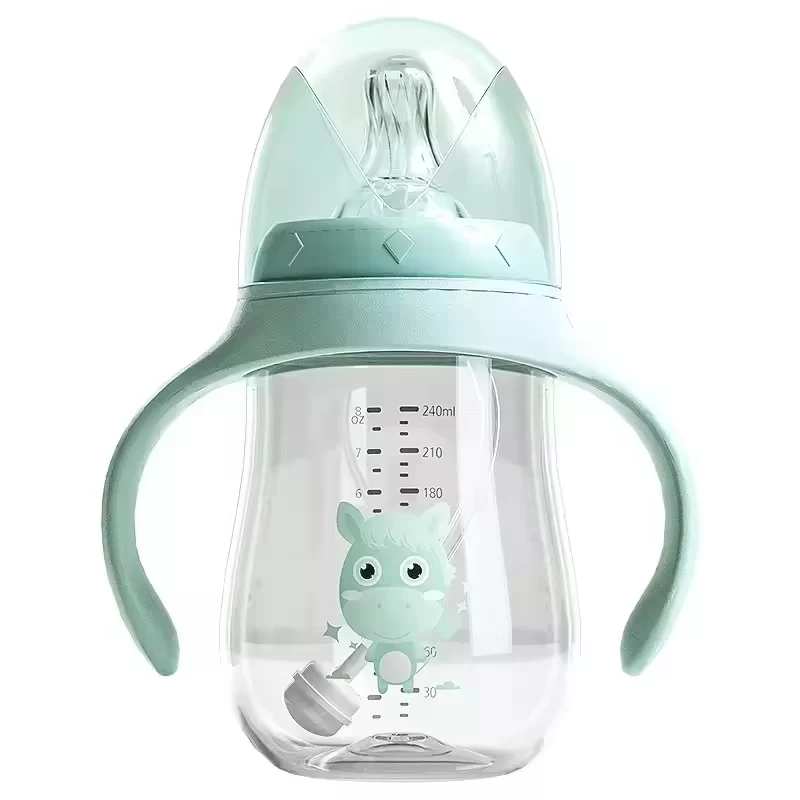
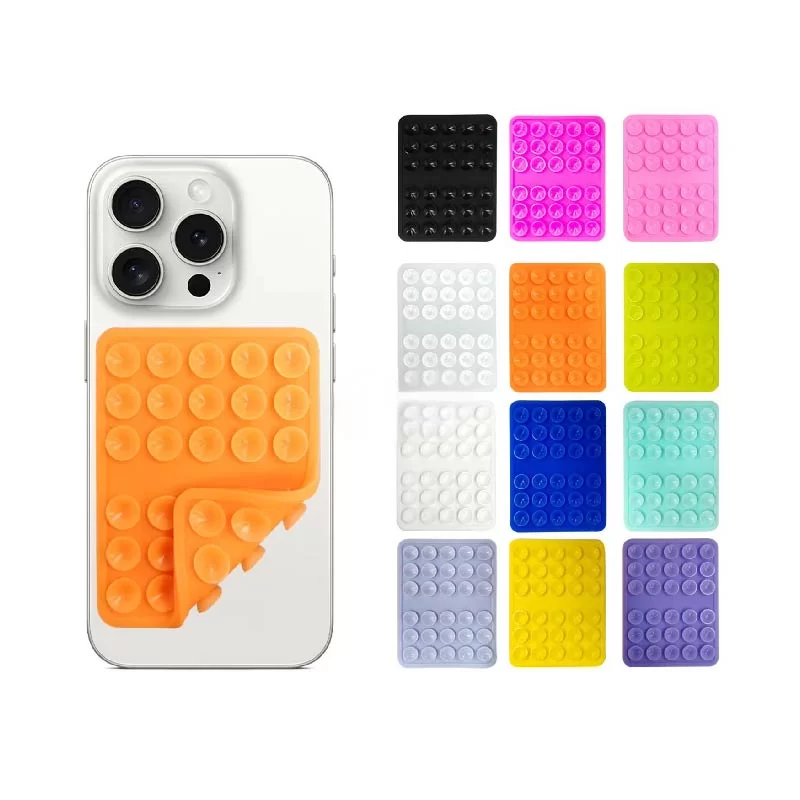
Quantifiable infrastructure supporting high-volume, precision-critical silicone production.
Evaluating the intersection of industrial growth and material science requirements in the South Asian region.
The Sri Lankan industrial sector is currently experiencing a transition toward high-precision manufacturing, particularly in medical devices and food processing equipment. Given the country's strategic position as a trade hub in Asia, there is an increasing demand for components that adhere to global safety standards. However, the local rubber industry, while strong in natural rubber, often lacks the specialized infrastructure for high-end synthetic silicone extrusion. This creates a dependency on international partners who can provide certified, medical-grade materials that resist contamination and maintain structural integrity under rigorous sterilization processes.
Market trends indicate a significant shift toward "smart" integration in household and office supplies, driving the need for precision-molded silicone structural components. In the healthcare sector, the adoption of more sophisticated delivery systems has increased the search for high-purity Food-Grade Silicone Tube and medical tubing. Furthermore, the automotive and construction sectors are prioritizing energy efficiency and noise reduction, which has spurred a growing requirement for high-durability silicone door strips that can withstand intense tropical humidity without losing their sealing properties.
The primary opportunity for growth lies in the convergence of sustainable manufacturing and high-performance materials. As Sri Lankan enterprises seek to enter European and North American markets, the necessity for IATF16949 and ISO13485 certified suppliers becomes critical. The main constraint remains the gap between basic rubber molding and high-precision liquid silicone rubber (LSR) injection. Moving forward, the outlook suggests a move toward highly customized, low-volume, high-complexity silicone solutions that enable local brands to innovate in the wearable tech and precision medical fields.
From basic rubber forming to advanced, multi-certified application solutions.
The industry has shifted from general-purpose rubber to highly specialized, medical-grade silicones. This evolution was driven by the need for non-reactive materials in healthcare, resulting in the widespread adoption of platinum-cure systems that eliminate toxic by-products.
Manual monitoring has been replaced by AI-driven sensor arrays and automated cutting systems. This change ensures that Silicone Straw and tubing production maintain micron-level consistency across millions of units.
The separation of mold making and production previously caused long delays. The modern trend is the integration of in-house mold departments, enabling rapid iterative design and reducing time-to-market for customized industrial components.
Analyzing the technical and operational shifts redefining the global silicone supply chain.
The development of conductive and thermally responsive silicones is enabling new functions in smart wearables, allowing for seamless sensor integration within rubber housings.
Manufacturers are adopting advanced recycling for silicone scrap, utilizing devulcanization techniques to reduce raw material waste and lower the carbon footprint of high-volume extrusion.
Increasing demand for minimally invasive surgical tools is driving the extrusion of micro-bore tubing with extreme wall-thickness precision and high burst-pressure resistance.
The shift toward hypoallergenic silicone formulations is expanding usage in infant care and long-term implantable devices, requiring stringent leachables and extractables testing.
The acceleration of Industry 4.0 is fundamentally altering how silicone products are designed and produced. The integration of digital twins allows manufacturers to simulate the extrusion process and thermal curing cycles before any physical material is used, drastically reducing the cost of innovation. For companies in Sri Lanka, this means the ability to source highly optimized components that have been virtually tested for their specific operational environment, ensuring that the final product performs reliably in the field.
Beyond technical specs, the supply chain is evolving toward "Quality-at-Source." This approach emphasizes rigorous in-line testing and automated optical inspection (AOI), ensuring that every meter of extruded tube or every molded part is verified in real-time. As global brands like Samsung and Huawei push for tighter tolerances, the ability to provide data-backed quality reports becomes as important as the physical product itself, creating a new standard for trust in rubber manufacturing.
How high-performance rubber solutions solve real-world operational challenges across diverse sectors.
In the assembly of specialized diagnostic equipment, precision is paramount. Operators often face issues with tube kinking or leaching. By implementing platinum-cure Medical-Grade Silicone Tube, manufacturers ensure bio-compatibility and constant flow rates, which are critical for patient safety and device accuracy in clinical settings.
Processing plants exporting fruit juices and coconut products require tubing that resists organic acids and frequent steam sterilization. Using Food-Grade Silicone Tube prevents flavor contamination and avoids the degradation common in low-grade plastics, ensuring the final product meets international food safety standards.
For companies producing smart bands or health trackers, the skin-contact interface must be hypoallergenic and durable. Utilizing liquid injection molding for precise structural components allows for a seamless, ergonomic design that resists sweat and UV exposure, significantly enhancing the user experience and product longevity.
High-rise developments in urban areas require weather-stripping that can withstand extreme humidity and rain. Installing high-density Silicone Door Strip provides a superior airtight seal compared to EPDM, reducing HVAC energy costs and preventing moisture ingress into sensitive interior spaces.
Eco-conscious resorts are replacing single-use plastics with reusable alternatives. Implementing high-durability Silicone Straw solutions provides a safe, heat-resistant, and easy-to-clean alternative that aligns with sustainability goals while maintaining a premium guest experience.
Illustrating the impact of precision silicone components in diverse industrial contexts.
Implementation of certified medical tubing in a diagnostic device project eliminated previous issues with particulate contamination. The strict adherence to ISO13485 standards allowed the client to pass international regulatory audits without revisions, significantly accelerating the product launch timeline.
Transitioning to high-stability silicone door strips in a commercial project solved persistent moisture leakage issues caused by tropical humidity. The material's resistance to thermal degradation ensured the seals remained pliable and effective over multiple seasons of extreme weather.
The integration of custom-molded silicone components for a wearables line reduced the need for secondary finishing processes. The high precision of the liquid injection molding ensured a perfect fit with the electronic chassis, reducing assembly time and improving water-resistance ratings.
A journey of continuous innovation in the high-end silicone and rubber products industry.
Guangyufeng Group was founded with a commitment to high-quality rubber manufacturing, establishing the technical foundations for silicone application solutions.
Established four major production bases in Shenzhen, Huizhou, Dongguan (China), and Bangkok (Thailand), covering over 170,000 square meters to support global demand.
Secured authoritative certifications including FDA, ISO13485, IATF16949, and SA8000, enabling strategic partnerships with global leaders like Samsung and Sony.
Deployed 138 hydraulic presses, 50 liquid injection machines, and 12 extrusion lines, alongside an independent mold department for rapid customization.
Continuing to break material boundaries through "Technological Innovation and Sustainable Development" to provide world-leading high-end silicone solutions.



Technical and commercial guidance for selecting the right silicone solutions for your project.
The primary difference lies in the purity of the raw materials and the strictness of the certification standards. Food-grade silicone is designed to be non-toxic and safe for food contact, adhering to FDA or LFGB standards. Medical-grade silicone, such as that certified under ISO13485, undergoes more rigorous testing for biocompatibility, leachables, and extractables, ensuring it is safe for long-term contact with human tissue or use in surgical environments. The selection depends entirely on the intended end-use and the regulatory requirements of the target market.
We employ a combination of precision-engineered dies and closed-loop automated monitoring systems on our 12 extrusion lines. By utilizing laser micrometer measurement in real-time, the system can automatically adjust the extrusion speed and pressure to maintain strict wall thickness tolerances. Additionally, our rigorous curing process prevents shrinkage, ensuring that the final dimensions remain stable from the start of the production run to the end, regardless of the volume.
Yes, high-quality silicone is inherently more stable than natural rubber or TPE in tropical climates. Our products are formulated to resist UV degradation and thermal oxidation, which prevents the material from becoming brittle or "sticky" in high-humidity environments. For applications like door strips, we use specific hardness grades that maintain their compression set, ensuring a long-term airtight seal despite the fluctuating temperature and moisture levels common in South Asian urban centers.
Because we operate an independent in-house mold department, we significantly reduce the lead time compared to suppliers who outsource tooling. Typically, the mold development process—from 3D design approval to physical trial—takes between two to four weeks, depending on the complexity of the geometry. With a monthly capacity of 30–100 sets, we can rapidly iterate designs based on prototype feedback, allowing Sri Lankan companies to move from concept to mass production faster than industry averages.
For medical device exports, ISO 13485 is the most critical certification as it specifically governs quality management systems for medical devices. Additionally, FDA compliance is essential for the US market, while CE marking is required for Europe. Beyond these, ensuring the supplier has ISO 9001 for general quality and SA8000 for social accountability can provide an extra layer of trust and risk mitigation during the procurement process, demonstrating that the entire supply chain is sustainable and compliant.
The correct hardness depends on the gap size and the required sealing pressure. A softer silicone (e.g., 30-50 Shore A) provides an excellent seal for irregular surfaces but may wear out faster. A harder silicone (e.g., 60-80 Shore A) is more durable and suitable for high-traffic areas but requires more force to compress. We recommend providing the technical specifications of your installation gap, and our engineers can then suggest the optimal hardness to balance seal integrity with longevity.
Whether you are developing next-generation medical devices, optimizing food-grade production lines, or enhancing industrial sealing, Guangyufeng Group provides the technical precision and global certifications you need. Our team is ready to help you navigate material selection and mold design to ensure your products outperform the competition in the South Asian market.
Discuss Your Requirements

