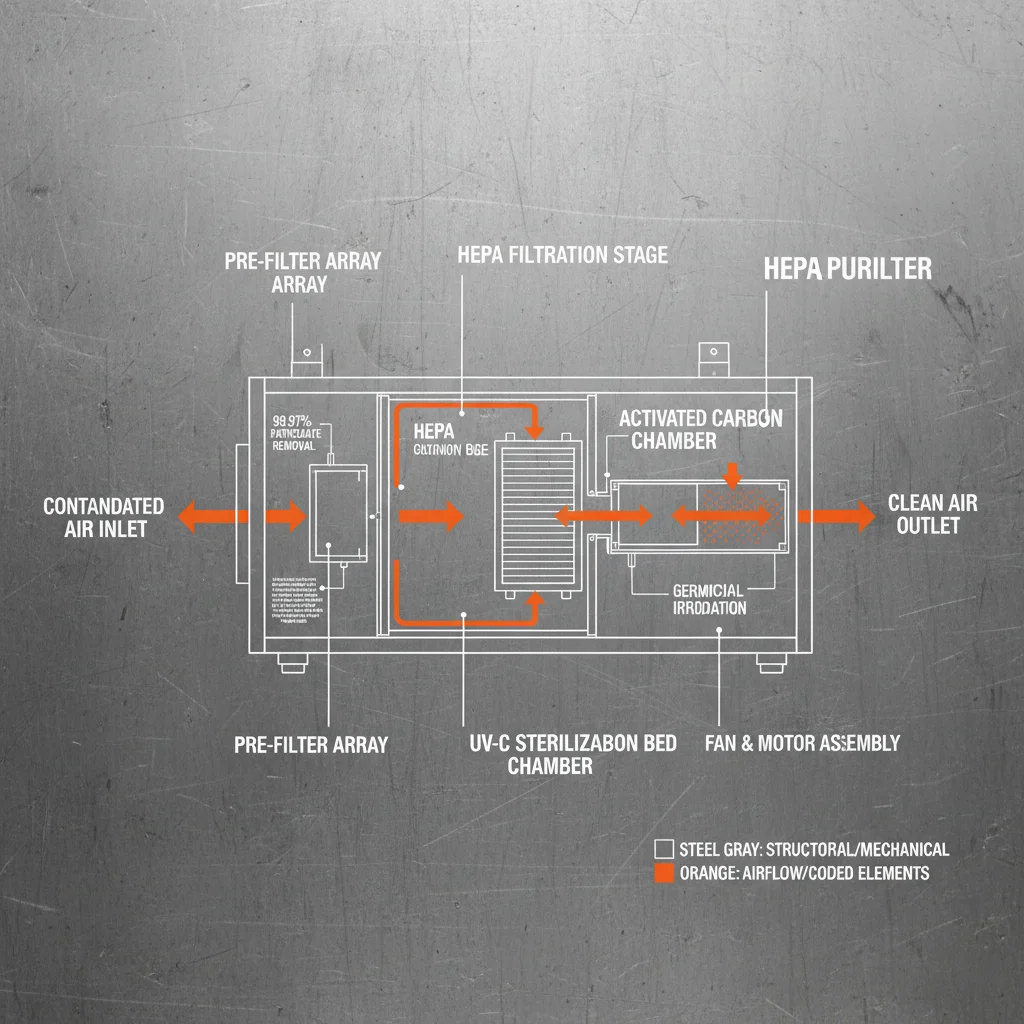
Medical HEPA filters are critical components in maintaining air quality, particularly within healthcare settings. Their ability to remove microscopic particles – including viruses, bacteria, and allergens – is paramount for preventing the spread of airborne diseases and ensuring patient and staff safety. The increasing demand for stringent air purification standards globally has fueled significant advancements in medical HEPA filter technology and manufacturing. Understanding their functionality, applications, and future trends is vital for healthcare professionals, facility managers, and anyone concerned with indoor air quality.
The global market for medical HEPA filters is experiencing substantial growth, driven by factors such as rising healthcare expenditure, growing awareness of indoor air pollution, and the frequency of infectious disease outbreaks. Reports indicate a multi-billion dollar market with a projected compound annual growth rate (CAGR) of approximately 6-8% over the next decade (source: Grand View Research, 2023). This growth highlights the essential role these filters play in safeguarding public health and the significant investment in their continued development.
The evolution of medical HEPA filter technology represents a direct response to evolving healthcare needs. From initial applications in nuclear facilities, HEPA filtration has been refined to meet the specific challenges of medical environments, resulting in improved efficiency, durability, and safety features. The continued innovation in materials science and filter design promises even more effective solutions for maintaining sterile and healthy air environments.
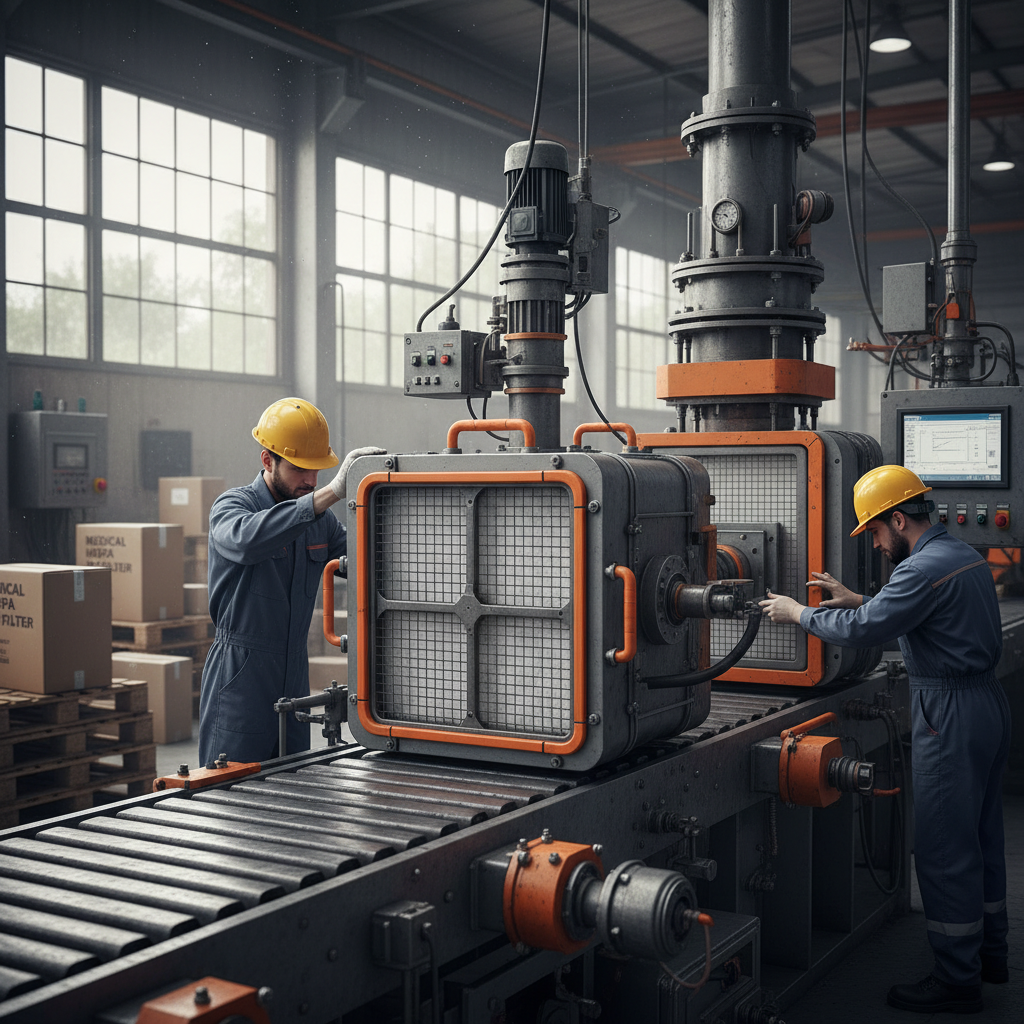
Introduction to Medical HEPA Filters
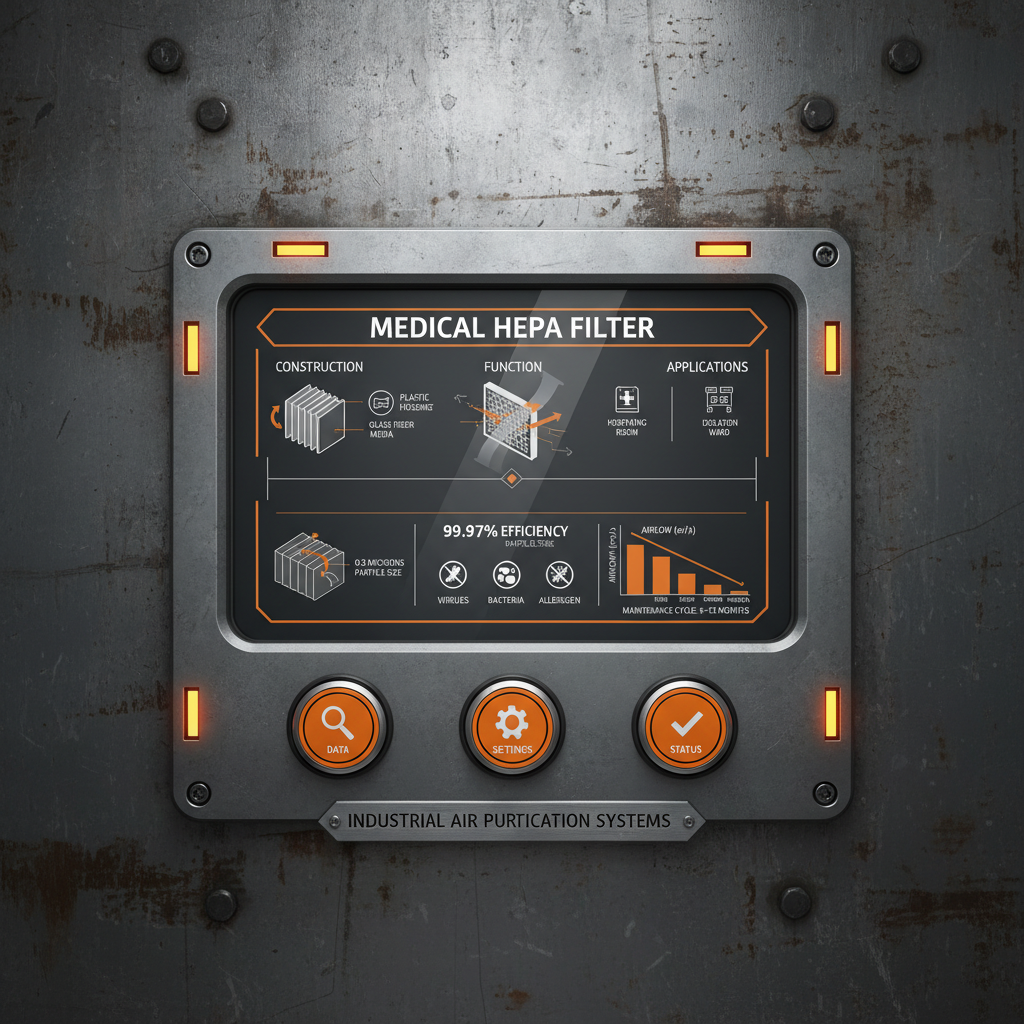
Medical HEPA filters are specialized air filtration systems designed to capture and retain at least 99.97% of particles 0.3 microns in diameter. This high level of filtration is crucial in healthcare settings to eliminate airborne contaminants that could compromise patient health or contaminate sensitive medical procedures. The filters are widely used in operating rooms, isolation wards, and laboratories to create a sterile environment.
Beyond hospitals, medical HEPA filters are increasingly being implemented in dental offices, pharmaceutical manufacturing facilities, and even in-home healthcare settings for patients with compromised immune systems or respiratory illnesses. As concerns about air quality and infectious disease transmission grow, the demand for effective air purification solutions continues to expand, making medical HEPA filters an indispensable component of modern healthcare infrastructure.
Defining Medical HEPA Filters
A medical HEPA filter, or High-Efficiency Particulate Air filter, isn’t just a standard air filter; it’s a rigorously tested and certified device. The “HEPA” designation itself requires filters to meet stringent standards set by organizations like the U.S. Department of Energy. These standards dictate a minimum particle capture rate of 99.97% for particles 0.3 microns in size, considered the "most penetrating particle size" (MPPS).
This level of performance is essential in maintaining sterile conditions within healthcare environments. Medical HEPA filters work by employing a complex network of randomly arranged fibers, typically made of fiberglass, that trap particles through a combination of interception, impaction, and diffusion. The filter media is designed to maximize surface area and airflow resistance to enhance particle capture efficiency. medical hepa filter selection is critical for optimal performance.
The connection to modern industry and humanitarian needs stems from the filter’s ability to control airborne pathogens. In times of global pandemics or outbreaks, reliable HEPA filtration becomes a life-saving technology, preventing the spread of disease in hospitals, laboratories, and emergency response facilities.
Key Factors of Medical HEPA Filter Performance
The performance of a medical HEPA filter is determined by several key factors. Efficiency is the primary measure, reflecting the filter’s ability to capture particles of varying sizes. However, efficiency is not the sole determinant of quality; airflow rate is equally important. A filter must allow sufficient airflow to maintain adequate ventilation within the space, balancing filtration efficiency with operational demands.
Filter media quality directly impacts the filter’s longevity and performance. Higher-quality materials resist degradation and maintain their structural integrity over time, leading to a longer service life and reduced risk of particle leakage. Seal integrity is also crucial; even the most efficient filter is ineffective if gaps exist around the filter frame, allowing unfiltered air to bypass the media.
Finally, pressure drop is a key consideration, indicating the resistance to airflow caused by the filter. A higher pressure drop requires more energy to operate the filtration system, increasing operational costs. Selecting a filter with an optimal balance between efficiency, airflow, and pressure drop is essential for maximizing performance and minimizing energy consumption.
Global Applications of Medical HEPA Filters
Medical HEPA filters are indispensable in a wide range of healthcare settings globally. In hospitals, they're employed in operating rooms to prevent post-surgical infections, isolation rooms to contain airborne pathogens, and ventilation systems to provide clean air throughout the facility. Pharmaceutical companies utilize them during drug manufacturing to maintain sterile environments and prevent product contamination.
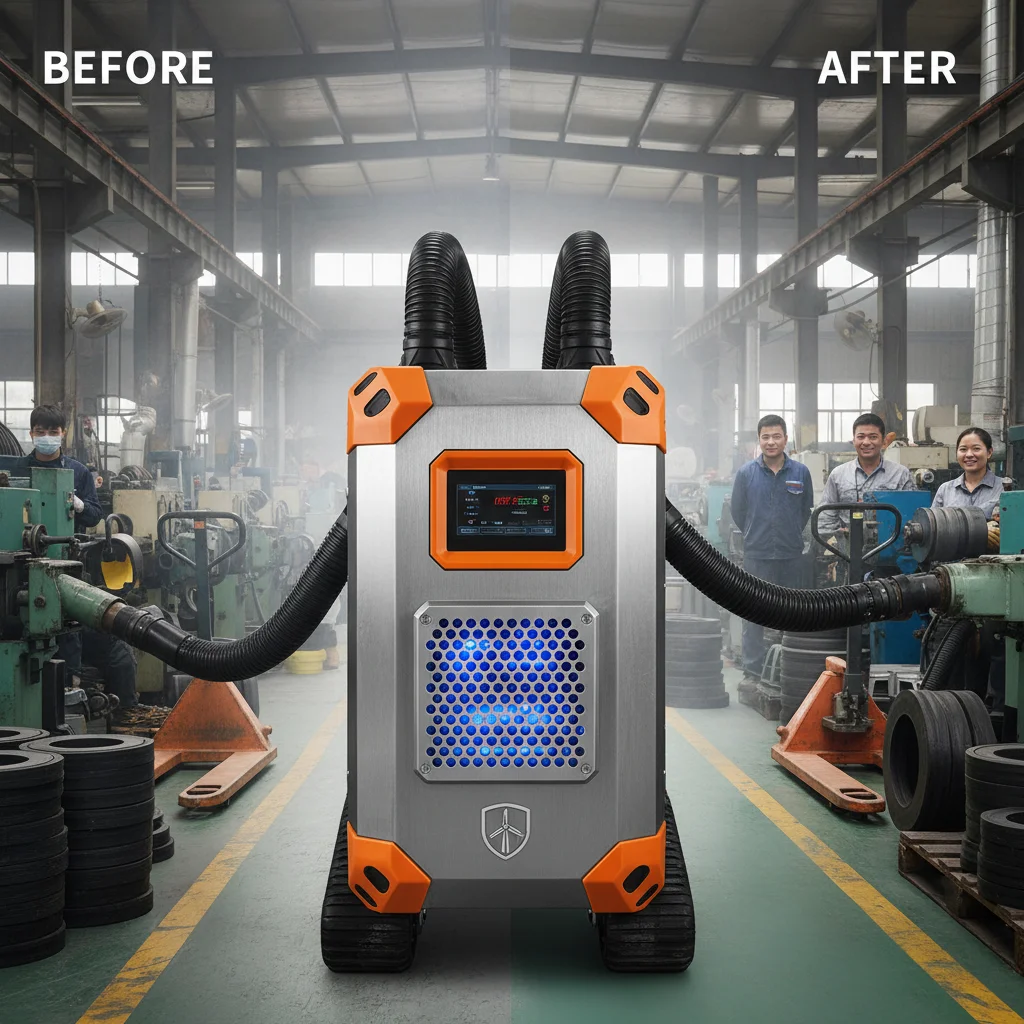
The application extends beyond traditional healthcare. Biotechnology labs rely on HEPA filtration to protect sensitive research and prevent the release of potentially hazardous biological materials. In post-disaster relief operations, portable HEPA filtration units are deployed to create safe zones for medical personnel and patients in areas with compromised air quality.
Medical HEPA Filter Application by Industry
Advantages & Long-Term Value
The advantages of implementing medical HEPA filters extend far beyond simply meeting regulatory requirements. The most tangible benefit is a significant reduction in healthcare-associated infections (HAIs), leading to improved patient outcomes and reduced healthcare costs. Lower infection rates translate to shorter hospital stays, fewer readmissions, and increased patient satisfaction.
From a long-term value perspective, investing in high-quality medical HEPA filters contributes to a more sustainable healthcare system. By reducing the spread of infectious diseases, these filters lessen the burden on healthcare resources and minimize the need for costly treatments. Moreover, selecting energy-efficient filters can lower operational expenses and reduce the environmental impact of healthcare facilities.
Future Trends and Innovations
The future of medical HEPA filter technology is focused on enhancing efficiency, sustainability, and integration with smart building systems. Researchers are exploring the use of nanomaterials and advanced filter media to improve particle capture rates and reduce pressure drop. The development of self-sterilizing filters, utilizing antimicrobial coatings or UV-C light, is gaining momentum to prevent the growth of microorganisms within the filter itself.
Integration with Building Management Systems (BMS) is another emerging trend. Smart filters equipped with sensors can monitor filter performance in real-time, providing data on airflow, pressure drop, and particle levels. This data enables predictive maintenance, optimizing filter replacement schedules and minimizing downtime.
Challenges and Solutions
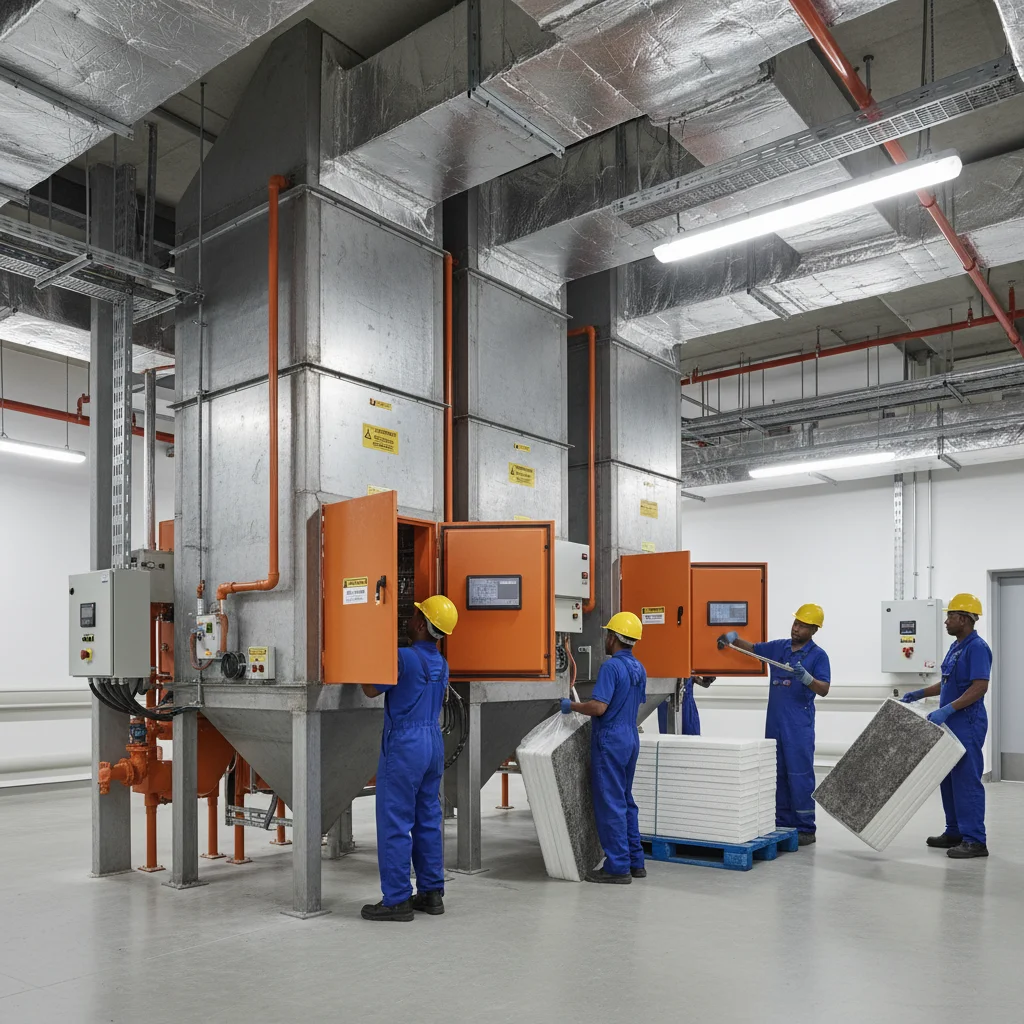
Despite their effectiveness, medical HEPA filters face certain challenges. Filter replacement and disposal can be costly and generate significant waste. Ensuring proper installation and maintenance is crucial to maintain optimal performance, but often overlooked. The initial cost of high-efficiency filters can be a barrier to adoption, particularly in resource-limited settings.
Solutions include the development of more sustainable filter materials that are recyclable or biodegradable. Implementing comprehensive filter management programs, including regular inspections and preventative maintenance, can extend filter life and minimize the risk of failure. Exploring alternative financing models, such as leasing or pay-per-use agreements, can make advanced filtration technology more accessible to healthcare facilities of all sizes.
Furthermore, advancements in filter design are focused on extending filter lifespan and minimizing pressure drop, reducing both operational costs and environmental impact.
Summary of Medical HEPA Filter Performance Factors
| Filter Type |
Efficiency Rating (%) |
Typical Pressure Drop (Pa) |
Service Life (Months) |
| Standard HEPA Filter |
99.97 |
200-300 |
6-12 |
| Low-Pressure HEPA Filter |
99.95 |
150-250 |
8-14 |
| Extended-Life HEPA Filter |
99.99 |
250-350 |
12-24 |
| Self-Sterilizing HEPA Filter |
99.98 |
220-320 |
9-15 |
| Ultra-Low Penetration Air (ULPA) Filter |
99.9995 |
300-400 |
6-10 |
| Activated Carbon Pre-Filter w/ HEPA |
99.97 |
280-380 |
4-8 |
FAQS
HEPA filters are significantly more effective at capturing microscopic particles than standard air filters. While standard filters typically capture larger dust and pollen, HEPA filters are rigorously tested to remove at least 99.97% of particles 0.3 microns in diameter, including bacteria, viruses, and allergens. This level of filtration is crucial for maintaining sterile environments in healthcare settings.
The replacement frequency of medical HEPA filters depends on several factors, including usage, air quality, and the filter’s initial efficiency. Generally, filters should be replaced every 6-12 months, but continuous monitoring of pressure drop and particle levels is recommended. A significant increase in pressure drop indicates a clogged filter that needs replacing. Regular inspections and adherence to manufacturer guidelines are essential.
Used medical HEPA filters may contain hazardous materials, such as captured pathogens, and should be disposed of according to local regulations for biomedical waste. They should be sealed in a leak-proof container and labeled appropriately. Contacting a certified waste disposal service is recommended to ensure compliance with environmental and safety standards.
Yes, medical HEPA filters are highly effective at removing virus-laden particles, including those responsible for COVID-19. The 0.3-micron particle size that HEPA filters are designed to capture is larger than the size of most virus particles themselves. However, viruses often travel attached to droplets or aerosols, which are easily captured by HEPA filtration. Regular filter maintenance is vital for continued effectiveness.
MERV (Minimum Efficiency Reporting Value) rates a filter’s ability to capture larger particles, ranging from 1 to 20. While higher MERV ratings indicate better filtration, they don't reach the stringent standards of HEPA filters. HEPA filters specifically require a minimum of 99.97% efficiency at 0.3 microns. MERV 13 or higher can offer good filtration, but they aren't a direct substitute for a certified HEPA filter in medical applications.
Airflow is critical. If airflow is too low, the filter won't effectively clean the air. If it's too high, particles may bypass the filter media. Filters are rated for a specific airflow range. Proper system design and regular monitoring of airflow rates are essential to ensure optimal filter performance. A balanced approach between efficiency and airflow is crucial for maintaining air quality.
Conclusion
Medical HEPA filters are an indispensable component of modern healthcare and air purification systems. Their ability to remove microscopic particles with exceptional efficiency safeguards patient and staff health, prevents the spread of infectious diseases, and maintains sterile environments critical for various medical procedures and research activities. Understanding their principles, applications, and ongoing innovations is paramount for creating healthier and safer spaces.
Looking forward, continued advancements in filter materials, smart sensor technology, and sustainable disposal practices will further enhance the performance and value of medical HEPA filters. Investing in high-quality filtration systems is not merely a matter of compliance; it’s a commitment to safeguarding public health, improving patient outcomes, and fostering a more sustainable future.