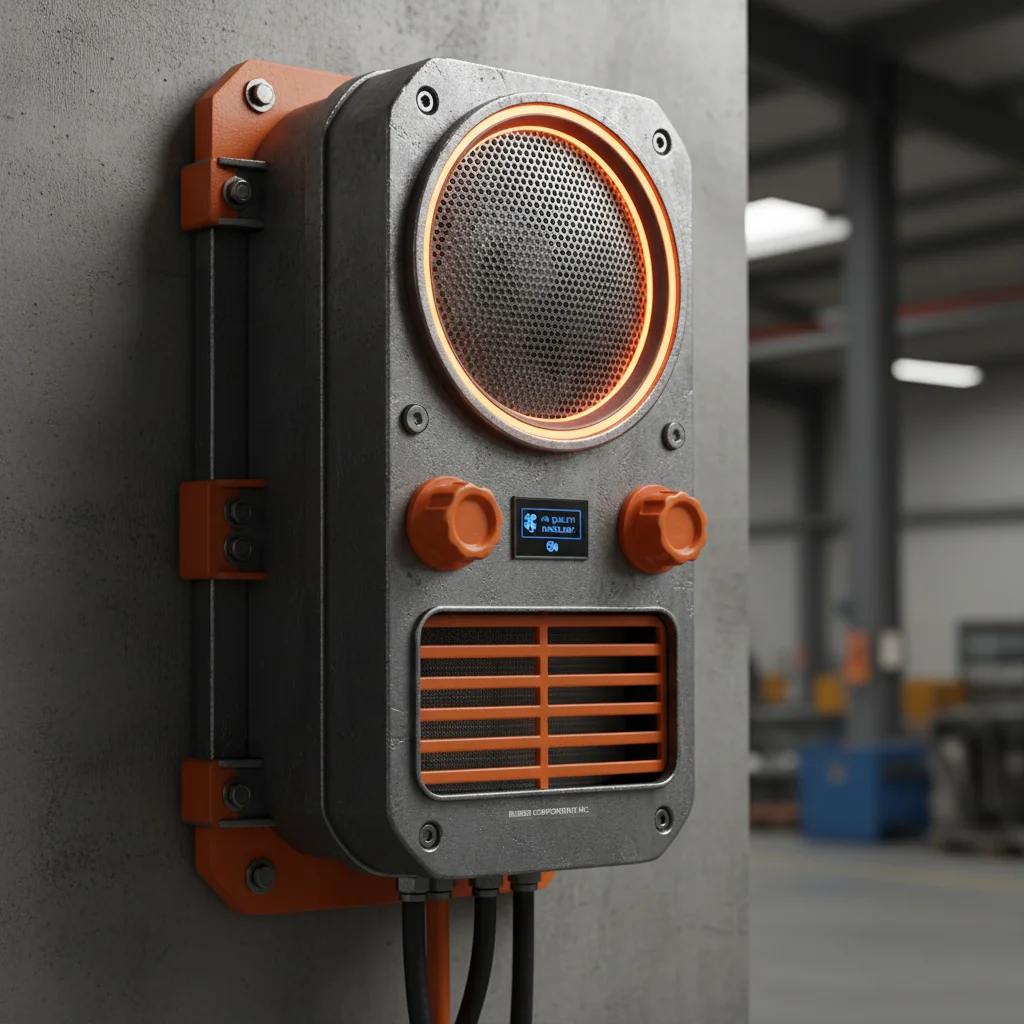
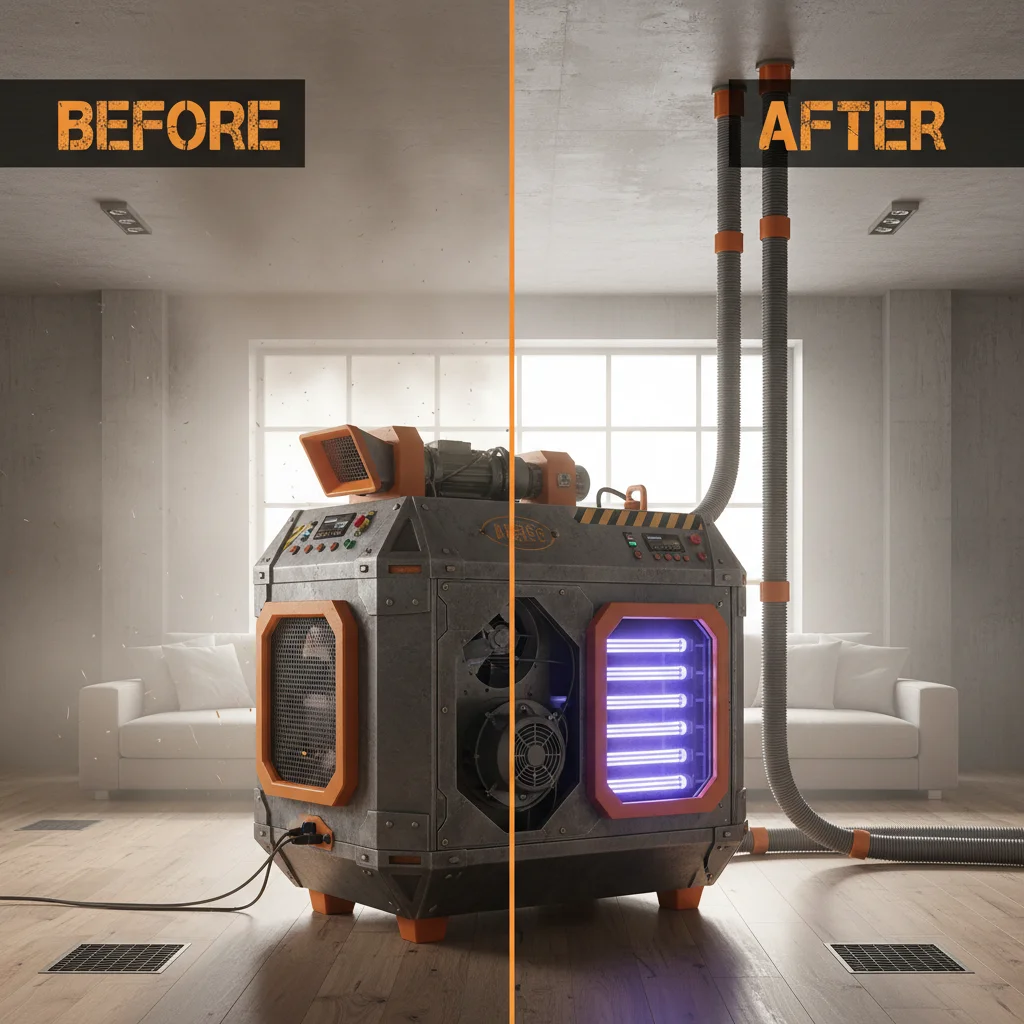
Maintaining air purity in specialized environments has become a global priority, leading to the widespread adoption of the wall mounted hepa air filter. These systems are engineered to remove 99.97% of airborne particles, providing a critical line of defense against contaminants in medical, laboratory, and industrial settings. By utilizing high-efficiency particulate air (HEPA) technology in a space-saving wall-mounted configuration, organizations can ensure a sterile environment without compromising valuable floor space.
From a global perspective, the demand for precision air filtration is driven by tightening ISO standards and a growing awareness of indoor air quality (IAQ). The implementation of a wall mounted hepa air filter is no longer just an optional upgrade but a necessity for facilities dealing with sensitive electronic components, pharmaceutical compounding, or surgical procedures. The ability to control microbial loads and particulate matter is directly linked to the quality of the end product and the safety of the personnel involved.
Understanding the nuances of these systems—from the grade of the filter media to the airflow dynamics of wall-mounted installations—allows facility managers to optimize their operational efficiency. Whether it is preventing cross-contamination in a cleanroom or ensuring a breathable atmosphere in a rubber manufacturing plant, the right filtration strategy reduces downtime and enhances overall productivity. This guide explores the technical depth and practical applications of the wall mounted hepa air filter in today's industrial landscape.

Global Relevance and Industrial Context of Wall Mounted HEPA Filters
In the current global manufacturing climate, the precision of air filtration is paramount. With the rise of advanced robotics and semiconductor fabrication, the presence of even a single micron-sized particle can lead to catastrophic failure in high-tech components. The wall mounted hepa air filter has emerged as a critical solution for maintaining "Cleanroom" standards (ISO 14644), ensuring that airborne contaminants are neutralized before they reach sensitive surfaces.
Furthermore, the shift toward sustainable urban industrialization has forced companies to maximize vertical space. Traditional floor-standing air scrubbers often obstruct movement and workflow in tight production lines. By transitioning to wall-mounted units, factories in regions like Southeast Asia and Europe are optimizing their floor plans while simultaneously increasing the air exchange rate (ACH), which is essential for removing volatile organic compounds (VOCs) common in rubber and plastic processing.
Defining the Wall Mounted HEPA Air Filter System
At its core, a wall mounted hepa air filter is a specialized air purification device that utilizes High-Efficiency Particulate Air (HEPA) media, mechanically mounted to a vertical surface to provide localized or room-wide filtration. Unlike standard HVAC filters, these systems are designed to trap particles as small as 0.3 microns with an efficiency of 99.97%, making them indispensable for environments where biological or chemical purity is non-negotiable.
The "wall-mounted" aspect refers to the architectural integration of the unit. This design choice allows for a strategic placement of air intake and exhaust, creating a "laminar flow" or "turbulent flow" depending on the needs of the space. This is particularly vital in humanitarian settings, such as makeshift medical clinics or remote laboratories, where traditional ductwork is impossible to install, but sterile air is required to prevent the spread of pathogens.
In modern industry, these systems are often integrated with silicone seals and high-grade rubber gaskets—products that ensure no "leakage" occurs around the filter frame. Because the effectiveness of a wall mounted hepa air filter is only as good as its seal, the intersection of filter technology and high-performance rubber materials is where true reliability is achieved.
Core Components and Technical Factors
The efficacy of a wall mounted hepa air filter depends heavily on its filtration media. Most professional-grade units use borosilicate glass fibers woven into a dense mat. This structure allows air to pass through while trapping particles via interception, impaction, and diffusion, ensuring that the air entering the breathing zone is virtually free of pollutants.
Another critical factor is the airtight seal. A wall mounted hepa air filter requires precision-engineered gaskets—often made from EPDM or silicone—to prevent "bypass air." Bypass air occurs when unfiltered air leaks through the gaps between the filter and the housing, which can compromise the entire sterility of a cleanroom or laboratory environment.
Lastly, the blower motor and airflow control systems dictate the scalability of the unit. High-static pressure fans are necessary to push air through the dense HEPA media without a significant drop in velocity. By adjusting the Fan Filter Unit (FFU) settings, operators can maintain a positive pressure environment, ensuring that air only flows out of the sterile zone, never into it.
Performance Metrics and Efficiency Analysis
When evaluating a wall mounted hepa air filter, engineers look at the Pressure Drop (ΔP) and the Clean Air Delivery Rate (CADR). A lower pressure drop indicates that the filter allows air to flow more freely while maintaining its trapping efficiency, which directly translates to lower energy costs for the blower motor.
Furthermore, the durability of the mounting hardware is essential to prevent vibrations. Vibrations can cause micro-tears in the filter media or loosen the silicone seals, leading to a degradation in performance over time. Constant monitoring of the pressure differential is usually required to determine the exact moment the filter needs replacement.
Efficiency Comparison of Wall Mounted HEPA Filter Configurations
Global Applications and Diverse Use Cases
The versatility of the wall mounted hepa air filter allows it to be deployed across vastly different sectors. In pharmaceutical cleanrooms, these units are often installed in grids along the walls to maintain a sterile curtain, preventing dust and microbes from contaminating sterile injectable medications. This application is critical in regions with strict FDA or EMA regulations.
In the industrial sector, specifically in the manufacturing of rubber rollers and silicone gaskets, these filters are used to remove carbon black and chemical fumes. By mounting the filters on the walls of the mixing and curing areas, plants can protect their workers from respiratory hazards while ensuring that the rubber products are free from surface impurities that could cause bonding failures.
Long-Term Value and Sustainability Advantages
Investing in a high-quality wall mounted hepa air filter provides significant long-term economic value. By reducing the particle count in a production environment, companies experience a dramatic decrease in "scrap rates"—the percentage of products discarded due to contamination. For high-value electronics or medical devices, a 1% reduction in scrap can save millions of dollars annually.
From a sustainability angle, modern wall-mounted units are designed for energy efficiency. The use of EC (Electronically Commutated) motors reduces electricity consumption by up to 30% compared to traditional AC motors. Furthermore, the ability to replace only the filter media rather than the entire housing reduces industrial waste, aligning with the global movement toward a circular economy.
Beyond the numbers, there is a profound human impact. Providing clean, filtered air in industrial settings improves worker health and morale. When employees feel safe from airborne toxins and pollutants, productivity increases and turnover rates decrease. The psychological trust that a professional-grade wall mounted hepa air filter provides is an intangible but powerful asset to any organization.
Future Trends in Filtration Innovation
The future of the wall mounted hepa air filter is moving toward "Smart Filtration." Integration with IoT (Internet of Things) sensors allows for real-time monitoring of particle counts and filter saturation. Instead of replacing filters on a fixed schedule, AI-driven systems will trigger a maintenance alert only when the filter's efficiency actually drops, drastically reducing waste and labor costs.
Material science is also evolving. We are seeing a shift toward antimicrobial-coated HEPA media, which doesn't just trap bacteria but actively neutralizes them. This is particularly promising for hospital wall-mounted units, where the filter itself becomes a tool for infection control, preventing the filter from becoming a breeding ground for pathogens.
Additionally, the integration of green energy is becoming a priority. We anticipate the rise of solar-powered wall-mounted filtration units for remote industrial zones or disaster relief centers. These autonomous systems will ensure that sterile air is available even in the absence of a stable power grid, further expanding the humanitarian reach of HEPA technology.
Comparative Analysis of Wall Mounted HEPA Filter Technologies
|
Filter Technology
|
Efficiency Rating
|
Maintenance Cycle
|
Installation Cost
|
| Standard Glass Fiber |
99.97% |
6-12 Months |
Low |
| PTFE Membrane |
99.99% |
18-24 Months |
Medium |
| Antimicrobial Coated |
99.97% + Bio-Kill |
12 Months |
High |
| ULPA Wall-Mount |
99.999% |
6-12 Months |
Very High |
| Hybrid Electrostatic |
99.95% |
12-18 Months |
Medium |
| Smart IoT-Integrated |
99.97% (Adaptive) |
Condition-Based |
High |
FAQS
Typically, HEPA filters should be replaced every 6 to 12 months, depending on the particulate load of the environment. However, the most accurate way to determine replacement time is by monitoring the pressure differential. When the pressure drop exceeds the manufacturer's recommended limit, the filter is saturated and must be replaced to maintain airflow and efficiency.
Standard HEPA filters are designed to trap particles (solids and liquids), but they cannot stop gases, odors, or VOCs. To address these, you should choose a system that combines a HEPA filter with an activated carbon stage. The carbon layer adsorbs the gases and smells, while the HEPA layer handles the microscopic particles.
Installation is slightly different but not necessarily more difficult. It requires a secure wall mounting bracket to support the weight of the unit and a nearby power source. The primary advantage is that it removes the need for floor-level cabling and prevents the unit from being knocked over or obstructed by equipment, making it a safer long-term choice.
Silicone gaskets are crucial for ensuring an airtight seal between the filter media and the housing. Because HEPA filters have high resistance, air will naturally try to find the path of least resistance (gaps). High-quality silicone seals prevent this "bypass," ensuring that 100% of the air is forced through the filter media.
Modern wall-mounted units use brushless DC motors and sound-dampening housing to minimize noise. While there is always some sound associated with moving air, most industrial units operate at decibel levels that are well within OSHA safety standards and do not disrupt focused work in laboratories or offices.
Yes, HEPA filters are highly effective at capturing viral aerosols. Because viruses are typically carried on larger respiratory droplets or attached to smaller nuclei, the 0.3-micron efficiency of a HEPA filter is more than sufficient to capture these particles, significantly reducing the viral load in an indoor space.
Conclusion
The implementation of a wall mounted hepa air filter represents a strategic intersection of architectural efficiency and environmental safety. By removing microscopic contaminants with extreme precision, these systems protect both the integrity of industrial products and the health of the workforce. From the critical importance of silicone seals to the adoption of IoT monitoring, the evolution of filtration technology continues to drive higher standards of purity across the global manufacturing and medical landscapes.
Looking forward, the integration of sustainable materials and smart automation will make air purification more accessible and cost-effective. For businesses aiming to optimize their operational efficiency while adhering to strict international purity standards, investing in high-grade wall-mounted filtration is a decisive step toward future-proofing their facilities. We encourage you to evaluate your current air quality protocols and explore how professional filtration can enhance your productivity. Visit our website: www.gyfsilicone.com