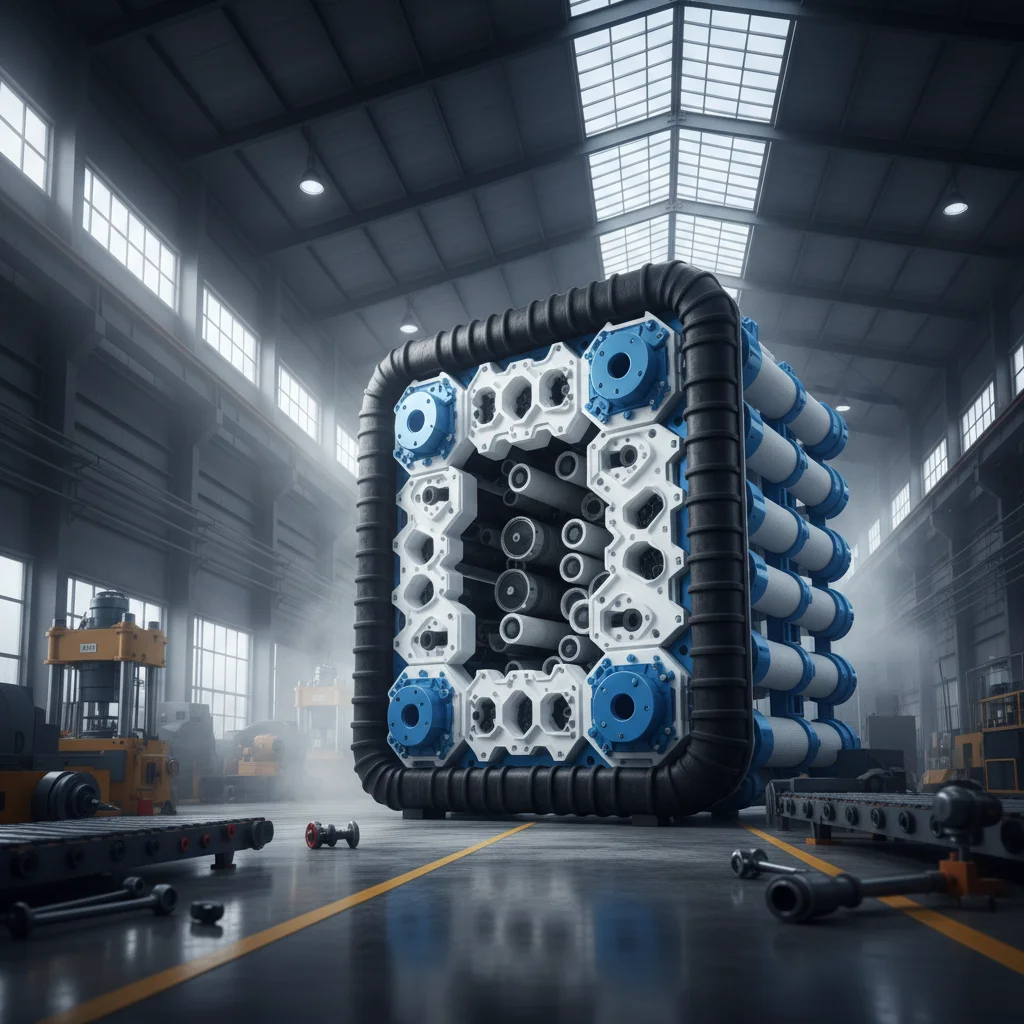
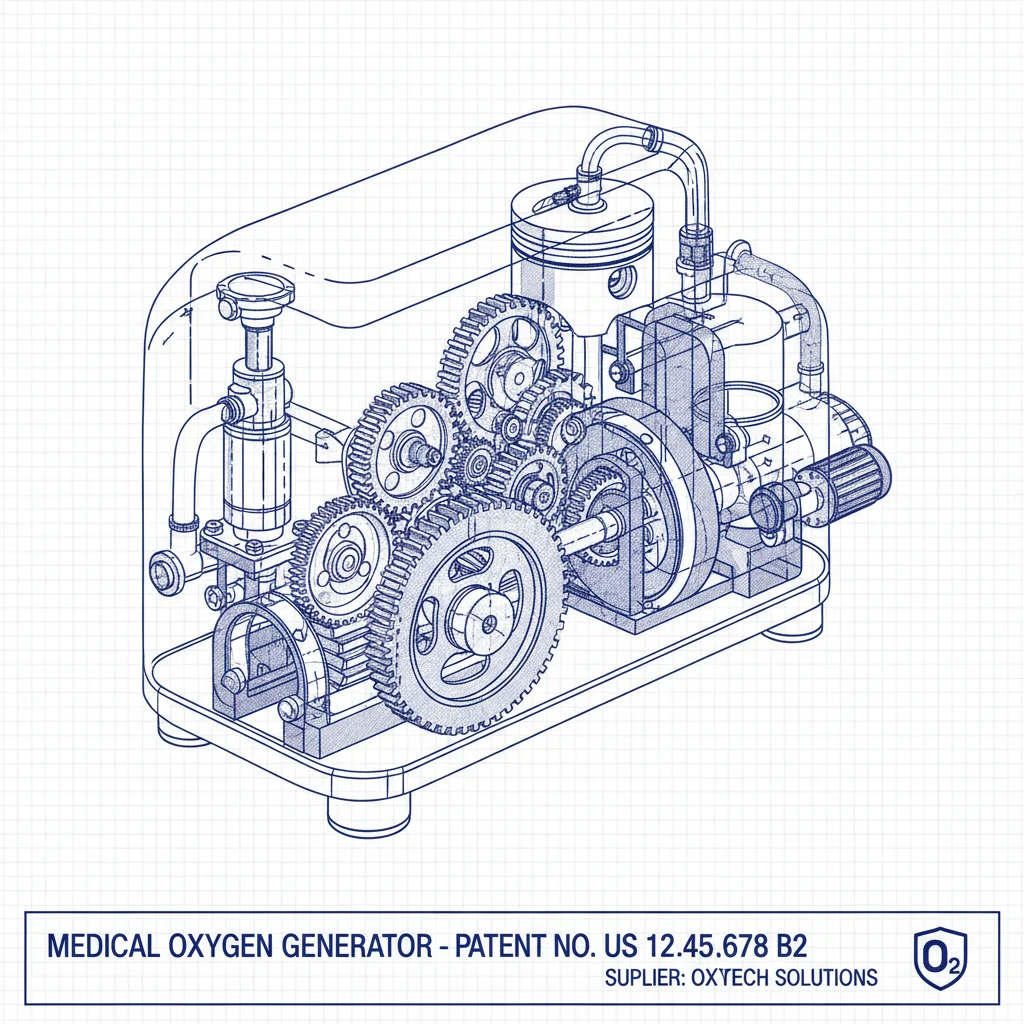
The pursuit of clean air has evolved from simple filtration to advanced molecular decomposition, leading to the rise of the photocatalytic air cleaner. These systems represent a paradigm shift in environmental health, utilizing light-activated catalysts to neutralize pollutants rather than merely trapping them. By breaking down volatile organic compounds (VOCs) and pathogens, this technology ensures a healthier living and working environment on a global scale.
Understanding the mechanics of a photocatalytic air cleaner is essential for industries ranging from healthcare to food processing. In an era where indoor air quality (IAQ) is linked directly to productivity and long-term wellness, the ability to eliminate odors and toxins at the molecular level provides a critical advantage. This technology addresses the limitations of traditional HEPA filters by tackling gaseous pollutants that typically bypass physical barriers.
From a manufacturing perspective, the integration of high-grade materials, such as food-grade silicone for seals and housings, ensures that the photocatalytic air cleaner remains durable and non-toxic. As we delve deeper into the technical specifications and applications, it becomes clear that the synergy between advanced chemistry and precision engineering is what drives the efficiency of modern air purification systems.

Global Relevance of Photocatalytic Air Cleaner
On a global scale, the demand for a photocatalytic air cleaner has surged as urbanization increases and indoor air pollution becomes a primary health concern. According to WHO guidelines, indoor air quality can be significantly worse than outdoor air, necessitating active purification systems that can neutralize harmful gasses and bio-aerosols in real-time.
Industries are now adopting these systems to meet stringent ISO and environmental standards. By implementing photocatalytic oxidation (PCO), facilities can maintain sterile environments without the heavy use of chemical disinfectants, thereby reducing the overall ecological footprint while enhancing worker safety.
Definition and Industrial Meaning
A photocatalytic air cleaner is a sophisticated purification device that uses a catalyst—typically titanium dioxide (TiO2)—activated by ultraviolet (UV) light to trigger a chemical reaction. This reaction creates hydroxyl radicals that attack and decompose organic pollutants, turning them into harmless substances like water and carbon dioxide.
In the context of modern manufacturing, this means moving away from "passive" filtration (which only collects dust) to "active" sterilization. This shift is critical for environments where biological contaminants or chemical vapors are present, as it provides a permanent solution to air toxicity rather than a temporary storage of pollutants in a filter.
For high-precision industries, such as those producing silicone components for medical or baby products, maintaining a clean-room environment is non-negotiable. The integration of photocatalytic technology ensures that no airborne contaminants interfere with the curing process or the purity of the final product, adhering to FDA and REACH standards.
Core Components for Maximum Efficiency
The efficacy of a photocatalytic air cleaner depends heavily on the quality of its structural components. High-grade sealing rings and gaskets, often made from Dow Corning or Wacker silicone, are essential to prevent air leakage and ensure that all processed air passes through the catalyst zone.
Durability is another key factor; using silicone with a temperature range of -65ºC to 300ºC allows the photocatalytic air cleaner to operate in extreme industrial conditions without the risk of material degradation or the emission of toxic fumes, maintaining a non-toxic, odorless environment.
Furthermore, the precision of the mold design for the internal housing determines the airflow dynamics. With concentricity tolerances as tight as ±0.1mm, the air is distributed evenly across the photocatalytic surface, maximizing the contact time between pollutants and the activated catalyst.
Performance Metrics and Scalability
Evaluating a photocatalytic air cleaner requires looking at its Clean Air Delivery Rate (CADR) and its ability to decompose specific VOCs. Scalability is achieved by modularizing the catalyst arrays, allowing the system to grow from a small domestic unit to a large-scale industrial installation.
The balance between energy consumption and purification speed is the primary engineering challenge. By optimizing the UV light intensity and the surface area of the catalyst, manufacturers can increase the efficiency of the purification process while reducing operational costs.
Efficiency Comparison of Air Purification Methods
Real-World Global Applications
The application of the photocatalytic air cleaner spans various critical sectors. In hospitals, these devices are used in surgical wards to eliminate airborne bacteria and viruses, ensuring a sterile environment that reduces the risk of post-operative infections.
In the food and beverage industry, particularly in bakeries or cake production facilities, these cleaners remove organic odors and airborne yeast or mold spores. This ensures that the food-grade environment remains uncontaminated, complementing the use of food-grade silicone molds to maintain overall product hygiene.
Long-Term Value and Sustainability
Investing in a photocatalytic air cleaner provides significant long-term economic value. Unlike traditional filters that require frequent replacement and generate massive amounts of landfill waste, photocatalytic catalysts are semi-permanent and only require periodic cleaning or UV lamp replacement.
From a sustainability perspective, these systems reduce the reliance on chemical air fresheners and ozone-generating ionizers, which can sometimes produce harmful by-products. The use of non-toxic, RoHS-compliant materials in the construction of the device ensures that the product itself does not contribute to environmental pollution.
Moreover, the improvement in air quality leads to higher human productivity and lower healthcare costs. By creating an environment that promotes respiratory health and cognitive function, companies see a tangible return on investment through reduced employee absenteeism and increased operational efficiency.
Future Trends in Air Purification
The future of the photocatalytic air cleaner lies in the development of visible-light-activated catalysts. Current systems mostly rely on UV light, but new research into doped titanium dioxide allows these devices to work under normal indoor lighting, drastically reducing energy consumption.
Integration with AI and IoT is another emerging trend. Future cleaners will likely feature sensors that detect specific pollutant concentrations in real-time, automatically adjusting the UV intensity and airflow to optimize purification based on the current air quality index (AQI).
Additionally, the synergy between additive manufacturing and material science will allow for the creation of complex, 3D-printed catalyst structures with vastly increased surface areas. This will lead to more compact, powerful units capable of cleaning larger volumes of air with minimal noise.
Comparative Analysis of Photocatalytic Air Cleaner Technologies
| Technology Type |
Pollutant Removal Rate |
Maintenance Cost |
Eco-Friendliness |
| Standard UV-PCO |
High (8/10) |
Moderate |
High |
| Visible Light PCO |
Medium (7/10) |
Low |
Very High |
| Hybrid HEPA-PCO |
Very High (10/10) |
High |
Medium |
| Industrial Scale PCO |
High (9/10) |
Moderate |
High |
| Nano-Coated PCO |
High (8/10) |
Low |
High |
| Smart-Sensor PCO |
Adaptive (9/10) |
Moderate |
High |
FAQS
A HEPA filter is a passive device that traps particles like dust and pollen in a mesh. In contrast, a photocatalytic air cleaner is an active system that uses a catalyst and light to chemically break down pollutants, including VOCs and odors, which HEPA filters cannot capture. This means it doesn't just store the pollution—it eliminates it.
Yes, provided the unit is properly engineered. Professional photocatalytic air cleaners house the UV lamps within an opaque chassis, ensuring that no UV leakage occurs. The reaction happens internally on the catalyst surface, meaning the user is only exposed to the purified air, not the light itself.
One of the biggest advantages is the longevity of the catalyst. Unlike carbon filters that saturate, the photocatalyst is not consumed in the reaction. Maintenance typically only involves replacing the UV lamp every 8,000 to 12,000 hours and cleaning the pre-filter to maintain airflow efficiency.
Absolutely. Because photocatalytic oxidation targets the molecular structure of organic compounds, it is highly effective at neutralizing strong odors from chemicals, paints, and organic waste. This makes it ideal for industrial workshops and commercial kitchens.
High-performance silicone, such as those certified by FDA or LFGB, is ideal for seals and components. Its thermal stability (-65ºC to 300ºC) and non-toxic nature ensure that the device does not off-gas chemicals when heated by the UV lamps, maintaining the purity of the air being cleaned.
Yes, the hydroxyl radicals produced during the photocatalytic process are powerful oxidants that can rupture the protein shells of viruses and the cell walls of bacteria, effectively neutralizing them and preventing them from spreading through the air.
Conclusion
The photocatalytic air cleaner represents the pinnacle of active air purification, offering a sustainable and highly efficient alternative to traditional filtration. By combining advanced catalyst chemistry with precision-engineered components—including high-grade, non-toxic silicone seals—these systems provide a comprehensive solution for eliminating VOCs, pathogens, and odors across residential and industrial landscapes.
As we move toward a future of smarter, greener cities, the adoption of photocatalytic technology will be instrumental in safeguarding public health and improving environmental quality. We recommend that businesses and homeowners prioritize systems that utilize certified, high-durability materials to ensure long-term reliability and safety. To learn more about high-precision silicone components for air purification systems, visit our website: www.gyfsilicone.com.