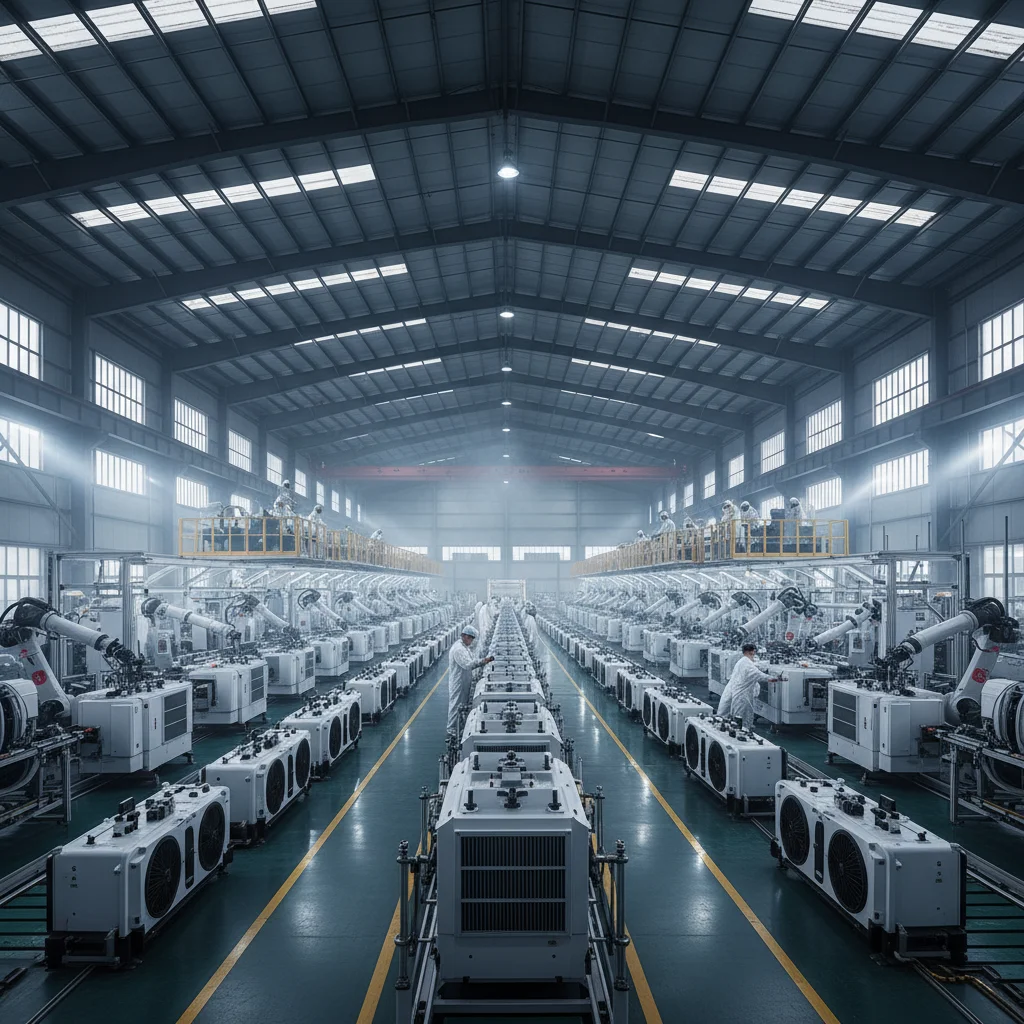
The modern pursuit of health and wellness has led to a surge in demand for portable air filtration solutions. A battery powered air purifier represents a significant leap in personal environmental control, allowing users to maintain air quality regardless of their location. By integrating advanced filtration technology into a cordless format, these devices bridge the gap between static home appliances and the dynamic needs of a mobile lifestyle.
From a global perspective, the rise of urban pollution and the increasing prevalence of respiratory sensitivities have made portable air purification a necessity rather than a luxury. The versatility of a battery powered air purifier ensures that whether in a crowded office, a commute, or a remote travel destination, individuals can create a "clean air bubble" around themselves, reducing exposure to particulate matter and allergens.
Understanding the mechanics and benefits of these devices is essential for consumers and industry professionals alike. By analyzing the intersection of battery efficiency, filter efficacy, and ergonomic design, we can better appreciate how these tools contribute to long-term respiratory health and overall productivity in an increasingly polluted world.

Global Relevance of Battery Powered Air Purifiers
On a global scale, air quality has become a critical public health indicator. Data from the World Health Organization (WHO) suggests that a vast majority of the global population breathes air that exceeds safe pollutant limits. In this context, the deployment of a battery powered air purifier provides an immediate, localized solution for individuals residing in "pollution hotspots" where centralized filtration is unavailable.
Beyond urban smog, these devices address the challenge of indoor air quality in aging infrastructure. Many older buildings lack modern HVAC filtration, leading to a buildup of VOCs and dust. By utilizing portable, cordless technology, users can target specific zones—such as bedside tables or workstations—to ensure a constant stream of purified air, significantly improving sleep quality and cognitive function.
Defining the Battery Powered Air Purifier Concept
A battery powered air purifier is an autonomous environmental device designed to remove airborne contaminants through a series of filters, powered by an internal rechargeable or replaceable energy source. Unlike traditional plug-in units, these devices emphasize mobility and rapid deployment, making them essential for users who transition between various environments throughout the day.
In the context of modern industry, this concept aligns with the trend of "personalization of health." Rather than relying on a single large-scale system to clean an entire room, the focus shifts to protecting the individual's immediate breathing zone. This is particularly relevant in humanitarian aid and disaster relief, where electricity is scarce but air quality may be compromised by smoke or dust.
Essentially, the battery powered air purifier serves as a portable shield. By combining high-efficiency particulate air (HEPA) filters with low-energy consumption fans, it provides a sustainable way to mitigate health risks associated with airborne pathogens and particulate matter without being tethered to a wall outlet.
Core Components and Engineering Factors
The efficiency of a battery powered air purifier depends heavily on its filtration medium. Most professional-grade units utilize HEPA H13 filters, capable of capturing 99.97% of particles as small as 0.3 microns. The integration of activated carbon layers further enhances the device's ability to neutralize odors and volatile organic compounds (VOCs).
Battery density and power management are the primary engineering hurdles. To maintain a compact form factor while ensuring long operational hours, manufacturers are increasingly turning to high-capacity lithium-polymer cells. This ensures that the battery powered air purifier can run for extended periods on a single charge without sacrificing the airflow velocity required for effective filtration.
Furthermore, the use of aerospace-grade plastics and sustainable elastomers in the chassis ensures durability and a leak-proof seal. A precise seal is critical; if air bypasses the filter through gaps in the housing, the effectiveness of the battery powered air purifier drops significantly, emphasizing the need for high-precision molding and assembly.
Performance Metrics and Scalability
When evaluating the performance of portable filtration systems, the Clean Air Delivery Rate (CADR) is the gold standard. For a battery powered air purifier, the challenge is to maximize CADR while minimizing energy draw. This requires a synergistic approach between the fan blade geometry and the filter's air resistance (pressure drop), ensuring a steady flow of clean air.
Scalability in this sector refers to the ability to transition from a personal desktop unit to a larger, portable room purifier. As battery technology evolves, we see a trend toward modular filtration systems where users can swap filter types based on their current environment—such as using a specialized pollen filter during spring or a heavy carbon filter in industrial zones.
Efficiency Ratings of Various Battery Powered Air Purifier Models
Global Applications and Use Cases
The application of a battery powered air purifier extends far beyond the home. In medical settings, portable purifiers are used in patient transport to maintain a sterile environment, reducing the risk of hospital-acquired infections. Similarly, in the automotive industry, these devices are integrated into vehicle cabins to protect passengers from external exhaust fumes during traffic congestion.
In remote industrial zones or post-disaster relief operations, where power grids are compromised, these devices become lifelines. NGO workers and emergency responders use them in temporary shelters to mitigate the effects of airborne dust and smoke, ensuring that the most vulnerable populations have access to breathable air during critical recovery phases.
Long-Term Value and Sustainability
Investing in a battery powered air purifier provides tangible long-term value by reducing the incidence of allergy-related absenteeism and chronic respiratory irritation. From a logical angle, the cost of the device is offset by the decrease in healthcare expenditures and the increase in daily productivity afforded by a cleaner breathing environment.
Sustainability is also a core driver. Modern designs emphasize washable pre-filters and recyclable filter frames, reducing the environmental footprint of the device. By choosing energy-efficient motors and long-life batteries, manufacturers are ensuring that these tools contribute to a healthier world without creating excessive electronic waste.
Beyond the technical, there is an emotional dimension of "peace of mind." The ability to control one's immediate atmosphere provides a sense of safety and dignity, especially for those with severe asthma or autoimmune conditions who previously felt trapped by their environment.
Future Innovations in Air Purification
The future of the battery powered air purifier lies in the integration of smart sensors and AI-driven automation. We are moving toward "adaptive purification," where devices can detect pollutant spikes in real-time and automatically adjust fan speeds to optimize battery life while maintaining air quality.
Material science is also evolving, with the introduction of graphene-based filters that offer lower air resistance and higher capture rates than traditional fiberglass. This will allow devices to become even smaller and more powerful, potentially integrating into wearable technology such as smart collars or high-tech masks.
Finally, the shift toward green energy is pivotal. The next generation of portable purifiers will likely incorporate solar-charging surfaces, making them truly autonomous and ideal for outdoor exploration or long-term deployment in off-grid areas.
Comparative Analysis of Future Purification Technologies
| Technology Type | Energy Efficiency | Filtration Grade | Deployment Cost |
|---|
| Standard HEPA Portable | Moderate | High (H13) | Low |
| AI-Adaptive Purifier | Very High | High (H13) | Medium |
| Graphene-Filter Unit | High | Ultra-High | High |
| Solar-Hybrid Model | Infinite (Passive) | Moderate | Medium |
| Plasma-Ion Portable | Moderate | High (Viral) | Medium |
| Modular-Filter Series | High | Customizable | Low |
FAQS
Depending on the fan speed and battery capacity, most high-quality units offer between 8 to 24 hours of continuous operation. Energy-saving modes can extend this further, while "Turbo" modes will deplete the battery faster. USB-C fast charging is now standard to minimize downtime.
Portable units are designed for "personal space" rather than full-room ventilation. While they can influence a small area (1-3 meters), their primary goal is to purify the air in your immediate breathing zone, making them highly effective for desks or bedside use.
Filter lifespan varies based on the air quality of your environment. Generally, HEPA filters last 3 to 6 months. Many modern devices include a filter replacement indicator that alerts the user when the airflow is restricted by accumulated particulates.
Yes, units equipped with HEPA H13 filters are capable of capturing a vast majority of airborne microorganisms, including many viruses and bacteria. For enhanced protection, some models integrate UV-C lights or ionizers to neutralize pathogens upon contact.
Absolutely. Most devices are designed with low-noise "Sleep Modes" and built-in overheat protection. As long as the device is from a reputable manufacturer with certified safety standards (like CE or UL), it is safe for overnight use.
Consider your primary goal: if it's for odors, prioritize activated carbon; for allergies, look for H13 HEPA. Also, check the battery life and noise levels (dB) to ensure the device fits into your daily routine without being disruptive.
Conclusion
The evolution of the battery powered air purifier marks a pivotal shift in how we approach personal health and environmental safety. By decoupling air purification from the electrical grid, these devices offer an unprecedented level of freedom and protection, ensuring that clean air is a portable right rather than a stationary privilege. Through the integration of HEPA technology, efficient power management, and sustainable materials, portable purifiers address the most pressing air quality challenges of our urbanized world.
Looking forward, as we integrate smarter sensors and greener energy sources, these devices will become an invisible yet essential part of our daily attire and environment. We recommend that users prioritize certified filtration grades and battery safety when selecting a unit to ensure maximum long-term benefit. For those seeking high-quality silicone components and industrial manufacturing solutions that support these innovations, we invite you to explore our expertise. Visit our website: www.gyfsilicone.com