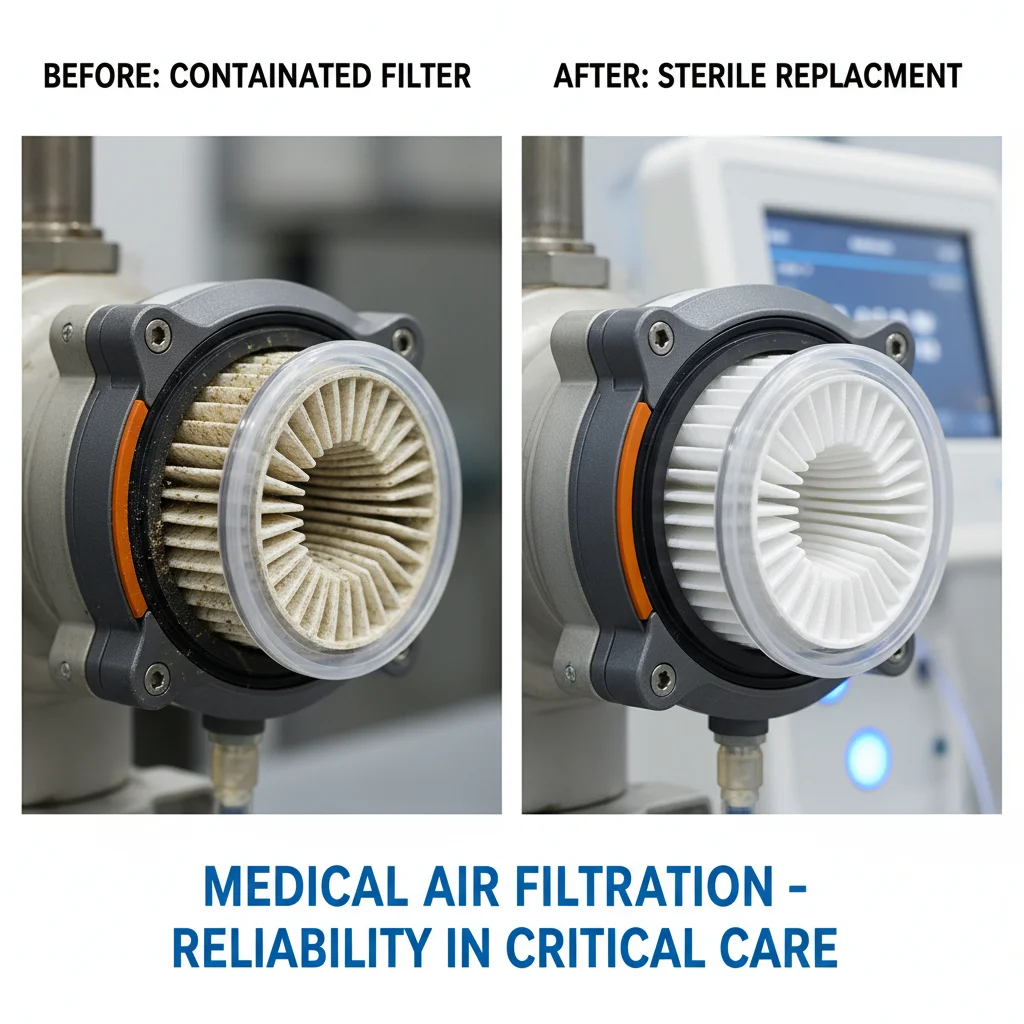
The pursuit of clean air and safety in childcare has led to an increased focus on high-quality materials and filtration. While many search for a rechargeable hepa air purifier to maintain a sterile environment, the actual contact points for infants, such as pacifiers, require an equally rigorous standard of purity and material science.
In the modern manufacturing landscape, the intersection of medical-grade polymers and air quality standards ensures that infants are protected from both airborne pollutants and chemical contaminants. Understanding the synergy between environmental control and food-grade silicone is essential for parents and healthcare providers worldwide.
This guide explores the critical importance of material safety, specifically focusing on food-grade liquid silicone rubber, and how it complements the health-conscious ecosystem often associated with tools like the rechargeable hepa air purifier to ensure a safe growth environment for newborns.

Global Standards of Safety and Pure Materials
On a global scale, the demand for non-toxic materials has surged, mirrored by the widespread adoption of the rechargeable hepa air purifier to combat urban pollution. For the rubber and plastics industry, this means a shift toward Liquid Silicone Rubber (LSR) that meets stringent ISO and FDA requirements to ensure zero leaching of harmful chemicals.
The challenge lies in maintaining absolute purity during the injection process. Just as high-efficiency filters remove microscopic particles from the air, the manufacturing of transparent food-grade silicone must eliminate all impurities to ensure the safety of a baby's developing system.
Defining Food-Grade Liquid Silicone Rubber
Food-grade liquid silicone rubber is a high-performance polymer known for its exceptional stability, biocompatibility, and transparency. Unlike standard rubber, this material is engineered to be chemically inert, meaning it does not react with food or skin, making it the gold standard for items like baby pacifiers.
In the context of a healthy home, where a rechargeable hepa air purifier handles the atmospheric quality, liquid silicone handles the tactile quality. It provides a hypoallergenic barrier that prevents irritation, which is critical for infants with sensitive skin or allergies.
Technically, the "Food Grade" designation implies that the material has undergone rigorous testing for extractables and volatiles. This ensures that even under varying temperatures, the silicone remains stable and safe for oral use, mirroring the reliability expected from high-end medical air filtration systems.
Core Components of Premium Silicone Pacifiers
The primary component of a premium pacifier is the 40 Shore a hardness silicone, which provides the perfect balance between softness and structural integrity. This specific hardness ensures the nipple mimics the natural feel of skin, reducing stress for the infant.
Transparency is not just an aesthetic choice but a functional one; it allows parents to easily inspect the pacifier for debris or damage, much like how a rechargeable hepa air purifier often features clear indicators to signal filter health.
Additionally, the liquid injection process ensures that there are no seams or air bubbles in the material. This seamless construction prevents the buildup of bacteria and mold, ensuring that the hygiene of the product is maintained throughout its lifecycle.
Practical Performance and Durability Metrics
When evaluating the performance of silicone products, durability and elasticity are key. A pacifier must withstand constant suction and sterilization cycles without degrading or losing its shape, ensuring long-term safety and value for the consumer.
Comparing these metrics to environmental tools, we see a common theme of reliability. Whether it is the consistent CADR of a rechargeable hepa air purifier or the tensile strength of 40 Shore a silicone, the goal is unwavering performance under pressure.
Performance Metrics for Safety-Critical Baby Products
Global Applications in Pediatric Care
In developed regions like Europe and North America, the integration of medical-grade silicone and advanced air filtration is standard in neonatal intensive care units (NICUs). Here, the environment is strictly controlled, combining the use of a rechargeable hepa air purifier with biocompatible silicone tubes and pacifiers to minimize infection risks.
Furthermore, in remote industrial zones where air quality may be compromised, providing infants with high-purity, food-grade silicone products is a critical health intervention. It ensures that the most vulnerable populations are not exposed to industrial phthalates or BPA commonly found in lower-grade plastics.
Long-Term Value and Health Benefits
The long-term value of investing in food-grade liquid silicone rubber extends beyond immediate safety. Because the material is resistant to extreme temperatures, it can be sterilized repeatedly in boiling water or steam without leaching chemicals, reducing the frequency of replacement and lowering waste.
From an emotional perspective, the peace of mind provided by certified non-toxic materials is invaluable. Parents who prioritize a rechargeable hepa air purifier for their home often seek the same level of "invisible protection" in the products their children put in their mouths.
Logically, the choice of 40 Shore a hardness silicone reduces the risk of oral irritation and supports proper jaw development. This combination of physiological support and chemical purity creates a foundation of trust between the manufacturer and the end consumer.
Future Innovations in Silicone Manufacturing
The future of the rubber and plastics industry is leaning toward "smart materials." We anticipate the development of antimicrobial silicone additives that can actively repel bacteria, further enhancing the sterile environment already created by a rechargeable hepa air purifier.
Sustainability is also driving innovation. New processes in liquid injection molding are reducing scrap rates and energy consumption, aligning the production of baby products with global green energy goals and digital transformation in manufacturing.
As automation increases, the precision of Shore a hardness control will become even more refined, allowing for customized pacifier textures tailored to the specific developmental stages of infants, ensuring maximum comfort and safety.
Comparative Analysis of Material Grades for Pediatric Safety
| Material Type |
Safety Rating |
Durability Score |
Toxicity Risk |
| Food-Grade LSR |
10/10 |
9/10 |
Zero |
| Medical-Grade LSR |
10/10 |
10/10 |
Zero |
| Standard Rubber |
4/10 |
6/10 |
Moderate |
| PVC Plastics |
3/10 |
7/10 |
High (Phthalates) |
| Thermoplastic Elastomer |
7/10 |
8/10 |
Low |
| Natural Latex |
6/10 |
5/10 |
Allergy Risk |
FAQS
40 Shore a refers to the hardness of the material. This specific level of firmness provides a soft, natural feel that is gentle on an infant's gums while remaining durable enough to resist tearing. It ensures a comfortable sucking experience, which is essential for soothing babies without causing oral irritation.
Liquid Silicone Rubber (LSR) is processed through liquid injection molding, which allows for higher purity, better consistency, and a seamless finish. Unlike standard solid silicone, LSR is more biocompatible and generally free from the fillers and additives that can be found in cheaper rubber products, making it safer for food-contact applications.
Transparency is a key safety feature. It allows parents to easily identify any trapped dirt, mold, or degradation within the material. In a health-conscious home—similar to how one monitors a rechargeable hepa air purifier—transparency provides a visual confirmation of purity and cleanliness.
Yes, food-grade liquid silicone is highly heat-resistant. It can be sterilized using boiling water, steam sterilizers, or UV light without breaking down chemically or losing its structural integrity. This longevity makes it a cost-effective and sustainable choice for parents.
Pure food-grade liquid silicone rubber is naturally free from BPA, phthalates, and PVC. Because it is an inorganic polymer, it does not require the plasticizers that often contain harmful chemicals, ensuring that it is safe for long-term oral contact for infants.
While silicone is extremely durable, pacifiers should be inspected daily for signs of wear, such as small cracks or thinning. As a general rule, it is recommended to replace them every 1-2 months to ensure maximum hygiene and safety, regardless of the material's strength.
Conclusion
Maintaining a safe environment for infants requires a holistic approach, combining atmospheric purity—provided by a rechargeable hepa air purifier—with the use of non-toxic, biocompatible materials like food-grade liquid silicone rubber. The combination of 40 Shore a hardness, transparency, and a seamless injection process ensures that baby pacifiers are not only functional but also meet the highest global safety standards.
As manufacturing technology continues to evolve toward greater sustainability and precision, the synergy between environmental control and material science will only strengthen. We recommend that parents and providers always prioritize certified food-grade materials to ensure a healthy, chemical-free start for every child. Visit our website: www.gyfsilicone.com