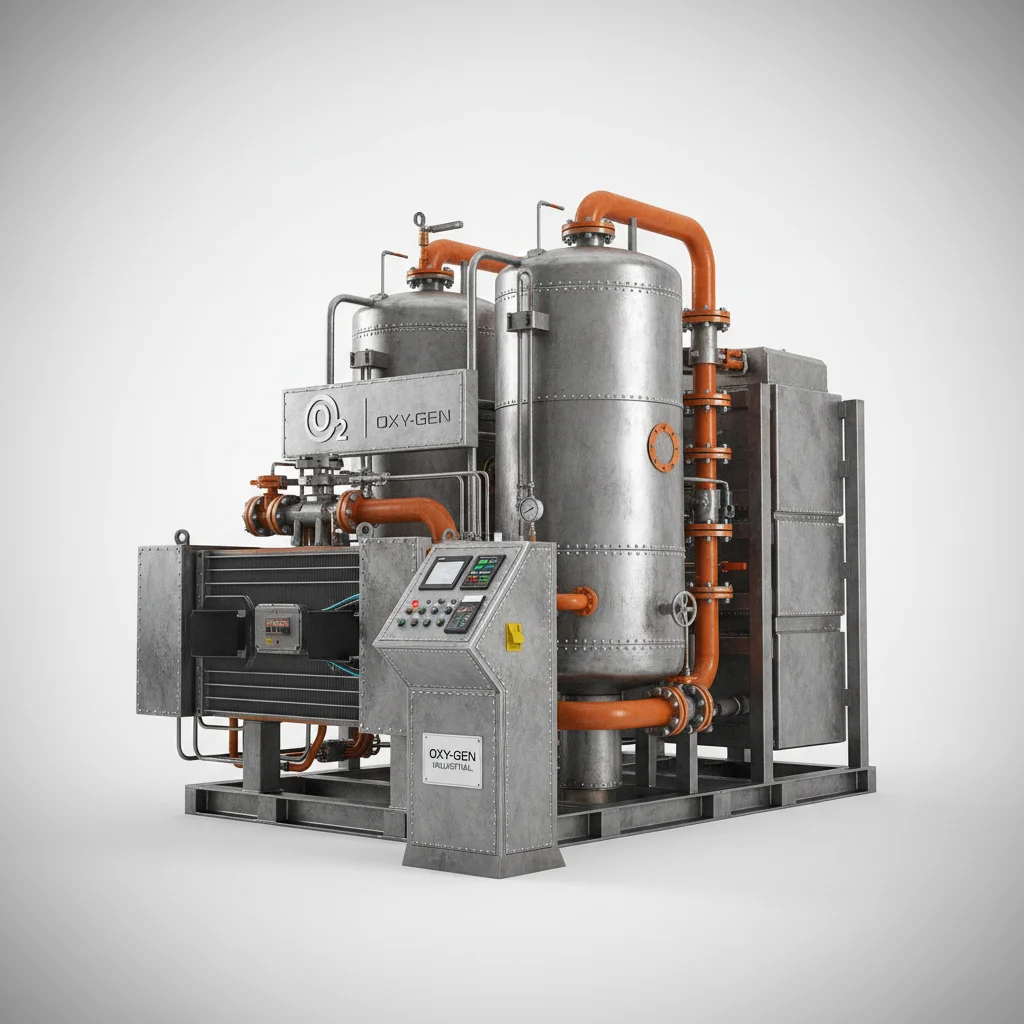
In the modern industrial landscape, the pursuit of efficiency and sustainability has led to the emergence of specialized sealing and filtration solutions. While many sectors focus on disposable components, the concept of the rechargeable air filter represents a shift toward longevity and reduced waste, mirroring the evolution of high-performance industrial rubber components used in critical sealing applications.
Integrating high-grade materials into air management systems ensures that purity and pressure are maintained without frequent replacements. This synergy between material science and environmental engineering is essential for industries ranging from food processing to automotive manufacturing, where precision-engineered seals and filtration systems work in tandem to ensure operational safety.
Understanding the intersection of these technologies allows businesses to optimize their overhead costs while adhering to strict global health standards. By exploring the utility of a rechargeable air filter, companies can better appreciate the role of durable elastomers and customized sealing rings in creating a closed-loop, sustainable industrial ecosystem.

Global Relevance of Rechargeable Air Filter Systems
The global demand for clean air and precise environmental control has surged, particularly following the stringent guidelines set by ISO standards for air quality. In industrial settings, the implementation of a rechargeable air filter system reduces the reliance on single-use plastics and non-biodegradable fibers, addressing the urgent need for waste reduction across the manufacturing sector.
As urban pollution increases, the need for scalable and durable filtration has become a priority for governments and private enterprises alike. By moving toward rechargeable and washable systems, industries can significantly lower their carbon footprint while maintaining the high pressure and purity levels required for specialized rubber and plastic production.
Defining the Modern Rechargeable Air Filter
A rechargeable air filter refers to a filtration system designed for repeated use through a cleaning or "recharging" process, rather than being discarded after a single saturation point. Unlike traditional HEPA filters that are replaced entirely, these systems utilize advanced materials that can be restored to their original efficiency, often through ultrasonic cleaning or electrostatic regeneration.
In the context of modern industry, this technology is closely linked to the use of high-performance elastomers. For instance, the seals that hold these filters in place must be food-grade or industrial-grade silicone to prevent air leaks, ensuring that the air is forced through the medium and not around it.
This connection to humanitarian and industrial needs is evident in remote zones where supply chains are unstable. A system that can be maintained on-site without the need for constant imported replacements provides a level of operational autonomy that is critical for stability and safety.
Core Components of Filtration and Sealing
The efficacy of a rechargeable air filter depends heavily on its structural integrity. The primary medium must be durable enough to withstand repeated cleaning cycles without degrading, while the housing must be robust to maintain a vacuum-tight seal.
A critical but often overlooked component is the sealing ring. For a rechargeable air filter to function, the connection between the filter frame and the machine must be airtight. Customized food-grade silicone sealing rings are often employed here due to their thermal stability and resistance to chemical degradation.
Furthermore, scalability is achieved through modular designs. By using standardized fasteners and interchangeable rubber sealing rings, industries can quickly adapt their filtration systems to meet different volume requirements without redesigning the entire infrastructure.
Performance Metrics and Cost Efficiency
When evaluating the transition from disposable to reusable systems, the primary metric is the Total Cost of Ownership (TCO). While the initial investment in a rechargeable air filter is higher, the elimination of recurring purchase costs and waste disposal fees leads to a break-even point usually within the first 18 months of operation.
Beyond financial metrics, the operational reliability of these systems is paramount. High-quality seals ensure that there is no "bypass air," which would otherwise compromise the purity of the filtered air and lead to potential contamination in sensitive manufacturing environments.
Comparative Efficiency of Air Filtration Methods
Global Applications and Industry Use Cases
In pharmaceutical and food-grade manufacturing, the use of a rechargeable air filter combined with food-safe silicone seals is non-negotiable. These industries require environments where airborne particulates are zero, and the materials used in the filtration housing must not leach chemicals into the air stream.
In remote industrial zones or post-disaster relief operations, these systems provide a lifeline. The ability to clean and reuse filters means that clean air can be maintained in field hospitals or temporary laboratories without waiting for shipments of disposable consumables.
Long-Term Value and Sustainability
The shift toward sustainable manufacturing is not merely an ethical choice but a strategic one. By implementing a rechargeable air filter, companies reduce their environmental impact and align themselves with the circular economy, where products are designed for longevity and reuse.
The emotional value of this transition is reflected in brand trust. Customers are increasingly favoring companies that demonstrate a commitment to sustainability. Using high-durability components, such as custom rubber sealing rings that last for years instead of months, signals a commitment to quality and environmental stewardship.
Logistically, the reduction in waste volume simplifies facility management. Instead of managing tons of contaminated filter waste, companies can implement a centralized cleaning protocol, streamlining the maintenance workflow and reducing labor costs associated with frequent replacements.
Future Trends in Air Filtration Technology
The future of air filtration lies in the integration of "smart" materials. We are seeing the rise of self-cleaning membranes that utilize piezoelectric vibrations to shed particulates, effectively creating a rechargeable air filter that requires almost zero manual intervention.
Digital transformation is also playing a role. IoT sensors are now being embedded into sealing rings and filter housings to monitor pressure drops in real-time. This allows for predictive maintenance, where the "recharge" or cleaning cycle is triggered exactly when needed, rather than on a fixed schedule.
Sustainability policies are expected to tighten, with potential taxes on single-use industrial filters. Consequently, the adoption of durable, reusable systems will likely move from an "innovation" to a regulatory requirement in the next decade.
Analysis of Rechargeable Air Filter System Specifications
| System Type |
Material Base |
Seal Grade |
Lifecycle Score |
| Industrial Grade |
Stainless Steel / Polymer |
Industrial Rubber |
8/10 |
| Food Grade |
Medical Silicone / HEPA |
FDA Silicone |
9/10 |
| Medical Grade |
Ultra-Fine Ceramic |
Platinum Silicone |
10/10 |
| Consumer Grade |
ABS Plastic / Nylon |
Standard Rubber |
6/10 |
| Lab Grade |
Glass / Polymer Hybrid |
Viton Rubber |
7/10 |
| Heavy Duty |
Reinforced Alloy |
Nitril Rubber |
8/10 |
FAQS
A rechargeable air filter is a reusable filtration system that can be restored to its original cleaning efficiency through a specific "recharging" process, such as ultrasonic cleaning, chemical washing, or electrostatic reset. Unlike disposable filters that are thrown away when clogged, these systems are designed for long-term use, utilizing durable materials and high-quality seals to maintain air purity over many cycles.
Yes, when properly maintained, they can match or exceed the performance of disposable filters. The key is the integrity of the sealing system. By using custom silicone sealing rings, these systems prevent air bypass, ensuring all air passes through the filter medium. This results in a consistent filtration rate that does not degrade as long as the recharge protocol is followed.
The frequency depends on the environment. In a cleanroom setting, a recharge may only be necessary every six months. In heavy industrial zones with high particulate loads, it might be weekly. Many modern systems now use IoT sensors to notify operators exactly when the pressure drop indicates that a cleaning cycle is required.
The upfront cost is generally higher because the materials—such as reinforced alloys and food-grade silicone seals—are more expensive than the paper or plastic used in disposable filters. However, the cost per year drops drastically after the first 12-18 months because you are no longer purchasing replacement filters in bulk.
Absolutely. When equipped with FDA-compliant food-grade silicone sealing rings and certified medical-grade filter media, these systems are ideal for sterile environments. They reduce the risk of contamination associated with the frequent installation and removal of disposable components.
The most effective way is to perform a pressure decay test. If the system holds pressure, the silicone sealing rings are performing correctly. We recommend inspecting the rubber seals for wear or cracking every six months and replacing them with customized, high-durability fasteners to ensure a continuous airtight seal.
Conclusion
The transition toward a rechargeable air filter paradigm represents a critical evolution in industrial air management. By combining durable, reusable filtration media with high-performance sealing solutions—such as customized food-grade silicone rings—industries can achieve a perfect balance between operational purity, cost-efficiency, and environmental responsibility. This holistic approach not only reduces waste but enhances the overall reliability of critical infrastructure.
Looking ahead, the integration of smart sensors and self-cleaning materials will further diminish the maintenance burden of these systems. We encourage manufacturers to audit their current filtration waste and explore the long-term value of reusable alternatives. For those seeking high-precision sealing solutions to support these systems, visit our website: www.gyfsilicone.com.