March 24, 2026
Platinum-cured silicone tubing is a highly versatile material finding increasing applications across diverse industries, from medical devices and laboratory equipment to food processing and automotive engineering. Its biocompatibility, chemical inertness, and exceptional temperature resistance make it a superior alternative to many traditional tubing materials. This article delves into the properties, benefits, applications, and considerations for choosing platinum-cured silicone tube, providing a valuable resource for engineers, purchasers, and anyone seeking a reliable and high-performance tubing solution.
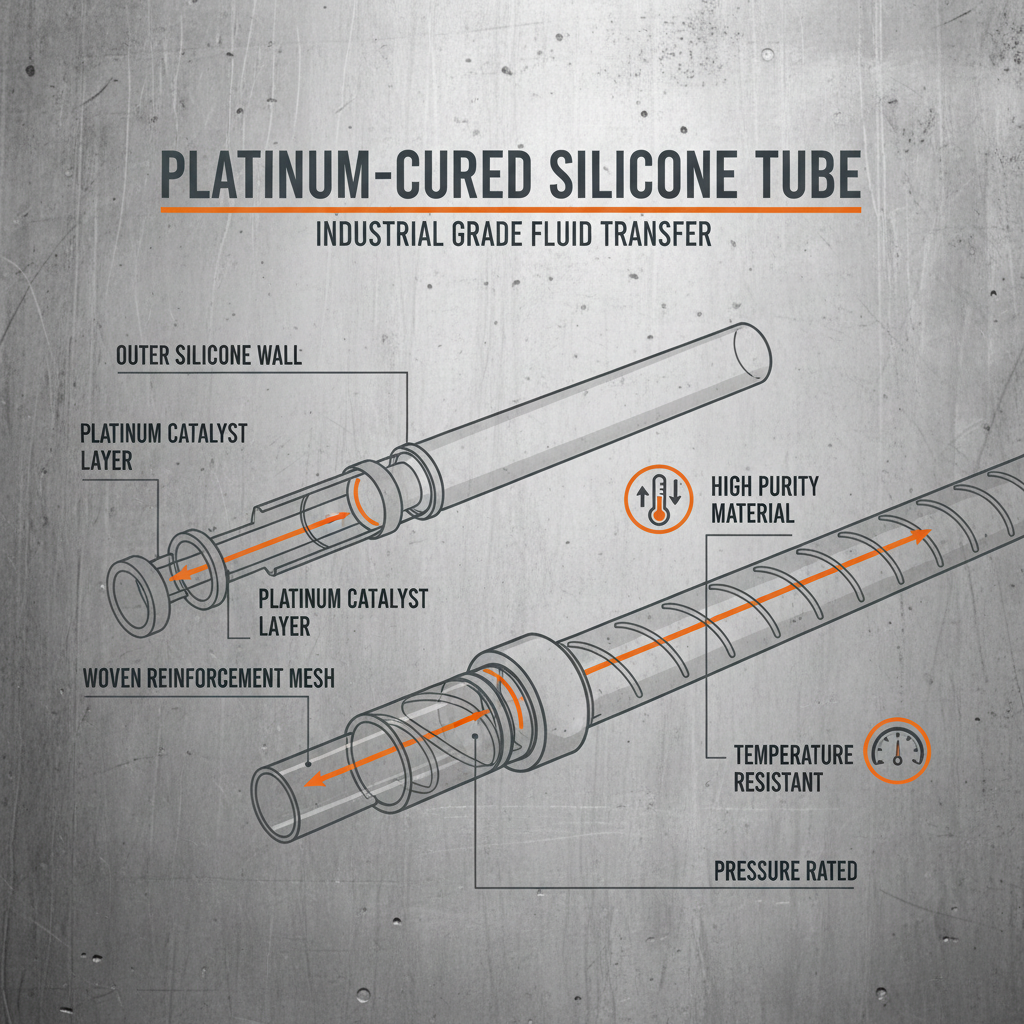
Platinum-cured silicone is a type of silicone elastomer that utilizes a platinum catalyst during the curing process. This differs from peroxide-cured silicone, and results in a superior product with key advantages. Platinum curing minimizes the presence of volatile organic compounds (VOCs) and leachables, making it ideal for sensitive applications like medical and food-grade products. Furthermore, platinum-cured silicone exhibits enhanced clarity, improved mechanical properties, and greater long-term stability. The silicone tube’s inherent flexibility and resistance to extreme temperatures make it perfect for a variety of application.
Key Highlights: Platinum curing minimizes VOCs, leading to improved biocompatibility and long-term stability. Ideal for demanding applications where purity and performance are critical.
Platinum-cured silicone tubing possesses a unique combination of properties that set it apart from other materials. These include excellent flexibility, even at low temperatures, outstanding resistance to chemicals, UV radiation, and ozone. It's also non-toxic, odorless, and tasteless, making it safe for contact with food and beverages. The material boasts a wide temperature range, typically from -60°C to +200°C (and even higher in some formulations), and maintains its elasticity and performance throughout this range. This makes platinum-cured silicone tubing extremely durable and reliable in harsh environments.
Key Property Benefits:
• Flexibility: Allows for easy routing and installation in tight spaces.
• Chemical Resistance: Ensures compatibility with a wide range of fluids and substances.
• Temperature Resistance: Enables use in extreme temperature environments.
• Biocompatibility: Suitable for medical and food-grade applications.
The choice between platinum-cured and peroxide-cured silicone tubing depends on the specific application requirements. While both offer good performance, they differ significantly in their properties. Platinum curing offers superior purity and biocompatibility, while peroxide curing is generally more cost-effective. Here’s a detailed comparison:
The versatility of platinum-cured silicone tube makes it an essential component in many industries. Some key applications include:
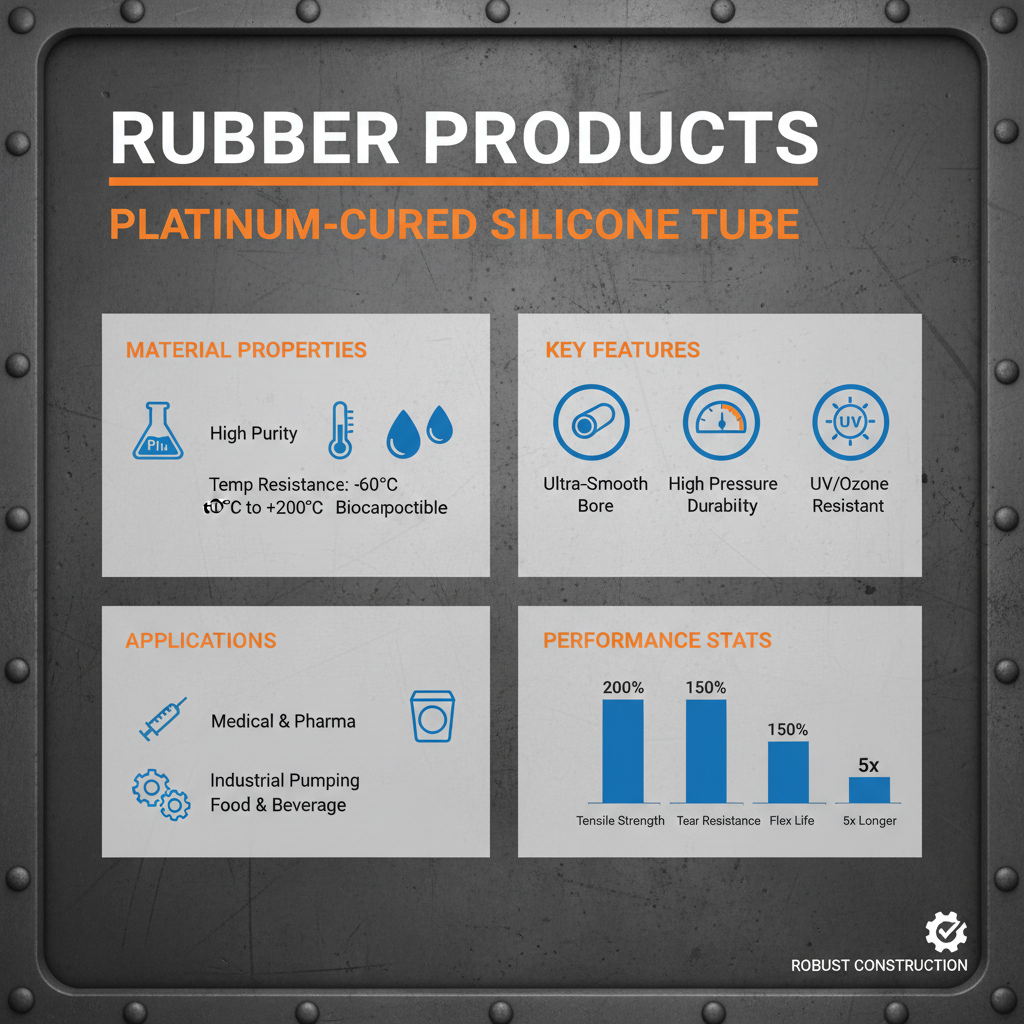
Selecting the appropriate platinum-cured silicone tube requires careful consideration of several factors, including inner diameter (ID), outer diameter (OD), wall thickness, durometer (hardness), and length. Ensure the tubing meets relevant industry standards (e.g., USP Class VI for medical applications, FDA compliance for food contact). Consider the specific fluid being transferred, operating temperature, and pressure requirements. Working with a reputable supplier like GYF Silicone can ensure you receive a high-quality product tailored to your needs.
Platinum-cured silicone tubing offers an unparalleled combination of properties, making it the ideal choice for a wide range of demanding applications. Its biocompatibility, chemical inertness, and temperature resistance ensure reliable performance and long-term durability. Partnering with a trusted supplier like GYF Silicone guarantees you receive a high-quality product tailored to your specific needs. Invest in platinum-cured silicone tubing for optimal safety, performance, and peace of mind.
Generally, platinum-cured silicone tubing can withstand temperatures ranging from -60°C (-76°F) to +200°C (+392°F). However, some specialized formulations can handle even higher or lower temperatures. It’s crucial to consult the manufacturer’s specifications for the precise temperature range of a specific tubing product. Prolonged exposure to extreme temperatures, even within the specified range, can affect the material's long-term performance. Maintaining proper temperature control is vital for optimal performance and longevity.
Yes, platinum-cured silicone is often preferred for long-term implantation due to its exceptional biocompatibility and minimal leachables. However, it’s vital to select a grade specifically designed for implantable applications, such as USP Class VI certified material. Thorough testing and validation are essential to ensure the tubing meets the necessary biocompatibility standards and performs reliably within the body over an extended period. Careful consideration of the specific application and potential interactions with bodily fluids is also crucial.
Platinum-cured silicone tubing can be cleaned with mild detergents and warm water. Avoid using abrasive cleaners or solvents, as these can damage the material. Sterilization methods typically include autoclaving, gamma irradiation, or ethylene oxide (EtO) sterilization. Always verify the manufacturer’s recommendations for the appropriate sterilization method and cycle parameters, as improper sterilization can affect the tubing’s properties. Thorough rinsing after sterilization is also essential to remove any residual sterilant.
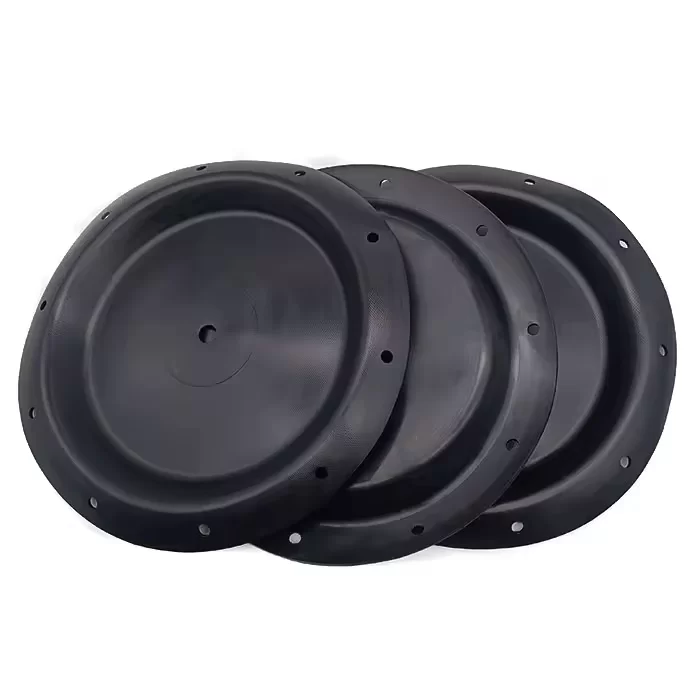
Long Service Life Pneumatic Diaphragm Pump Silicone Rubber Diaphragm
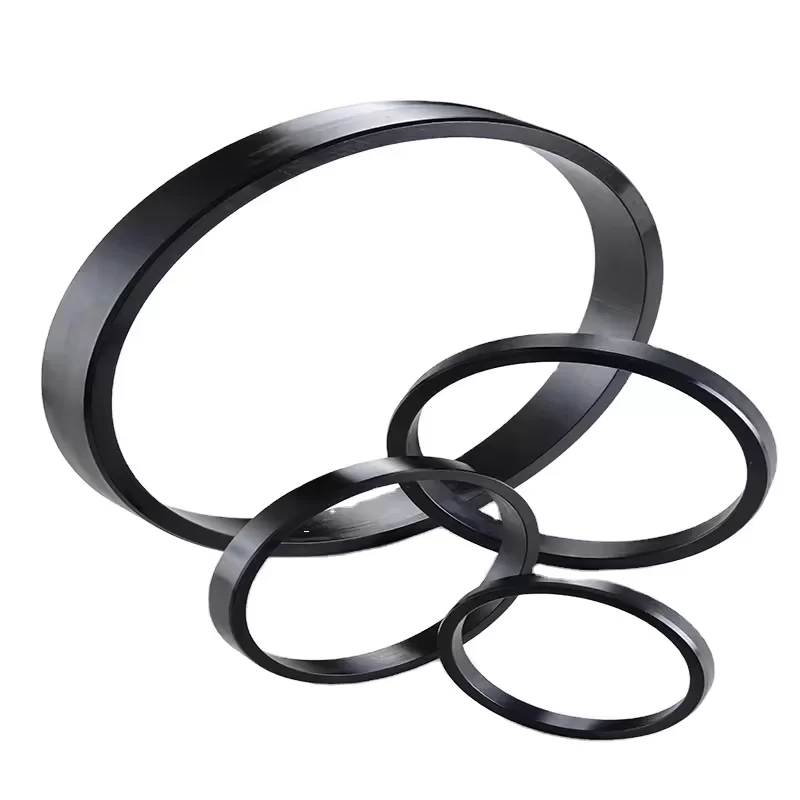
Rubber SealNBR Ring for Hydraulic Cylinders Piston
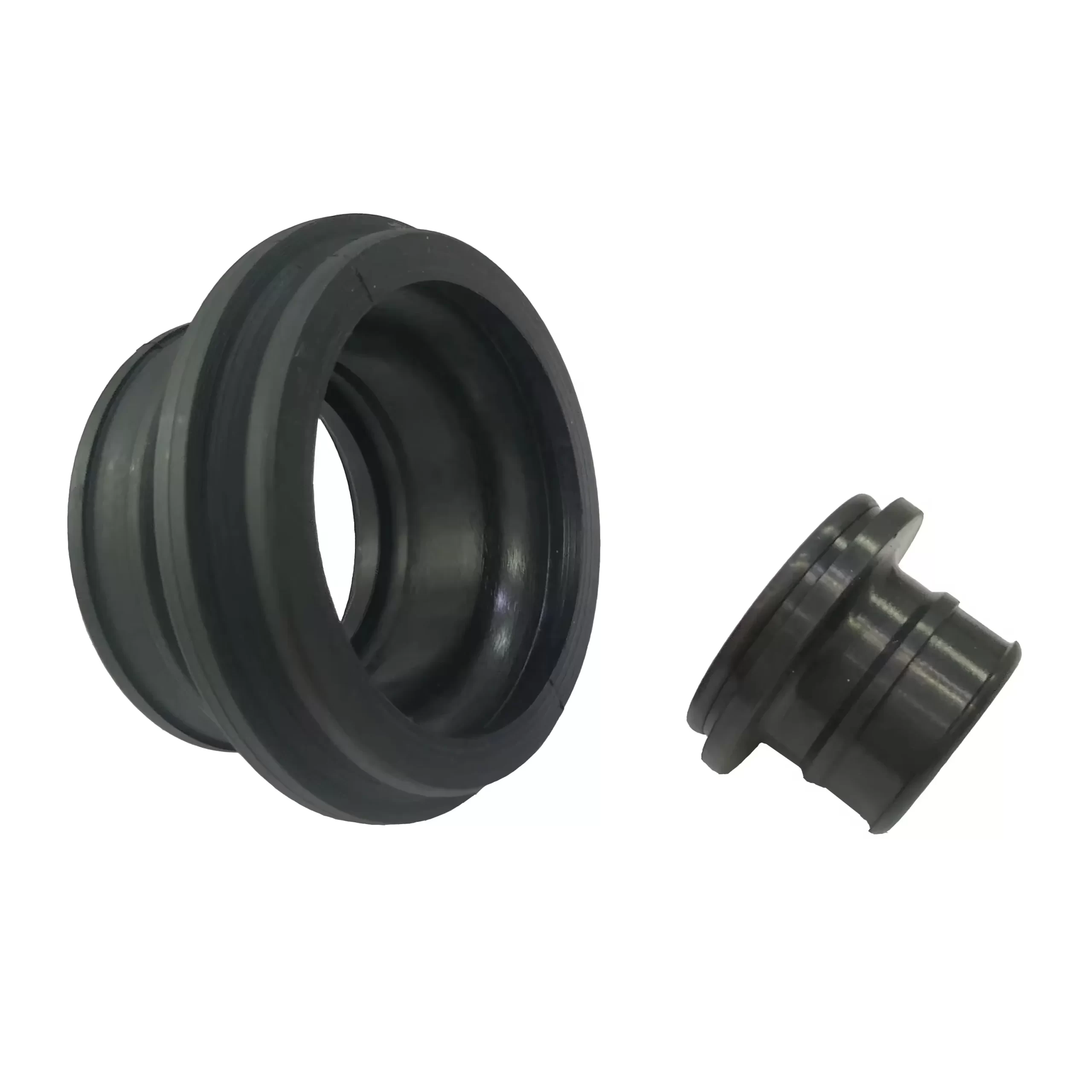
Similar MONO Progressive Cavity Pump Pin Seal

Apr 17, 2026
Advanced Air Sterilization Machine for Indoor Air Quality and Safety