March 26, 2026
Peristaltic pumps are vital in various industries, and the silicone tube used within them is a critical component. This article delves into the properties, applications, benefits, and selection criteria of peristaltic pump silicone tubing, providing a comprehensive guide for professionals and buyers. Choosing the right tubing is crucial for optimal pump performance and longevity.
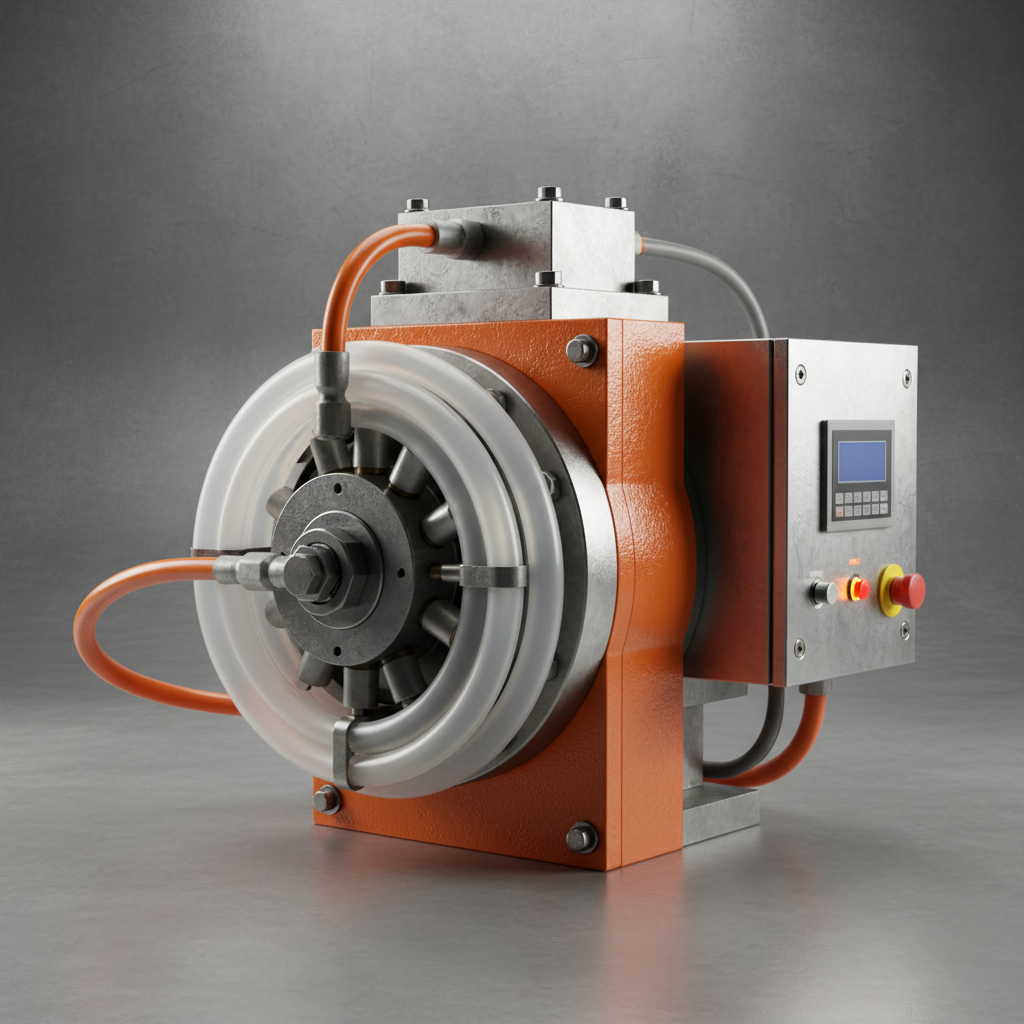
A peristaltic pump silicone tube is a flexible tube that forms the core of a peristaltic pump. The pump mechanism uses rollers to compress the tube, creating a vacuum that draws fluid in and then pushes it forward. Silicone is the preferred material for these tubes due to its excellent chemical resistance, flexibility, temperature tolerance, and biocompatibility. It provides a seal with the pump head and ensures efficient fluid transfer. These tubes are essential for accurately metering fluids in demanding applications. GYF Silicone provides high-quality tubes tailored to diverse peristaltic pump needs.
Key Benefits: Superior chemical resistance, excellent flexibility, wide temperature range, biocompatibility for medical applications, and long service life.
Peristaltic pump silicone tubes find application in a wide range of industries. In the pharmaceutical sector, they are used for accurate dispensing of medications and sterile fluids. The food and beverage industry utilizes them for transferring ingredients and additives. Chemical processing relies on their chemical resistance for handling corrosive materials. Wastewater treatment uses them for dosing chemicals. Additionally, they are common in laboratory research for precise fluid handling. They are even used in 3D printing for dispensing resins and other materials. GYF Silicone’s tubes are designed to meet the rigorous demands of these diverse applications.
Industry Applications:
• Pharmaceutical & Biotech
• Food & Beverage
• Chemical Processing
• Wastewater Treatment
• Laboratory & Research
While various materials can be used for peristaltic pump tubing, silicone stands out for its unique properties. Compared to PVC or rubber, silicone offers superior temperature resistance, chemical compatibility, and flexibility. Though PTFE (Teflon) provides even greater chemical resistance, it's significantly more expensive and less flexible than silicone. The choice of material ultimately depends on the specific application and fluid being handled. GYF Silicone offers a wide range of silicone formulations optimized for different chemical environments.
Choosing the appropriate silicone tube for your peristaltic pump depends on several factors. Consider the chemical compatibility of the tube with the fluid being pumped, the required temperature range, the desired flow rate, and the pump's dimensions. Tube wall thickness also impacts durability and pressure resistance. It is crucial to select a tube that meets industry standards and is certified for its intended application, especially in sensitive industries like pharmaceuticals and food processing. GYF Silicone offers expert guidance to help you select the optimal tubing for your specific needs.
The peristaltic pump silicone tube is a crucial component in numerous industrial applications. Selecting the right tube based on chemical compatibility, temperature requirements, and application-specific needs is paramount for optimal pump performance and longevity. Investing in high-quality silicone tubing from a reputable supplier like GYF Silicone ensures reliability, durability, and efficient fluid transfer.
The lifespan of a peristaltic pump silicone tube varies depending on factors like the pumped media, pump speed, and tube quality. Generally, a well-maintained silicone tube can last from several months to over a year. Signs of wear include cracks, hardening, or decreased flexibility. Regularly inspecting the tube for damage is crucial. Aggressive chemicals or high pumping speeds will shorten the tube's lifespan. GYF Silicone’s tubes are designed for extended durability and resistance to wear.
Yes, silicone tubing is highly amenable to sterilization. It can withstand autoclaving, gamma irradiation, and ethylene oxide (EtO) sterilization. However, it's essential to verify the specific sterilization compatibility of the silicone formulation with the manufacturer, as some additives may be affected. Proper sterilization is critical in pharmaceutical, biotech, and food processing applications to ensure product purity. GYF Silicone offers medical-grade silicone tubing specifically designed for sterilization.
Choosing the correct tube size is vital for optimal pump performance. The inner diameter (ID) determines the flow rate, while the outer diameter (OD) must be compatible with the pump head. A larger ID allows for higher flow rates, but may reduce the pump's suction capability. The tube wall thickness affects pressure resistance and durability. Consult the pump manufacturer's specifications and GYF Silicone’s sizing guide to ensure a proper fit.
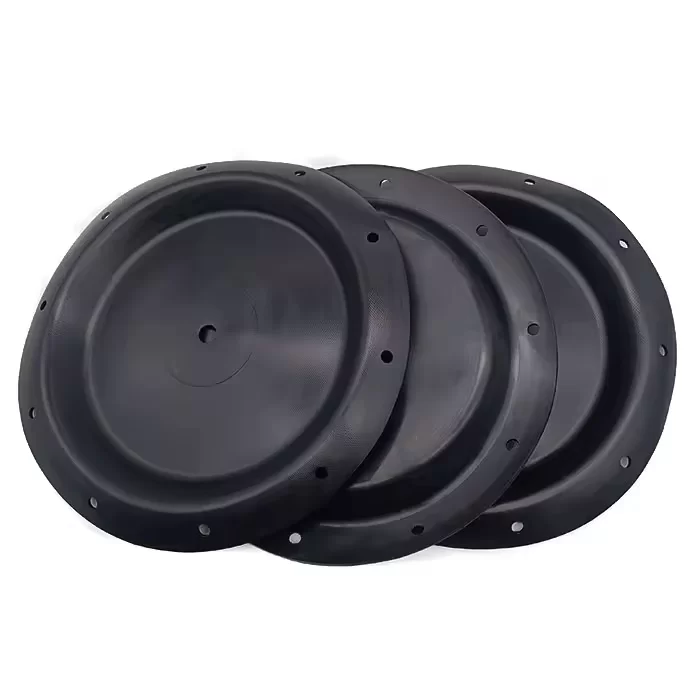
Long Service Life Pneumatic Diaphragm Pump Silicone Rubber Diaphragm
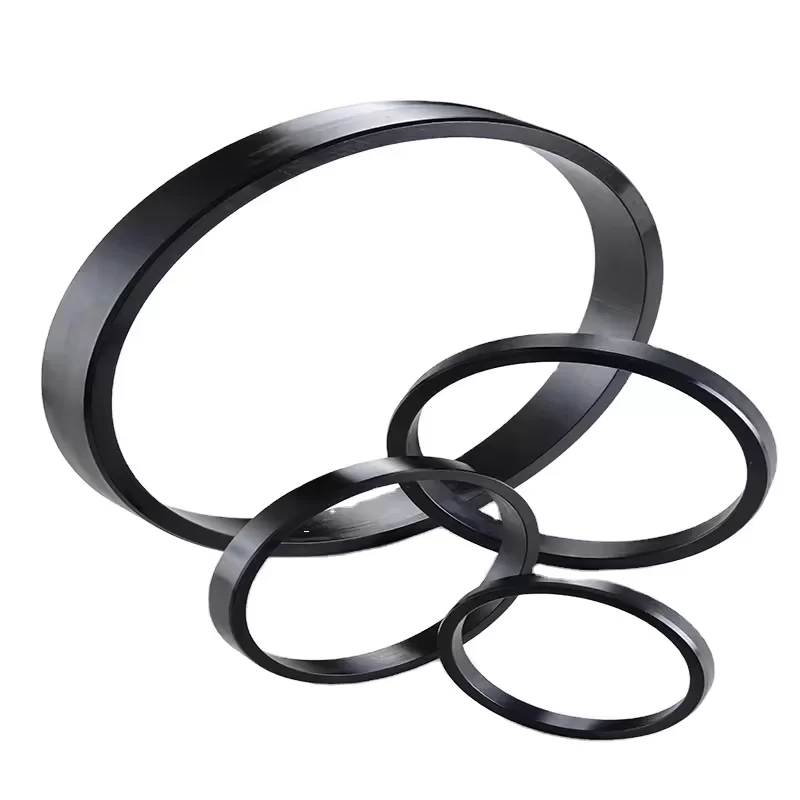
Rubber SealNBR Ring for Hydraulic Cylinders Piston
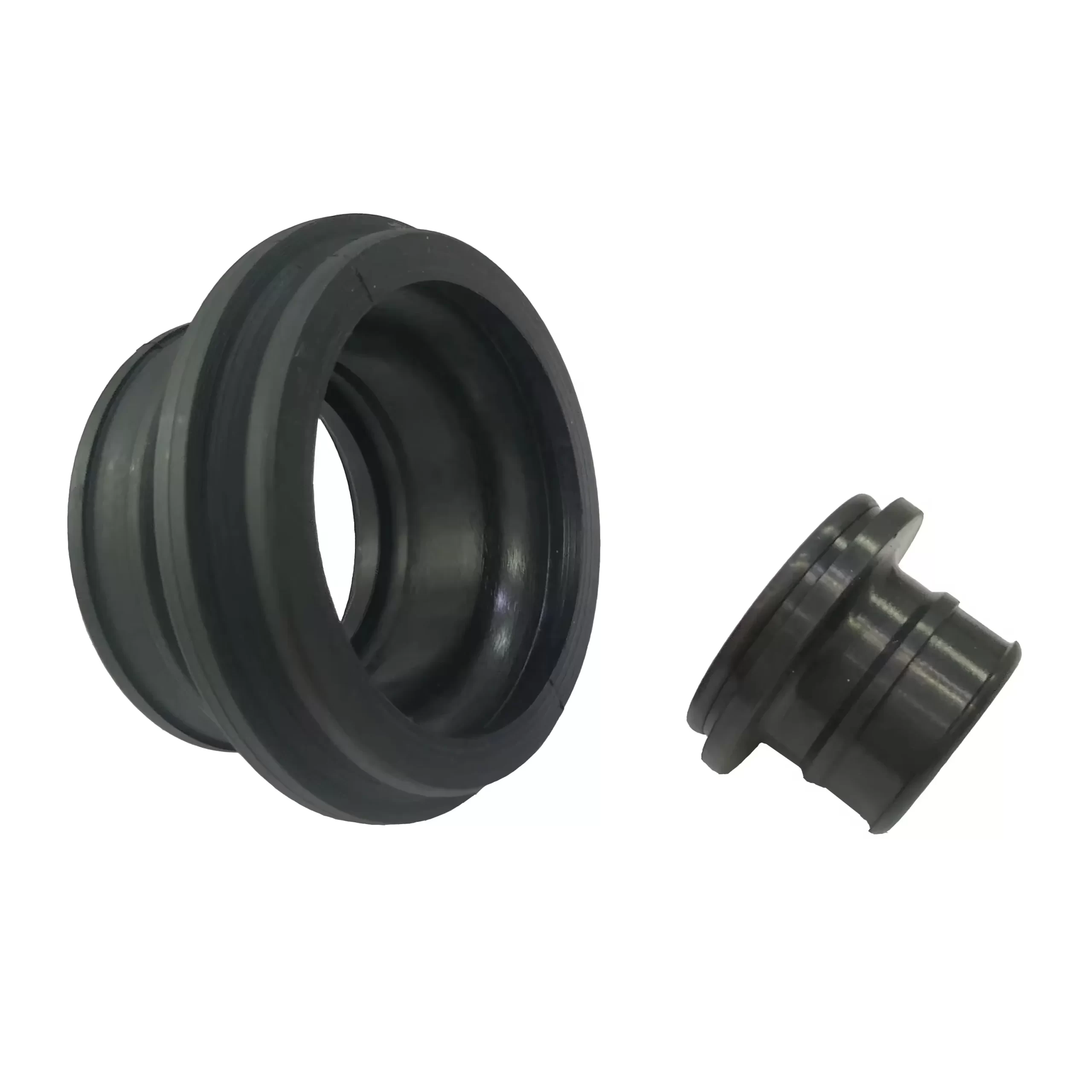
Similar MONO Progressive Cavity Pump Pin Seal

Apr 17, 2026
Advanced Air Sterilization Machine for Indoor Air Quality and Safety