


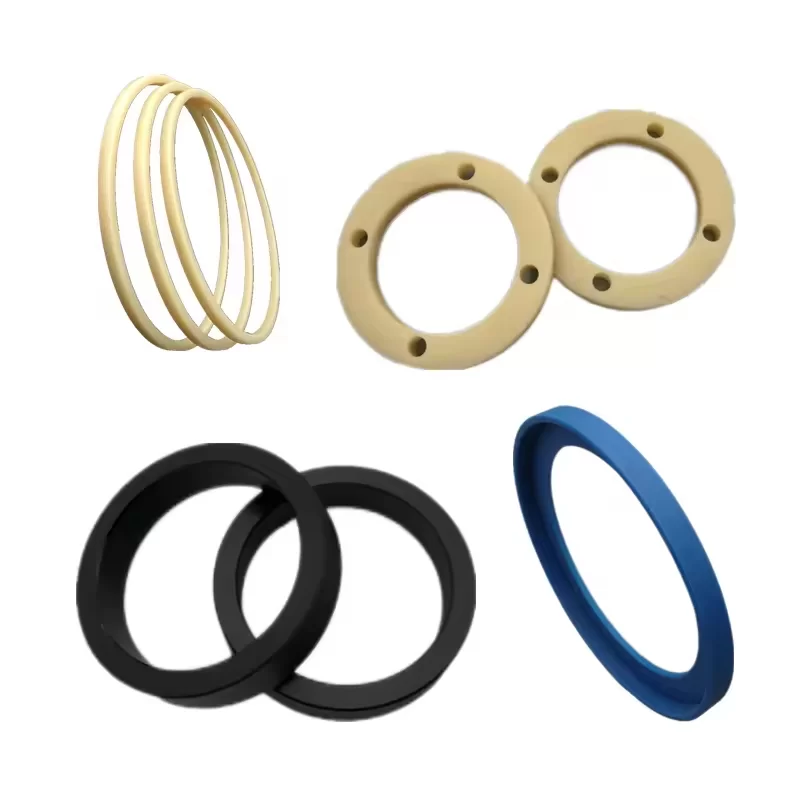
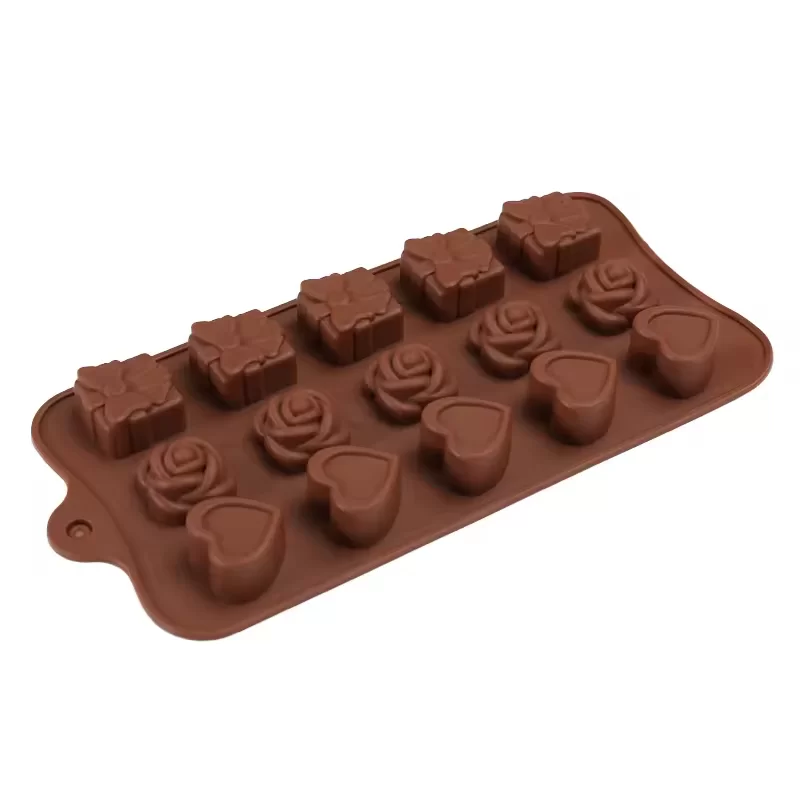
Japan's manufacturing sector is characterized by an uncompromising commitment to quality (Monozukuri) and a high density of precision engineering firms. In the rubber and plastics industry, there is a significant shift toward materials that offer biocompatibility and environmental resistance, particularly within the medical device and automotive electronics clusters in regions like Kanagawa and Aichi.
The local commercial environment favors suppliers who can integrate seamlessly into just-in-time (JIT) supply chains. With a sophisticated infrastructure and a high business density in urban centers, Japanese procurement officers prioritize long-term reliability, rigorous certification compliance, and the ability to handle complex, small-batch customized orders without sacrificing tolerance levels.
Despite the advanced local ecosystem, many Japanese firms face challenges in sourcing agile partners who can provide rapid mold development. The gap between high-cost domestic production and the need for competitive scalability often creates a demand for global partners who possess both the technical certifications (such as ISO13485) and the manufacturing capacity to support rapid expansion.