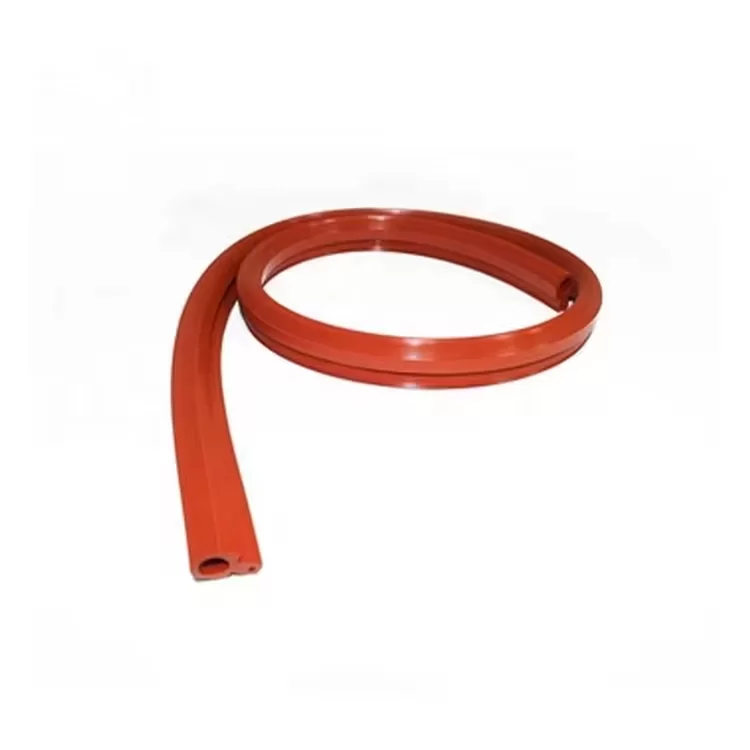


Addressing the critical gaps in material purity, supply consistency, and environmental resilience for local rubber product applications.
High ambient temperatures and humidity in Uganda's tropical climate often cause low-grade rubber to warp or crack, leading to premature failure in outdoor industrial sealing components.
In medical and food processing, the use of non-certified tubing leads to chemical leaching, which poses severe health risks and fails to meet international safety standards for consumer goods.
Inconsistent extrusion diameters in low-end tubing cause leakages in fluid transport systems, forcing frequent maintenance and increasing operational downtime for Ugandan factories.
Heavy reliance on fragmented importers often results in long lead times and inconsistent product batches, disrupting the production schedules of local manufacturing assembly lines.
Cheap, non-durable rubber components require frequent replacement, escalating the total cost of ownership and increasing industrial waste in the regional market.
Difficulty in sourcing materials with verifiable FDA or ISO certifications prevents local exporters from entering high-value international markets due to a lack of material traceability.
Replacing instability with certified precision through an integrated R&D and manufacturing ecosystem.
Utilizing high-grade silicone with superior thermal stability to ensure that products remain flexible and airtight despite Uganda's humidity and temperature fluctuations.
Implementing Food-Grade Silicone Tube and medical-grade polymers certified by FDA and ISO13485 to eliminate leaching and ensure biocompatibility.
Deploying 12 advanced extrusion lines with real-time monitoring to maintain strict tolerance levels, ensuring a perfect fit for all fluid and air transport applications.
Operating four global production bases to optimize logistics and ensure a stable, high-volume supply of components, reducing lead times for Ugandan partners.
Applying high-density cross-linking processes to increase wear resistance, significantly reducing the frequency of component replacement and lowering operational costs.
Providing comprehensive certification documentation (IATF16949, ISO9001) for every batch, enabling local firms to meet stringent export and regulatory requirements.
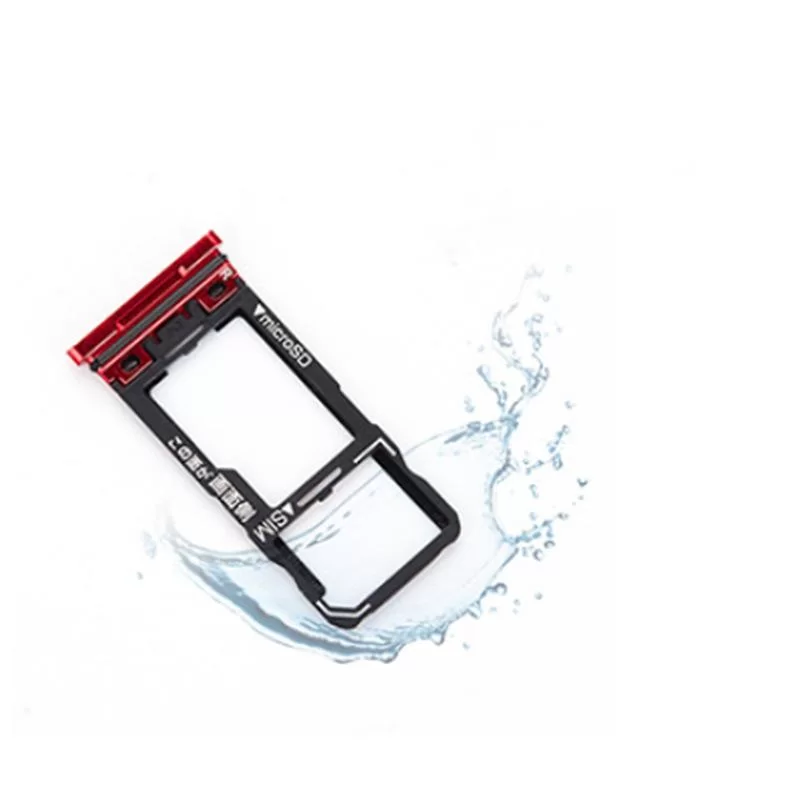
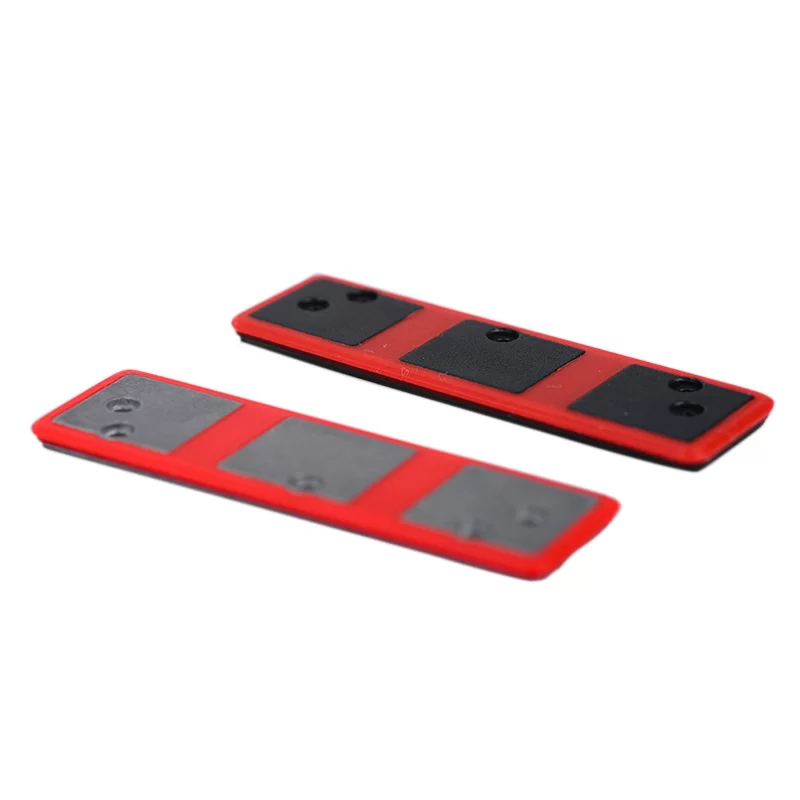
Verifiable infrastructure supporting high-volume, precision rubber production for global markets.
Analyzing the intersection of industrial growth and material requirements in East Africa.
Uganda's industrial sector is currently undergoing a transition toward higher precision manufacturing, particularly in the agricultural processing and healthcare sectors. In these environments, the demand for specialized rubber components—such as Medical-Grade Silicone Tube—is rising. However, the local market has traditionally been dominated by general-purpose rubber that lacks the chemical resistance and purity required for high-stakes applications. This gap creates a significant need for professional-grade extruded products that can withstand both the operational stress of processing plants and the environmental challenges of the region.
Current market trends indicate a shift toward "safe-by-design" components. As Ugandan businesses seek to align with international standards for export, there is a growing preference for materials with verifiable FDA and ISO certifications. This is particularly evident in the food and beverage industry, where the adoption of high-purity silicone prevents contamination. Furthermore, the rise of smart electronics and wearable technology in urban centers like Kampala is driving demand for precision structural silicone components that offer better durability than traditional PVC or TPE alternatives.
While the opportunity for high-end silicone adoption is vast, the primary constraint remains the lack of localized technical support for customized mold development. Most companies rely on off-the-shelf parts that may not perfectly fit their specific machinery. The outlook for the market suggests that partners capable of providing rapid prototyping and customized extrusion—such as specialized Silicone Door Strip systems for industrial refrigeration—will gain a competitive edge by solving specific operational leakages and energy losses for local firms.
From basic sealing to high-precision, certified material engineering.
The industry has evolved from "functional" to "biocompatible." Modern silicone must not only perform a mechanical task but also ensure zero chemical migration into food or medicine.
Generic tubing is being replaced by custom-profiled extrusions that optimize airflow and fluid dynamics, reducing energy waste in industrial HVAC and pumping systems.
The adoption of IATF16949 and ISO13485 standards globally has forced a move toward rigorous batch testing and material traceability for every component produced.
Identifying the key drivers shaping the next generation of rubber products.
Growing demand for ultra-pure silicone in pharmaceutical delivery systems to eliminate potential contaminants and enhance patient safety.
Integration of recyclable silicone formulations to reduce environmental impact in large-scale industrial replacements.
Using liquid injection molding to create complex structural components that were previously impossible with standard extrusion.
Applying antimicrobial or low-friction coatings to silicone surfaces for specialized healthcare and food-processing environments.
The overarching trend is the move toward "Specialty Application" solutions. Instead of generic tubing, the industry is shifting toward components that are engineered for a specific chemical environment or mechanical stress point. This requires a deep integration between the material scientist and the end-user, where the silicone's shore hardness, tensile strength, and thermal conductivity are tuned to the exact requirements of the machinery.
Additionally, the global supply chain is prioritizing "Resilient Logistics." Companies are establishing regional hubs and diversifying production bases—much like Guangyufeng's presence in China and Thailand—to ensure that geopolitical shifts or local disruptions do not halt the delivery of critical components to emerging markets like Uganda.
How specialized silicone components solve specific local operational challenges.
In clinical environments, the use of low-cost PVC tubing often leads to phthalate leaching and inadequate sterilization resistance. By implementing Medical-Grade Silicone Tube, facilities can ensure biocompatibility and withstand repeated high-temperature autoclaving, reducing the risk of cross-contamination and increasing the lifespan of fluid delivery systems.
Dairy and beverage plants often struggle with tubing that harbors bacteria in microscopic cracks. Utilizing Food-Grade Silicone Tube provides a non-porous, chemically inert surface that is easy to clean (CIP) and resists the aggressive cleaning agents used in food safety protocols, ensuring compliance with export standards.
Cold chain logistics hubs in Uganda face significant energy loss due to degraded door seals that crack in fluctuating temperatures. Installing custom-extruded Silicone Door Strip components ensures a permanent airtight seal that remains flexible at low temperatures, drastically reducing electricity costs and preventing food spoilage.
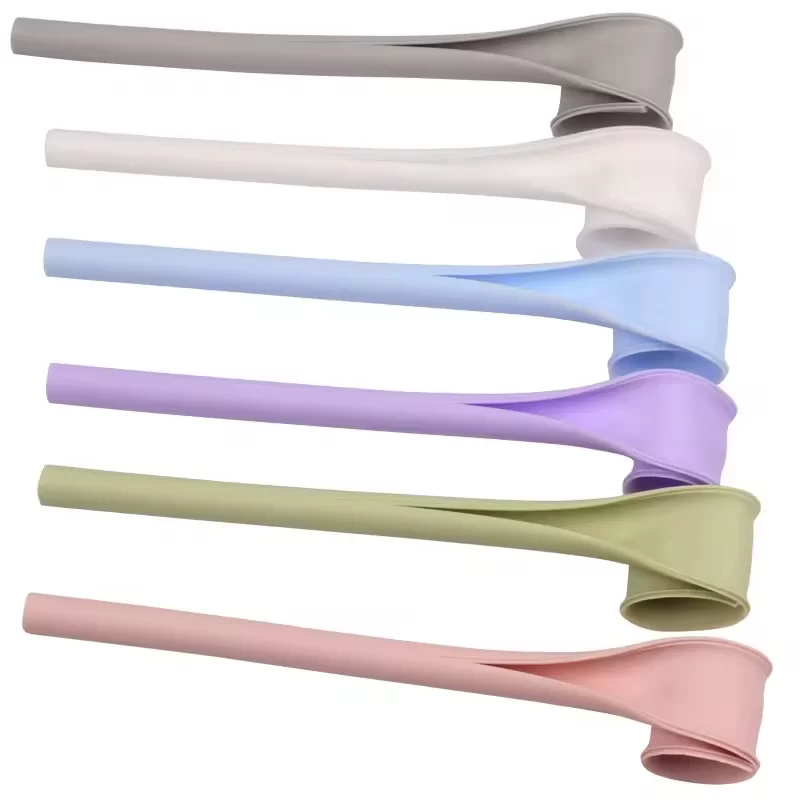
With a growing push toward reducing single-use plastics in Ugandan urban centers, commercial beverage providers are transitioning to reusable Silicone Straw products. These are heat-resistant, BPA-free, and durable, providing a sustainable alternative that maintains taste neutrality and hygiene for the end consumer.
Local automotive workshops often deal with rubber hoses that fail under the high heat of engine bays in tropical weather. Switching to high-performance Extruded Silicone Tube prevents collapse under vacuum and resists oil degradation, extending the service interval for vehicle cooling and air intake systems.
Illustrating the operational benefits of transitioning to certified silicone solutions.
Transitioning to certified food-grade silicone tubing has fundamentally changed our quality control. We no longer face the periodic contamination issues associated with generic rubber, and our compliance audits for international export are now seamless.
The thermal stability of precision-extruded silicone has significantly reduced our maintenance cycles. In the high-heat environment of our machinery, the components maintain their shape and seal, reducing unplanned downtime by a noticeable margin.
Sourcing medical-grade silicone with full ISO documentation has allowed us to upgrade our clinical equipment's safety profile. The consistency in diameter and material purity is critical for our precision fluid delivery requirements.
A journey from specialized rubber molding to a global provider of high-end silicone solutions.
Guangyufeng was established with a focus on high-end silicone and rubber products, beginning its journey to master the complexities of material science and molding precision.
The group expanded its manufacturing footprint to four major production bases in Shenzhen, Huizhou, Dongguan, and Bangkok, covering over 170,000 square meters to support global demand.
Achieved comprehensive certifications including FDA, ISO13485, and IATF16949, establishing long-term partnerships with global leaders like Samsung, Huawei, Sony, and Foxconn.
Expert answers to help Ugandan businesses select the right rubber components.
Food-grade silicone is designed to meet FDA requirements for contact with food, focusing on non-toxicity and taste neutrality. Medical-grade silicone, certified under ISO13485, adheres to even stricter purity standards to ensure biocompatibility and the absence of impurities that could cause reactions in human tissue or interfere with pharmaceutical purity. For Ugandan clinics, medical-grade is essential, while food processing plants typically require food-grade certification.
High-quality extruded silicone is inherently resistant to UV radiation, ozone, and extreme temperature fluctuations. Unlike traditional rubber, it does not oxidize or become brittle when exposed to tropical heat. This stability is achieved through advanced cross-linking during the vulcanization process, ensuring that the material maintains its elastic properties and sealing integrity for years, even in outdoor or high-temperature industrial environments.
Yes, our independent mold department has a monthly capacity of 30 to 100 sets, allowing us to create bespoke cross-sections for specific machinery. Whether you need a unique gasket profile or a specialized door strip, we can translate your technical drawings into high-precision molds. This ensures a perfect fit, eliminating the leakages often associated with using standard, off-the-shelf rubber components.
To meet international export standards, you should ensure your supplier holds FDA certification for food/medical contact, ISO9001 for quality management, and IATF16949 if the products are for the automotive sector. For environmental and social governance, ISO14001 and SA8000 are increasingly required by European and North American buyers. Guangyufeng provides a full suite of these certifications to ensure your end products are globally compliant.
Shore hardness depends on the intended function. For soft seals or straws, a lower hardness (e.g., 30-50A) is ideal for flexibility. For structural components or industrial tubes that must resist collapsing under pressure, a higher hardness (e.g., 60-80A) is required. We recommend evaluating the mechanical stress of the application; if the component must maintain a precise shape under load, a firmer grade is necessary.
Lead times vary based on mold complexity. Once the design is finalized, mold development typically takes a few weeks, followed by a sample approval phase. Because we operate our own mold department and have 12 extrusion lines, we can significantly accelerate the transition from prototype to mass production. For standard sizes, we can offer much faster delivery via our global production network.
Whether you are upgrading a medical facility in Kampala or optimizing a food processing plant in the heart of Uganda, the right material choice prevents costly downtime. Our team is ready to help you select the ideal grade, hardness, and profile to ensure your operations meet international standards for safety and durability. Take the first step toward certified quality today.
Discuss Your Requirements

