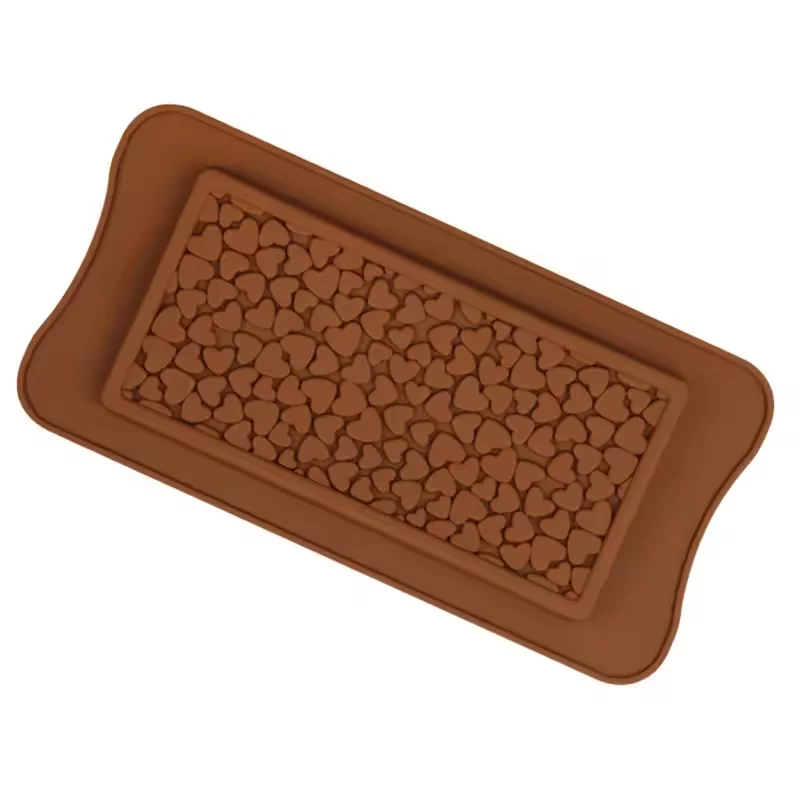


Industrial operators in Qatar face complex procurement hurdles when sourcing high-grade silicone components for extreme environments.
Qatar's extreme ambient temperatures cause standard rubber to harden or crack, leading to critical failures in seal integrity and tubing flexibility in outdoor industrial installations.
Sourcing components that strictly meet FDA or ISO13485 standards is difficult locally, creating compliance risks for medical and food-grade application projects in the region.
Poorly extruded profiles often lead to leakage in door strips or inconsistent flow in tubes, resulting in costly replacements and operational downtime for facility managers.
Standard silicone often reacts with specific industrial solvents used in regional oil and gas services, causing swelling or leaching that compromises product purity.
Heavy reliance on middlemen for specialized silicone shapes leads to extended lead times and a lack of direct technical support for customized engineering requirements.
Non-medical grade tubing used in healthcare settings can introduce particulates or chemical impurities, posing safety risks to patients and violating health regulations.
We resolve regional procurement pain points through vertically integrated manufacturing and certified material science.
We utilize heat-stabilized silicone formulas that maintain elasticity and structural integrity from -60°C to 230°C, specifically designed for the Gulf climate.
Our production lines are certified by FDA, ISO13485, and IATF16949, ensuring every Medical-Grade Silicone Tube meets global safety standards.
With 12 advanced extrusion lines, we ensure micron-level tolerance for Silicone Door Strip profiles to eliminate leaks and air gaps.
We employ platinum-cured silicone to ensure zero leaching and high chemical resistance, preventing reactions in sensitive industrial and laboratory environments.
Our in-house mold department develops 30–100 sets monthly, allowing Qatar-based clients to move from custom CAD designs to physical samples rapidly.
Utilizing liquid injection molding and sanitized extrusion, we produce Food-Grade Silicone Tube components free from industrial contaminants.


Our global infrastructure ensures stable supply and rigorous quality control for high-volume orders.
Understanding the intersection of high-performance materials and the Middle Eastern industrial landscape.
The Qatari market for high-end silicone products is primarily driven by the expansion of healthcare infrastructure and the rigorous demands of the petrochemical sector. In a region characterized by extreme thermal fluctuations and saline coastal air, the demand for materials that offer both chemical inertness and UV resistance is paramount. Consequently, industries in Doha and the North Field regions are shifting away from low-cost elastomers toward medical-grade and food-grade silicone, which provide superior longevity and safety compliance in critical fluid transport and sealing applications.
Current market trends indicate a strong movement toward "Smart Manufacturing" and sustainable materials. There is a growing requirement for specialized components like Extruded Silicone Tube that can integrate with automated medical diagnostic systems or food processing lines. Furthermore, the push for energy efficiency in Qatar's massive cooling and HVAC infrastructure has increased the need for high-precision silicone door strips and thermal gaskets that reduce air leakage, directly impacting operational costs and carbon footprints of commercial buildings.
While the opportunity for high-performance silicone is vast, the main constraint remains the lack of local high-precision tooling. Most companies rely on imported finished goods, which limits the ability to customize components for specific local engineering challenges. The outlook for the next decade suggests that partners who can provide a complete industrial chain—from R&D and mold design to large-scale manufacturing—will dominate the market. The integration of IATF16949 and ISO13485 standards will become the baseline for any provider entering the Qatari medical and automotive auxiliary markets.
From basic rubber molding to high-precision, certified application solutions.
Earlier markets accepted "general purpose" silicone. Today, the focus is on specific grades—such as high-tear strength for industrial seals or low-extractables for medical tubing—tailored to the exact operational environment of the end-user.
LSR technology has revolutionized the industry by allowing for complex geometries with zero waste and higher consistency than traditional peroxide-cured rubbers, enabling the mass production of precision structural components.
There is an increasing emphasis on the recyclability of silicone and the reduction of volatile organic compounds (VOCs) during the curing process to meet stricter environmental regulations in the EU and Middle East.
How technological breakthroughs are redefining the capabilities of rubber products.
The shift toward advanced medical-grade silicones that minimize immune response, critical for long-term implants and precision medical tubing.
Integration of AI-driven sensors in extrusion lines to monitor wall thickness in real-time, ensuring zero-defect production for high-volume orders.
Developing silicone-metal or silicone-plastic overmolding to combine the sealing properties of rubber with the structural strength of hard polymers.
Customizing fluorosilicone blends to withstand aggressive fuels and ozone exposure, specifically for the aerospace and oil sectors in the Gulf.
The trajectory of the silicone industry is moving toward "Smart Materiality," where the product is no longer just a passive seal or tube but a precision-engineered component designed for a specific chemical and thermal lifecycle. For companies in Qatar, this means transitioning from sourcing based on price to sourcing based on "Total Cost of Ownership" (TCO), where the longevity of a certified platinum-cured silicone component outweighs the initial cost of lower-grade alternatives.
Furthermore, the integration of global supply chains is becoming more transparent. With the rise of AI-driven logistics, the ability to track a silicone component from the raw polymer batch to the final extruded length is becoming a requirement for medical and aerospace sectors. This traceability, combined with rigorous certifications like IATF16949, ensures that mission-critical components can be audited and verified, reducing the risk of catastrophic failure in high-pressure industrial environments.
Real-world deployment contexts where precision silicone components drive operational success.
In modern healthcare centers in Doha, the use of Medical-Grade Silicone Tube is essential for patient safety. Given the high humidity and strict sterile requirements, these tubes must be free of leachables and resist biofilm accumulation. By implementing platinum-cured extrusion, facilities ensure that fluid transport remains uncontaminated, meeting rigorous international health standards and reducing the risk of hospital-acquired infections.
Qatar's luxury hotel sector requires food-contact components that can withstand high-temperature sterilization. The deployment of Food-Grade Silicone Tube in beverage dispensing and cooking equipment ensures that no harmful chemicals migrate into food. These components are chosen for their thermal stability and FDA compliance, ensuring a seamless balance between high-volume operational efficiency and consumer safety.
In the glass towers of West Bay, maintaining internal temperature is a critical energy cost. Using high-precision Silicone Door Strip profiles in commercial partitions and external entries prevents conditioned air from escaping. These strips are engineered to resist UV degradation from the intense sun, ensuring that the seals do not crack over time, thus maintaining energy efficiency and reducing HVAC load.
Research labs in Qatar's energy sector utilize specialized Extruded Silicone Tube for transporting aggressive chemical reagents. The scenario requires tubing that is chemically inert to prevent sample contamination. By using high-purity silicone with precise wall thickness, researchers can ensure accurate flow rates and maintain the integrity of sensitive chemical analyses in extreme lab conditions.
With a growing trend toward sustainable living in Qatar, the demand for Silicone Straw and reusable kitchenware has surged. These products require a balance of softness and durability. Utilizing liquid injection molding, these items are produced with high consistency and zero toxicity, providing a safe, sustainable alternative to single-use plastics in urban cafe environments.
How precision silicone components solve real-world operational challenges for professional users.
In high-precision medical environments, the consistency of tubing wall thickness is non-negotiable. Transitioning to certified medical-grade silicone extrusion ensured that our fluid delivery systems maintained constant pressure without the risk of kinking or chemical leaching, significantly improving patient safety outcomes.
Operating in the Gulf's heat requires seals that don't degrade. By replacing standard rubber strips with UV-stabilized silicone profiles, we observed a drastic reduction in air leakage in our commercial facilities, leading to a measurable drop in energy consumption and lower maintenance frequency.
The ability to move from a custom CAD drawing to a physical, food-grade prototype in a matter of days is a game-changer. Having a direct line to the mold department removes the uncertainty of middlemen and ensures that the final extruded product fits our machinery perfectly.
Combining deep technical heritage with global manufacturing scale to lead the silicone industry.
Founded with a vision for high-end silicone production, Guangyufeng began its journey by mastering the fundamentals of rubber chemistry and mold design, establishing a foundation of quality that has lasted nearly 30 years.
The group expanded its footprint to include four major production bases across Shenzhen, Huizhou, Dongguan, and Bangkok, totaling over 170,000 square meters to ensure supply chain stability for global clients.
Achieved a comprehensive suite of international certifications, including FDA, ISO13485, IATF16949, and ISO9001, enabling strategic partnerships with global leaders like Samsung, Sony, and Huawei.
Invested in 138 hydraulic presses and 50 liquid injection molding machines, creating a complete industrial chain from rapid R&D and mold development to precision delivery.
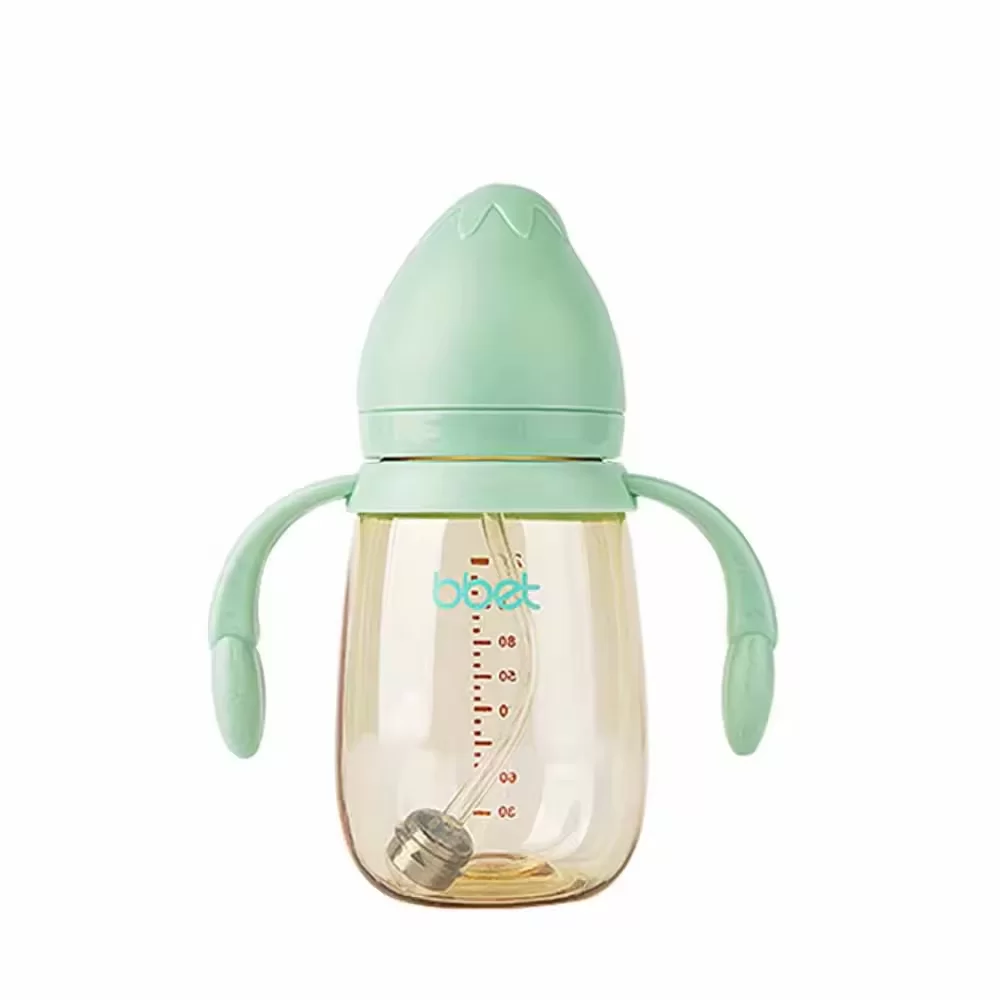
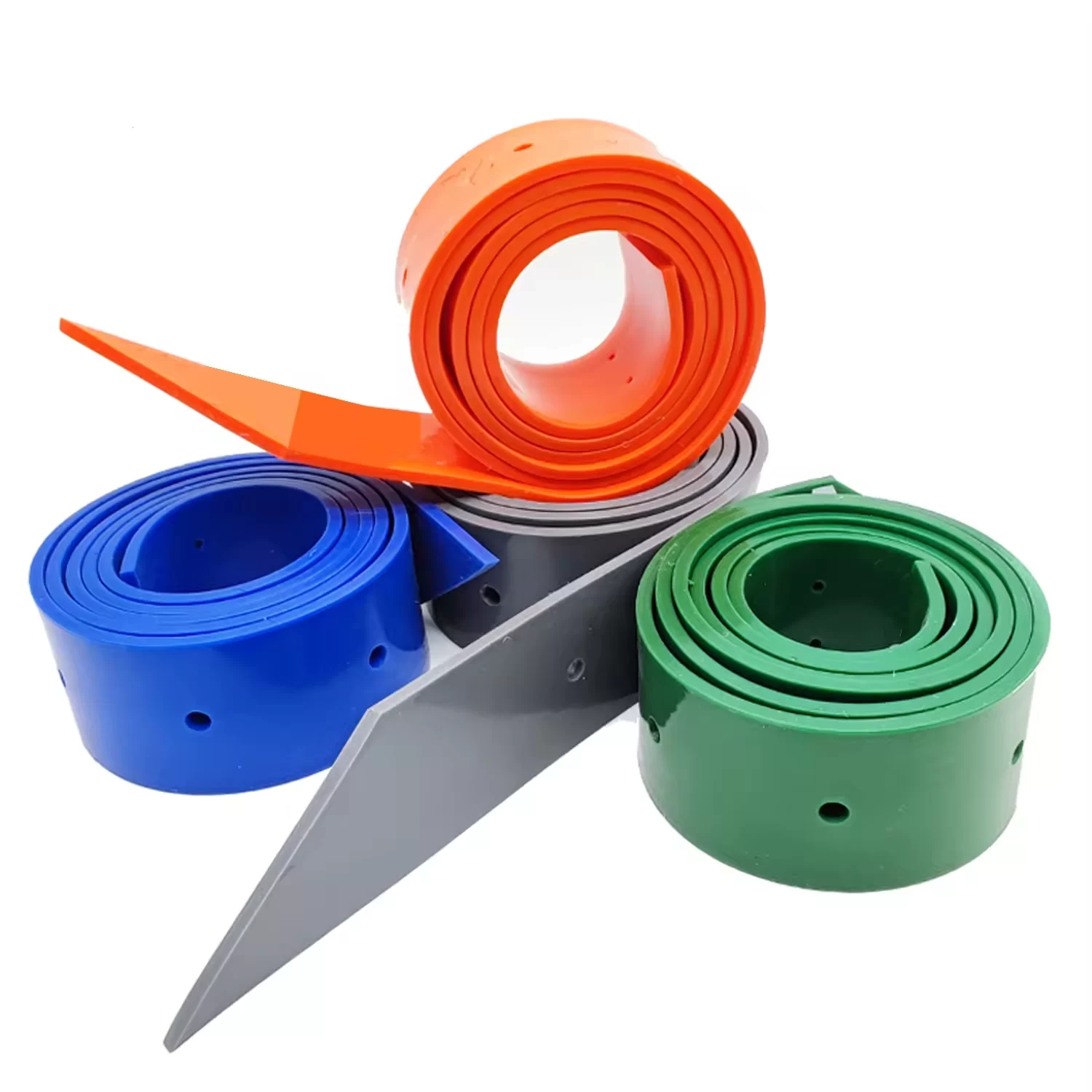
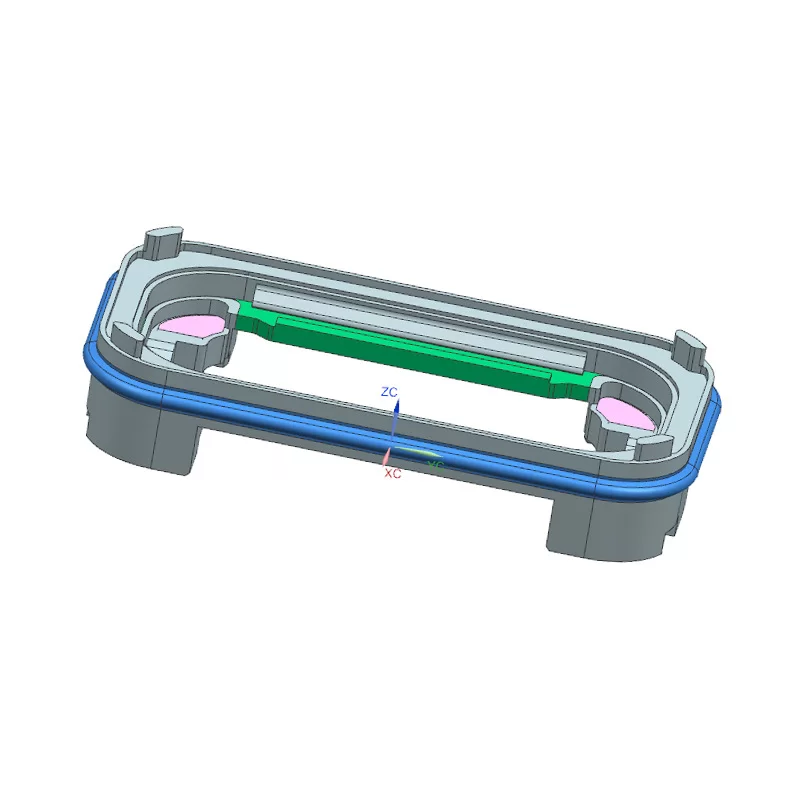

Detailed answers to help you select the right materials and manufacturing processes for your project.
Food-grade silicone is certified for safe contact with food products and must meet FDA or LFGB standards. Medical-grade silicone, however, goes further by adhering to ISO13485 and USP Class VI standards, ensuring higher purity, lower extractables, and biocompatibility. While both are safe, medical-grade is required for applications involving direct contact with blood, internal tissues, or pharmaceutical transport to prevent adverse biological reactions.
Yes, our silicone products are engineered for extreme thermal stability. High-quality silicone rubber naturally maintains its properties from -60°C up to 230°C. For outdoor applications in Qatar, we utilize UV-stabilized and heat-resistant formulas that prevent the material from hardening, cracking, or losing its seal integrity under intense sunlight and ambient heat, ensuring a significantly longer lifecycle than standard rubber.
We achieve precision through a combination of high-grade steel mold tooling and automated extrusion control. Our in-house mold department ensures the die is perfectly calibrated to the CAD design. During production, we use real-time monitoring and laser measurement tools to verify wall thickness and outer diameters, ensuring that every millimeter of the profile meets the client's specifications to prevent leaks or fitment issues.
Because we integrate the entire chain—from design to molding—we can respond very quickly. Our mold department has a monthly capacity of 30 to 100 sets. Typically, once a CAD design is finalized, we can produce a custom mold and provide first-article samples for verification within a short window. This avoids the delays associated with outsourcing tooling, allowing for rapid iteration and faster project deployment.
Absolutely. Our manufacturing processes are governed by a comprehensive set of certifications including IATF16949 for automotive quality, ISO13485 for medical devices, and ISO9001 for general quality management. Additionally, our food-contact materials are FDA compliant. These certifications ensure that every component, from a simple silicone straw to a complex industrial seal, is produced under a strict quality management system with full traceability.
The choice depends on the geometry. Extrusion is ideal for continuous profiles with a constant cross-section, such as tubes, strips, and gaskets. Liquid injection molding (LSR) is better for complex, 3D shapes with intricate details, such as wearable components or precision structural parts. If your project requires long lengths of a specific shape, extrusion is the most cost-effective; for complex, individual parts, injection molding is the superior choice.
Whether you are upgrading healthcare facilities in Doha or optimizing industrial seals for the energy sector, Guangyufeng Group provides the technical expertise and certified manufacturing capacity you need. Our direct-to-factory model ensures that your custom specifications are met with precision and delivered on schedule. Contact our engineering team today to discuss your material requirements and request a technical consultation.
Discuss Your Requirements

