
Certified high-grade silicone products tailored for medical, food, and precision industrial use.

Balancing strict European safety standards with the needs of specialized northern industries.
Norway's industrial landscape, characterized by high labor costs and an emphasis on sustainability, demands components that reduce maintenance cycles. Whether it is for the maritime sector or advanced healthcare facilities, the use of Extruded Silicone Tube requires materials that can withstand temperature fluctuations without losing elasticity or compromising seal integrity.
Furthermore, the prevalence of food processing and pharmaceutical production in the region drives a critical need for non-reactive materials. Procurement teams in Norway prioritize certifications such as FDA and ISO, ensuring that every Food-Grade Silicone Tube used in production lines eliminates contamination risks and adheres to stringent hygiene protocols.
For Norwegian engineers, this means moving away from generic rubber parts toward customized solutions. The ability to source components that combine chemical resistance with precise dimensional tolerances is essential for maintaining operational efficiency in high-tech manufacturing plants.
Tracing the transition from standard rubber to high-performance silicone.
Industries relied on basic EPDM or PVC for seals, focusing primarily on basic waterproofing rather than biocompatibility or extreme temperature resistance.
The introduction of ISO and FDA standards forced a shift toward medical-grade materials, increasing the demand for specialized extrusion processes.
Modern demand focuses on complex geometries and multi-functional properties, where silicone is chosen for its longevity and safety profiles.
Increased demand for Medical-Grade Silicone Tube as healthcare providers adopt more rigorous patient safety and device longevity standards.
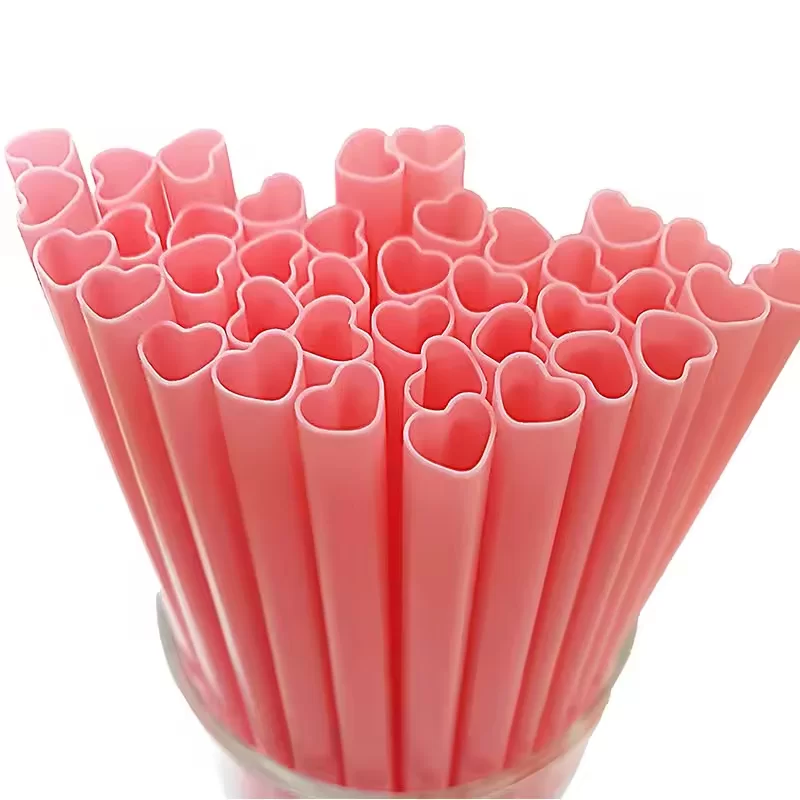
A shift toward durable, reusable silicone components like the Silicone Straw to replace single-use plastics in line with Nordic environmental goals.
The adoption of precision-engineered Silicone Door Strip profiles to improve energy efficiency in cold-climate industrial buildings.
Adapting to the next generation of industrial requirements.
Moving toward ultra-pure silicone formulations to meet evolving medical and laboratory standards.
Utilizing advanced molding to create complex internal geometries for fluid management.
Developing components with longer lifespans to reduce industrial waste and procurement frequency.
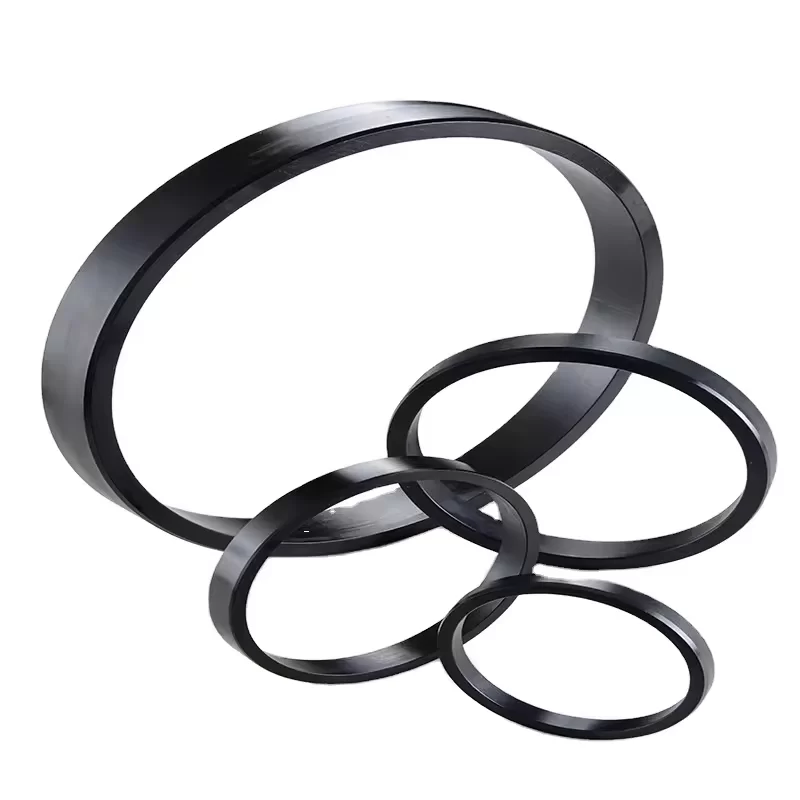
Seamlessly integrating silicone seals into automated assembly lines for higher precision.
The future of the rubber industry in Norway will likely be defined by a stricter intersection of biocompatibility and environmental footprint. Companies are expected to move toward "total lifecycle" procurement, where the cost of a component is measured not just by its purchase price, but by its durability in harsh Nordic climates.
Decision-makers should prioritize suppliers who can provide full traceability of materials and hold multiple international certifications to ensure seamless compliance with European Union regulations.
Practical uses of high-grade silicone in diverse sectors.
In Oslo's biotech hubs, medical-grade tubing is used to transport sensitive reagents. High-purity silicone ensures no leaching occurs, maintaining the integrity of the chemical compounds.
Industrial warehouses in northern Norway utilize custom silicone door strips to prevent thermal leakage, significantly reducing energy costs for refrigeration.
Norwegian food producers implement food-grade silicone tubes in milk transport lines due to their ability to withstand high-temperature sterilization (CIP) cycles.
Tourism operators in the fjords are replacing plastic straws with durable silicone alternatives to protect the local marine ecosystem from microplastics.
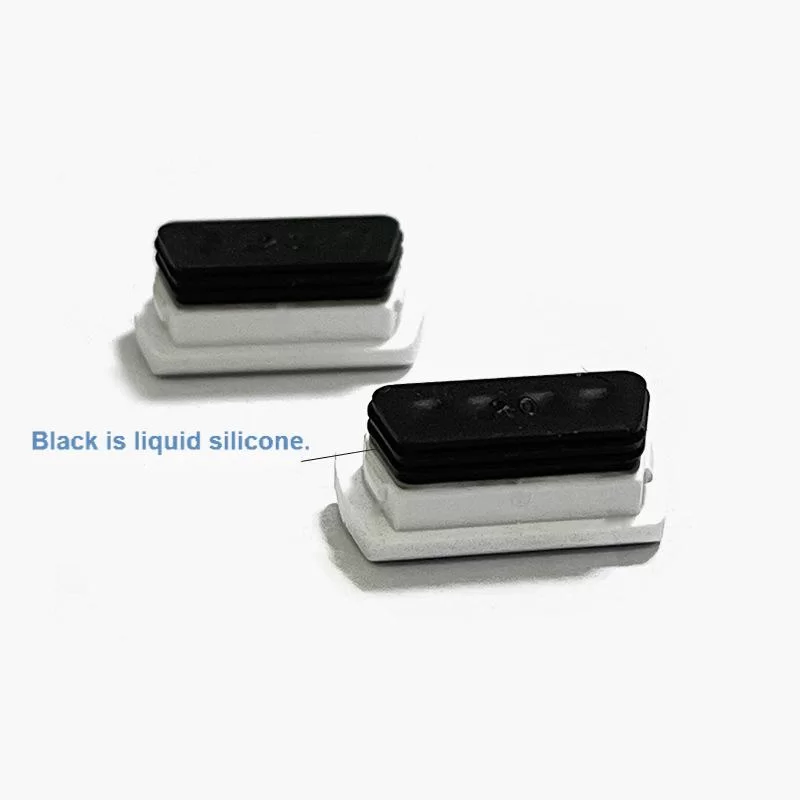
Manufacturers of smart wearables utilize precision-extruded silicone profiles to provide moisture protection and shock absorption for sensitive internal circuitry.
Nearly three decades of excellence in silicone rubber engineering.
Guangyufeng Group began its journey in the high-end silicone and rubber sector, establishing a foundation of technical expertise and quality control.
The company scaled to four major production bases in China and Thailand, covering over 170,000 square meters with a workforce of over 1,000 professionals.
By obtaining certifications like ISO13485 and IATF16949, the group became a strategic partner for world-renowned brands including Samsung, Sony, and Huawei.
Explore our comprehensive range of certified rubber products for various industrial needs.
Expert answers regarding silicone specifications and selection.
Whether you are upgrading a food processing line or developing a new medical device in Europe - Norway, our engineering team can provide the exact silicone specifications you need for maximum efficiency.
Discuss Your Requirements