

Local manufacturers and distributors face critical bottlenecks regarding material purity, precision tolerances, and supply chain reliability.
Many suppliers fail to provide genuine Food-Grade Silicone Tube, leading to risks in food processing and pharmaceutical applications where purity is non-negotiable.
Poor extrusion control results in varying wall thicknesses, which causes leaks or fitment failures in precision structural components used in Egyptian electronics assembly.
In Egypt's high-temperature environment, inferior rubber strips harden and crack quickly, reducing the lifespan of industrial seals and increasing maintenance costs.
A lack of traceable ISO and FDA certifications makes it difficult for local medical device companies to pass stringent regulatory audits for exported products.
Dependence on fragmented suppliers often leads to unpredictable delivery schedules, disrupting production lines for smart wearable and household appliance brands.
Many factories cannot handle rapid mold development for complex shapes, forcing Egyptian clients to accept standard sizes that don't perfectly fit their designs.
We solve complexity through precision manufacturing and a vertically integrated supply chain from R&D to final delivery.
Using FDA and ISO22000 certified raw materials, we ensure every Medical-Grade Silicone Tube meets the highest biocompatibility and safety standards.
Our 12 advanced extrusion lines utilize closed-loop monitoring to maintain tight tolerances, ensuring seamless fitment for high-precision structural components.
We optimize silicone polymers for UV and thermal stability, producing a Silicone Door Strip that maintains elasticity in extreme climates.
With IATF16949 and ISO13485 certifications, we provide comprehensive documentation for every batch, facilitating easier regulatory compliance for our Egyptian partners.
Four production bases across China and Thailand allow us to optimize logistics and maintain stable stock levels, drastically reducing lead times for the African market.
Our internal mold department develops 30–100 sets monthly, enabling fast turnaround from a custom design to a physical sample for specific industrial needs.
Quantifiable strengths that ensure stability, quality, and capacity for global demand.
Analyzing the transition from general-purpose rubber to high-performance silicone elastomers in North Africa.
The industrial sector in Egypt is currently undergoing a significant modernization phase, particularly in the pharmaceutical and food processing industries. As regulations align more closely with international standards, there is a growing demand for high-purity elastomers. Traditionally, the market relied on general-purpose rubbers, but the shift toward specialized Extruded Silicone Tube products is evident. This transition is driven by the need for materials that can withstand sterilization cycles and chemical exposure without leaching harmful substances into the product stream.
Market trends indicate a surge in "smart" manufacturing and wearable technology assembly within Egyptian free zones. This has created a niche for precision structural components and liquid silicone rubber (LSR) parts. The demand is no longer just for raw materials, but for integrated solutions where the supplier can handle the mold design and precision manufacturing. Furthermore, the hospitality and construction sectors are increasingly adopting high-grade sealing solutions to improve energy efficiency in buildings, favoring materials that offer superior longevity under the intense Egyptian sun.
While the opportunity for growth is vast, the main constraint remains the gap between local capacity and the stringent requirements of global brands. Companies operating in Egypt that export to Europe or North America require partners who can provide IATF16949 or ISO13485 certified components. The outlook for the next five years suggests that the market will move toward more sustainable, medical-grade silicone applications, where traceability and material certification become the primary competitive advantages for suppliers.
From basic tubing to complex, multi-certified industrial application solutions.
The industry has shifted from simple rubber substitutes to engineered biocompatible silicones. This evolution allows for long-term implantable or contact-based medical devices that are hypoallergenic and chemically inert.
Transitioning from manual hydraulic presses to automated liquid injection molding has reduced waste and increased consistency, allowing for the mass production of micro-components with micron-level precision.
Current focus is on reducing the carbon footprint of silicone production and improving the recyclability of industrial rubber waste without compromising the material's high-performance characteristics.
How technological convergence is redefining the expectations for rubber and plastic products.
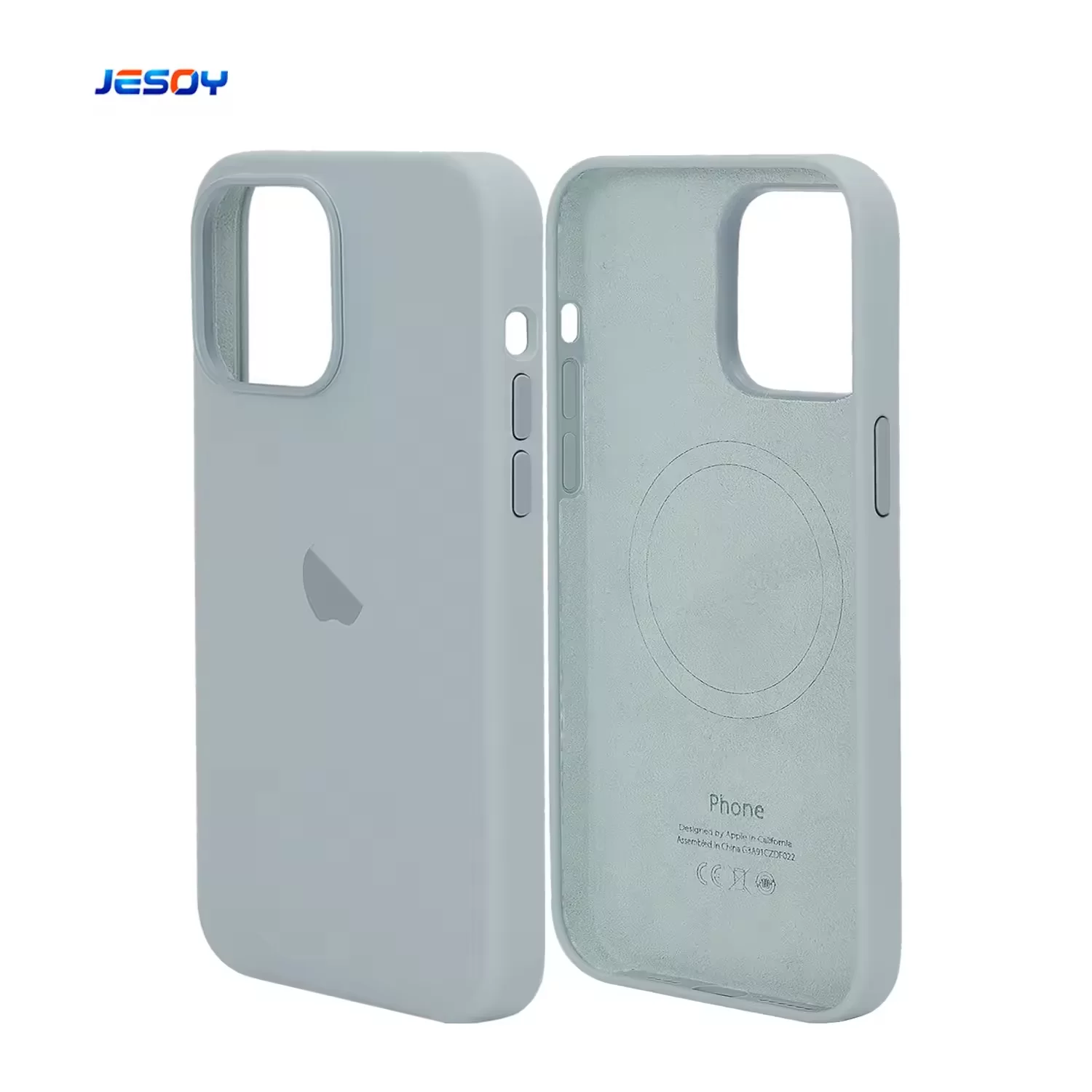
Silicone is no longer just a seal; it is being integrated with conductive elements for wearables, requiring tighter tolerances and specialized material blends.
Increased global scrutiny on medical device materials is driving a shift toward ISO13485 and FDA-compliant production lines for all healthcare-related tubing.
The rise of boutique electronics and medical devices is driving demand for low-volume, high-complexity customized silicone parts with rapid prototyping.
Demand for halogen-free and low-VOC silicones is increasing as industries move toward "green" certifications to meet international environmental standards.
The convergence of these trends suggests that the value proposition for silicone manufacturers is shifting from "cost-per-unit" to "total-value-of-compliance." For companies in Egypt, this means that partnering with a supplier who possesses a full suite of certifications—such as ISO9001, ISO14001, and SA8000—is no longer optional but a strategic necessity to ensure market access to developed economies.
Furthermore, the adoption of liquid injection molding (LIM) is enabling the creation of seamless, one-piece components that eliminate the need for adhesives, which were often the point of failure in previous designs. This technological leap is particularly impactful for the medical and smart-wearable sectors, where durability and hygiene are paramount.
How our specialized rubber products solve specific operational problems in diverse local industries.
In sterile laboratory environments, contamination is the primary risk. By deploying Medical-Grade Silicone Tube, labs ensure that fluid transfer remains pure. The high thermal stability allows for repeated autoclaving without material degradation, maintaining a sterile chain and ensuring the accuracy of pharmaceutical research.
Food exporters in Alexandria must meet strict EU safety standards. Using Food-Grade Silicone Tube in their conveyors and filling machines prevents chemical leaching. This ensures that the final food products are free from contaminants, directly improving export pass rates and reducing product recalls.
Large-scale infrastructure projects in the desert face extreme UV exposure and sand erosion. Installing a high-durability Silicone Door Strip prevents dust ingress and maintains internal climate control. The result is a significant reduction in HVAC energy costs and longer lifespan for door assemblies.
Egyptian electronics manufacturers often struggle with vibration and shock protection. Custom-extruded silicone structural components provide the necessary damping for sensitive PCBs. This improves the overall reliability of the hardware, reducing the rate of warranty claims from end-users in the consumer electronics market.
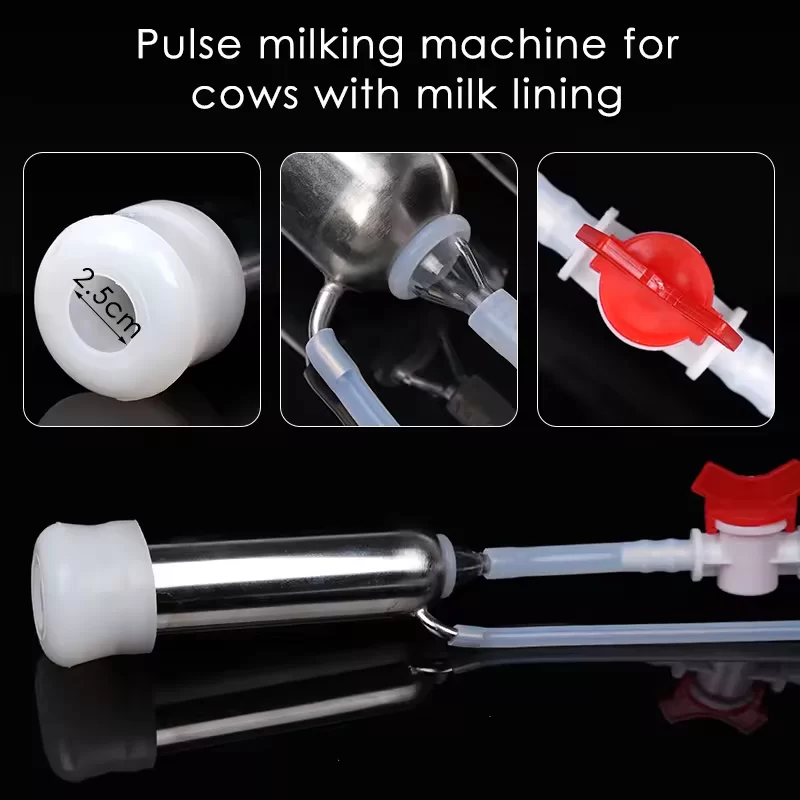
To reduce single-use plastic in tourist areas, hospitality operators are shifting to a reusable Silicone Straw. These are heat-resistant, BPA-free, and durable. This shift not only aligns with global sustainability trends but also enhances the brand image of eco-conscious resorts in the Red Sea region.
Insight into how professional operators evaluate and benefit from high-end silicone solutions.
Transitioning to FDA-certified tubing significantly reduced our batch contamination rate. The consistency in wall thickness across thousands of meters of extrusion ensured that our automated filling lines operated without interruption or leaks.
The thermal stability of the custom silicone seals we implemented has outperformed previous EPDM solutions. In high-heat environments, the seals remain flexible, which has halved our monthly maintenance cycle for industrial doors.
Having a partner that can handle the mold design internally has cut our prototyping time from weeks to days. The ability to rapidly iterate on precision structural components is critical for our product launch cycles.
Building a global footprint through technological innovation and a commitment to sustainable development.
Guangyufeng Group was established, focusing on the high-end silicone and rubber industry. From the beginning, the company emphasized quality and technical precision, building the foundation for its growth in the competitive rubber products market.
The company expanded its footprint by establishing multiple production bases in Shenzhen, Huizhou, and Dongguan. This allowed for a complete industrial chain from R&D and design to manufacturing and final delivery.
Expanding beyond China, the group established a production base in Bangkok, Thailand, and achieved a total area of over 170,000 square meters. This global presence enabled strategic partnerships with brands like Samsung and Huawei.
The group secured a comprehensive range of certifications including FDA, ISO13485, and IATF16949, positioning itself as a world-leading provider of high-end silicone application solutions for the most demanding industries.


Technical guidance on selecting and implementing silicone components for your operation.
While both are non-toxic, medical-grade silicone undergoes more stringent testing for biocompatibility and purity to ensure it doesn't cause reactions when in contact with human tissue or sterile fluids. Food-grade silicone is designed to be safe for food contact and heat resistance but may not meet the extreme sterility and leach-testing requirements of medical devices. For healthcare applications, ISO13485 certified materials are essential.
High UV exposure and ambient heat can cause lower-quality rubber to oxidize, harden, and crack. High-grade silicone is naturally more resistant to thermal degradation. We use specialized formulations that maintain elasticity and seal integrity even under extreme temperature fluctuations. This ensures that the product does not shrink or lose its sealing capability over time, reducing the frequency of replacements in desert climates.
Yes, we have a fully independent mold department capable of developing 30 to 100 sets of molds per month. Whether you need a specific profile for a structural component or a unique diameter for a tubing system, we can translate your technical drawings into a physical prototype and then scale up to mass production using our 12 extrusion lines and injection molding equipment.
For medical exports, the most critical certifications are ISO13485 (Medical Devices Quality Management) and FDA compliance for material safety. Additionally, ISO9001 ensures general quality management, while SA8000 demonstrates social accountability. Sourcing from a supplier that holds these certifications provides the necessary documentation to pass regulatory audits in the EU and North American markets.
Lead times vary based on whether the product is a standard size or requires a new mold. For standard products, we leverage our four production bases to optimize shipping. For custom orders, the timeline includes mold design, sampling, and production. Because we manage the entire chain internally, we can significantly shorten the turnaround time compared to suppliers who outsource their tooling.
Extrusion is best for continuous lengths of the same cross-section, such as tubes, straws, or door strips. Liquid Injection Molding (LIM) is ideal for complex 3D shapes, such as gaskets, seals, or wearable components. If your part is a long, consistent profile, extrusion is more cost-effective. If it's a complex geometric shape with tight tolerances, LIM is the superior choice for quality and precision.
Whether you are developing a new medical device, improving food processing safety, or enhancing industrial sealing, our engineering team is ready to assist. We provide the material certifications, precision tooling, and global logistics capacity required to elevate your operational standards. Contact us today to discuss your technical specifications and request a customized sample.
Discuss Your Requirements

