
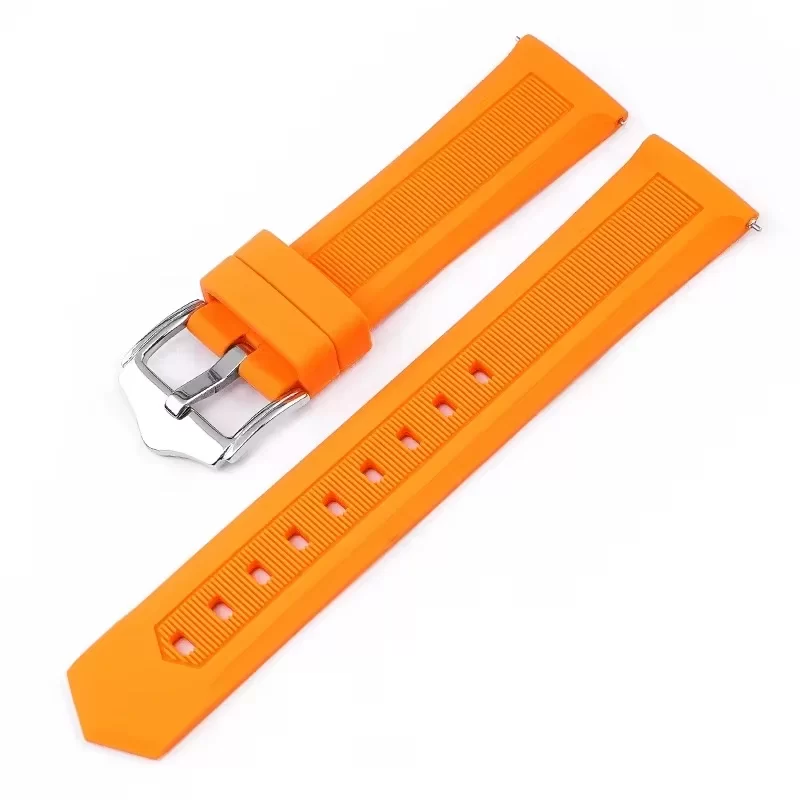
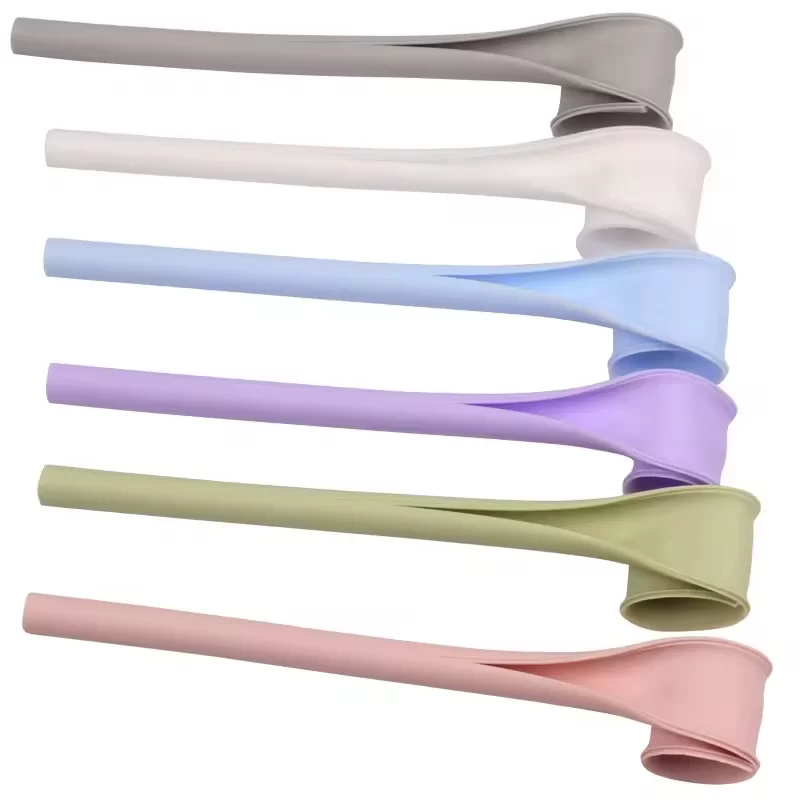

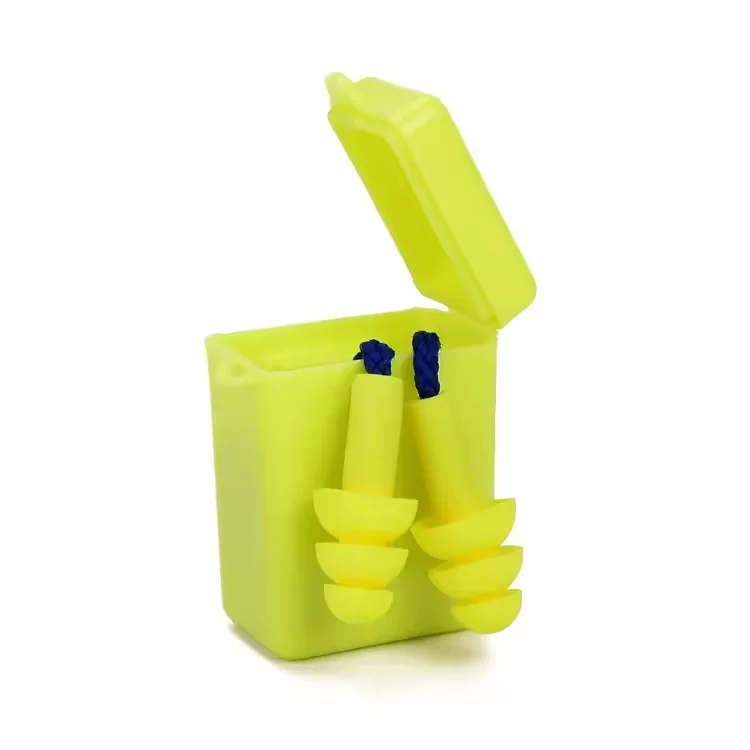
South Sudan's current industrial landscape is characterized by a critical need for resilient infrastructure. As the nation expands its local manufacturing and food processing capabilities, there is an increasing shift toward materials that can withstand extreme temperature fluctuations and high humidity, making high-grade silicone an essential alternative to traditional rubber.
Logistically, the region relies heavily on imported specialized components. The lack of local high-precision extrusion facilities means that industries—ranging from healthcare to agribusiness—require partners who can provide certified materials that meet international safety standards, reducing the risk of operational failure in remote areas.
A significant pain point for local procurement officers is the balance between durability and compliance. Whether it is securing Medical-Grade Silicone Tube for clinics or food-safe seals for processing plants, the inability to source certified, consistent materials often leads to increased maintenance costs and downtime.