

• Home
  • Global Service
  • Advanced MedicalGrade Silicone Tube Solutions for Belgium’s Healthcare Industry

Advanced Medical-Grade Silicone Tube Solutions for Belgium's Healthcare Industry

Precision-engineered silicone extrusions meeting EU standards for pharmaceutical and industrial applications across the Benelux region.

Advanced Medical-Grade Silicone Tube Solutions for Belgium's Healthcare Industry

Specializing in high-performance silicone components that ensure biocompatibility, durability, and precision for Belgian medical and food-processing sectors.

Silicone Manufacturing Landscape in Belgium

Analyzing the demand for high-specification rubber products in the heart of Europe.

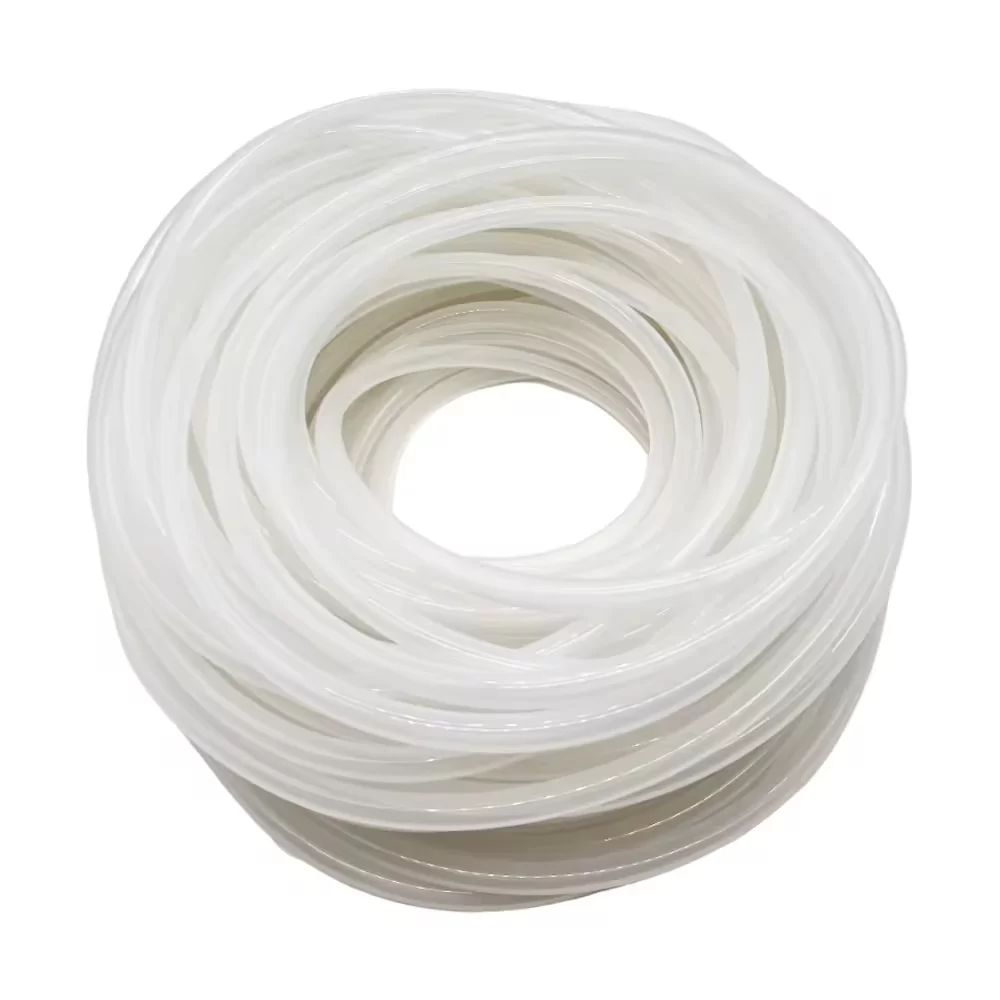
Belgium's industrial sector, particularly in Flanders and Wallonia, maintains a rigorous demand for high-purity Extruded Silicone Tube products. Given the country's strategic role as a logistics hub and its strong pharmaceutical cluster, the local market prioritizes compliance with REACH and FDA regulations to ensure safety in medical and food-grade environments.

The temperate maritime climate of Belgium necessitates the use of materials like the Silicone Door Strip for building energy efficiency. The high humidity and fluctuating seasonal temperatures require sealing solutions that offer exceptional UV resistance and thermal stability to prevent condensation and heat loss in Belgian architecture.

Economically, the shift toward sustainable manufacturing has led Belgian enterprises to replace single-use plastics with reusable alternatives. This has sparked a surge in the adoption of the Silicone Straw and other food-safe elastomers, aligning with the European Green Deal's objectives to reduce waste in the hospitality sector.
Evolution of Silicone Extrusion Technology

From traditional rubber molding to high-precision biocompatible extrusions.

Market Development History

In the early 2000s, the Belgian rubber industry relied heavily on general-purpose EPDM and PVC. However, by 2010, the transition toward specialized silicone began as the medical sector demanded higher purity levels, leading to the widespread integration of Food-Grade Silicone Tube for brewery and dairy processing.

Between 2015 and 2020, the introduction of advanced cross-linking technology allowed for tighter tolerances in extrusion. This era saw the rise of complex profiles and customized wall thicknesses, enabling Belgian OEMs to develop more sophisticated medical devices and automotive seals.

From 2021 to the present, the focus has shifted toward "Clean-Room Manufacturing." The integration of automated inspection systems now ensures that every millimeter of extrusion meets the strict ISO 13485 standards required for the modern European healthcare market.

Future Development Trends

Antimicrobial Surface Integration

Future trends indicate a move toward incorporating silver-ion technology into silicone surfaces to inhibit bacterial growth in clinical settings.

Biodegradable Silicone Hybrids

Research is pivoting toward hybrid polymers that maintain silicone's durability while improving end-of-life recyclability to meet EU circular economy targets.

Smart Extrusion Sensors

The implementation of IoT sensors during the extrusion process will allow for real-time diameter monitoring, reducing scrap rates to nearly zero.

Future Outlook of the Silicone Industry

Strategic forecasts based on European industrial digitalization and sustainability trends.

Green Manufacturing
Shift towards carbon-neutral production processes to comply with Belgium's strict environmental legislation.
Precision Automation
Adoption of AI-driven extrusion controls to ensure micron-level consistency for medical applications.
Biocompatible Innovation
Development of advanced platinum-cure silicones that eliminate leachables for high-risk medical devices.
Customized Geometry
Expanding multi-lumen extrusion capabilities for specialized catheter and fluid-transfer systems.

Industry Outlook

Based on Google search trends in Western Europe, there is a marked increase in queries regarding "sustainable rubber alternatives" and "medical-grade silicone certification." This indicates that the Belgian market is moving away from bulk procurement toward high-value, certified specialty components.

Over the next 3-5 years, the convergence of 3D printing and silicone extrusion will likely lead to hybrid manufacturing, where extruded tubes are integrated with 3D-printed connectors, significantly reducing assembly time for Belgian medical device manufacturers.

Local Application Scenarios in Belgium

Practical implementations of silicone extrusion across diverse Belgian industries.

1. Pharmaceutical Lab Equipment in Wallonia

Utilizing Medical-Grade Silicone Tube for peristaltic pumps and fluid transfer in biotech labs, ensuring zero contamination and high fatigue resistance.

2. Food & Beverage Processing in Antwerp

Integration of Food-Grade Silicone Tube in the production lines of Belgian chocolate and beer breweries for hygienic ingredient transport.

3. Energy-Efficient Building Seals in Brussels

Installation of custom-profiled Silicone Door Strip in commercial offices to meet strict Belgian energy efficiency ratings and reduce HVAC costs.

4. Eco-Friendly Catering in Ghent

Supplying reusable Silicone Straw sets to sustainable cafes and restaurants to align with local plastic-reduction mandates.

5. Industrial Automation in Flanders

Deploying Extruded Silicone Tube as protective sleeves for wiring and pneumatic lines in automotive robotic assembly plants.

Brand Story

Global Development History of Shenzhen Guangyufeng Rubber Products Co., Ltd.

Foundation & Core Vision

Established with a mission to solve the critical pain point of material instability in rubber extrusion, ensuring every batch meets aerospace-level precision.

Technological Breakthrough

Invested in platinum-cure vulcanization systems to eliminate the pungent odors and toxic residues associated with traditional peroxide curing.

European Market Expansion

Strategically aligned production with EU REACH and RoHS standards to enter the Belgian and German high-end medical markets.

Quality Certification Milestone

Achieved ISO 9001 and ISO 13485 certifications, cementing our position as a trusted partner for global healthcare OEMs.

Sustainable Future

Implementing a closed-loop recycling system for silicone waste to lead the industry toward a more sustainable, zero-waste future.

Common Questions for Belgian Customers

Expert answers regarding silicone extrusion standards and local application.

Do your Medical-Grade Silicone Tubes meet EU MDR requirements?

Yes, our medical-grade extrusions are produced in certified clean-room environments and fully comply with the EU Medical Device Regulation (MDR) and USP Class VI standards.

How does a Silicone Door Strip handle Belgian winter temperatures?

Our silicone strips maintain flexibility down to -60°C, ensuring a perfect seal and preventing brittleness during the coldest Belgian winters.

Is the Food-Grade Silicone Tube suitable for high-temperature sterilization?

Absolutely. Our food-grade tubes can withstand autoclaving and repeated sterilization cycles up to 200°C without degrading or releasing toxins.

Can you provide custom diameters for Extruded Silicone Tube orders?

We offer full customization of inner diameter (ID) and outer diameter (OD) with tolerances as tight as ±0.05mm to fit your specific machinery.

Are your Silicone Straws BPA-free and food-safe?

Yes, all our straws are made from 100% platinum-cure silicone, which is inherently BPA-free, non-toxic, and compliant with LFGB and FDA standards.

What is the typical lead time for shipments to Belgium?

Depending on the customization level, production typically takes 10-15 days, with express shipping to Belgian ports or hubs taking an additional 5-7 days.

Request a Technical Consultation

Our engineers are ready to help you optimize your silicone components for the Belgian market. Contact us for samples and certifications in Belgium.

Contact Us Now