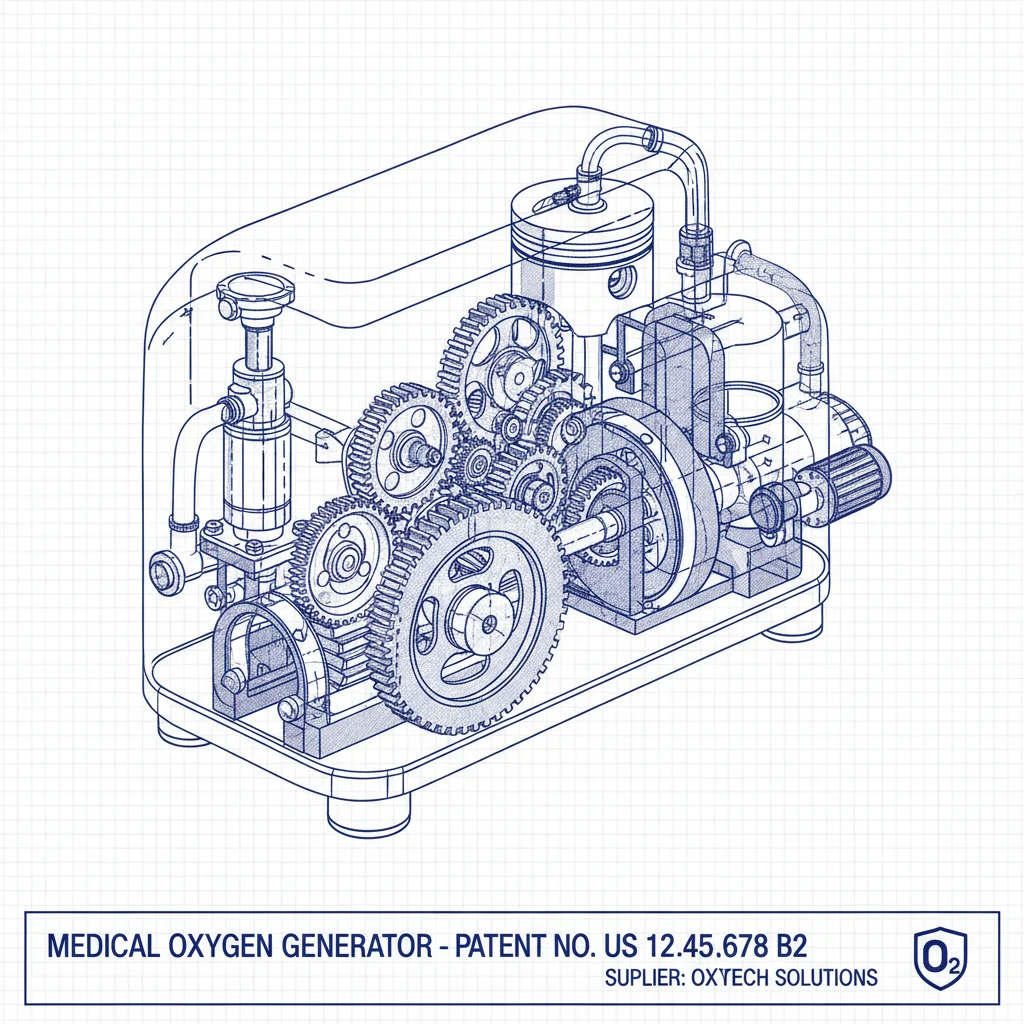
The demand for high-performance sealing components in pneumatic systems has grown significantly as industrial processes require higher precision and reliability. Among these, the implementation of high-grade silicone rubber components ensures that fluid transfer remains efficient and leak-free. Understanding the material properties of these components is essential for reducing downtime in demanding production environments.
In the context of modern fluid handling, the shift toward materials that offer superior fatigue resistance and temperature stability is evident. Traditional rubbers often fail under continuous reciprocating stress, leading to costly replacements and system failures. This is where specialized silicone engineering provides a critical advantage by maintaining elasticity over millions of cycles.
For those seeking the most durable solutions, integrating a Hookah Silicone Tube or similar silicone-based diaphragm technology ensures long-term operational stability. By prioritizing premium silicone rubber, industries can achieve a seamless balance between chemical resistance and mechanical flexibility.

Material Excellence of Silicone Rubber
Premium-grade silicone rubber is distinguished by its unique molecular structure, which provides exceptional resistance to aging, oxidation, and environmental degradation. Unlike conventional elastomers, this material retains its physical properties even when exposed to extreme conditions, making it an ideal choice for critical pump components.
The use of carefully selected silicone ensures that the diaphragm can withstand the rigorous demands of continuous operation. This material excellence translates directly into reduced downtime and a higher reliability rate for pneumatic diaphragm pumps across various industrial sectors.
Flexibility and Sealing Performance
The core efficiency of a pneumatic pump relies on the diaphragm's ability to move smoothly in a reciprocating motion. Silicone rubber offers superior elasticity, which allows the component to deform and return to its original shape millions of times without developing permanent sets or cracks.
This high level of flexibility ensures a tight and consistent seal during every stroke of the pump. By preventing fluid leakage and maintaining stable internal pressure, silicone components optimize the overall pumping efficiency and protect the surrounding machinery from corrosive leaks.
Furthermore, the reduction in mechanical wear is a direct result of the material's low friction and high elasticity. This means that the pump operates more quietly and with less internal stress, effectively extending the service life of the entire assembly.
Chemical and Temperature Stability
One of the most significant advantages of using a Hookah Silicone Tube or specialized silicone diaphragm is its wide resistance to various chemical media. It is particularly effective when handling water-based fluids and mild corrosive agents, ensuring that the material does not swell or harden over time.
Temperature extremes are common in industrial environments, and the Hookah Silicone Tube design maintains its integrity across a broad thermal range. Whether operating in freezing conditions or high-heat processes, the silicone rubber avoids embrittlement and maintains its crucial sealing properties.
This stability makes the material indispensable for industries such as pharmaceutical and food production, where purity and reliability are non-negotiable. The combination of chemical inertness and thermal resilience ensures a safe and stable operation regardless of the medium being transported.
Long-term Value and Maintenance
The long-term operational value of silicone rubber is found in its fatigue resistance. Because it can withstand repeated stress without degrading, the frequency of part replacement is significantly lowered, which reduces the total cost of ownership for the operator.
Lower maintenance requirements lead to improved system efficiency and higher production uptime. By investing in high-quality silicone components, facilities can move from reactive maintenance to a more predictable, long-term service schedule.
Performance Rating of Hookah Silicone Tube Variations
Industrial Applications and Versatility
The versatility of silicone rubber diaphragms allows them to be deployed across a vast array of sectors. In chemical processing and water treatment, their ability to resist mild corrosives ensures a steady flow of materials without the risk of sudden component failure.
Moreover, in the food and beverage and pharmaceutical industries, the clean and stable properties of silicone are essential for meeting hygiene standards. Its non-reactive nature ensures that no contaminants are introduced into the product stream during the pumping process.
Comparison with EPDM and PTFE
Choosing the right material requires a trade-off between flexibility and chemical resistance. Silicone rubber is the premier choice for applications requiring high elasticity and temperature stability, particularly in food-grade and general industrial environments.
In contrast, EPDM is superior for outdoor weathering and steam resistance but fails in oil-rich environments. PTFE provides the absolute highest level of chemical resistance to strong acids, yet it lacks the natural elasticity of silicone, often requiring reinforcement to handle mechanical stress.
Ultimately, the decision depends on the specific medium being pumped. While PTFE handles the most aggressive chemicals, silicone rubber provides the best balance of longevity, flexibility, and moderate chemical stability for a wide range of standard industrial tasks.
Future Trends in Silicone Engineering
The future of silicone components is leaning toward "smart materials" and enhanced sustainability. We are seeing the development of silicone compounds that offer even higher tear strength and lower compression sets, further extending the life of pneumatic diaphragms.
Digital transformation is also playing a role, with the integration of sensor-compatible materials that can signal wear and tear before a failure occurs. This shift toward predictive maintenance will rely heavily on the stability of the base silicone material.
Sustainability is another key driver, with manufacturers focusing on more eco-friendly production processes. The goal is to maintain the high performance of silicone while reducing the carbon footprint associated with the chemical synthesis of the rubber.
Comparison Analysis of Diaphragm Materials for Industrial Pumps
| Material Type |
Flexibility Score |
Chemical Resistance |
Service Life |
| Silicone Rubber |
High (9/10) |
Moderate |
Very Long |
| EPDM |
Medium (7/10) |
Water/Steam High |
Long |
| PTFE |
Low (4/10) |
Extreme High |
Moderate |
| Nitrile (NBR) |
Medium (6/10) |
Oil High |
Short-Medium |
| Viton (FKM) |
Medium (5/10) |
High |
Long |
| Natural Rubber |
High (8/10) |
Low |
Short |
FAQS
Silicone rubber is preferred primarily for its exceptional fatigue resistance and temperature stability. Unlike other elastomers, silicone can withstand millions of reciprocating cycles without losing its elasticity or developing cracks, which drastically extends the service life of the pump and reduces maintenance costs.
Yes, silicone rubber is ideal for pharmaceutical use due to its high purity and chemical stability. It is non-reactive and does not leach contaminants into the fluid stream, making it compliant with the stringent hygiene and safety standards required in medical and pharmaceutical production.
While both offer good resistance, silicone generally performs better across a wider range of extreme temperatures, especially in very high-heat environments, without becoming brittle. EPDM is excellent for steam and weather resistance but may not match silicone's flexibility at extreme temperature peaks.
Common signs include a drop in pumping pressure, visible fluid leakage around the pump housing, or an increase in the frequency of pump strokes to move the same volume of fluid. While silicone lasts longer than most, periodic inspections for surface wear are recommended.
While the material properties of high-grade silicone are similar, industrial pump seals require specific engineering tolerances and reinforced structures. However, the same high-quality silicone used in premium tubing provides the chemical and thermal resistance necessary for sealing components.
Choose silicone if your priority is flexibility, long-term mechanical life, and moderate chemical resistance. Choose PTFE if you are handling highly aggressive acids or solvents where chemical inertness is more critical than the elastic life of the component.
Conclusion
In summary, the integration of high-performance silicone rubber into pneumatic diaphragm pumps provides an unmatched combination of durability, flexibility, and chemical stability. By resisting fatigue over millions of cycles and maintaining integrity across wide temperature ranges, silicone significantly reduces operational downtime and maintenance expenses.
As industrial needs evolve toward greater sustainability and precision, the role of advanced silicone engineering will only grow. We recommend that operators prioritize premium-grade silicone components to ensure the longevity of their fluid transfer systems and optimize overall production efficiency. For more professional silicone solutions, visit our website: www.gyfsilicone.com