In the evolving landscape of child safety and healthcare, the quest for pure, non-toxic materials has become a global priority. Parents and caregivers are increasingly seeking products that combine rigorous safety standards with practical functionality to ensure the well-being of infants. This shift toward health-conscious consumerism is mirrored in the demand for advanced sterilization and filtration technologies.
While industrial filtration systems often dominate the conversation regarding air quality, the principles of purity and contaminant removal are equally vital in the baby product industry. Whether it is ensuring a clean breathing environment or providing a BPA-free oral soothing tool, the goal remains the same: protecting the most vulnerable from harmful substances and pathogens.
Understanding the intersection of material science and hygiene is essential for modern parents. By integrating the high standards of a portable hepa filter with uv light into the philosophy of product design, manufacturers can create safer alternatives, such as our Eco Friendly Soother made from BPA-free food-grade silicone, which ensures a toxin-free experience for babies.

The Global Importance of Hygiene and Filtration
On a global scale, the prevalence of airborne particulates and chemical contaminants has forced a paradigm shift in how we approach personal and environmental health. From urban smog in mega-cities to the stringent requirements of medical facilities, the need for portable, high-efficiency filtration is no longer a luxury but a necessity for maintaining respiratory health and preventing the spread of pathogens.
This demand is particularly acute in pediatric care, where the immune systems of infants are underdeveloped. Just as a portable hepa filter with uv light removes microscopic threats from the air, the use of food-grade silicone in baby pacifiers removes the threat of endocrine disruptors like BPA, creating a holistic shield of safety for the child.
Defining the Standards of Pure Environments
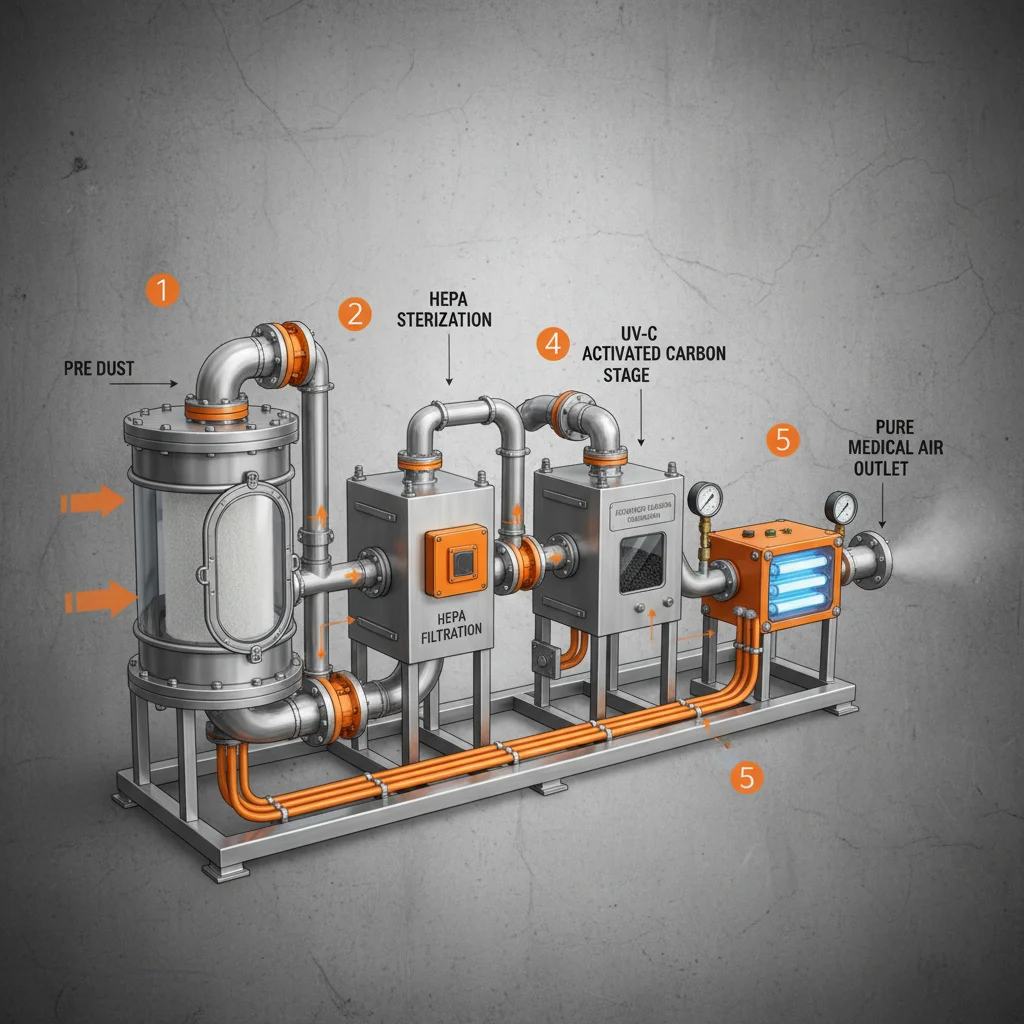
When we discuss a pure environment, we refer to a space where biological and chemical contaminants are minimized to a level that prevents harm. In the context of air purification, this is often achieved through a combination of mechanical filtration and ultraviolet sterilization, ensuring that both particles and microorganisms are neutralized effectively.
This standard of "purity" extends beyond the air we breathe to the materials that enter a baby's mouth. A food-grade silicone pacifier embodies this same principle by being chemically inert and hypoallergenic, ensuring that no harmful leachates interfere with the baby's development, much like how a professional filter maintains air integrity.
Ultimately, the goal of implementing these standards is to reduce the cumulative toxic load on the human body. By utilizing advanced filtration and medical-grade materials, we can mitigate risks associated with environmental pollutants and manufacturing residues, promoting a healthier start for the next generation.
Core Components of High-Efficiency Protection
High-efficiency protection relies on multi-layered defense strategies. In air purification, this is exemplified by the portable hepa filter with uv light, where the HEPA layer captures 99.97% of particles and the UV light disrupts the DNA of viruses and bacteria.
In the realm of baby products, the "filtration" happens at the material level. By choosing BPA-free food-grade silicone, manufacturers ensure that the product acts as a safe barrier. The structural integrity of the silicone prevents the absorption of toxins, mirroring the efficiency of a portable hepa filter with uv light in blocking unwanted intrusions.
Furthermore, scalability and durability are key. Whether it is a filter that can be used across different travel environments or a silicone pacifier that withstands repeated boiling for sterilization, the ability of a product to maintain its protective properties over time is the true measure of its quality.
Performance Metrics for Air and Material Safety
Measuring the effectiveness of safety products requires rigorous testing and standardized metrics. For air purification, we look at the CADR (Clean Air Delivery Rate) and the efficiency of the UV-C wavelength. Similarly, for silicone products, we look at FDA and LFGB certifications to ensure the absence of harmful volatile organic compounds (VOCs).
When comparing different protection methods, the synergy between mechanical barriers and active sterilization consistently yields the best results. This dual-approach ensures that nothing—be it a microscopic spore or a chemical residue—reaches the end user.
Safety Efficiency Ratings: Air vs Material Purity
Real-World Applications of Filtration Logic
The logic of high-efficiency filtration is applied across various critical sectors. In healthcare, portable units are used to create sterile zones during emergency procedures in remote areas. In the baby care industry, the same dedication to "zero contamination" drives the production of eco-friendly soothers that are safe for prolonged oral contact.
Moreover, organizations focusing on humanitarian aid utilize these technologies to ensure clean air and safe feeding tools in disaster zones. The portability of a portable hepa filter with uv light makes it indispensable for temporary shelters, just as the durability of silicone makes it the gold standard for infant products in varied climates.
Long-Term Value of Eco-Friendly Materials
Investing in high-quality, eco-friendly materials provides value that extends beyond the initial purchase. Silicone, for instance, is more durable than latex or plastic, reducing the frequency of replacements and thereby minimizing landfill waste. This sustainability is a core pillar of modern manufacturing.
From a health perspective, the long-term value lies in the prevention of chronic exposure to toxins. By eliminating BPA and phthalates, parents provide their children with a safer developmental environment, reducing the risk of hormonal imbalances and allergic reactions.
When combined with a lifestyle that prioritizes clean air—perhaps through the use of a portable hepa filter with uv light—the result is a comprehensive approach to preventative health that saves on medical costs and improves overall quality of life.
Future Trends in Health-Centric Manufacturing
The future of health-centric manufacturing lies in the integration of "smart" materials and automated sterilization. We expect to see silicone products that can indicate when they need cleaning and filtration systems that adjust their intensity based on real-time air quality sensors.
Green energy will also play a pivotal role. Future iterations of the portable hepa filter with uv light will likely utilize high-capacity solid-state batteries and solar charging, making them even more viable for remote use.
As regulatory bodies like the ISO and FDA tighten their requirements for baby products and air purifiers, the industry will move toward absolute transparency in the supply chain, ensuring every component is ethically sourced and clinically proven to be safe.
Comparative Analysis of Health-Centric Protection Technologies
| Technology Type |
Primary Target |
Safety Certification |
Durability Score (1-10) |
| HEPA + UV Filter |
Airborne Pathogens |
ISO 14644 / UL |
8 |
| Food-Grade Silicone |
Chemical Toxins |
FDA / LFGB |
10 |
| Standard Plastic |
General Use |
Basic Grade |
5 |
| Ionizing Purifiers |
Dust/Odors |
CE / RoHS |
7 |
| Latex Soothers |
Oral Soothing |
Standard Grade |
4 |
| UV-C Sterilizers |
Surface Bacteria |
Medical Grade |
9 |
FAQS
A standard HEPA filter captures particles mechanically, but it cannot always deactivate biological threats. Adding UV light creates a two-stage process: the HEPA filter traps the particles, and the UV-C light disrupts the genetic material of bacteria and viruses, ensuring they are neutralized rather than just trapped.
Yes, food-grade silicone is highly stable and does not leach chemicals like BPA or phthalates, which are common in some plastics. It is hypoallergenic and withstands high temperatures, making it ideal for products like baby pacifiers that require frequent sterilization.
Replacement frequency depends on the environment. In highly polluted areas, filters may need changing every 3-6 months. However, the UV light component typically lasts much longer, often requiring replacement only after several thousand hours of use.
Absolutely. One of the primary advantages of food-grade silicone is its thermal stability. It can be boiled or steam-sterilized without degrading or releasing harmful chemicals, ensuring a hygienic tool for your baby.
When designed correctly, the UV light is shielded within the device so that it only treats the air passing through the filter. This prevents direct skin or eye exposure, making the portable hepa filter with uv light safe for home and travel use.
BPA (Bisphenol A) is an endocrine disruptor that can interfere with the hormonal system, especially in developing infants. Ensuring a product is BPA-free means the material is safe for oral contact and won't affect the baby's growth or health.
Conclusion
The convergence of advanced filtration technology and safe material science provides a comprehensive framework for protecting the most vulnerable members of our society. From the air we purify using a portable hepa filter with uv light to the food-grade silicone used in our Eco Friendly Soothers, the focus remains on eliminating toxins and pathogens to ensure a healthy growth environment.
Looking forward, the integration of sustainable, non-toxic materials and high-efficiency sterilization will become the global standard. We encourage parents and healthcare providers to prioritize certified, BPA-free products and high-grade filtration to build a safer, cleaner future for every child. Visit our website for more information: www.gyfsilicone.com