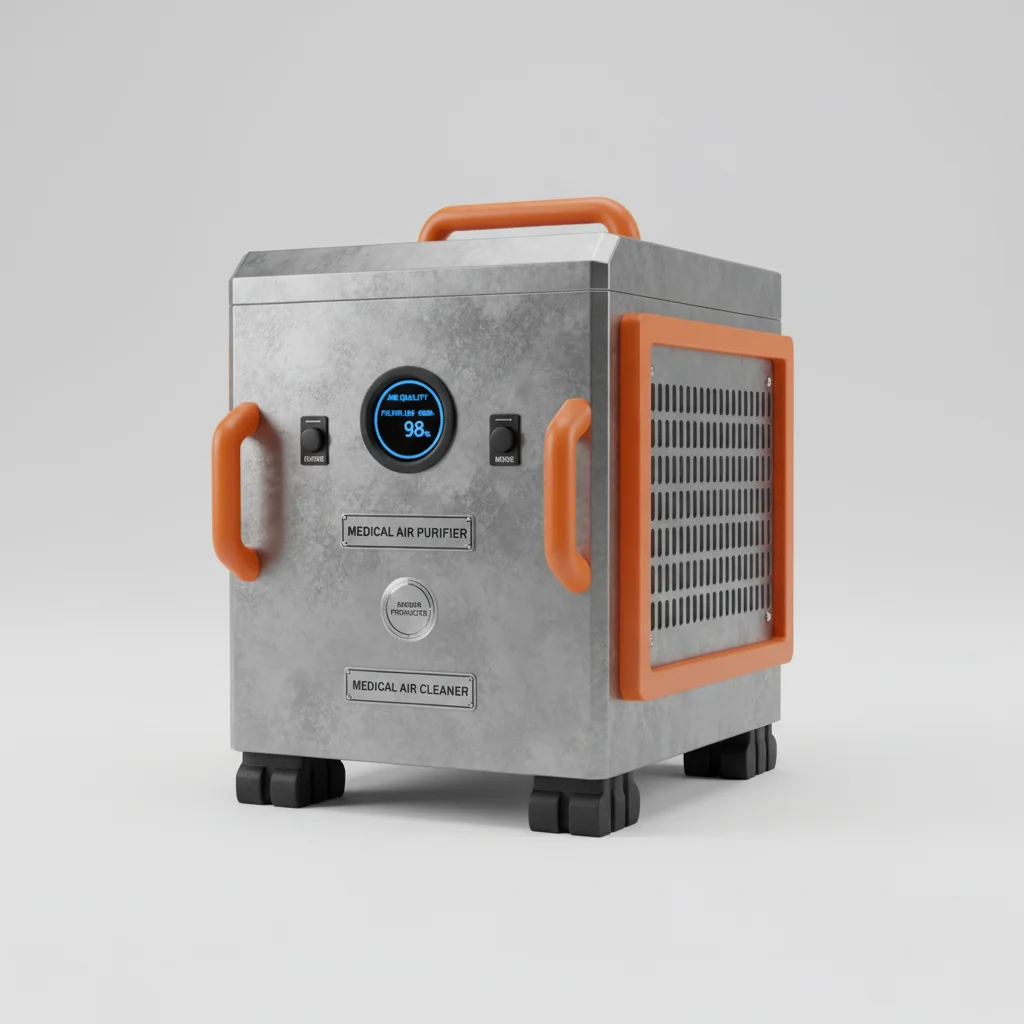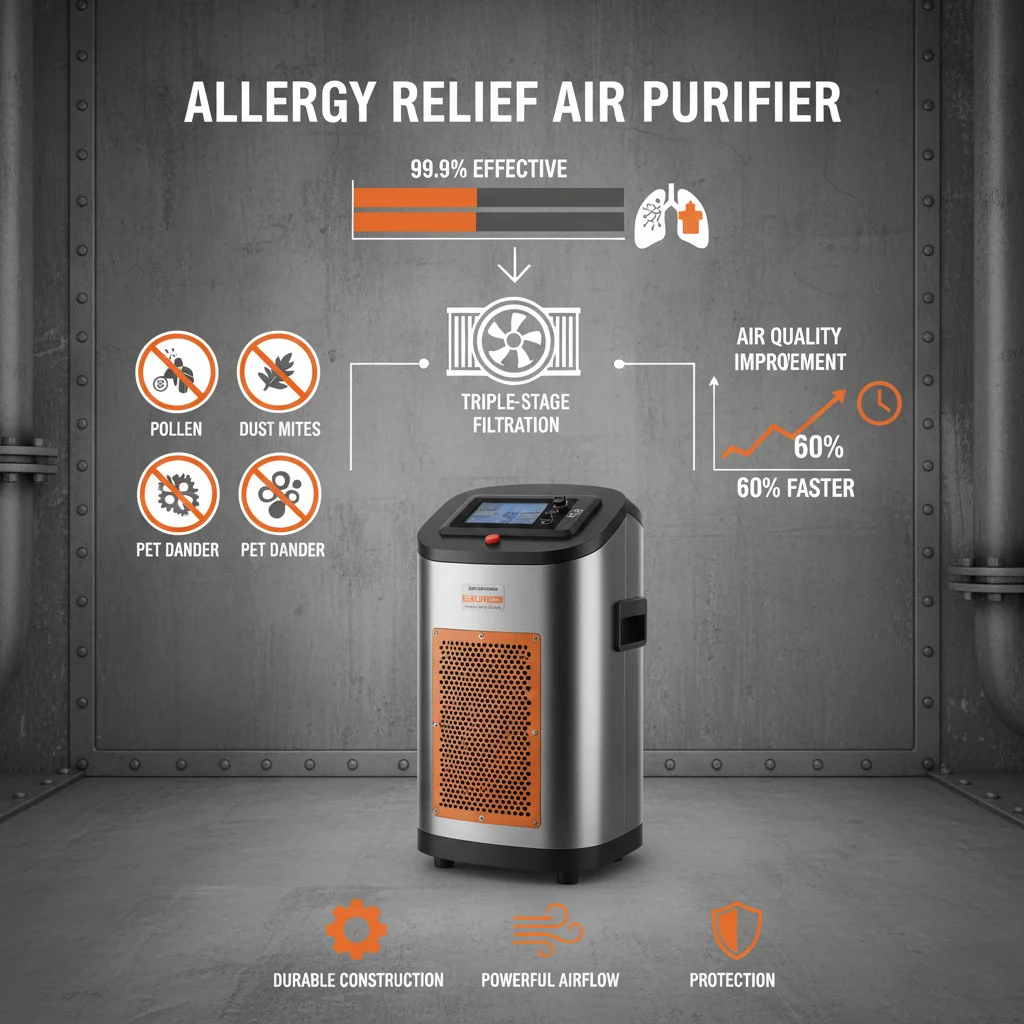

The concept of a portable air purifier battery operated system has gained significant traction as urban air quality continues to fluctuate globally. For professionals and travelers alike, the ability to maintain a clean breathing zone regardless of the environment is no longer a luxury but a necessity for long-term health. These devices integrate advanced filtration and power management to ensure that harmful particulates are removed from the immediate air supply in real-time.
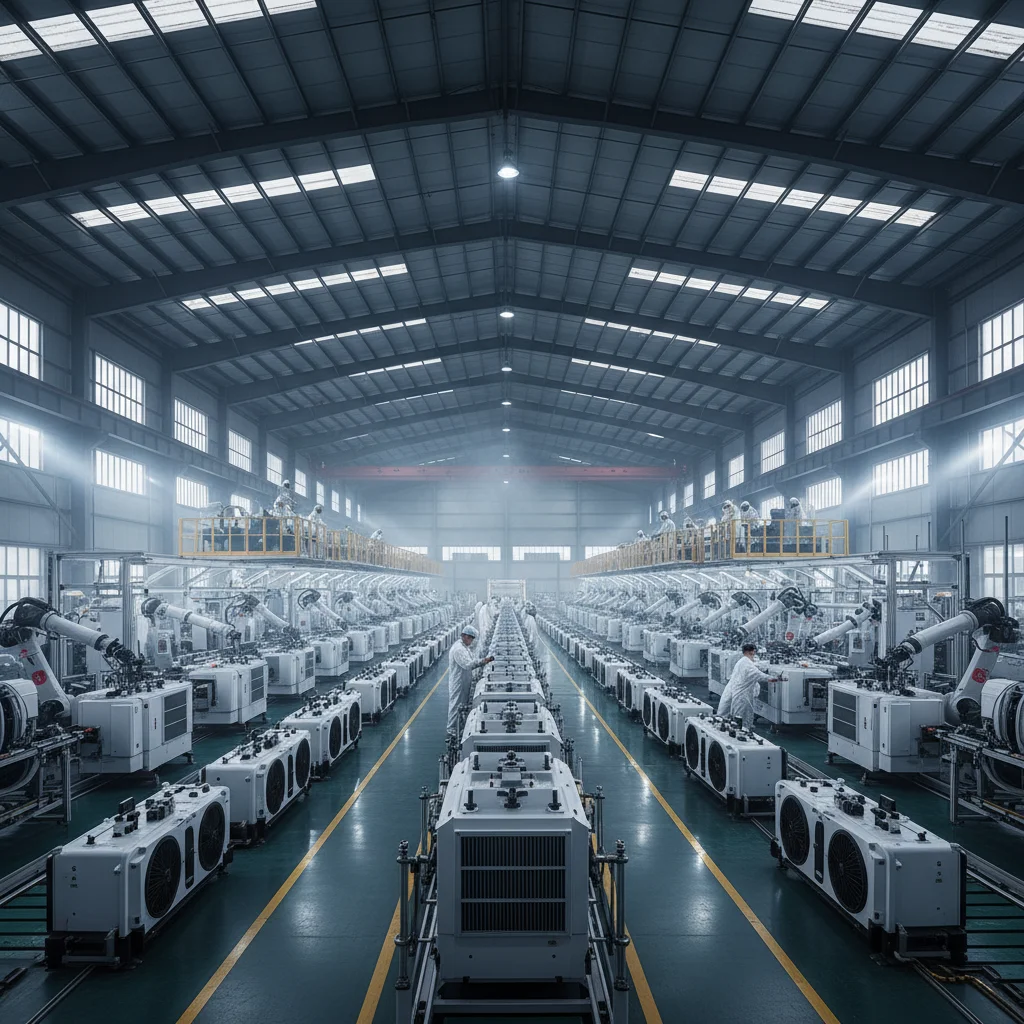
From an industrial perspective, the reliability of such devices depends heavily on the materials used for their internal components and outer shells. Ensuring that sensitive electronics are protected from moisture and dust is critical for maintaining the longevity of the battery and the efficiency of the motor. This is where high-grade encapsulation and specialized molding processes become the backbone of a high-performing portable unit.
Integrating these technologies allows for the creation of a portable air purifier battery operated solution that is not only efficient but also durable enough for extreme conditions. By leveraging IP68 waterproof liquid silicone encapsulation, manufacturers can guarantee that the hardware remains functional even in the most challenging environments.
In the manufacturing of a portable air purifier battery operated device, the integrity of the internal circuitry is paramount. Using IP68 waterproof grade liquid silicone encapsulation ensures that the hardware is completely sealed against water ingress and dust particles, which is essential for devices intended for outdoor or industrial use. This level of protection prevents short circuits and corrosion, significantly extending the lifespan of the battery-operated components.
Furthermore, the use of hardware injection molding for Sim card holders and other internal mounts provides the structural rigidity needed to withstand mechanical shocks. Non-standard customized encapsulation allows engineers to tailor the protective layer to the specific geometry of the device, ensuring a seamless fit that optimizes both space and safety.
The global demand for mobile air cleaning solutions has surged as air pollution levels in metropolitan areas frequently exceed WHO safety guidelines. A portable air purifier battery operated system provides an immediate shield against PM2.5 particles and allergens, allowing users to maintain air quality in transit or in areas where fixed filtration is unavailable.
From a public health perspective, the ability to deploy these devices in crowded public transport or shared workspaces reduces the risk of airborne pathogen transmission. This is particularly critical in regions with aging infrastructure where centralized HVAC systems are either inefficient or nonexistent.
Moreover, the integration of high-capacity batteries and energy-efficient motors has made these devices viable for long-term use. The shift toward sustainable power sources ensures that these air purifiers can be recharged via USB-C or solar panels, making them indispensable for travelers in remote regions.
At its simplest, a portable air purifier battery operated unit is a compact device that uses a fan to draw air through a series of filters, which are then powered by an internal rechargeable battery. This allows the user to create a "bubble" of clean air around their breathing zone, effectively filtering out smoke, pollen, and dust.
The synergy between the battery and the filtration system is what defines a high-quality portable air purifier battery operated device. If the encapsulation of the battery and control board is poor, the device may fail in humid environments, highlighting the need for IP68-rated silicone protection.
Modern iterations often include smart sensors that adjust the fan speed based on detected air quality. This intelligence ensures that the portable air purifier battery operated system maximizes its battery life while providing the necessary level of filtration.
The longevity of a portable air purifier battery operated device is determined by its resistance to environmental stress. Silicone encapsulation acts as a shock absorber and a moisture barrier, protecting the delicate soldering and chipsets from the vibrations that occur during portable use.
Customized hardware injection molding ensures that every internal component is held firmly in place, preventing the internal "rattle" that often leads to wire fatigue. This structural integrity is what separates industrial-grade purifiers from consumer-grade plastic shells.
In post-disaster relief operations, the ability to deploy a portable air purifier battery operated system is vital for medical staff working in dusty ruins or smoke-filled environments. These units provide a critical line of defense when electricity is unavailable and the air is contaminated by debris.
Similarly, in remote industrial zones, such as mining sites or chemical processing plants, workers utilize these encapsulated devices to maintain a safe breathing zone. Because these environments are often harsh, the IP68 liquid silicone encapsulation becomes a non-negotiable requirement for device survival.
The investment in high-grade materials for a portable air purifier battery operated device results in a significant reduction in replacement costs. By preventing water damage and oxidation through professional encapsulation, the operational life of the device is extended from months to years.
From a psychological perspective, users feel a greater sense of trust and security knowing their health-critical device is built to industrial standards. This reliability fosters brand loyalty and ensures that the device performs consistently during emergency situations.
Sustainability is also improved when devices do not end up in landfills due to minor water leaks or mechanical failures. Durable, encapsulated electronics contribute to a circular economy by reducing electronic waste and promoting long-term product utility.
The future of the portable air purifier battery operated market lies in the integration of smarter, more resilient materials. We are seeing a shift toward bio-compatible silicones and conductive polymers that can integrate sensing capabilities directly into the encapsulation layer.
Digital transformation is also playing a role, with IoT connectivity allowing these devices to report air quality data to a central cloud. This requires the hardware to be even more robust, as they will be used in increasingly diverse and unpredictable environments.
Furthermore, the push for green energy is leading to the development of higher-density solid-state batteries. These batteries will require new, non-standard customized encapsulation methods to manage thermal dissipation while maintaining the strict IP68 waterproof standards.
| Protection Method | Waterproof Level | Impact Resistance | Lifespan Increase |
|---|---|---|---|
| Liquid Silicone Encapsulation | IP68 (Highest) | Excellent | +300% |
| Standard Plastic Casing | IP20 (Low) | Moderate | Baseline |
| Rubber Gasket Sealing | IP54 (Medium) | Good | +50% |
| Epoxy Resin Potting | IP67 (High) | High (Brittle) | +150% |
| Custom Injection Molding | IP44 (Medium) | Very High | +80% |
| Hybrid Silicone/Polymer | IP66 (High) | Excellent | +200% |
IP68 encapsulation provides the highest level of protection against dust and water immersion. For a battery-operated purifier, this means the internal electronics and battery are shielded from humidity and accidental spills, preventing short circuits and ensuring the device remains operational in extreme weather or high-humidity industrial environments.
Yes, customized encapsulation allows the protective layer to be designed specifically for the device's internal architecture. This optimizes weight distribution and thermal management, ensuring that the portable air purifier battery operated system doesn't overheat while maintaining a compact and lightweight form factor.
Hardware injection molding is used to create precise, rigid supports for components like Sim card holders and battery mounts. This ensures that internal parts do not shift during movement, which is critical for the structural integrity and long-term reliability of a portable air purifier battery operated unit.
Liquid silicone offers superior flexibility, heat resistance, and sealing capabilities compared to traditional plastics. In the context of a portable air purifier battery operated system, it provides a hermetic seal that is far more durable and resistant to environmental degradation over time.
Battery life varies by model and filtration intensity, but most high-efficiency units offer 8 to 24 hours of continuous use. The use of encapsulated, low-leakage electronics helps maximize the energy efficiency of the portable air purifier battery operated system.
While the encapsulated core is sealed for protection, the filters are designed to be user-replaceable. This hybrid design ensures that the critical electronics of the portable air purifier battery operated device remain protected while the consumable parts can be easily maintained.
The evolution of the portable air purifier battery operated system is deeply intertwined with advancements in materials science. By implementing IP68 waterproof liquid silicone encapsulation and precision hardware injection molding, manufacturers can create devices that are not only effective at purifying air but are also resilient enough to withstand the rigors of daily portable use. The combination of structural rigidity and environmental sealing ensures a reliable product that protects the user's health regardless of their location.
Looking forward, the integration of smarter materials and sustainable energy sources will further refine these devices. Investing in high-standard encapsulation today is the key to developing the next generation of health-tech hardware that is durable, efficient, and globally accessible. For professional encapsulation solutions, visit our website: www.gyfsilicone.com