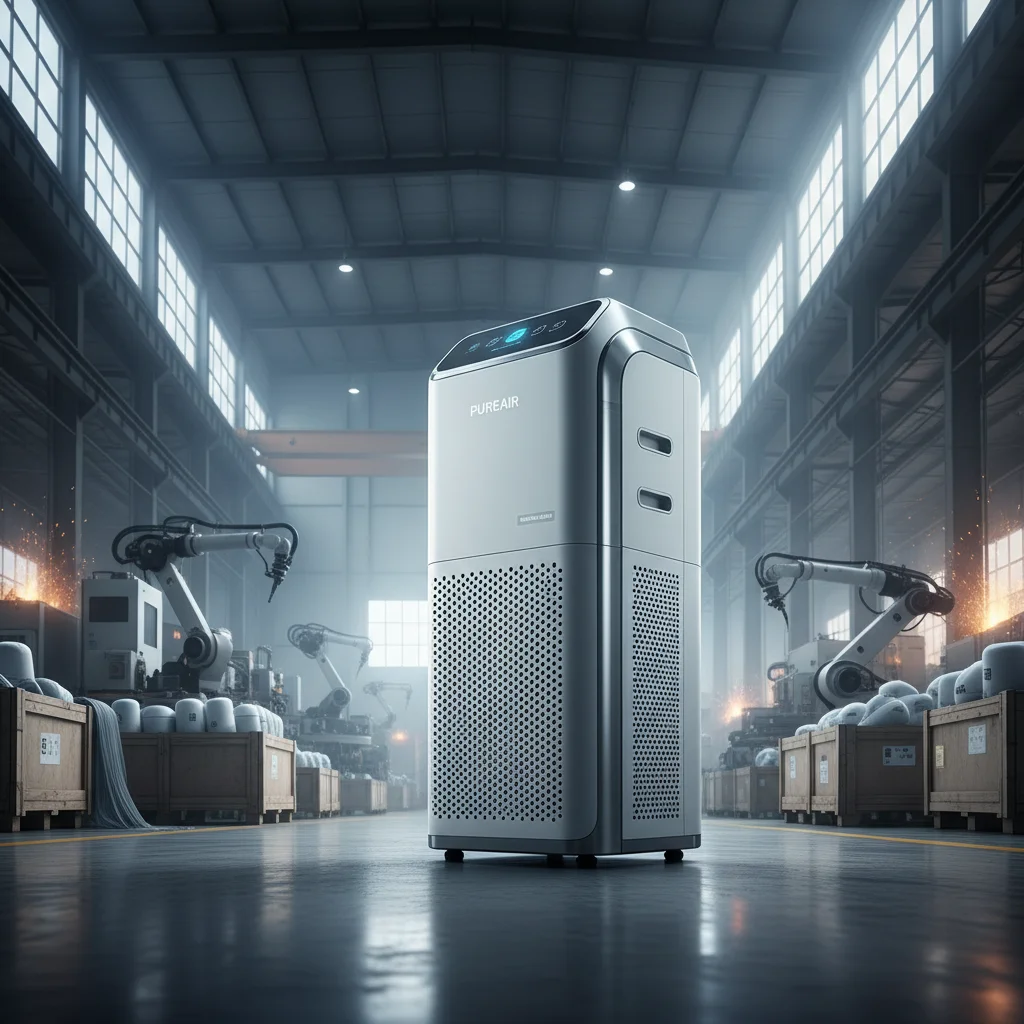
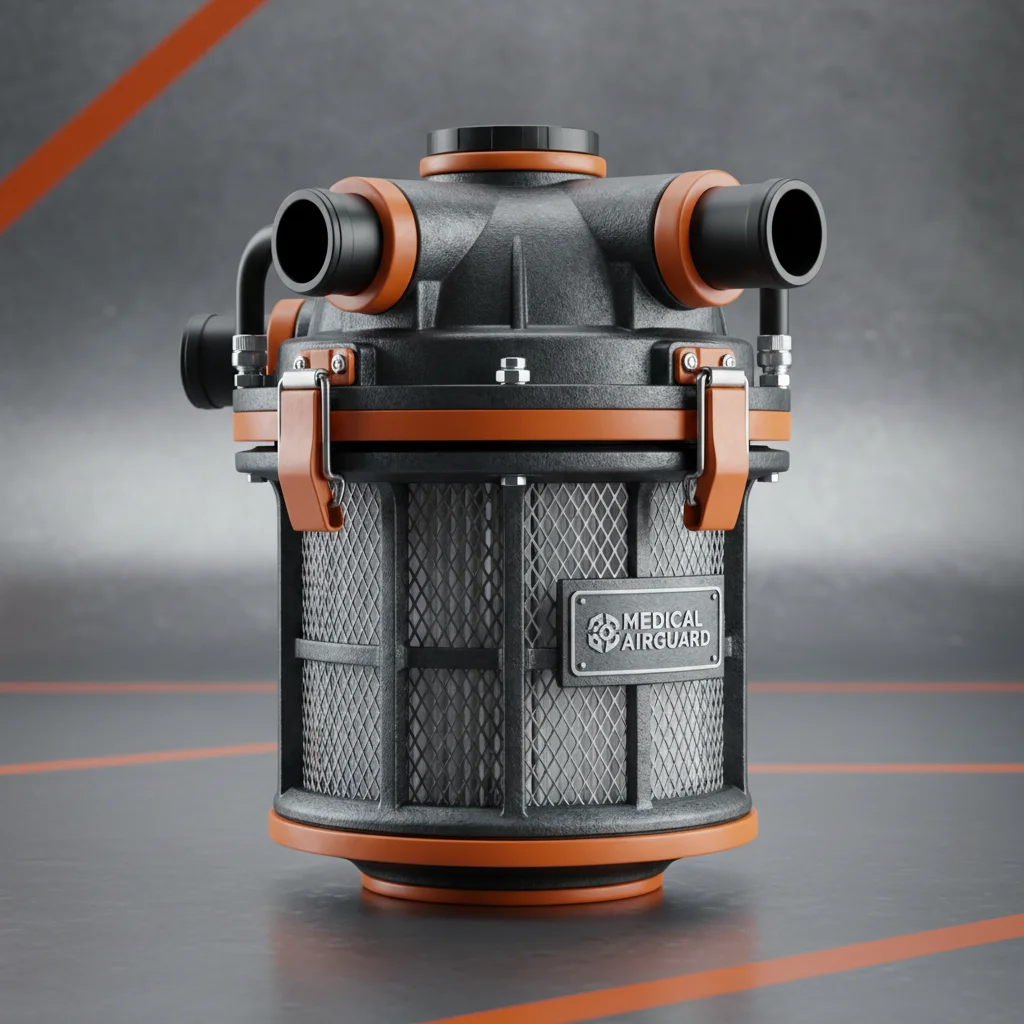
In an era where indoor air quality has become a critical component of public health, the emergence of the photocatalytic oxidation air purifier represents a significant leap in environmental engineering. Unlike traditional filters that merely trap particles, this technology actively decomposes organic pollutants, providing a comprehensive solution for urban dwellers and industrial workspaces alike.
The global demand for advanced air purification has surged as we confront rising levels of volatile organic compounds (VOCs) and airborne pathogens. By utilizing a semiconductor catalyst and a light source, the photocatalytic oxidation air purifier offers a sustainable way to maintain sterile environments without the constant need for expensive, disposable filter replacements.
Understanding the mechanism and application of these systems is essential for businesses and homeowners seeking to optimize their living spaces. From reducing odors to eliminating hazardous chemicals, the implementation of a photocatalytic oxidation air purifier ensures a breathable, safe atmosphere that supports long-term respiratory health and overall well-being.

Global Context of Photocatalytic Oxidation Air Purifier
The global landscape of air quality management has shifted dramatically following recent health crises and increased industrialization. According to World Health Organization (WHO) guidelines, a vast majority of the global population breathes air that exceeds safe pollutant limits, leading to an urgent need for the photocatalytic oxidation air purifier. This technology addresses the failure of traditional mechanical filtration to handle molecular-level contaminants like formaldehyde and benzene.
In industrial hubs across Asia and Europe, the integration of PCO (Photocatalytic Oxidation) systems has become a benchmark for ISO-compliant cleanrooms. By neutralizing pollutants rather than just storing them, the photocatalytic oxidation air purifier reduces the risk of secondary contamination, making it an indispensable tool for modern urban infrastructure and hazardous material handling.
Defining the Photocatalytic Oxidation Air Purifier
At its core, a photocatalytic oxidation air purifier is a sophisticated device that uses a catalyst—typically titanium dioxide (TiO2)—and an ultraviolet (UV) light source to trigger a chemical reaction. When UV light hits the catalyst, it creates hydroxyl radicals (•OH), which are powerful oxidizing agents that break down organic molecules into harmless substances like water and carbon dioxide.
Unlike HEPA filters that act as a physical sieve, this system operates through a chemical process. This means the photocatalytic oxidation air purifier can tackle "invisible" threats such as odors, viruses, and bacteria by dismantling their molecular structure, ensuring that the air is not just filtered, but truly purified.
This mechanism is particularly relevant for humanitarian needs in overcrowded urban centers or medical facilities where sterilization is paramount. The ability of the photocatalytic oxidation air purifier to operate continuously without losing efficiency makes it a cornerstone of proactive environmental health management.
Core Components for Maximum Efficiency
The effectiveness of a photocatalytic oxidation air purifier depends heavily on the quality of its catalyst surface. The surface area of the titanium dioxide coating determines how many pollutant molecules can be oxidized per second, making material science a critical factor in device performance.
Another vital element is the UV light wavelength. For a photocatalytic oxidation air purifier to function optimally, the light must match the bandgap energy of the catalyst. Most industrial systems use UV-C or specially tuned UV-A LEDs to ensure maximum radical production and energy efficiency.
Finally, airflow management ensures that air spends sufficient "dwell time" in the reaction zone. A well-engineered photocatalytic oxidation air purifier balances high CADR (Clean Air Delivery Rate) with a design that maximizes the contact between the contaminated air and the activated catalyst.
Performance Metrics and Comparison
When evaluating a photocatalytic oxidation air purifier, it is important to look beyond simple airflow rates. The efficiency of the oxidation process is measured by its ability to reduce VOC concentrations over time, often compared against traditional carbon filters and ionizers.
While carbon filters saturate and require replacement, PCO technology maintains a steady rate of destruction. The following data illustrates how different configurations of a photocatalytic oxidation air purifier perform across various air quality challenges.
Photocatalytic Oxidation Air Purifier Efficiency Comparison
Global Applications and Use Cases
The versatility of the photocatalytic oxidation air purifier allows it to be deployed in diverse environments. In healthcare settings, such as surgical suites in Singapore or clinics in Germany, these systems are used to eliminate airborne pathogens and medical odors, ensuring a sterile environment for patient recovery.
Beyond medicine, the photocatalytic oxidation air purifier is critical in remote industrial zones. In chemical processing plants or semiconductor fabrication labs, where organic vapors can compromise product purity, PCO systems provide a constant scrub of the air, preventing costly contamination and protecting worker health.
Long-term Value and Sustainability
Investing in a photocatalytic oxidation air purifier offers significant long-term financial and environmental value. Unlike traditional systems that generate massive amounts of waste through discarded filters, the photocatalytic catalyst is designed for longevity, drastically reducing the operational footprint of air purification.
From an emotional perspective, the use of a photocatalytic oxidation air purifier provides peace of mind. Knowing that the air is being actively detoxified—rather than just filtered—creates a sense of safety and dignity for people living in highly polluted cities.
Furthermore, the reliability of PCO technology ensures consistent performance over years of use. This stability builds trust among corporate facility managers who require a "set-and-forget" solution that meets strict air quality standards without requiring daily manual intervention.
Future Innovations in Air Purification
The future of the photocatalytic oxidation air purifier lies in the development of visible-light-activated catalysts. Currently, most systems require UV light, but new research into doped titanium dioxide allows these purifiers to function using standard indoor LED lighting, further reducing energy consumption.
Integration with IoT (Internet of Things) is another emerging trend. Modern photocatalytic oxidation air purifier units are now being equipped with smart sensors that adjust catalyst activation levels in real-time based on pollutant concentrations, optimizing power usage and catalyst lifespan.
As we move toward a "green energy" economy, the synergy between solar power and PCO technology is becoming more apparent. Imagine building facades coated in photocatalytic materials that act as a giant photocatalytic oxidation air purifier for the entire city, cleaning the air as the sun shines.
Analysis of Photocatalytic Oxidation Air Purifier Technological Evolutions
| Technology Generation |
Catalyst Material |
Energy Source |
Maintenance Level |
| Gen 1: Basic PCO |
Standard TiO2 |
High-Power UV-C |
Moderate |
| Gen 2: Enhanced Surface |
Nano-structured TiO2 |
Optimized UV-A |
Low |
| Gen 3: Visible Light |
Doped TiO2 (N, C) |
Visible Spectrum LED |
Very Low |
| Gen 4: Hybrid Systems |
Composite Catalysts |
Dual-Band UV/Vis |
Minimal |
| Gen 5: AI-Integrated |
Smart-Coating TiO2 |
Adaptive Power UV |
Automated |
| Gen 6: Solar-Active |
Advanced Perovskites |
Direct Solar Energy |
Passive |
FAQS
While HEPA filters are excellent at trapping physical particles like dust and pollen, they cannot remove gases or odors. A photocatalytic oxidation air purifier actively destroys VOCs, bacteria, and viruses at a molecular level. For total air purification, many high-end systems combine both HEPA and PCO technologies to handle both particulate and gaseous pollutants.
Yes, professional photocatalytic oxidation air purifier units are designed with shielded chambers. The UV light remains contained within the reaction zone where it interacts with the catalyst and the air, ensuring that no harmful radiation escapes into the living space, making it safe for children and pets.
One of the biggest advantages of a photocatalytic oxidation air purifier is that the catalyst itself is not consumed during the reaction. While the UV bulbs may need replacing every 1-2 years, the TiO2 catalyst can last for many years, significantly reducing maintenance costs compared to traditional filters.
Absolutely. Odors are caused by organic molecules floating in the air. The photocatalytic oxidation air purifier breaks these molecules apart, effectively eliminating the source of the smell rather than just masking it with fragrances or trapping it in carbon.
High-quality photocatalytic oxidation air purifier systems use specific wavelengths of light (typically above 200nm) that do not produce ozone. It is important to choose certified devices that comply with ozone emission standards to ensure the air remains healthy and safe.
Industrial implementation usually involves integrating PCO modules directly into the HVAC system. By installing a large-scale photocatalytic oxidation air purifier in the main air handling unit, facilities can purify air for an entire building, ensuring consistent air quality across all zones.
Conclusion
The transition toward a photocatalytic oxidation air purifier represents a fundamental shift from passive filtration to active air detoxification. By leveraging the power of photocatalysis, we can effectively eliminate the molecular threats that traditional filters ignore, creating environments that are not only clean but truly sterile. From industrial cleanrooms to residential bedrooms, the ability to neutralize VOCs and pathogens ensures a healthier future for global populations.
As we look ahead, the integration of smarter materials and energy-efficient light sources will make this technology accessible to everyone. We encourage businesses and homeowners to evaluate their air quality needs and consider the sustainable, long-term benefits of PCO technology. For those seeking high-performance air quality solutions, we invite you to explore our expertise. Visit our website: www.gyfsilicone.com