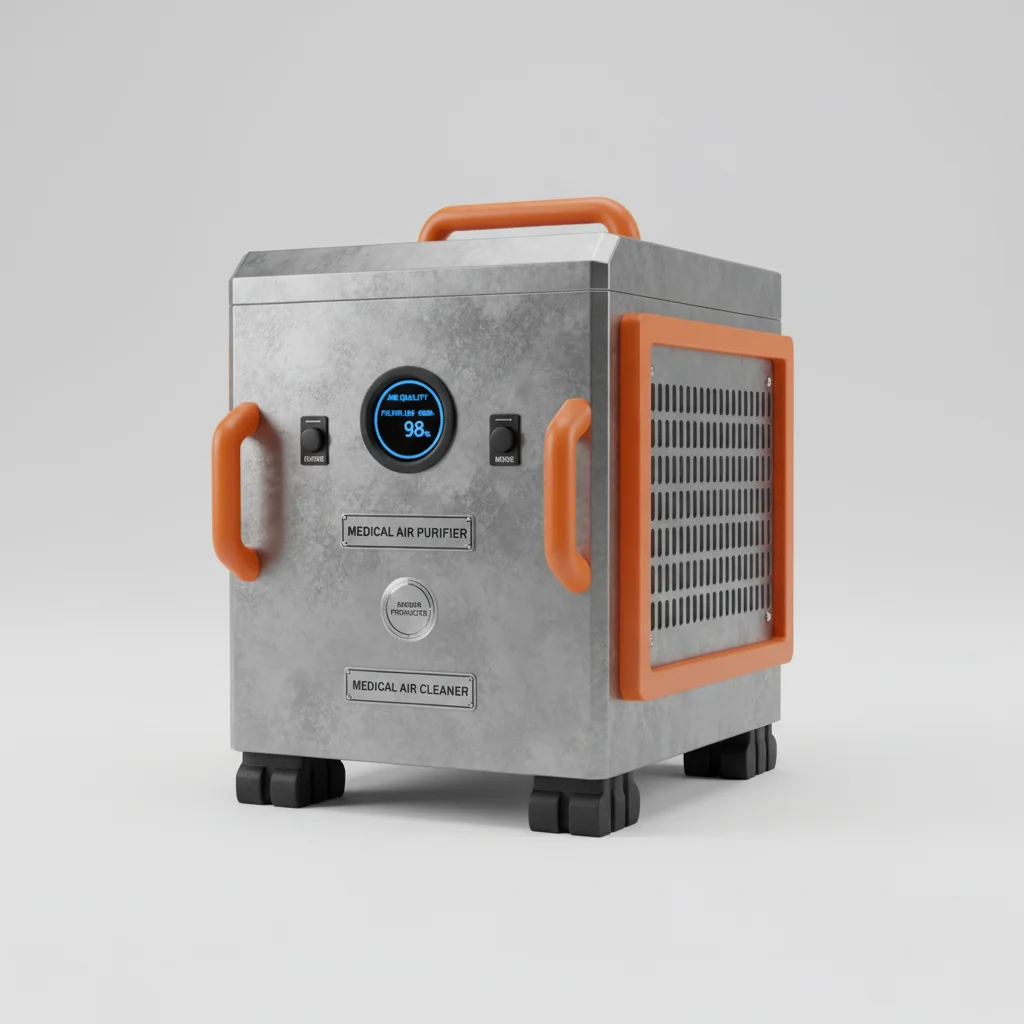
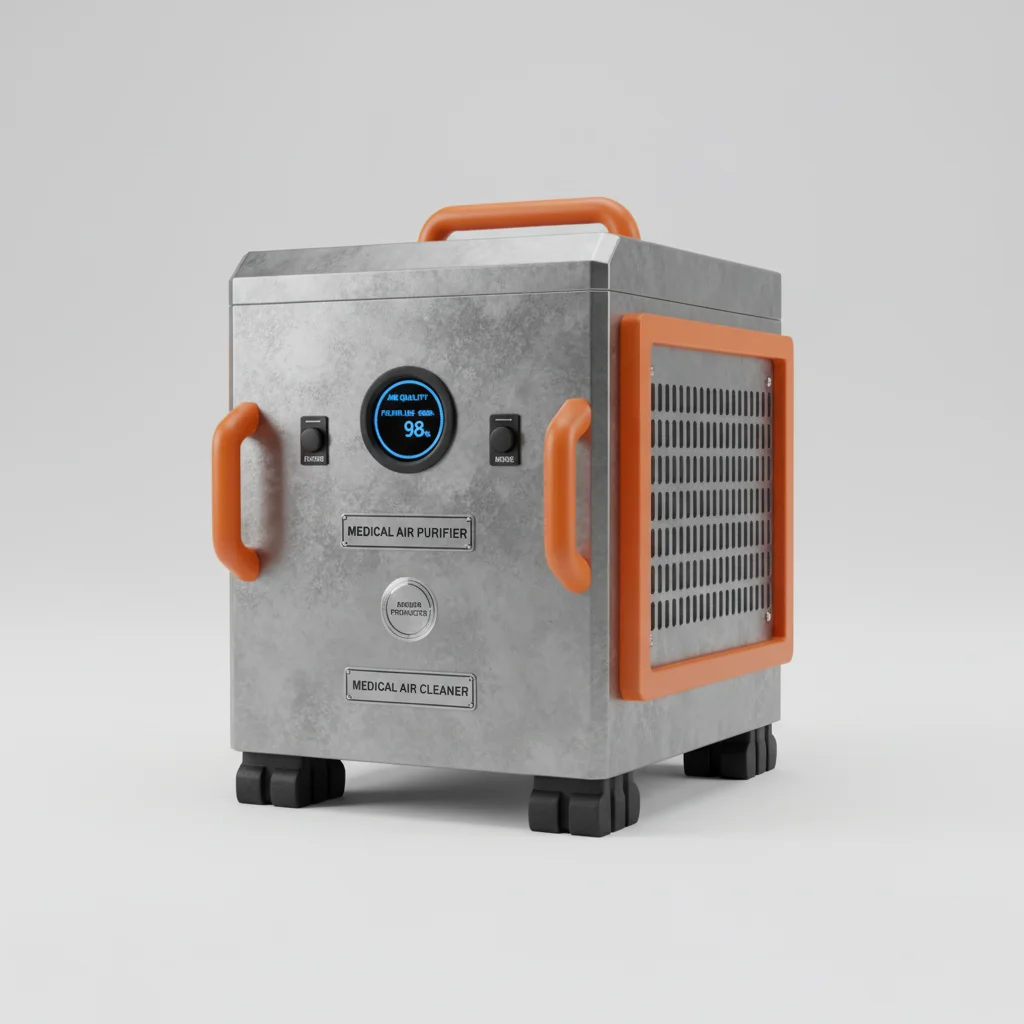
The pursuit of clean indoor air has evolved from simple filtration to advanced molecular decomposition, where the photocatalytic air purifier stands as a beacon of innovation. Unlike traditional filters that merely trap particles, photocatalytic technology actively destroys pollutants, offering a sustainable solution to the growing challenge of urban air quality and indoor volatile organic compounds (VOCs).
On a global scale, the integration of semiconductor materials and UV light has transformed how we perceive air sanitation. By leveraging the power of catalysts like titanium dioxide, a photocatalytic air purifier can neutralize bacteria, viruses, and odors at a microscopic level, making it an essential tool for health-conscious households and industrial facilities alike.
Understanding the mechanics and application of this technology is not just about purchasing a device; it is about investing in long-term respiratory health and environmental sustainability. As we transition toward "greener" living, the role of photocatalysis in air purification becomes pivotal in reducing our reliance on disposable filter cartridges and chemical deodorizers.

Global Context of Photocatalytic Air Purifier Technology
In the current era of rapid urbanization, the World Health Organization (WHO) has repeatedly warned about the dangers of ambient air pollution, which contributes to millions of premature deaths annually. The photocatalytic air purifier has emerged as a critical response to this crisis, particularly in densely populated cities where smog and industrial emissions penetrate indoor spaces.
The demand for these systems has surged not only as a health precaution but as a regulatory necessity in many ISO-certified environments. By utilizing light-activated catalysts, these devices provide a way to maintain air purity without the massive energy footprints associated with some industrial scrubbing systems, aligning with global carbon neutrality goals.
Defining the Photocatalytic Air Purifier Mechanism
At its simplest level, a photocatalytic air purifier is a device that uses a photocatalyst—typically titanium dioxide (TiO2)—and a light source (usually UV) to trigger a chemical reaction that breaks down organic pollutants. When UV light hits the catalyst, it creates electron-hole pairs that generate highly reactive hydroxyl radicals, which then attack and mineralize pollutants into harmless substances like water and carbon dioxide.
This mechanism is fundamentally different from HEPA filtration. While a HEPA filter acts like a sieve, catching particles, the photocatalytic process acts like a "chemical incinerator" at room temperature. This makes it uniquely capable of removing gases, odors, and microscopic pathogens that are too small to be trapped by physical mesh.
In the context of modern humanitarian needs, this technology is invaluable for creating safe zones in environments contaminated by chemical leaks or biological hazards. Its ability to operate continuously without needing constant filter replacements makes it a robust choice for remote medical clinics or temporary shelters in disaster-stricken areas.
Core Components for Maximum Efficiency
The effectiveness of a photocatalytic air purifier depends heavily on the quality of its catalyst coating. The surface area of the catalyst must be maximized, often through the use of porous honeycombs or nanostructured surfaces, to ensure that the maximum number of air molecules come into contact with the activated sites.
Another critical factor is the light source. Modern photocatalytic air purifier units are transitioning from traditional UV-C lamps to energy-efficient LED arrays. These LEDs can be tuned to specific wavelengths that perfectly match the bandgap of the catalyst, significantly increasing the rate of pollutant decomposition while reducing energy consumption.
Finally, airflow management is essential. A well-designed purifier ensures that air does not simply "bypass" the catalyst. By utilizing precision-engineered silicone seals and optimized fan curves, manufacturers can ensure a high "single-pass" efficiency, meaning a larger percentage of pollutants are destroyed in one journey through the machine.
Industrial Applications and Real-World Use Cases
The application of the photocatalytic air purifier extends far beyond the home. In hospital operating rooms, these systems are used to eliminate airborne pathogens and surgical smoke, maintaining a sterile environment that reduces post-operative infection rates. In the food industry, they are employed to remove strong odors from processing plants without using masking fragrances.
Furthermore, in remote industrial zones where electricity is scarce, solar-powered photocatalytic systems are being deployed. For example, in off-grid mining camps, these purifiers help maintain a breathable atmosphere in confined living quarters by neutralizing the off-gassing from industrial plastics and rubber materials used in construction.
Performance Comparison of Air Purification Methods
Tangible Advantages and Long-Term Value
One of the most significant advantages of a photocatalytic air purifier is its sustainability. Unlike traditional filters that must be thrown into landfills every few months, the photocatalytic catalyst is not "consumed" by the reaction. This drastically reduces the total cost of ownership over a ten-year period and minimizes the environmental impact of waste.
Beyond the logic of cost and ecology, there is an emotional value in the trust provided by this technology. Knowing that a device is actively destroying viruses and toxins—rather than just storing them in a dusty filter—provides a sense of psychological security. For parents of infants or caregivers of the elderly, this level of active sanitation is priceless.
Future Trends in Air Purification Innovation
The future of the photocatalytic air purifier lies in "Visible Light Photocatalysis." Current systems rely heavily on UV light, but researchers are developing doped catalysts that can be activated by standard indoor LED lighting or natural sunlight. This would allow air purification to be integrated directly into wall paints or ceiling tiles, turning an entire room into a passive purifier.
Digital transformation is also playing a role. Smart purifiers now incorporate AI-driven sensors that detect the specific type of pollutant in the air and adjust the UV intensity and airflow in real-time. This automation ensures maximum energy efficiency while guaranteeing that air quality remains within strict health parameters.
Integration with green energy is the final piece of the puzzle. We are seeing a trend toward combining these purifiers with hydrogen fuel cells or advanced solar glazing, creating self-sustaining "breathable" buildings that require zero external power to maintain an ultra-clean interior environment.
Overcoming Technical Challenges and Solutions
Despite its power, the photocatalytic air purifier faces challenges, primarily the "catalyst poisoning" effect. Over time, certain inorganic compounds can bind permanently to the catalyst surface, reducing its activity. The solution lies in the development of self-cleaning surfaces and periodic "regeneration" cycles where high-intensity light is used to burn off the accumulated residues.
Another concern is the potential for incomplete oxidation, which could theoretically produce intermediate by-products. To combat this, engineers are implementing multi-stage purification systems. By pairing a photocatalytic core with a final polishing stage of activated carbon or a high-grade silicone filter, any trace intermediates are captured, ensuring the output air is 100% safe.
Lastly, the cost of high-purity titanium dioxide and UV-C LEDs can be a barrier. However, through economies of scale and the adoption of liquid injection molding for catalyst carriers, the manufacturing cost is dropping. This democratization of technology ensures that high-end air purification is no longer reserved for luxury hospitals but is accessible to the general public.
Comparative Analysis of Photocatalytic System Performance
| Catalyst Material |
VOC Removal Rate |
Energy Consumption |
Durability Score |
| Pure TiO2 |
High |
Medium |
9/10 |
| Nitrogen-doped TiO2 |
Very High |
Low |
7/10 |
| ZnO-TiO2 Composite |
Medium |
Medium |
8/10 |
| Silver-loaded TiO2 |
Exceptional |
High |
6/10 |
| Carbon-coated TiO2 |
High |
Low |
7/10 |
| Graphene-TiO2 Hybrid |
Maximum |
Medium |
8/10 |
FAQS
A HEPA filter is a physical barrier that traps dust and particles. In contrast, a photocatalytic air purifier uses a chemical reaction to destroy pollutants. While HEPA filters collect waste, photocatalysis converts harmful gases and pathogens into harmless water and CO2, meaning it can handle smells and chemicals that pass right through a HEPA filter.
Yes, provided the unit is properly designed. High-quality photocatalytic purifiers use an enclosed chamber for the UV light, ensuring that no UV radiation leaks into the living space. The air is treated inside the device, and only the purified air is released, making it completely safe for children and pets.
One of the primary benefits of the photocatalytic air purifier is that the catalyst is not consumed during the reaction. While some units have pre-filters for large dust particles that need replacing, the actual photocatalytic core can last for several years, significantly reducing maintenance costs compared to carbon or HEPA filters.
Absolutely. Smoke and cooking smells are composed of volatile organic compounds (VOCs). The hydroxyl radicals generated by the photocatalytic process are highly effective at breaking the molecular bonds of these odors, neutralizing them at the source rather than just masking them with a fragrance.
Depending on the light source, some older UV lamps could produce trace amounts of ozone. However, modern photocatalytic air purifiers use specific wavelengths (usually 254nm or LED) and ozone-scrubbing catalysts to ensure that the output air is ozone-free and safe for respiratory health.
Yes, but for large spaces, a centralized photocatalytic system integrated into the HVAC ducting is recommended. This allows the air to be purified as it circulates through the building, ensuring uniform air quality across thousands of square feet without the need for dozens of individual portable units.
Conclusion
The photocatalytic air purifier represents a paradigm shift in environmental control, moving from passive collection to active destruction of pollutants. By combining the precision of semiconductor chemistry with advanced lighting and airflow engineering, these systems offer a sustainable, low-maintenance, and highly effective solution for the modern air quality crisis.
As we look toward a future of smarter, greener cities, the integration of photocatalytic technology into our infrastructure will be key to ensuring public health and planetary well-being. Whether for a home nursery or a high-tech industrial plant, investing in this technology is a step toward a cleaner, safer, and more breathable world. Visit our website for more information: www.gyfsilicone.com