In an era where indoor air quality has become a critical health priority, the adoption of a wall mount air cleaner represents a strategic shift in how we manage our immediate environments. By elevating filtration systems off the floor, these units optimize airflow patterns and eliminate the physical obstacles that often hinder the efficiency of traditional portable purifiers.
The global demand for specialized air filtration has surged, driven by increasing urbanization and a heightened awareness of airborne pollutants. A high-performance wall mount air cleaner doesn't just remove dust; it addresses the complex needs of modern industrial and residential spaces, providing a seamless integration of health-conscious technology and architectural efficiency.
Understanding the technical nuances of these systems—from their mounting stability to their filtration grade—is essential for anyone looking to improve long-term respiratory wellness. By focusing on space-saving designs and high-CADR (Clean Air Delivery Rate) performance, these devices ensure that clean air is distributed evenly across a room, reducing dead zones and maximizing the purity of every breath.

Global Relevance of Wall Mount Air Cleaner
The global landscape of air quality management has shifted dramatically, with the World Health Organization (WHO) highlighting that a significant percentage of the global population breathes air that exceeds safety limits. In this context, the wall mount air cleaner has emerged as a vital solution for high-density urban environments where floor space is at a premium and air circulation is often stagnant.
Beyond residential use, industrial standards such as ISO 14644 for cleanrooms have pushed the boundaries of how we integrate filtration into the building's structure. By utilizing wall-mounted configurations, facilities can maintain sterile environments without obstructing the movement of personnel or machinery, thereby blending operational efficiency with rigorous health standards.
Defining the Wall Mount Air Cleaner System
At its core, a wall mount air cleaner is a specialized air filtration device designed to be permanently or semi-permanently fixed to a vertical surface. Unlike portable units that sit on the floor, these systems are engineered to draw air from the upper and middle strata of a room, where many fine particulates and allergens tend to linger, and expel purified air back into the living space through a controlled aerodynamic path.
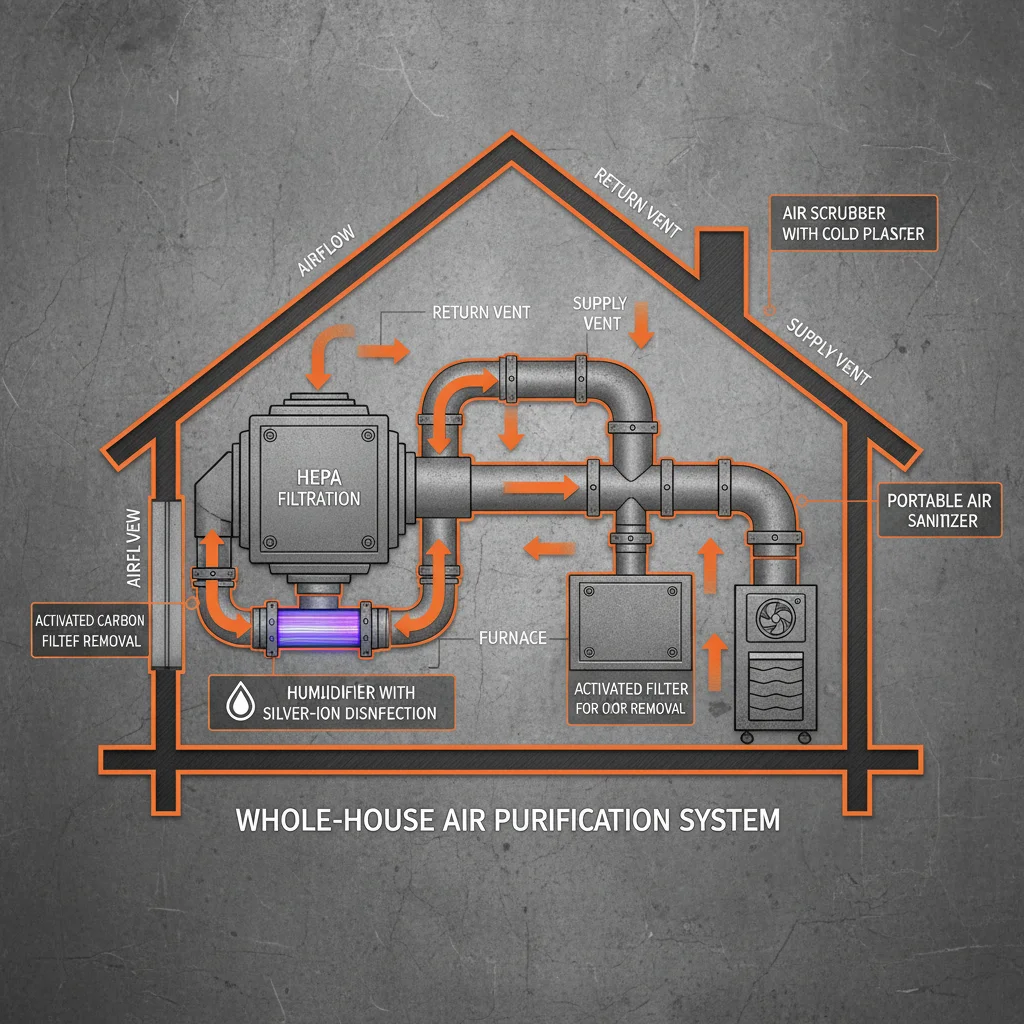
From a technical perspective, these units often integrate multi-stage filtration—combining pre-filters for large debris, HEPA filters for microscopic particles, and sometimes activated carbon for volatile organic compounds (VOCs). This architecture ensures that the device handles a wide spectrum of contaminants, making it an indispensable tool for both allergy sufferers and industrial operators.
The connection to modern humanitarian and industrial needs is clear: as we move toward "smart cities" and compact living, the need for invisible yet powerful infrastructure grows. The wall-mounted approach transforms an air purifier from a piece of furniture into a built-in utility, mirroring the evolution of air conditioning and heating systems.
Core Components and Engineering Factors
The efficiency of a wall mount air cleaner depends heavily on its structural durability and the quality of its mounting hardware. Because these units operate continuously, the vibration-damping materials used in the brackets are essential to prevent noise transfer through the walls, ensuring a quiet environment for the occupants.
Scalability and airflow dynamics are the next critical factors. A well-engineered wall mount air cleaner utilizes a high-pressure centrifugal fan that can overcome the resistance of dense HEPA media, ensuring that the Clean Air Delivery Rate (CADR) remains consistent even as the filter begins to load with particulates.
Lastly, cost-efficiency is achieved through modular filter designs. By allowing users to replace individual filter stages rather than the entire unit, the long-term operational cost is significantly reduced. This sustainable approach ensures that the system remains a viable investment for both homeowners and large-scale facility managers.
Practical Applications Across Diverse Sectors
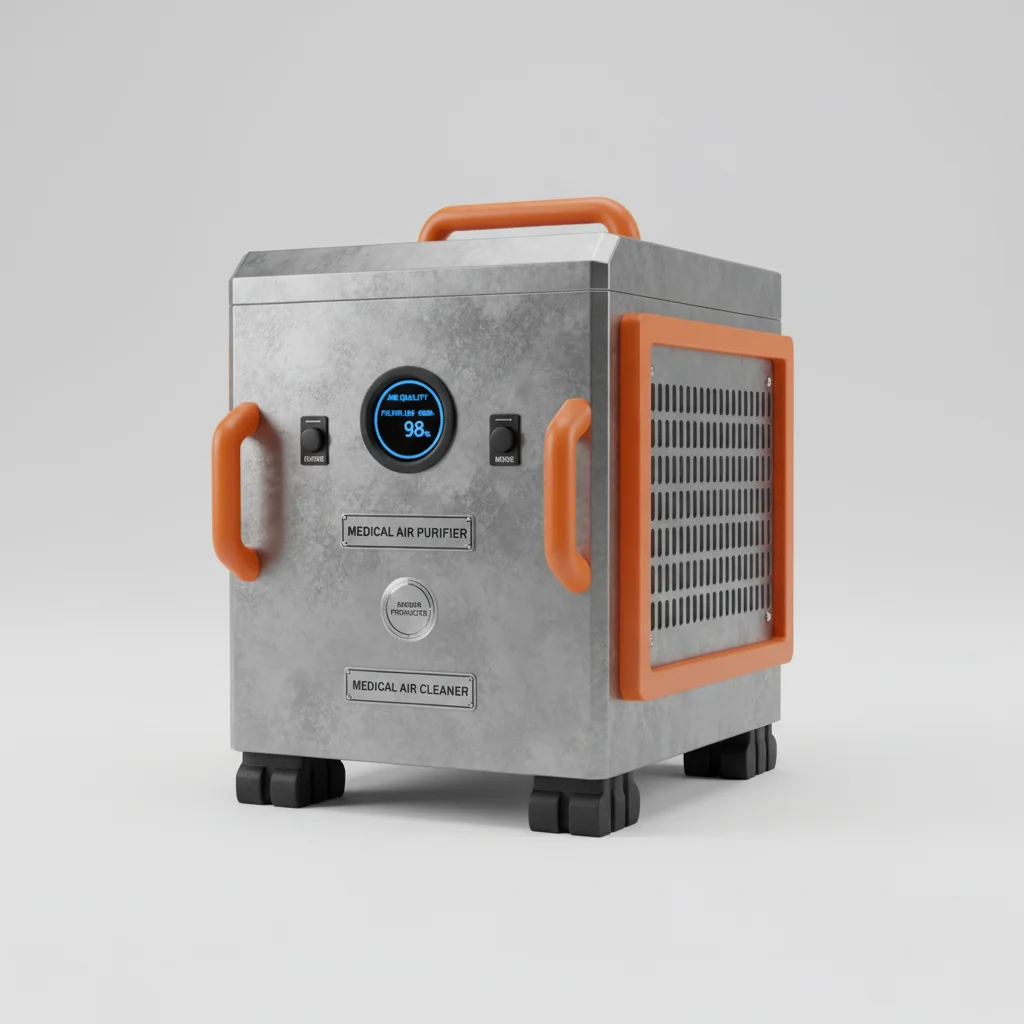
In real-world contexts, the application of the wall mount air cleaner varies by industry. In healthcare settings, such as dental clinics or small medical exam rooms, these units are mounted to maintain a sterile field without creating trip hazards with power cords, directly contributing to patient safety and regulatory compliance.
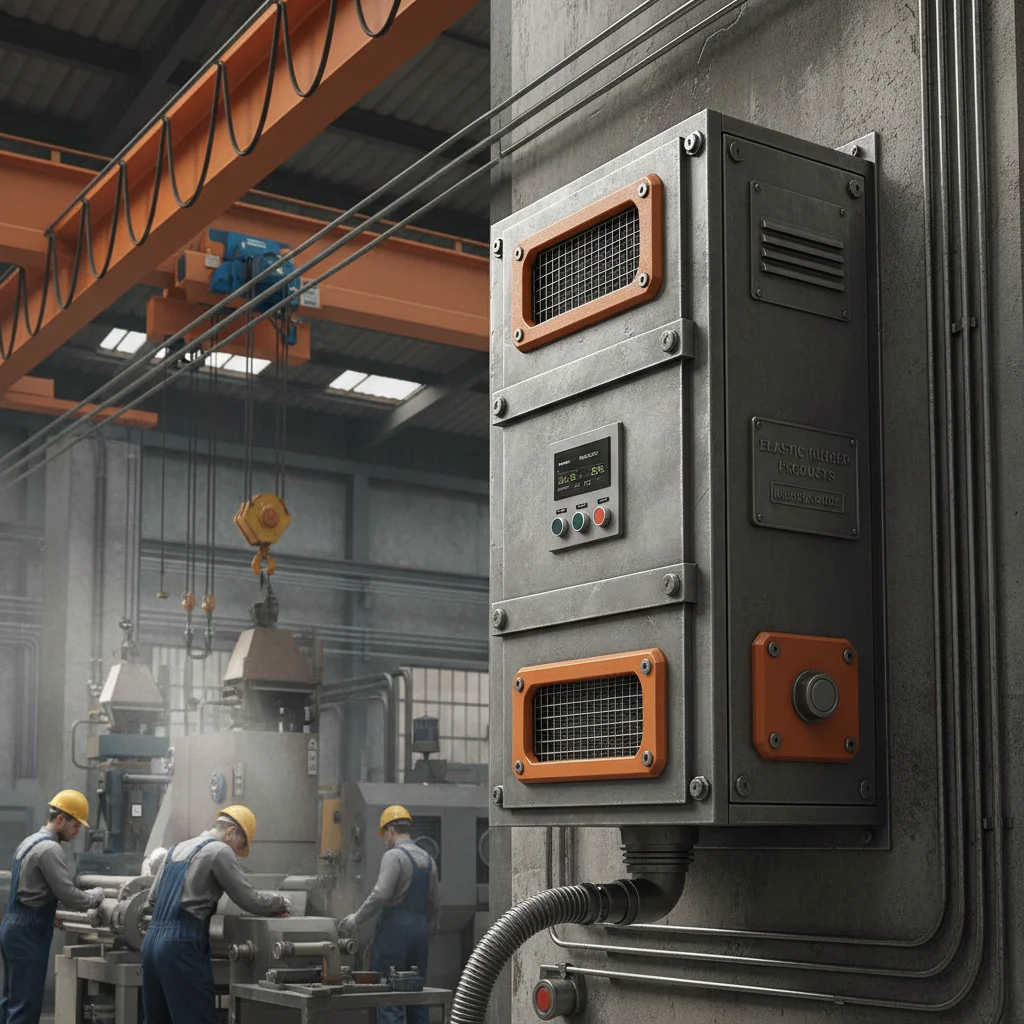
In remote industrial zones or temporary workshops, these systems are often deployed in modular housing to combat dust from construction or chemical fumes from manufacturing. By integrating these cleaners into the walls of prefabricated units, organizations can ensure a breathable atmosphere in environments where traditional HVAC systems are absent or insufficient.
Comparative Performance of Wall Mount Air Cleaner Configurations
Tangible Advantages and Long-Term Value
The primary advantage of a wall mount air cleaner is the optimization of the physical environment. By removing the unit from the floor, you eliminate a common source of dust accumulation and free up valuable square footage, which is a logical necessity in modern minimalist architecture and high-traffic commercial corridors.
Beyond the logical benefits, there is an emotional layer of trust and safety. Knowing that a professional-grade filtration system is permanently integrated into the room provides peace of mind to employees and residents alike. This sense of security, coupled with the reduction in airborne allergens, fosters a healthier, more productive atmosphere that pays dividends in long-term health outcomes.
Future Innovations in Air Purification
The future of the wall mount air cleaner lies in the intersection of IoT (Internet of Things) and advanced materials science. We are seeing a shift toward "smart filters" that can notify users via smartphone apps when a filter's saturation reaches a specific percentage, removing the guesswork from maintenance and ensuring peak performance at all times.
Furthermore, the integration of green energy is becoming a priority. Future iterations are expected to utilize low-energy DC motors and potentially integrate thin-film solar cells on the exterior casing for auxiliary power, reducing the carbon footprint of constant air purification.
Digital transformation is also bringing AI-driven airflow adjustment. Imagine a wall mount air cleaner that detects the number of people in a room via thermal sensors and automatically increases its CADR to compensate for the higher CO2 and particulate levels, optimizing energy use while maintaining air purity.
Overcoming Implementation Challenges
Despite the benefits, implementing a wall mount air cleaner can present challenges, most notably regarding electrical installation and wall integrity. Many older buildings lack accessible power outlets at the required mounting height, necessitating professional electrical work to ensure safety and compliance with local building codes.
Another common limitation is the initial noise level associated with high-power wall-mounted fans. However, the expert solution involves the use of acoustic dampening materials—such as high-grade silicone gaskets—between the unit and the wall. This isolates the vibration and significantly lowers the decibel level perceived by the user.
Lastly, the challenge of filter access in high-ceiling environments can be an obstacle. Innovative designs are now incorporating "front-load" filter trays, allowing maintenance staff to slide out the filtration media without needing to dismantle the entire unit or use heavy machinery to reach the device.
Technical Comparison of Wall Mount Air Cleaner Implementation Strategies
| Installation Method |
Ease of Maintenance |
Noise Isolation |
Efficiency Score |
| Surface Bracket Mount |
High |
Moderate |
7/10 |
| Recessed Wall Mount |
Moderate |
High |
9/10 |
| Industrial Rail Mount |
Very High |
Low |
8/10 |
| Custom Cabinet Mount |
Low |
Very High |
10/10 |
| Modular Panel Mount |
High |
Moderate |
7/10 |
| Suspension Mount |
Moderate |
High |
8/10 |
FAQS
The primary advantage is the optimization of airflow. Wall-mounted units are positioned to capture pollutants from a wider vertical range and are not blocked by furniture or foot traffic. Additionally, they save precious floor space and are safer in environments with children or pets, as there are no cables on the floor to cause trips.
Depending on the environment, pre-filters should be cleaned every 2-4 weeks, while HEPA and carbon filters typically last between 6 to 12 months. In industrial settings with high particulate loads, these intervals may be shorter. Many modern units now include digital sensors to notify you exactly when a change is needed.
Installation varies by model. Surface-mount units can be installed with basic tools and a power outlet. Recessed units require cutting into the drywall and professional electrical wiring. We always recommend a certified electrician to ensure the unit is grounded and the wall supports the weight of the device securely.
Yes, provided the unit is equipped with an activated carbon filter stage. While HEPA filters excel at capturing dust and pollen, activated carbon is specifically designed to adsorb chemical vapors, smoke, and odors, making them ideal for kitchens, laboratories, or medical offices.
Most high-quality units operate between 30dB (sleep mode) and 60dB (turbo mode). To minimize noise, look for units with brushless DC motors and those that utilize silicone vibration dampers at the mounting points to prevent the wall from acting as a sounding board.
Modern units are designed for continuous operation and often consume less power than a standard light bulb on low settings. The use of high-efficiency motors and "Auto-Mode" sensors ensures the device only ramps up power when pollutants are detected, maximizing energy savings.
Conclusion
The integration of a wall mount air cleaner is more than just a home improvement; it is a commitment to sustainable health and operational excellence. By combining advanced filtration technology with an architectural approach to installation, these systems effectively eliminate airborne threats while optimizing the usable space of any room. From the reduction of allergens in the home to the maintenance of sterile environments in clinics, the long-term value is found in the seamless blend of safety, efficiency, and design.
Looking forward, as smart home technology and eco-friendly materials continue to evolve, we can expect air purification to become an invisible, autonomous part of our building infrastructure. Investing in high-quality, wall-mounted solutions today prepares you for a future where clean air is not a luxury, but a standard built-in feature of every healthy living and working space. For more information on high-performance industrial and residential solutions, visit our website: www.gyfsilicone.com.