April 16, 2026
In the modern kitchen, functionality meets style through innovative materials. A high-quality Silicone Placemat has become an essential accessory for homeowners and professional caterers alike. Unlike traditional fabric or plastic options, silicone offers an unparalleled blend of heat resistance, durability, and ease of cleaning. Whether you are protecting your expensive dining table from hot pots or creating a mess-free zone for toddlers, understanding the benefits of this versatile tool is key to enhancing your dining experience. In this guide, we will explore why silicone is the superior choice for table protection and how to select the best one for your needs.

The transition from traditional cloth mats to a Silicone Placemat is driven by practicality. Silicone is naturally non-porous, meaning it doesn't absorb liquids or odors, making it incredibly hygienic. One of the most significant advantages is the anti-slip grip; these mats stay firmly in place, preventing plates and glasses from sliding. Moreover, they are eco-friendly and BPA-free, ensuring that your food remains safe from harmful chemicals. For families with children, the impact-resistant nature of silicone means no more worrying about shattered glass or deep stains on the mahogany table.
Pro Tip: Look for food-grade silicone certifications to ensure the product is safe for direct contact with food and high temperatures.
Not all table protectors are created equal. When comparing a professional-grade Silicone Placemat against PVC or Fabric, the differences in longevity and maintenance become clear. PVC can release toxins when heated, and fabric requires frequent laundering which leads to wear and tear. Silicone, however, withstands extreme temperatures and can be wiped clean in seconds or tossed in the dishwasher. This makes it the most cost-effective long-term investment for any kitchen.
When shopping for the ideal Silicone Placemat, certain technical specifications determine the quality. First, check the thickness; a thicker mat provides better insulation and a more premium feel. Second, look for raised edges or "lip" designs, which prevent spilled liquids from running onto your table. Finally, consider the colorfastness; high-quality silicone is pigmented throughout the material, meaning the color won't fade or peel off over time, even with frequent scrubbing.
The versatility of the Silicone Placemat extends beyond basic dining. For parents, these mats serve as the perfect "feeding station" for toddlers, as they can be easily rolled up and carried for travel. For home chefs, they act as a heat-resistant landing pad for pots straight from the oven. In professional settings, their minimalist aesthetic fits perfectly into modern office breakrooms or high-end cafes. Because they are water-resistant and durable, they are even used in outdoor patios and camping trips where easy cleanup is a priority.
To help you make an informed purchase, we have compiled the standard technical specifications found in premium Silicone Placemat options. These metrics ensure that the product you choose can withstand the rigors of daily kitchen use while maintaining its shape and protective qualities.
While a Silicone Placemat is designed for durability, a little care goes a long way. For daily cleaning, a damp cloth with mild soap is sufficient. For heavy grease or stubborn stains, we recommend using a soft sponge to avoid scratching the surface. Avoid using sharp metal scrubbers. One of the best features is that they are dishwasher safe; however, placing them on the top rack prevents any potential deformation from extreme heat elements. Store them by rolling rather than folding to maintain a perfectly flat surface for your next meal.
The Silicone Placemat is more than just a table cover; it is a fusion of safety, hygiene, and modern design. By offering superior heat resistance and an effortless cleaning process, it frees you from the tedious chore of laundry and the stress of table damage. Whether for a bustling family home or a sleek professional environment, investing in high-quality silicone accessories ensures a cleaner, safer, and more elegant dining space. Upgrade your kitchen today and experience the difference that premium materials make.
Yes, a silicone placemat is safe for virtually all surfaces, including wood, glass, marble, and laminate. Because silicone is chemically inert and heat-resistant, it acts as a protective barrier that prevents thermal shock on glass and heat rings on wooden surfaces. Its non-adhesive nature ensures that it won't stick to or damage the finish of your furniture, making it a universal solution for table protection regardless of the material of your dining set.
Most stains on a silicone placemat can be removed with warm soapy water. For more stubborn residues, such as dried food or oil, you can use a mixture of baking soda and water to create a gentle paste. Rub the paste onto the stain, let it sit for a few minutes, and then wipe it away with a soft cloth. Avoid using bleach or highly abrasive chemicals, as these can degrade the silicone over time. Since they are dishwasher safe, a heavy-duty cycle often does the trick for deep cleaning.
Absolutely. Food-grade silicone is specifically processed to be non-toxic and free from impurities, making it safe for contact with food and beverages. It undergoes rigorous testing to ensure no chemicals leach into the food. Industrial silicone, while durable, may contain additives or fillers that are not safe for consumption. When purchasing a Silicone Placemat, always ensure the manufacturer specifies "food-grade" or provides FDA/LFGB certifications to guarantee safety for your family.
Yes, one of the greatest benefits of silicone is its extreme heat resistance, often handling temperatures up to 230°C (446°F). This allows you to use your placemat as a temporary trivet for hot pots and pans. However, we recommend avoiding direct contact with open flames or extremely high-heat sources like stovetop burners. While they are excellent for protecting tables from hot cookware, using them as a primary heat shield for boiling pots is a convenient and safe way to prevent surface damage.
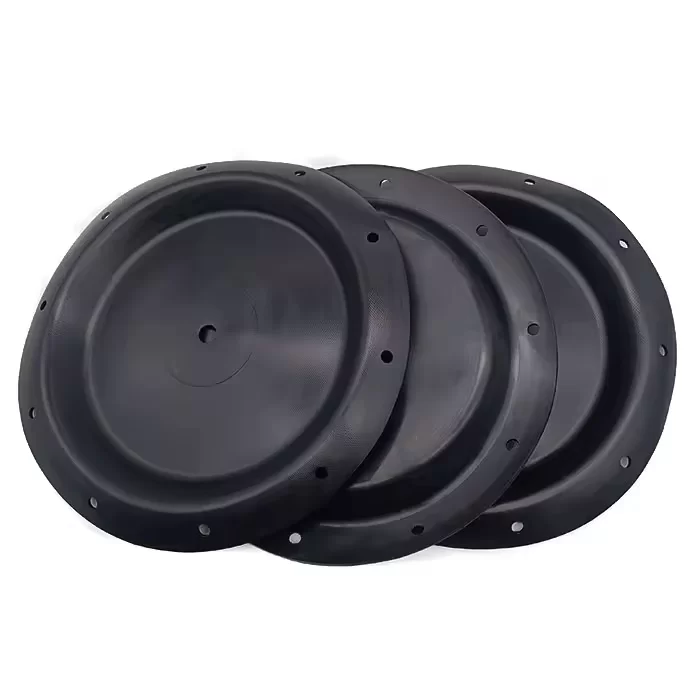
Long Service Life Pneumatic Diaphragm Pump Silicone Rubber Diaphragm
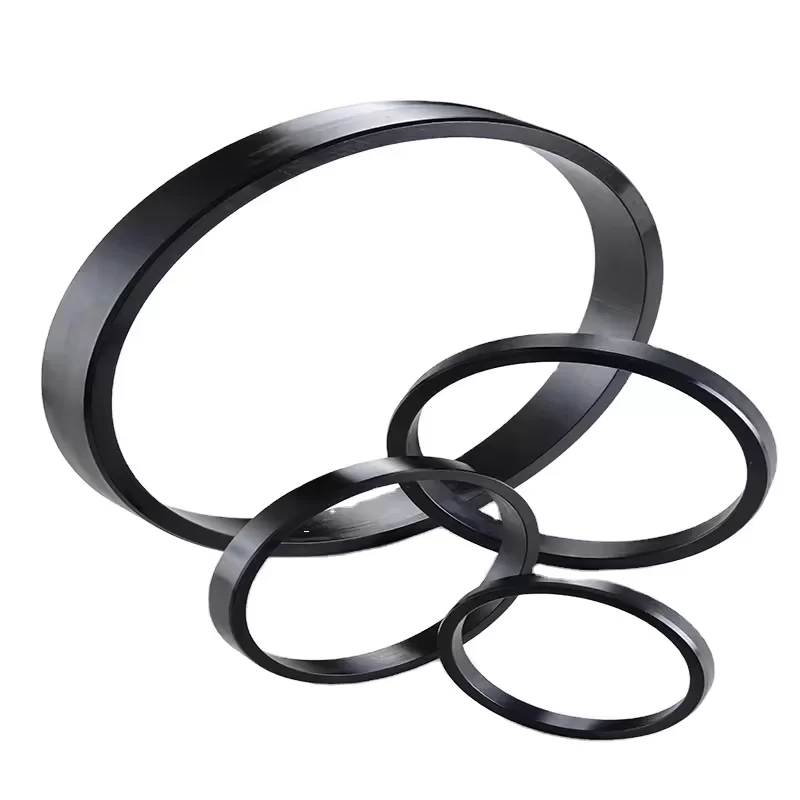
Rubber SealNBR Ring for Hydraulic Cylinders Piston
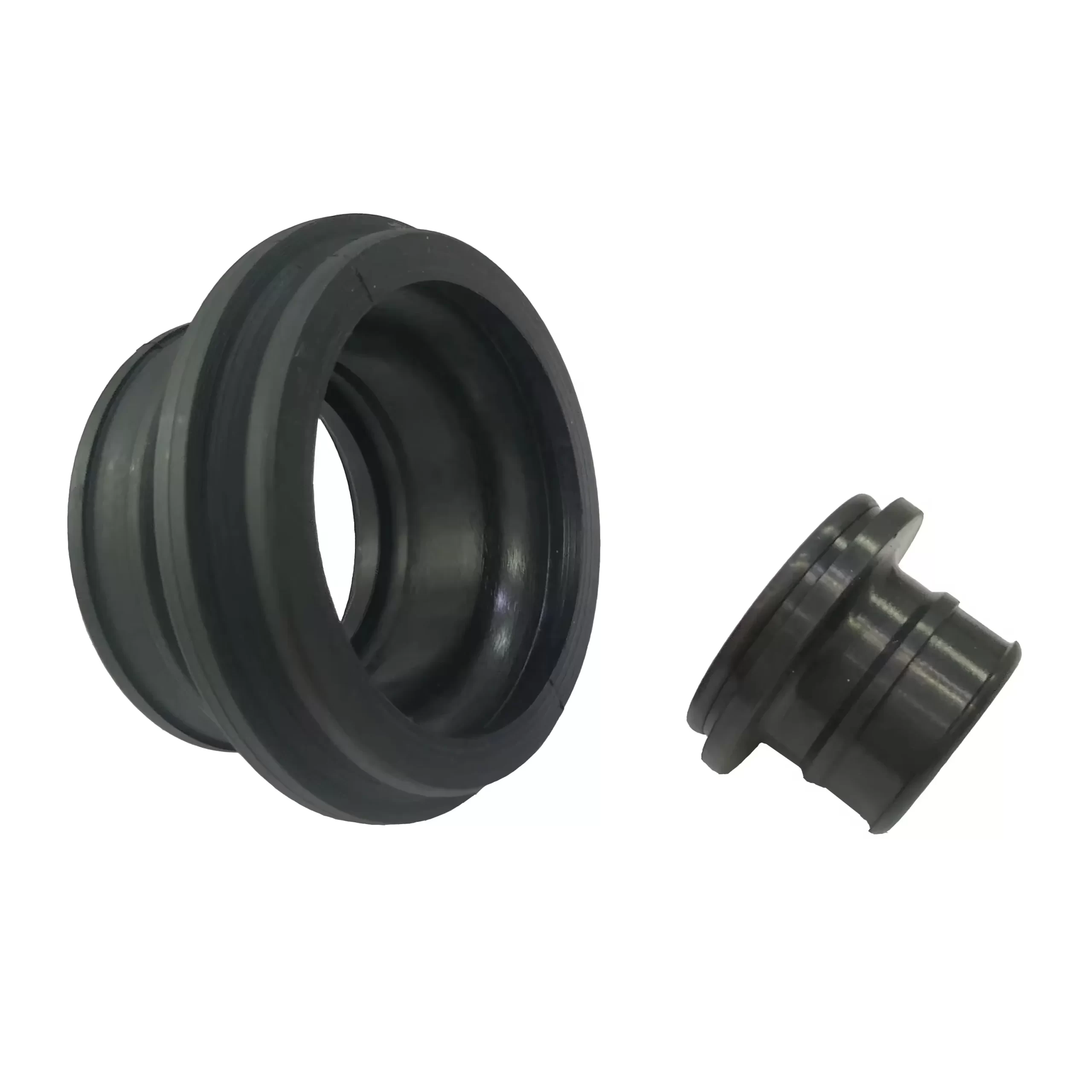
Similar MONO Progressive Cavity Pump Pin Seal

Apr 17, 2026
Advanced Air Sterilization Machine for Indoor Air Quality and Safety