


European manufacturers often struggle with material consistency, regulatory compliance, and the lack of agile custom mold development.
Using tubing that fails to meet strict EU food or medical standards can lead to costly recalls. In Slovakia's precision sectors, the absence of FDA or ISO13485 certification creates significant legal and operational risks.
Poorly extruded tubes often suffer from diameter variations. This cause leakage in sealing applications or fitting failures in medical devices, directly impacting the reliability of the final assembled product.
Long lead times for custom molds hinder innovation. Many Slovakian firms face delays because their suppliers cannot develop molds quickly, slowing down the time-to-market for new product iterations.
Standard rubbers often fail under extreme temperature fluctuations common in Central European industrial environments, leading to premature cracking or loss of elasticity in door strips and gaskets.
Over-reliance on a single local supplier can lead to production halts. Lack of scalable manufacturing capacity often prevents companies from growing their output to meet increasing European demand.
Generic Silicone Door Strip products often lack the precision required for tight architectural tolerances, resulting in inefficient energy insulation and noise leakage.
We combine massive production capacity with rigorous certification to solve the most complex rubber extrusion challenges.
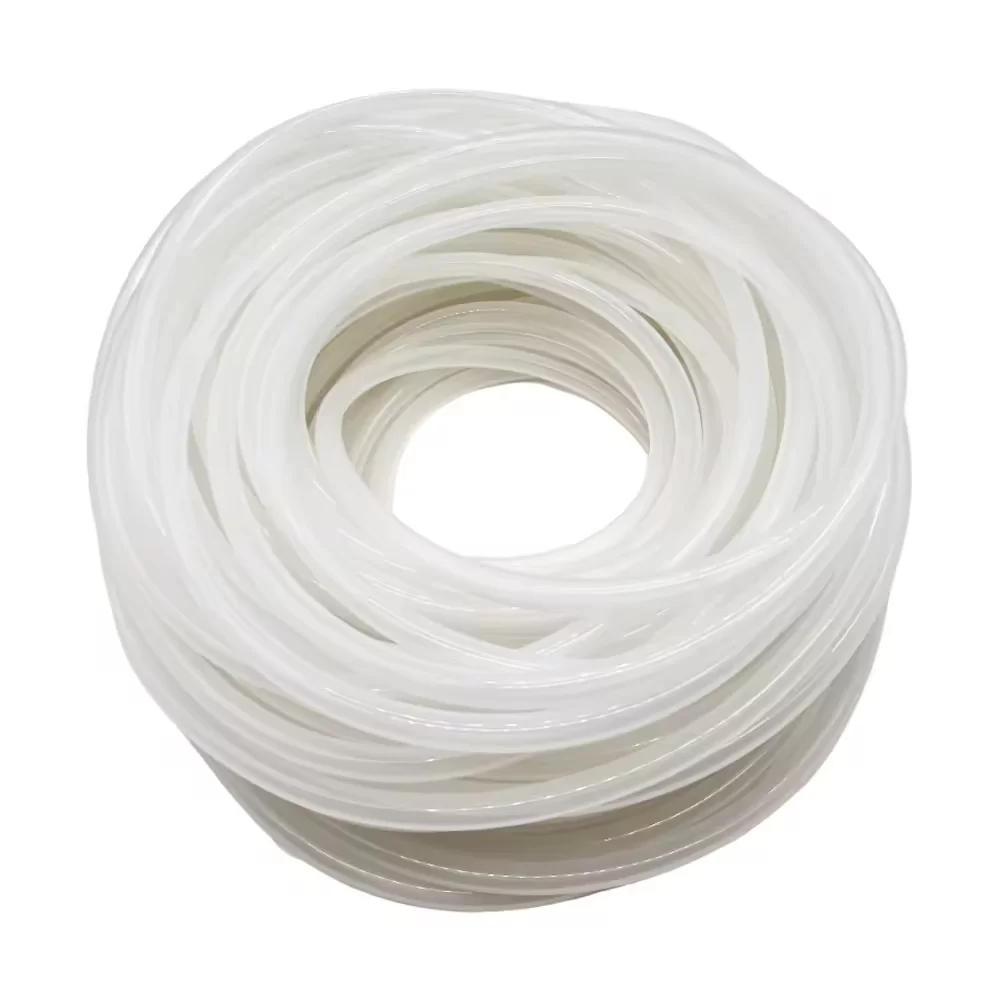
We utilize FDA, ISO13485, and ISO22000 certified materials. This ensures that every Food-Grade Silicone Tube meets the highest safety standards for Slovakian food processing and medical plants.
Our 12 advanced extrusion lines employ real-time monitoring to eliminate diameter fluctuations, ensuring a perfect fit for Medical-Grade Silicone Tube applications where precision is non-negotiable.
With an in-house mold department capable of 30–100 sets per month, we reduce the design-to-production cycle, allowing Slovakian clients to validate prototypes and scale production in record time.
By optimizing the silicone cross-linking process, we create products that maintain elasticity from -60°C to +230°C, making our components ideal for the diverse climatic conditions of Central Europe.
Four production bases across China and Thailand ensure a redundant and stable supply chain. This allows us to maintain consistent delivery schedules for large-scale industrial projects in Slovakia.
We engineer customized geometries for door strips and gaskets, utilizing hydraulic press precision to ensure optimal compression and sealing, significantly improving energy efficiency in buildings.
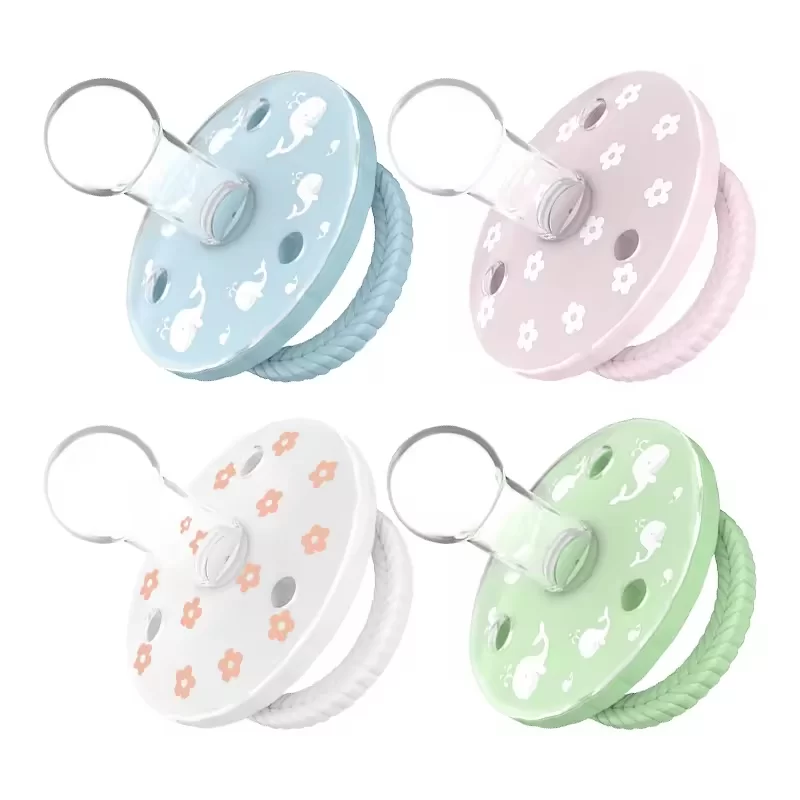


Our infrastructure is designed to handle everything from small custom batches to millions of units for global brands.
An analysis of material demands across Slovakia's automotive, medical, and food processing sectors.
Slovakia's industrial economy is heavily anchored in automotive and electronics manufacturing, creating a consistent demand for high-durability rubber components. In regions like Bratislava and Košice, the presence of precision engineering firms necessitates silicone products that can withstand chemical exposure and extreme temperature cycles. The market is shifting toward higher-purity materials, particularly in the pharmaceutical and food sectors, where the transition from traditional plastics to medical-grade silicone is driven by stricter EU health and safety regulations regarding leachables and extractables.
Current trends indicate a surge in demand for customized extrusion profiles. As Slovakian architects and industrial builders focus on "Green Building" certifications, the need for advanced Silicone Door Strip solutions has grown. These components are no longer viewed as simple gaskets but as critical elements of thermal insulation and acoustic management. Furthermore, the rise of smart wearables in the EU market is driving the need for biocompatible silicone, pushing manufacturers to seek partners who can integrate design, molding, and final assembly under one roof.
While the local market offers basic rubber goods, there is a significant gap in high-end, certified silicone extrusion capable of rapid scaling. The primary constraint remains the lead time for customized molds and the high cost of maintaining multiple international certifications like IATF16949 for automotive parts. This creates a strategic opportunity for integrated providers who can offer a complete chain from R&D to delivery, reducing the complexity for Slovakian buyers who currently have to manage multiple vendors for design, tooling, and production.
From basic seals to biocompatible, precision-engineered application solutions.
The transition from industrial silicone to medical-grade materials has redefined safety. Modern Medical-Grade Silicone Tube must now be free of catalysts and impurities to prevent adverse reactions in clinical environments.
Traditional molding was slow. The industry has evolved toward rapid-tooling and modular molds, allowing companies to iterate designs in days rather than weeks, which is essential for the fast-paced electronics sector.
There is an increasing push toward recyclable silicone and reducing scrap during extrusion. Optimizing the raw material feed and using closed-loop production systems are becoming standard for EU-facing suppliers.
How technology and regulation are reshaping the rubber and plastics industry.
Integration of antimicrobial properties into medical silicone to reduce hospital-acquired infections is becoming a priority for EU healthcare procurement.
Manufacturers are adopting additive manufacturing concepts to reduce the "start-up" waste common in traditional extrusion lines, aligning with European Circular Economy goals.
Development of silicone-based heat sinks and specialized tubes for EV battery cooling systems is rapidly increasing due to the automotive shift in Slovakia.
The rise of sustainable alternatives to plastic, such as the Silicone Straw, is shifting production toward small-batch, high-aesthetic consumer goods.
The overarching driver for these trends is the intersection of environmental sustainability and human health. In the Slovakian market, this is manifesting as a demand for "cleaner" production. The shift toward platinum-cured silicone over peroxide-cured options is no longer a luxury but a requirement for products touching food or skin, as it eliminates volatile organic compounds (VOCs) and provides superior clarity and odorlessness.
Operationally, the industry is moving toward "Smart Manufacturing." This involves integrating sensors into the extrusion process to detect wall-thickness variations in real-time, automatically adjusting the screw speed or puller rate. For high-stakes components like medical tubing, this level of automation is the only way to guarantee 100% consistency across millions of meters of extruded product, reducing waste and ensuring patient safety.
Real-world implementation of extruded silicone across diverse commercial environments.
In a high-precision lab environment, preventing contamination is critical. By implementing Medical-Grade Silicone Tubing, the facility ensures that fluid transfer remains sterile and free of leachables. The tube's ability to withstand repeated autoclave sterilization without degrading prevents frequent replacement and ensures a continuous, sterile workflow for sensitive chemical analysis.
Food manufacturers in the Trnava region require tubing that resists biofilm buildup and withstands harsh cleaning agents. Using Food-Grade Silicone Tubes, these plants maintain compliance with EU food safety laws. The material's non-reactive nature ensures that the taste and purity of food products are preserved during the extrusion and pumping process.
For heavy machinery operating in the extreme cold of Slovakian winters, standard rubber seals often fail. By deploying custom-profiled silicone gaskets, the facility ensures a tight seal that remains flexible at -60°C. This prevents air leakage and protects internal components from moisture and dust, reducing maintenance downtime by ensuring the structural integrity of the seals.
Modern office spaces prioritize noise reduction and energy efficiency. Integrating specialized Silicone Door Strips into the architectural framework allows for an airtight seal. This reduces HVAC energy consumption by preventing heat loss and blocks external city noise, creating a more productive environment for corporate tenants through superior acoustic dampening.
As plastic bans tighten across the EU, cafes are replacing plastic straws with durable Silicone Straws. These products must be aesthetically pleasing and easy to clean. By using food-safe, platinum-cured silicone, the cafe offers a reusable, dishwasher-safe alternative that aligns with the environmental values of Slovakian consumers while ensuring safe, tasteless usage.
Illustrative scenarios based on our strategic partnerships with global technology and consumer brands.
For high-volume consumer electronics, the integration of precision silicone components is vital. Our capacity to deliver thousands of consistent, high-quality parts monthly allows global brands to maintain strict assembly timelines without compromising on the tactile feel or durability of the end product.
In the medical device field, certification is everything. The ability to source IATF16949 and ISO13485 compliant tubing ensures that we meet all regulatory hurdles for European market entry, reducing the risk of audit failures and speeding up the product certification process.
Customization speed is a competitive advantage. Having a partner who can develop a mold and provide a prototype in a matter of days allows us to respond to market changes instantly, ensuring that our door strips and seals are always optimized for the latest architectural standards.
A journey of material innovation and manufacturing scale since 1995.
Founded in 1995, Guangyufeng Group began its journey in the silicone and rubber industry, focusing on establishing a foundation of quality and reliability in high-end polymer products.
The company scaled its operations to establish four major production bases in Shenzhen, Huizhou, Dongguan, and Bangkok, expanding its footprint to over 170,000 square meters.
Having achieved certifications like FDA, ISO13485, and IATF16949, the group now serves world-leading brands including Samsung, Huawei, Sony, Nintendo, Foxconn, and Colgate.



Expert answers to technical and commercial queries for European buyers.
Food-grade silicone is designed to be safe for contact with food, adhering to FDA or LFGB standards to ensure no harmful substances migrate into the product. Medical-grade silicone, however, adheres to stricter standards like ISO13485, requiring higher purity, lower extractables, and specific biocompatibility testing to ensure it can be used in clinical settings or implanted devices without causing an adverse immune response.
We utilize advanced extrusion lines equipped with laser diameter gauges and automatic feedback loops. These systems monitor the tube dimensions in real-time and automatically adjust the puller speed and screw RPM to correct any deviations. This ensures that every meter of tubing maintains a strict tolerance, which is critical for fittings in medical and automotive applications.
Yes, we specialize in custom profile design. Our in-house mold department can develop between 30 to 100 unique mold sets per month. Whether you need a complex multi-chambered door strip for thermal insulation or a specialized gasket for industrial machinery, we can design the geometry to meet your exact specifications and produce it at scale using our hydraulic press and extrusion capabilities.
We hold a comprehensive suite of international certifications including ISO9001 (Quality), ISO14001 (Environment), ISO45001 (Health & Safety), and IATF16949 (Automotive). For specialized applications, we provide FDA, ISO13485 (Medical), and ISO22000 (Food Safety) certifications. These ensure that our products meet all European regulatory requirements for safety, quality, and environmental impact.
The lead time depends on the complexity of the mold. Typically, the design and mold development phase takes 1-2 weeks. Once the prototype is approved, mass production begins. Because we have four production bases and extensive machinery (including 138 hydraulic presses), we can scale production quickly to ensure that delivery to Slovakia is handled efficiently through our global logistics chain.
Extrusion is ideal for continuous shapes of a constant cross-section, such as tubes, straws, and door strips, offering higher speed and lower cost for long lengths. Liquid injection molding (LSR) is best for complex, 3D geometries that require high precision and high-strength bonds. We offer both capabilities (50 liquid injection machines vs 12 extrusion lines), allowing us to advise on the most cost-effective method based on your part's geometry.
Whether you are upgrading a medical facility in Bratislava or scaling an industrial plant in Košice, Guangyufeng Group provides the certified quality and manufacturing scale you need. Discuss your technical requirements with our engineering team to find the perfect material grade and geometry for your application in Slovakia.
Request a Technical Consultation

