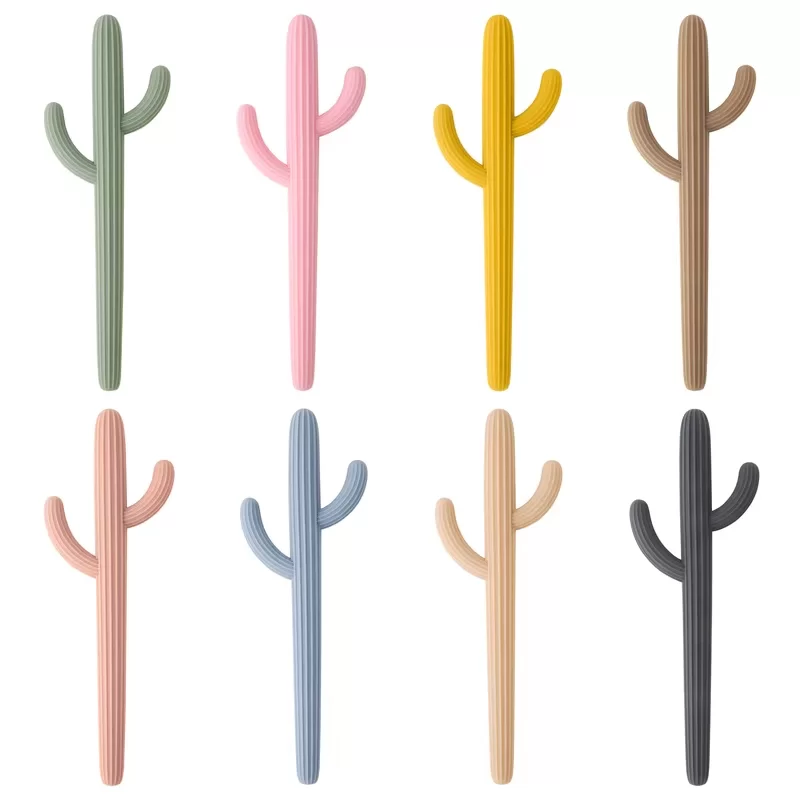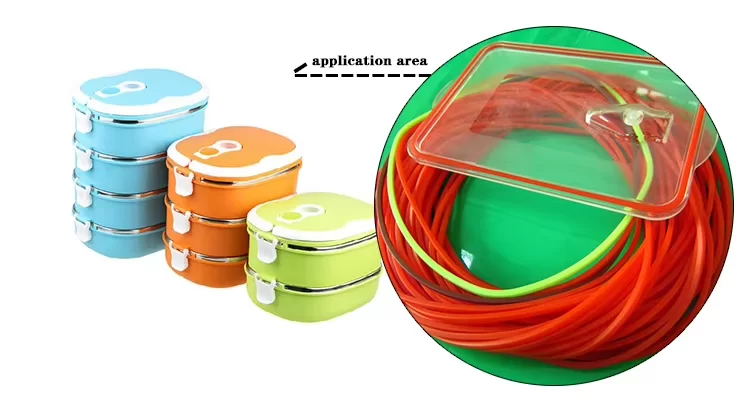

Customizable silicone profiles designed for durability, biocompatibility, and extreme temperature resilience.
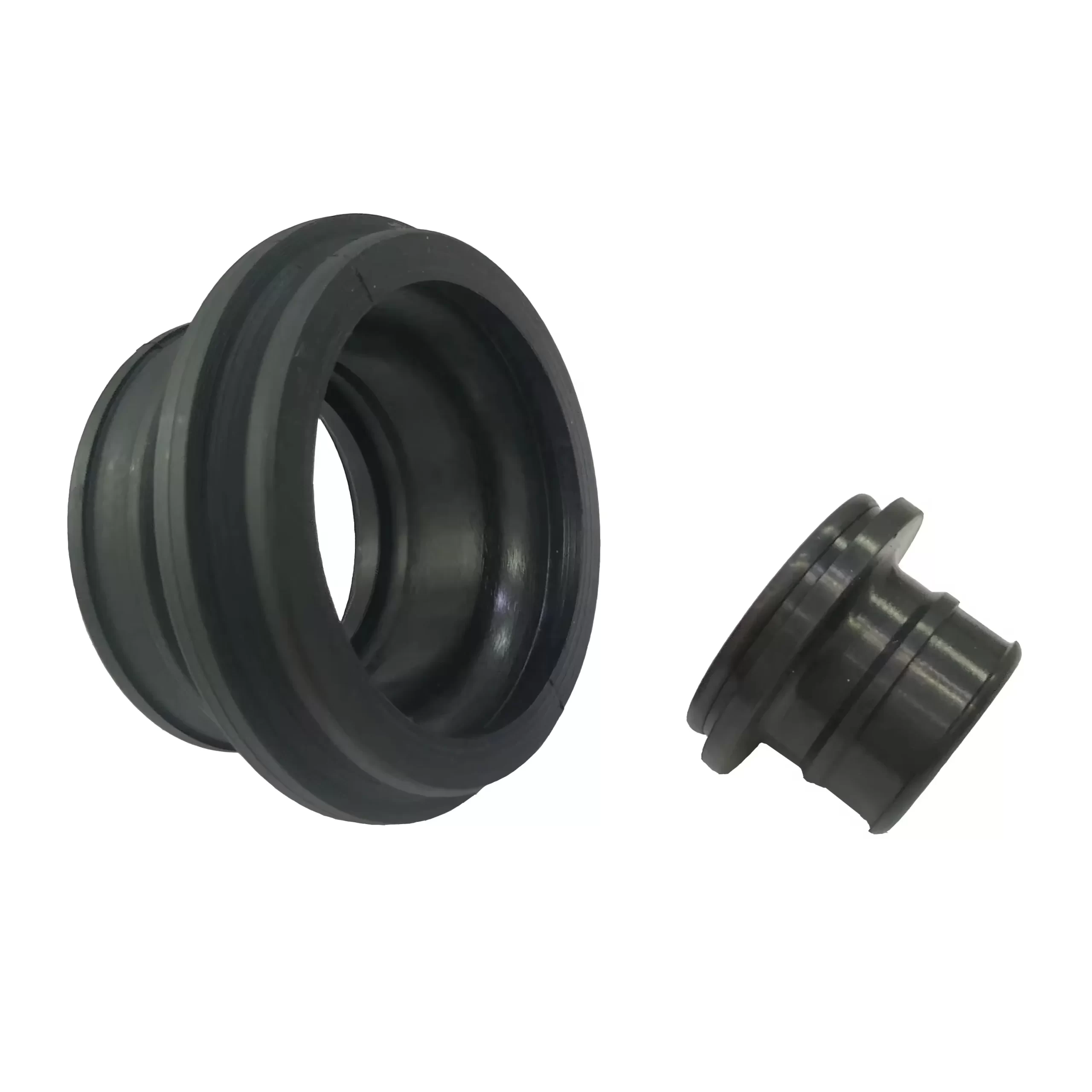

Evaluating the intersection of regional environmental requirements and high-precision rubber manufacturing.
Austria's diverse geography, from alpine regions to urban industrial hubs, necessitates materials that withstand significant thermal fluctuations. In these environments, silicone's inherent stability ensures that components like a Silicone Door Strip maintain sealing integrity regardless of external temperature drops, preventing energy loss in high-efficiency buildings.
The regional focus on medical technology and food processing drives a critical need for certified materials. Local procurement often prioritizes strict compliance with European safety directives, making the demand for a Food-Grade Silicone Tube and medical equivalents a priority for manufacturers seeking to avoid contamination and ensure consumer safety.
Austria's commitment to sustainable manufacturing encourages the transition toward long-lifecycle materials. By implementing high-precision extrusion processes, businesses can reduce waste and improve the operational lifespan of structural components, aligning with the broader European objective of circular economy and resource efficiency.
From basic sealing applications to complex, biocompatible structural components.
Key drivers shaping the next generation of rubber and plastic products.
Increasing demand for medical-grade materials that minimize patient reaction and ensure sterile fluid transfer.
Engineering profiles that maintain elasticity and seal strength in extreme alpine or industrial heat environments.
Utilizing 3D mold development to create intricate silicone shapes for smart wearables and precision optics.
Shortening the cycle from R&D design to physical sample through independent mold departments.
Over the next 3-5 years, the industry will likely shift toward higher material purity and more stringent certification requirements. As European regulations on plastics and rubber tighten, the reliance on certified silicone will grow, particularly in the healthcare and food sectors.
From a commercial standpoint, the integration of liquid injection molding (LIM) will allow for more complex, one-piece components, reducing assembly costs for Austrian electronics and automotive manufacturers.
Practical applications of high-end silicone solutions in various Austrian sectors.
Implementation of a Medical-Grade Silicone Tube in diagnostic equipment to ensure sterile, non-reactive transport of fluids within clinical settings.
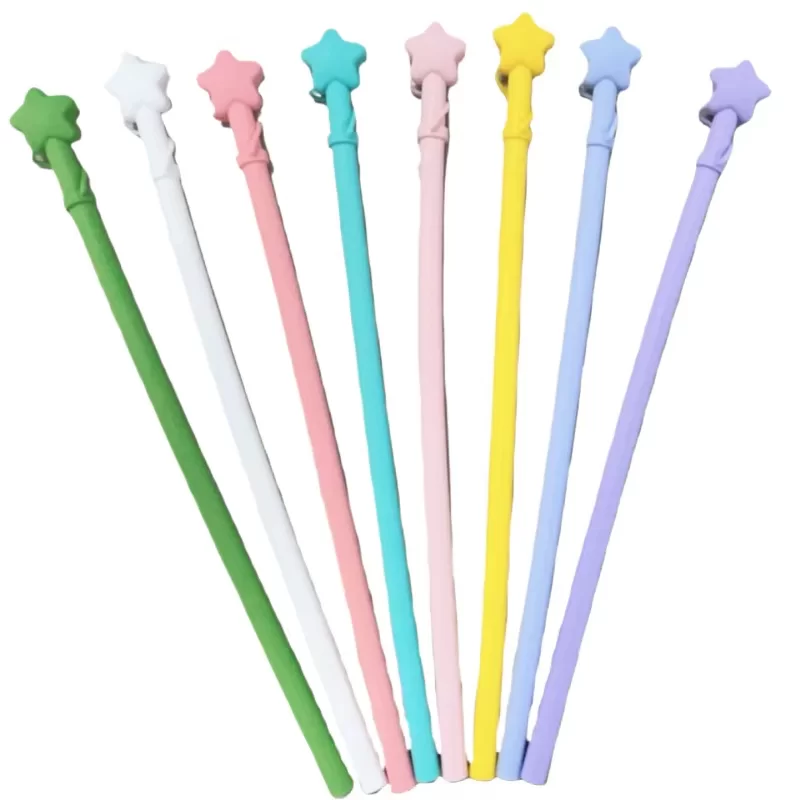
Developing an eco-friendly Silicone Straw for the Austrian tourism and hospitality sector to replace single-use plastics in hotels and cafes.
Integrating Food-Grade Silicone Tube systems in dairy or beverage production to maintain hygiene standards and withstand high-temperature sterilization.
Applying specialized silicone profiles as door and window strips in modern Austrian architecture to enhance thermal insulation and reduce heating costs during winter.
Using custom-molded silicone components for vibration damping and dust protection in high-end Austrian precision instruments and smart devices.
Nearly three decades of advancing rubber manufacturing and global supply chain integration.
Guangyufeng Group was established, beginning its journey into the high-end silicone and rubber products industry.
Expanded to four major production bases in Shenzhen, Huizhou, Dongguan, and Bangkok, covering over 170,000 square meters.
Achieved FDA, ISO13485, IATF16949, and other authoritative certifications, partnering with global brands like Samsung and Sony.
A comprehensive portfolio of certified extruded and molded rubber products for specialized applications.
Technical and logistical guidance for sourcing high-performance silicone components.
Food-grade silicone is designed for contact with food and beverages, complying with FDA or LFGB standards. Medical-grade silicone requires stricter biocompatibility and sterilization certifications (such as ISO 13485) for use in clinical environments. The choice depends on whether the application is for culinary use or human medical intervention.
Yes, high-quality silicone is ideal for Austria's climate because it remains flexible at very low temperatures and stable at high temperatures, unlike standard PVC or rubber which may crack or harden, ensuring a consistent seal year-round.
With an independent mold department capable of developing 30–100 sets per month, we can respond quickly to customized needs. The exact lead time depends on the complexity of the geometry, but prototypes are typically fast-tracked to ensure project timelines are met.
Our manufacturing processes adhere to ISO14001 (Environmental Management) and SA8000 standards, ensuring that the products provided to the European market are produced sustainably and meet regional safety and environmental requirements.
We operate 12 dedicated extrusion production lines alongside 138 hydraulic presses and 50 liquid injection molding machines. This comprehensive equipment base allows us to handle both high-volume continuous extrusion and complex precision molding for large industrial contracts.
Yes, we hold ISO13485 certification, which is the international standard for medical device quality management systems. This ensures that every medical-grade component is manufactured under controlled conditions with full traceability.
Looking for high-precision silicone components tailored for the Austrian market? Discuss your technical requirements and project specifications with our team today.
Contact Us Now