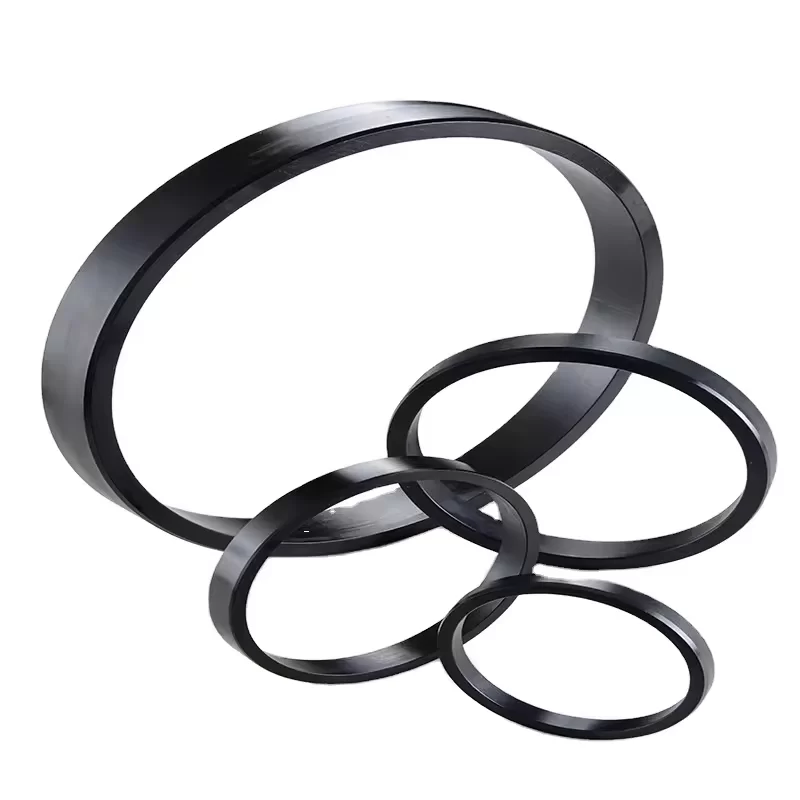


Manufacturers in Greece often face critical bottlenecks regarding material purity, regulatory compliance, and precision fitting for specialized silicone parts.
Many suppliers fail to meet stringent EU medical and food-grade standards. In Greece, this leads to certification delays and risks during health authority audits for medical devices or food processing equipment.
Inconsistent wall thickness in extruded tubes causes leaking or poor fitment. This is particularly problematic for precision structural components where a micron-level deviation results in assembly failure.
Exposure to fluctuating Mediterranean temperatures can cause low-quality rubber to harden or crack, reducing the operational lifespan of outdoor sealing strips and industrial hoses.
Reliance on fragmented local suppliers often results in unpredictable delivery schedules, stalling production lines for Greek smart wearable and household appliance manufacturers.
Substandard silicone can release volatile organic compounds (VOCs). For food-contact applications, this poses a contamination risk and fails to meet strict Food-Grade certification requirements.
Small to medium enterprises in Greece often struggle to find partners capable of rapid mold development for unique geometry, leading to high costs for small-batch customized prototypes.
We resolve technical challenges through advanced extrusion technology and a rigorous quality management system tailored for global export.
By utilizing FDA, ISO13485, and ISO22000 certified processes, we ensure every Medical-Grade Silicone Tube is biocompatible and free from contaminants.
Our 12 advanced extrusion lines utilize real-time diameter monitoring to maintain strict tolerances, ensuring seamless integration of Extruded Silicone Tube in complex systems.
We use high-consistency rubber (HCR) and liquid silicone rubber (LSR) optimized for thermal stability, preventing shrinkage or hardening under extreme Greek climatic conditions.
With four production bases and over 1,000 employees, we manage the entire process from R&D to delivery, drastically reducing lead times for international shipments.
Our Food-Grade Silicone Tube utilizes platinum-curing technology, eliminating by-products and ensuring zero taste or odor transfer in kitchenware.
An in-house mold department developing 30–100 sets monthly allows us to transform conceptual sketches into physical prototypes for customized Silicone Straw designs quickly.


Our infrastructure is designed to handle high-volume global demands while maintaining artisanal precision.
Analyzing the intersection of European regulatory standards and the evolving industrial landscape of the Hellenic Republic.
The Greek industrial sector is characterized by a strong presence of food processing, pharmaceutical manufacturing, and a growing smart electronics hub. Given Greece's role as a gateway to the Mediterranean, there is a high demand for durable, weather-resistant rubber products. The local market for silicone extrusion is increasingly shifting toward specialized applications, where general-purpose rubber is being replaced by high-performance elastomers that can withstand salinity and high UV exposure typical of the Aegean and Ionian coastal regions.
Current market trends in Greece are heavily influenced by the EU's "Green Deal" and a push toward sustainability. This has sparked a significant surge in the adoption of reusable silicone products, such as the Silicone Straw and other eco-friendly kitchenware, to replace single-use plastics. Additionally, the healthcare sector is modernizing, driving a need for certified medical-grade tubing that complies with the latest Medical Device Regulations (MDR), necessitating partners who hold ISO13485 certifications.
Looking forward, the primary opportunity for Greek firms lies in the integration of precision silicone components into smart wearables and automotive electronics. However, the constraint remains the limited local capacity for high-precision extrusion and liquid injection molding. The outlook suggests a growing reliance on strategic partnerships with vertically integrated manufacturers who can provide rapid prototyping and stable, certified supply chains to mitigate the risks of import volatility and regulatory non-compliance.
Tracing the transition from basic rubber shaping to advanced, multi-certified elastomer engineering.
The industry has moved away from selling "rubber by the meter" to providing engineered solutions. Today, the value lies in the material's chemical purity and the precision of the extrusion process, allowing silicone to enter high-stakes environments like surgical theaters and aerospace.
The shift from manual pressing to automated liquid injection molding (LIM) has virtually eliminated human error in flashing and air bubbles, resulting in a 99% consistency rate for complex precision structural components.
New catalysts and curing agents are reducing energy consumption during vulcanization. The focus has shifted to "circular silicone," where materials are designed for longer lifespans and easier end-of-life recycling processes.
Identifying the technological shifts that will redefine rubber product manufacturing over the next decade.
Development of ultra-pure silicone for implantable medical devices. The trend is moving toward materials that minimize immune response while maintaining mechanical strength for long-term durability.
As wearables shrink, the demand for micro-extruded tubes and nano-molding increases. This requires higher precision tooling and advanced LSR machines to maintain structural integrity at a microscopic scale.
Integration of conductive silicone for electromagnetic shielding in automotive and aerospace applications. This merges traditional rubber properties with electrical functionality.
A shift toward "closed-loop" manufacturing where silicone scrap is re-processed without losing material properties, reducing environmental impact and raw material costs.
The convergence of material science and digital manufacturing is fundamentally altering how rubber components are designed. The adoption of AI-driven mold optimization is allowing engineers to predict material flow and shrinkage with unprecedented accuracy, reducing the number of physical prototypes needed. For the Greek market, this means faster time-to-market for innovative medical and consumer products, as the gap between a digital CAD model and a finished Silicone Door Strip is narrowing.
Furthermore, the industry is seeing a move toward "functionalized silicone"—where the material is treated to be antimicrobial, hydrophobic, or oleophobic. In healthcare applications, antimicrobial silicone tubing is becoming a standard to reduce hospital-acquired infections. These advancements require a level of chemical control and clean-room environment that only large-scale, certified manufacturers can provide, ensuring that every part meets the high safety expectations of European regulators.
How our specialized silicone products solve specific operational problems in diverse Greek environments.
In high-precision labs, peristaltic pumps require tubing with exceptional fatigue resistance to prevent rupture during continuous operation. We deploy Medical-Grade Silicone Tube with a specific Shore A hardness that ensures a perfect seal against the pump rotor, preventing fluid leakage and ensuring dosing accuracy in drug formulation.
Food processing equipment must withstand high-temperature sterilization and avoid chemical contamination. By implementing Food-Grade Silicone Tube, these plants eliminate the risk of plasticizer leaching into the oil. The material's thermal stability allows for steam cleaning without deformation, ensuring hygienic operational standards.
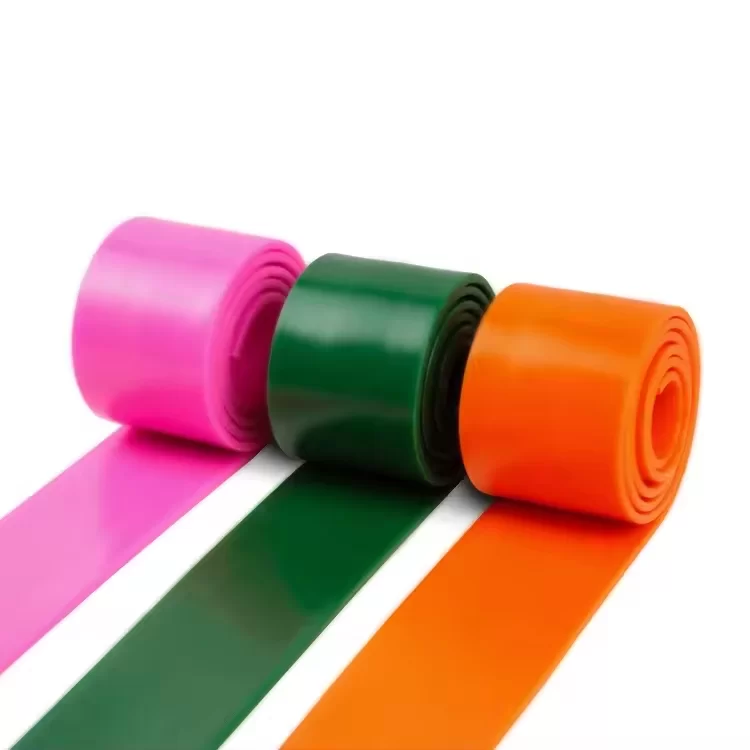
Buildings in coastal areas face extreme UV radiation and salt-mist corrosion, which cause standard rubber seals to embrittle. We provide customized Silicone Door Strip profiles with enhanced UV-stabilizers. These strips maintain their elasticity and sealing performance over years of exposure, reducing energy loss from air leakage in luxury resorts.
Electronics manufacturers require precision structural components that can be over-molded onto plastic housings. We utilize liquid silicone rubber (LSR) injection to create seamless, waterproof gaskets for smart hubs. This ensures an IP67 rating for the devices, protecting internal circuitry from moisture and dust in domestic environments.
To combat plastic waste, retail chains are transitioning to reusable straws. Our Silicone Straw solutions are manufactured from platinum-cured silicone, offering a non-porous, dishwasher-safe alternative to plastic. This helps businesses align with EU environmental directives while providing a premium consumer experience.
Illustrating how our technical capabilities translate into operational success for diverse industrial partners.
In medical device assembly, the consistency of the inner diameter of the tubing is non-negotiable. By switching to a manufacturer with ISO13485 certification and advanced extrusion lines, we reduced assembly rejection rates by eliminating dimensional variances that previously caused leakage in our prototypes.
Replacing standard rubber door strips with high-grade silicone profiles in coastal environments has significantly extended the maintenance cycle of our building envelopes. The resistance to UV and salt air prevents the typical cracking and hardening seen with inferior materials, maintaining energy efficiency.
For high-volume consumer goods like reusable straws, the critical factor is the balance between food safety and production cost. Utilizing a partner with integrated mold development and massive production capacity allows for rapid scaling from a few thousand to millions of units without quality loss.
From a specialized workshop to a global provider of high-end silicone solutions.
Guangyufeng was established with a focus on high-end silicone and rubber products, beginning a journey of technical innovation and quality pursuit that has spanned nearly 30 years.
To serve world-leading brands, the company secured critical certifications including FDA, ISO9001, ISO13485, and IATF16949, enabling entry into the medical and automotive sectors.
Operating four major bases in Shenzhen, Huizhou, Dongguan, and Bangkok, with over 170,000 square meters of facility, serving partners like Samsung, Huawei, and Sony.


Expert answers to technical and commercial questions for our Greek and European partners.
The primary difference lies in the purity of the raw materials and the certification standards they meet. Food-grade silicone is designed to be non-toxic and safe for contact with food (meeting FDA or ISO22000), while medical-grade silicone (meeting ISO13485) undergoes stricter testing for biocompatibility and extractables to ensure it does not cause an adverse reaction when used in human medical devices. For pharmaceutical applications in Greece, we strongly recommend medical-grade materials to ensure total regulatory compliance.
We utilize 12 high-precision extrusion lines equipped with automatic diameter control systems. By monitoring the melt temperature and extrusion speed in real-time, we can adjust parameters instantly to prevent wall thickness variations. Every batch is sampled and measured using calibrated digital calipers and laser micrometers to ensure that the final product matches the client's technical drawings within specified tolerances, which is critical for precision structural components.
Yes, we have an independent mold department capable of developing 30 to 100 new sets of molds every month. Whether you need a specific geometry for a silicone door strip or a complex custom gasket, we can handle the entire process from CAD design to prototyping and mass production. This allows our Greek clients to implement unique architectural designs without being limited by standard "off-the-shelf" product dimensions.
Lead times vary based on whether it is a standard product or a customized order. For standard certified tubes, production is rapid due to our large-scale facilities. For customized orders, the mold development phase typically takes a few weeks, followed by production. Because we manage the complete industrial chain—from R&D to delivery—we can optimize the schedule and coordinate logistics to ensure stable and timely arrival at your Greek facility.
Platinum-curing is a more advanced process that does not produce the acidic by-products associated with peroxide-curing. This results in a product with superior purity, no unpleasant odor, and higher tear strength. For products like the silicone straw or food-grade tubing, platinum-curing is the gold standard as it ensures the material is completely inert and safe for long-term food contact, meeting the highest EU safety requirements.
When sourcing for the EU market, you should ensure the manufacturer holds ISO 13485 (Medical devices — Quality management systems) and that the material itself is FDA compliant or USP Class VI certified. These certifications prove that the manufacturer has a controlled environment and a traceable process to prevent contamination. Guangyufeng maintains all these certifications, providing the necessary documentation to support your regulatory filings and quality audits.
Whether you are developing a new medical device, upgrading food processing lines, or sourcing sustainable retail products, our team provides the technical expertise and certified capacity you need. Discuss your specific requirements with our specialists to receive a tailored solution and a professional quote for your project.
Discuss Your Requirements

