

Manufacturers and healthcare providers often face systemic risks when sourcing high-grade silicone extrusions.
Using non-certified tubing in food or medical applications leads to leachables. In Cambodia's growing healthcare sector, lack of purity certifications can cause critical safety failures and regulatory non-compliance.
Cambodia's humid, tropical climate accelerates the breakdown of low-quality rubber. Standard tubes often crack or lose elasticity, leading to leaks in industrial HVAC or machinery systems.
Poor extrusion control results in inconsistent wall thickness. This causes sealing failures in Silicone Door Strip installations, increasing noise and energy loss.
Dependence on erratic local distributors leads to long lead times. Production halts occur when specialized components like Medical-Grade Silicone Tube are unavailable.
Low-grade polymers exhibit poor abrasion resistance. In industrial settings, this results in frequent replacement cycles, driving up operational costs and increasing waste.
Many suppliers cannot provide verifiable ISO or FDA documentation. This prevents Cambodian exporters from meeting international standards for food-grade or medical exports.
We resolve material and precision failures through vertically integrated manufacturing and global certification standards.
We utilize FDA and ISO 13485 compliant raw materials for Food-Grade Silicone Tube production, ensuring zero toxicity and biocompatibility for sensitive applications.
Our high-consistency rubber (HCR) formulations are engineered for extreme thermal stability, preventing degradation in Cambodia's high-humidity environments.
Using 12 advanced extrusion lines, we maintain micron-level tolerances, ensuring that every Extruded Silicone Tube fits perfectly without gaps.
With production bases in China and Thailand, we provide stable logistics to Cambodia, reducing lead times and ensuring consistent batch-to-batch quality.
Our proprietary curing processes enhance tear strength and abrasion resistance, significantly extending the service life of components in harsh industrial settings.
Every shipment is backed by IATF16949 and ISO9001 certifications, providing the necessary documentation for international trade and regulatory audits.
Quantifiable strengths that ensure stability and quality for global delivery.
Analyzing the shift from basic rubber components to high-precision silicone applications.
The industrial landscape in Cambodia is undergoing a significant transformation, moving from traditional garment manufacturing toward electronics, automotive assembly, and advanced healthcare infrastructure. This shift has created a surge in demand for specialized materials. Previously, the market relied on basic rubber products, but the need for biocompatible and thermally stable materials has led to an increased adoption of high-end silicone. Specifically, the rise of localized medical clinics and food processing plants requires components that meet international safety standards, moving away from generic imports toward certified, high-performance silicone extrusions.
Current market trends indicate a strong pivot toward sustainability and long-term durability. With the expansion of smart city initiatives in Phnom Penh and Siem Reap, there is a growing requirement for energy-efficient building materials, where high-precision sealing solutions play a critical role. Furthermore, the integration of smart wearables and precision electronics is driving demand for liquid silicone rubber (LSR) and custom-molded components. Buyers are now prioritizing suppliers who can offer a complete industrial chain—from R&D and mold design to final delivery—to reduce the risks associated with multi-vendor coordination.
Despite the growth, constraints remain in the form of strict international certification requirements for exported goods. For Cambodian firms to compete globally, they must integrate components that carry FDA, ISO, and IATF certifications. The outlook is positive, as the regional shift toward "China+1" strategies brings more high-tech manufacturing to the area, increasing the need for precision-engineered silicone parts. Companies that can bridge the gap between cost-effectiveness and rigorous technical compliance will likely dominate the local supply chain in the coming decade.
Tracing the progression from basic molding to intelligent precision manufacturing.
The transition toward HCR has allowed for the production of tubes with superior mechanical strength and thermal resistance. This evolution ensures that components can withstand the rigorous demands of industrial machinery without losing structural integrity.
Rapid prototyping and CNC mold development have reduced the time from design to delivery. This allows for customized silicone solutions that can be iterated quickly to meet changing technical specifications in the electronics sector.
The evolution of polymer science has led to "ultra-pure" silicone grades. These are essential for medical devices where any trace of impurity could lead to patient complications, establishing a new benchmark for quality.
How technology and regulation are reshaping the application of silicone extrusions.
There is a growing demand for sustainable silicone production that reduces VOC emissions and optimizes energy use during the curing process to meet global ESG goals.
The rise of minimally invasive surgery is driving the need for extremely thin-walled Medical-Grade Silicone Tube with high burst-pressure resistance.
Integrating conductive elements into silicone extrusions for use in wearable health monitors, allowing for seamless sensor integration into the tubing.
Development of silicone tubes with integrated antimicrobial properties to further enhance hygiene in clinical settings and food production lines.
The convergence of additive manufacturing and traditional extrusion is allowing for "hybrid" components. For instance, silicone tubes can now be designed with complex, non-linear internal structures that were previously impossible to extrude. This enables more efficient fluid dynamics in medical devices and better acoustic damping in automotive seals. As these technologies mature, the boundary between molded and extruded parts is blurring, providing engineers with unprecedented design freedom.
Furthermore, the regulatory environment is becoming more stringent. With the implementation of updated ISO standards, the emphasis has shifted from "final product testing" to "process-based quality assurance." This means that the entire manufacturing lifecycle—from raw material batching to curing temperature logs—must be documented. This trend favors large-scale manufacturers with robust Quality Management Systems (QMS), as they can provide the transparency required by global pharmaceutical and automotive brands.
Real-world scenarios demonstrating the impact of high-precision silicone in local industries.
In a clinical setting, the use of Medical-Grade Silicone Tube is critical for patient IV systems. The high tropical humidity often leads to fungal growth on porous materials; however, our non-porous, medical-grade silicone ensures sterile fluid transport and prevents leaching, significantly reducing the risk of secondary infections.
Luxury hotels in Siem Reap face high electricity costs due to air conditioning leakage. By implementing precision-engineered Silicone Door Strip solutions, these facilities achieve superior airtight seals. The material's resistance to UV and heat ensures the seals don't harden or crack under the Cambodian sun, maintaining energy efficiency.
Beverage and food plants require Food-Grade Silicone Tube for ingredient transfer. Traditional rubber tubes often leave a taste or smell; our FDA-certified silicone is chemically inert and odorless, ensuring the purity of the final product while facilitating easy steam sterilization (SIP) processes.
Factories in the SEZs utilize Extruded Silicone Tube for pneumatic control lines. The constant vibration of machinery often causes standard tubing to fatigue and burst. Our high-tear-strength silicone formulations absorb these vibrations, reducing downtime and maintenance frequency for automated assembly lines.
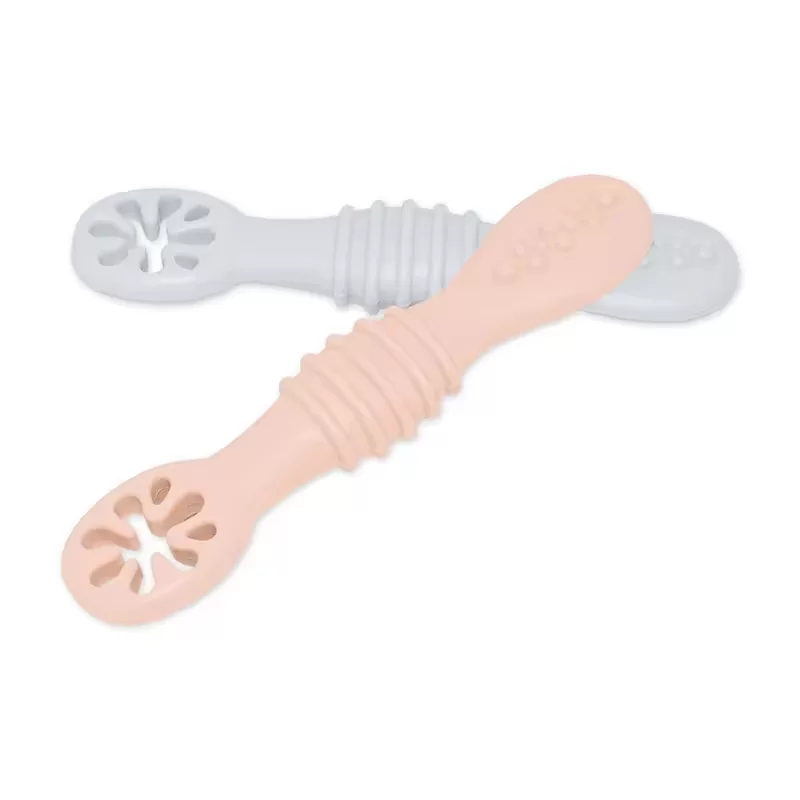
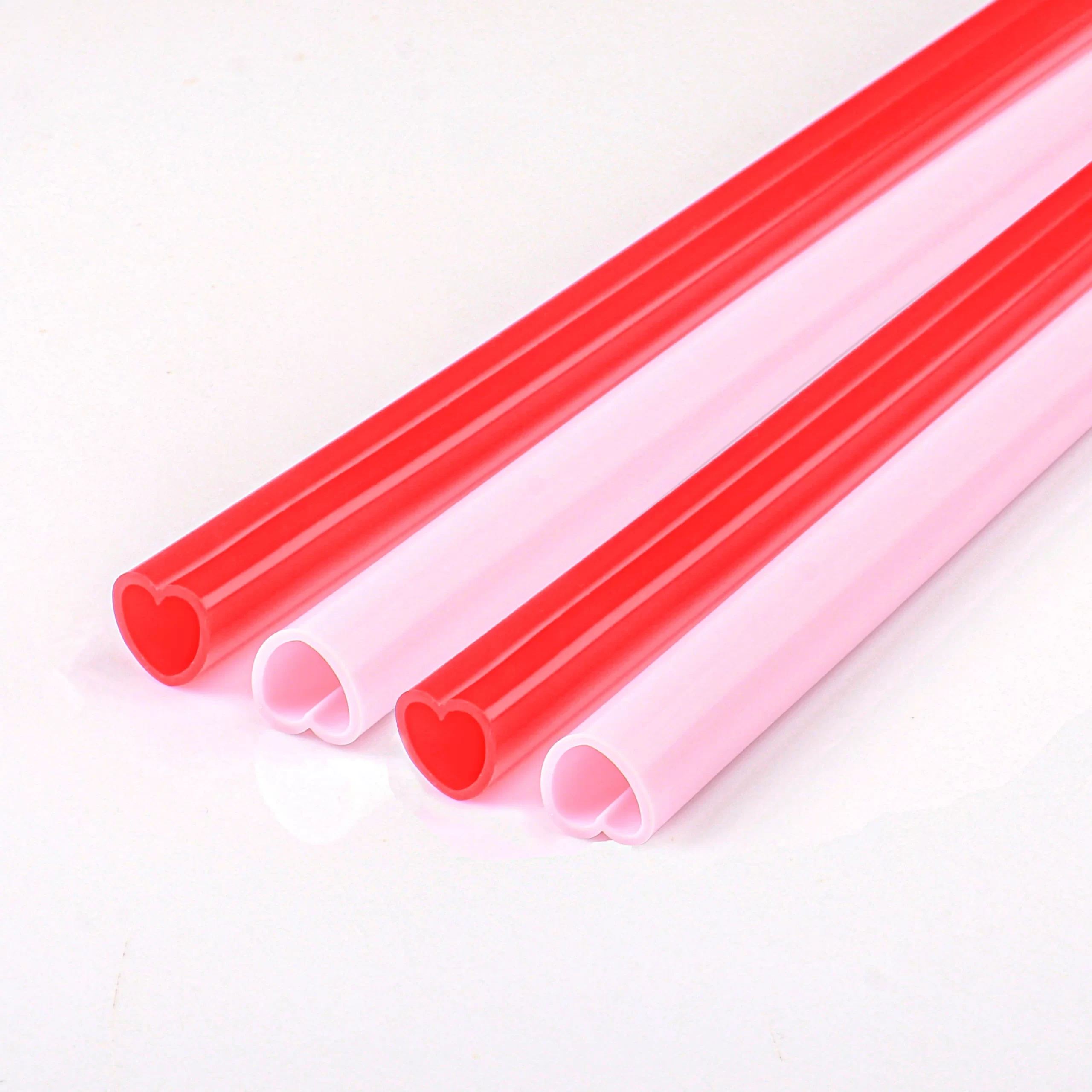
As Cambodia moves toward reducing single-use plastics, the demand for a durable Silicone Straw has grown. We provide food-safe, BPA-free silicone that is heat-resistant for boiling sterilization, offering a sustainable alternative for the local cafe and tourism industry.
How our technical standards translate into operational success for various operators.
The transition to certified medical-grade tubing has eliminated previous concerns regarding material purity in our fluid systems. The dimensional consistency across batches ensures that our equipment setup is faster and leak-free, which is critical for our clinical operations.
Switching to high-durability silicone strips for our commercial properties in Cambodia has noticeably reduced our energy loss. The materials maintain their elasticity despite the extreme heat, reducing the need for annual replacements and lowering our maintenance overhead.
The ability to source FDA-compliant silicone tubing with full traceability has enabled us to pass international audits for our food export line. The stability of the supply chain from the regional production base has effectively ended our production delays.
Nearly three decades of breaking boundaries in silicone and rubber material science.
Founded in 1995, Guangyufeng began its journey focusing on high-end silicone and rubber products, establishing a commitment to technical innovation and quality from the outset.
The company expanded its technical capabilities, obtaining critical international certifications including ISO9001, ISO13485, and FDA, allowing it to serve the most demanding medical and food-grade sectors.
To better serve global customers, the group established four major production bases in Shenzhen, Huizhou, Dongguan, and Bangkok, covering over 170,000 square meters of advanced manufacturing space.
Established long-term strategic partnerships with world-leading brands such as Samsung, Huawei, Sony, Nintendo, Foxconn, and Colgate, proving the stability and quality of our industrial chain.
Today, with over 1,000 employees and a monthly mold capacity of 30-100 sets, Guangyufeng is a world-leading provider of high-end silicone application solutions.
Expert answers to help you select the right silicone components for your project.
Food-grade silicone meets FDA standards for contact with food and beverages, ensuring no harmful chemicals migrate into the product. Medical-grade silicone, such as that certified under ISO 13485, goes further by meeting stricter biocompatibility standards, ensuring it does not cause an adverse reaction when in contact with human tissue or bloodstream. For Cambodian healthcare providers, medical-grade is essential for IV and surgical applications, whereas food-grade is suitable for beverage processing lines.
High humidity and UV exposure can accelerate the degradation of low-quality rubber, leading to "chalking" or cracking. However, high-consistency silicone is naturally resistant to ozone, UV, and moisture. By using our advanced curing process, we ensure the polymer chains are densely cross-linked, preventing moisture penetration and maintaining elasticity. This makes our products significantly more durable in the Cambodian climate compared to standard EPDM or NBR rubbers.
Yes, we operate an independent mold department with a monthly capacity of 30 to 100 sets. We can create customized extrusion dies based on your technical drawings or physical samples. Our process includes a design review, prototype sampling, and a final quality audit to ensure the custom profile meets your exact dimensional tolerances. This is particularly useful for Cambodian manufacturers who are integrating new machinery and require bespoke sealing solutions.
If you are exporting products to the EU, US, or Japan, you should require FDA certification for food contact and ISO 13485 for medical devices. For automotive components, IATF16949 is the gold standard. Our products carry all these certifications, including ISO 9001 and ISO 14001. Providing these certificates to your end-customers reduces the risk of customs rejection and ensures your products meet global safety and environmental regulations.
The wall thickness depends on the internal pressure the tube must withstand and the flexibility required for the application. For high-pressure fluid transport, a thicker wall is necessary to prevent bursting. For medical catheters, a thinner, more flexible wall is preferred. We recommend providing your operating pressure (PSI/Bar) and the required bend radius; our engineers will then calculate the optimal thickness to ensure safety without sacrificing flexibility.
The first step is to provide a technical specification sheet, which should include the desired dimensions, material grade (e.g., food-grade or medical-grade), expected operating temperature, and estimated order volume. Once received, our technical team will perform a feasibility analysis and provide a detailed quote along with a suggested material formulation. You can initiate this process through our contact page to begin a consultation with our application engineers.
Whether you are optimizing a medical facility in Phnom Penh or scaling an industrial plant in the SEZ, Guangyufeng provides the certified precision you need. Our team is ready to help you navigate material selection and custom mold design to ensure your operations meet global standards. Contact us today to discuss your technical requirements and request a professional consultation.
Request a Technical Consultation

