


Local enterprises often face critical hurdles regarding material purity, regulatory compliance, and supply chain stability.
Many imported rubber products lack the FDA or ISO certifications required for medical use in Kenyan healthcare facilities, leading to potential safety risks and legal liabilities during audits.
Kenya's diverse climate can cause low-quality elastomers to lose flexibility or leach chemicals, especially in food-processing environments where temperature fluctuations are common.
Relying on fragmented distributors often results in long lead times and inconsistent batch quality, disrupting the production schedules of local food and medical device manufacturers.
Non-grade silicone often contains impurities that react with sensitive liquids, making it unsuitable for critical applications like Food-Grade Silicone Tube usage.
Poorly extruded tubes frequently suffer from inconsistent wall thickness, which leads to leakage or fitting failure in precision industrial equipment used across East Africa.
Cheap, low-durability components require frequent replacement, increasing operational costs and waste for Kenyan business operators compared to high-end industrial silicone.
We solve local industrial pain points through advanced manufacturing and a rigorous certification framework.
By adhering to FDA, ISO13485, and IATF16949, we ensure every Medical-Grade Silicone Tube meets stringent international safety and biocompatibility standards.
Our high-polymer silicone formulations are engineered to remain stable across extreme temperatures, preventing degradation in Kenya's varying industrial environments.
With four production bases and an independent mold department, we reduce lead times through rapid prototyping and large-scale extrusion capacity.
We utilize liquid injection molding and clean-room extrusion to eliminate contaminants, ensuring our tubes are safe for food and pharmaceutical contact.
Utilizing 12 advanced extrusion lines, we maintain micron-level tolerances for wall thickness and diameter, ensuring a perfect seal every time.
High-tear strength and wear-resistant materials extend the replacement cycle, reducing long-term maintenance costs for industrial operators in East Africa.

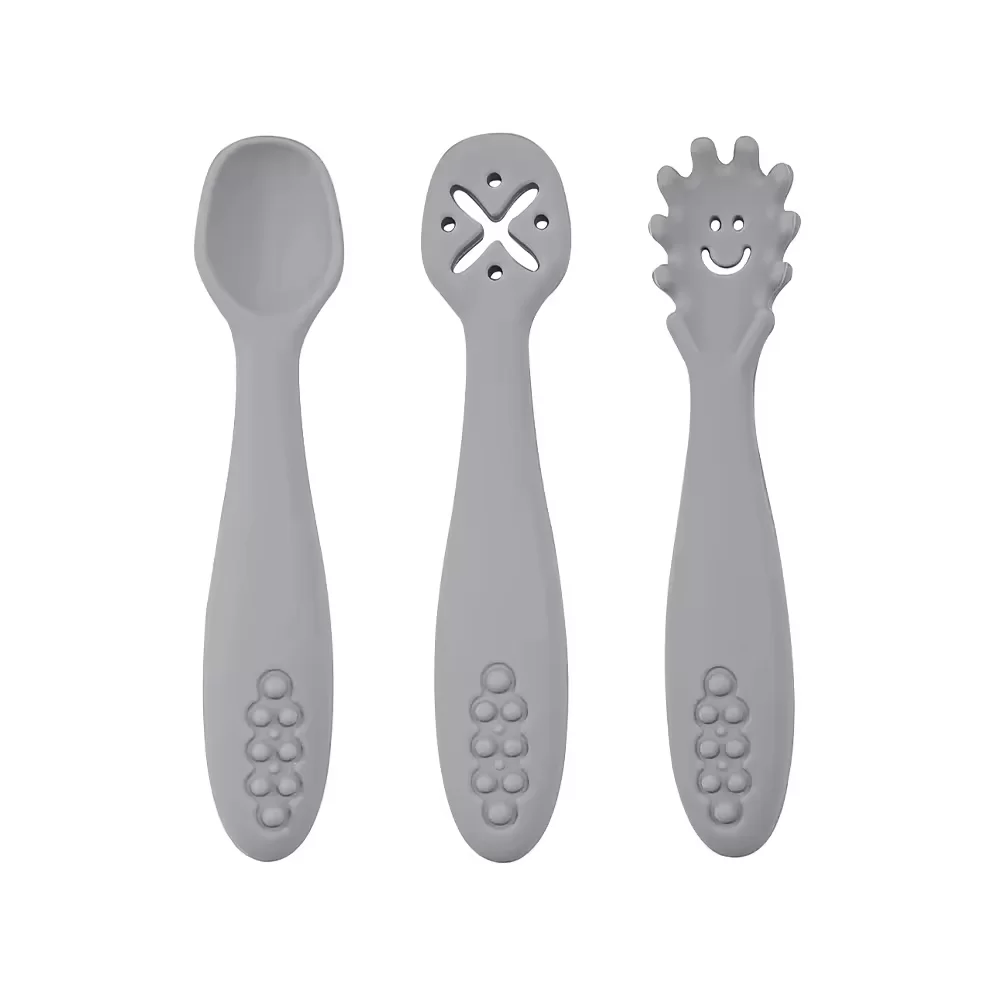

Quantifiable technical strengths that support global strategic partnerships.
Analyzing the intersection of industrial growth and material science in Kenya.
Kenya serves as the primary industrial hub for East Africa, with a growing demand for specialized rubber and plastic components. The manufacturing sector in Nairobi and Mombasa is increasingly shifting toward high-performance elastomers. In this environment, silicone has become the material of choice due to its superior thermal stability and chemical inertness compared to traditional PVC or nitrile rubber. However, the local market is currently bifurcated between low-cost, non-certified imports and high-end specialized solutions, creating a significant gap for manufacturers who can provide verified, medical-grade consistency at scale.
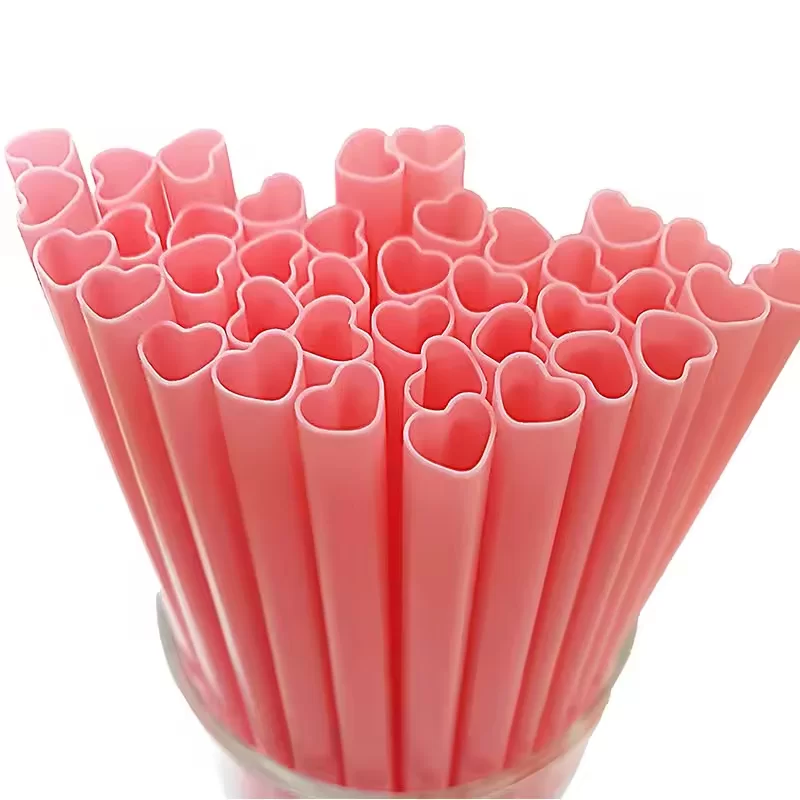
Current trends indicate a strong movement toward "Safe Material" adoption, driven by stricter health regulations in the Kenyan food and beverage industry. There is a rising demand for Silicone Straw and food-contact tubing as businesses move away from single-use plastics. Additionally, the healthcare sector is upgrading its infrastructure, increasing the need for precision-extruded silicone for medical devices. These shifts are driven by a combination of consumer awareness and the adoption of international quality standards by local government bodies.
The outlook for the Kenyan silicone market is characterized by an opportunity for "Customization at Scale." Most local operators struggle with off-the-shelf components that do not perfectly fit their machinery. This creates a competitive advantage for providers who can offer integrated mold design and rapid extrusion. While logistics and import tariffs remain constraints, the long-term trend favors suppliers who can prove their E-E-A-T (Experience, Expertise, Authoritativeness, and Trustworthiness) through global certifications like ISO and FDA, ensuring lower failure rates in critical applications.
From basic rubber seals to high-precision medical application solutions.
The industry has evolved from simply "non-toxic" to "biocompatible," where materials are tested for cellular reaction, essential for medical tubing and wearable electronics.
The shift from manual cutting to laser-precision trimming has reduced waste and ensured that every millimeter of the tube meets the exact specification.
Modern silicone manufacturing now integrates sustainable practices to reduce the carbon footprint of the raw silica extraction and processing stages.
Strategic directions for high-end rubber application solutions.
Integrating conductive elements into silicone tubes for sensor-enabled medical devices and smart wearable structural components.
Increasing demand for recyclable and biodegradable silicone alternatives to reduce environmental impact in the consumer goods sector.
Combining extrusion with liquid injection molding (LSR) to create complex, multi-component parts with seamless transitions.
Advancing purification processes to minimize extractable substances, essential for next-generation pharmacological delivery systems.
The convergence of material science and digital manufacturing is redefining the boundaries of rubber production. The industry is moving away from standardized catalogs toward a "Solution-Driven" model, where the material's chemical composition is tweaked based on the specific end-use environment. In the context of East Africa, this means developing silicone that is specifically resistant to local pollutants and UV exposure, ensuring that Silicone Door Strip products and other seals maintain their integrity in coastal humidities.
Furthermore, the integration of AI-driven quality control during the extrusion process allows for real-time adjustments. This minimizes the "scrap rate" and ensures that every batch of tubing maintains a perfectly concentric wall. For the end-user, this translates to higher reliability in medical dosing and food processing, where a slight variation in tube inner diameter could result in significant operational errors.
How high-performance rubber components solve real-world operational problems.
In a precision medical assembly plant, standard tubing failed due to kinking and chemical leaching. By implementing Medical-Grade Silicone Tube, the facility achieved consistent flow rates and passed international biocompatibility audits, ensuring patient safety in fluid administration.
A coastal food processing plant faced frequent tube bursts due to high humidity and steam heat. Switching to high-tear strength Food-Grade silicone tubes provided the necessary thermal resilience, reducing unplanned downtime by eliminating material fatigue in steam-conveying lines.
Agricultural operators in the Rift Valley required durable, UV-resistant connectors for specialized nutrient delivery. Custom-extruded silicone components prevented the sun-induced cracking common in PVC, extending the lifespan of irrigation infrastructure in harsh outdoor conditions.
Upscale hotels in Nairobi sought to eliminate plastic waste. The deployment of reusable, high-durability Silicone Straw solutions provided a premium guest experience while meeting strict hygiene standards through easy sterilization processes.
Commercial building operators faced energy loss and noise pollution. Installing high-density Silicone Door Strip and window seals provided superior airtightness and sound dampening, significantly reducing cooling costs in corporate offices.
Insights from typical industrial operators using high-end silicone solutions.
The transition to certified medical-grade tubing has completely eliminated our biocompatibility concerns during regulatory audits. The dimensional stability of the extruded tubes ensures a perfect fit with our existing connectors, reducing leakage rates to near zero.
We previously struggled with thermal degradation in our food processing lines. The high-performance silicone tubes we've implemented now withstand our sterilization cycles without losing elasticity, significantly extending the replacement interval.
The ability to request custom mold development was a game-changer. Instead of adapting our machinery to fit generic tubes, we received components tailored to our exact specifications, improving overall system efficiency.
Nearly three decades of excellence in high-end silicone and rubber engineering.
Guangyufeng was established with a focus on high-end rubber products, laying the groundwork for three decades of technical expertise in silicone materials.
Expanded to four major production bases in Shenzhen, Huizhou, Dongguan, and Bangkok, covering over 170,000 square meters to support global delivery.
Achieved a comprehensive suite of certifications including FDA, ISO13485, and IATF16949, enabling partnerships with brands like Samsung, Huawei, and Sony.
Deployed 138 hydraulic presses and 50 liquid injection molding machines to lead the market in high-precision silicone application solutions.


Answers to common technical and procurement questions from industrial buyers.
While both are safe, medical-grade silicone is produced under stricter clean-room conditions and must meet biocompatibility standards (such as ISO 13485). Food-grade silicone is designed to be inert and non-toxic for food contact but may not undergo the same level of rigorous testing for cellular reaction. For healthcare applications in Kenya, we strictly recommend the medical-grade variant to ensure patient safety and regulatory compliance.
The choice depends on the internal pressure of the fluid and the external mechanical stress. Higher hardness (Shore A) provides better structural integrity and collapse resistance, while thinner walls allow for more flexibility. We recommend providing your operating pressure and temperature ranges so our engineers can simulate the best dimensions, utilizing our independent mold department to create a custom specification for your specific equipment.
Yes, we specialize in complex geometries. Our 12 extrusion lines can produce T-shaped, square, or multi-lumen profiles. Because we have an in-house mold development capacity of 30 to 100 sets per month, we can rapidly prototype customized profiles that fit your specific industrial seals or medical device housings, ensuring a precise fit that off-the-shelf products cannot offer.
You should look for a combination of ISO 9001 (Quality Management), FDA (Food and Drug Administration) for contact safety, and ISO 13485 for medical devices. For automotive components, IATF 16949 is the gold standard. Guangyufeng Group holds all these certifications, which simplifies the import process and provides a verifiable guarantee of material purity and manufacturing consistency for Kenyan customs and health authorities.
Silicone is naturally hydrophobic and highly resistant to moisture, making it far superior to rubber or PVC in humid environments. It does not swell or rot when exposed to constant humidity. Our high-grade silicone maintains its elasticity and seal integrity, which is why it is the ideal choice for door strips and industrial seals in coastal regions where salt-air and humidity typically accelerate the degradation of lower-quality elastomers.
Lead times vary by complexity, but our integrated workflow significantly accelerates the process. Mold design and sampling typically take 1-2 weeks, followed by mass production. By utilizing our four production bases and efficient logistics, we ensure that Kenyan clients receive their customized orders faster than when dealing with multi-stage distributors. We recommend detailed specification alignment during the initial consultation to further streamline delivery.
Whether you are managing a healthcare facility in Nairobi or a food processing plant in Mombasa, Guangyufeng Group provides the technical expertise and certified material quality required to eliminate operational failures. Discuss your specific dimensions and certification requirements with our engineers today to secure a stable, high-performance supply chain for your business in Kenya.
Discuss Your Requirements

