April 04, 2026
Silicone foot pads are becoming increasingly popular for individuals seeking enhanced comfort and support for their feet. These versatile inserts offer a range of benefits, from alleviating pain to improving posture. This article will explore the various types of silicone foot pads, their applications, materials, and what to consider when choosing the right ones for your needs. Whether you're an athlete, someone who spends long hours on their feet, or simply looking for extra cushioning, understanding silicone foot pads can make a significant difference in your daily life.
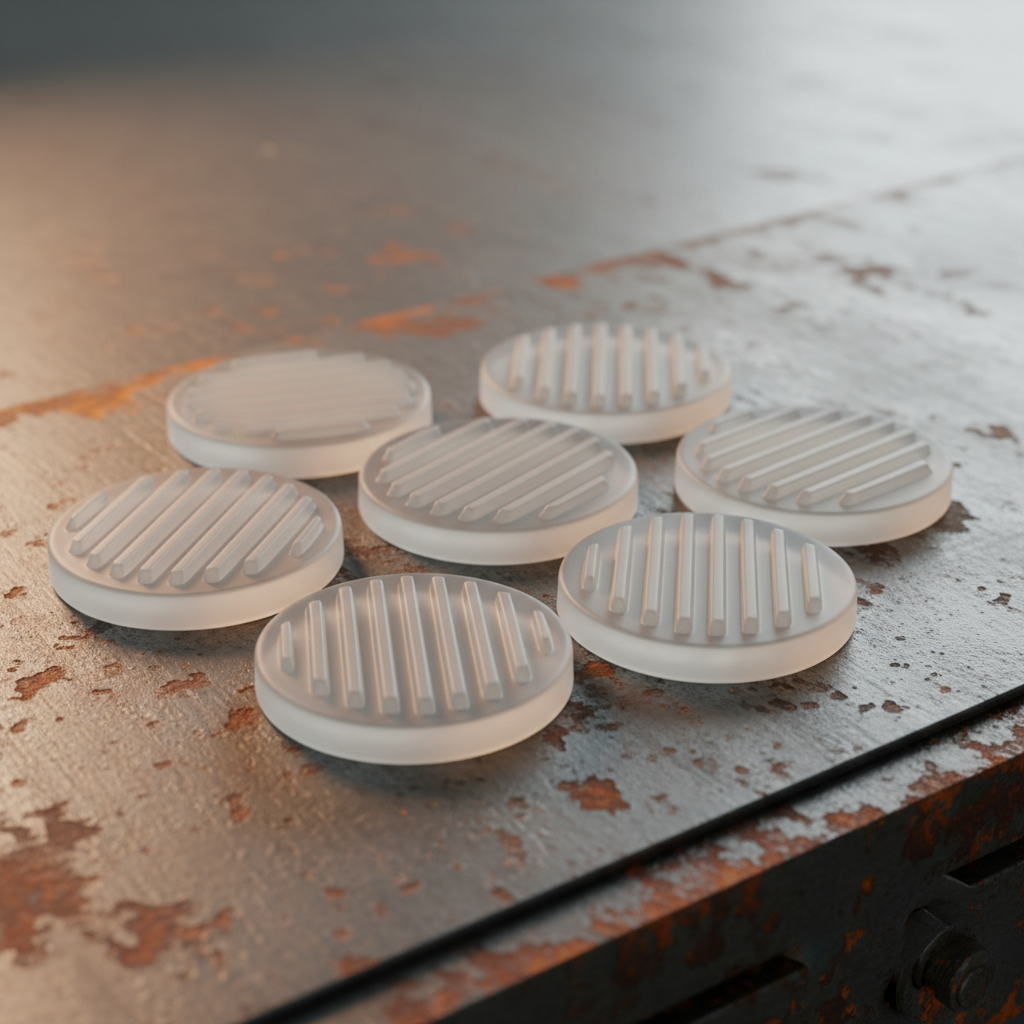
Silicone foot pads are inserts designed to be placed inside shoes to provide cushioning, support, and alignment for the feet. Unlike traditional foam or gel inserts, silicone offers superior durability, resilience, and shock absorption. They come in various shapes and sizes, catering to different foot conditions and needs. The primary benefits of using silicone foot pads include reducing foot fatigue, alleviating pain associated with plantar fasciitis, heel spurs, and other foot ailments, improving posture and balance, and providing added comfort during physical activity. Their ability to distribute pressure evenly across the foot can also help prevent blisters and calluses. GYF Silicone offers a diverse range of these beneficial pads.
Key Benefits: Reduced foot fatigue, alleviated pain, improved posture, superior shock absorption, and blister prevention.
There's a wide array of silicone foot pads available, each designed for specific purposes. Here are some common types:
Choosing the right type of foot pad depends on your specific foot condition and needs. Consulting with a podiatrist is recommended for personalized advice.
Choosing the Right Pad:
• Consider your foot type (flat feet, high arches, neutral).
• Identify specific pain points or conditions.
• Think about the type of shoes you’ll be wearing.
Silicone foot pads offer several advantages over traditional materials like foam and gel. Here’s a comparison:
The versatility of silicone foot pads extends to various applications. Athletes benefit from their shock-absorbing properties during high-impact activities. Individuals who spend long hours standing, such as nurses, teachers, and retail workers, can significantly reduce foot fatigue. People with specific foot conditions like plantar fasciitis, heel spurs, and metatarsalgia can experience pain relief. Furthermore, silicone foot pads can improve posture and balance, contributing to overall well-being. GYF Silicone caters to these diverse needs with its specialized product range.
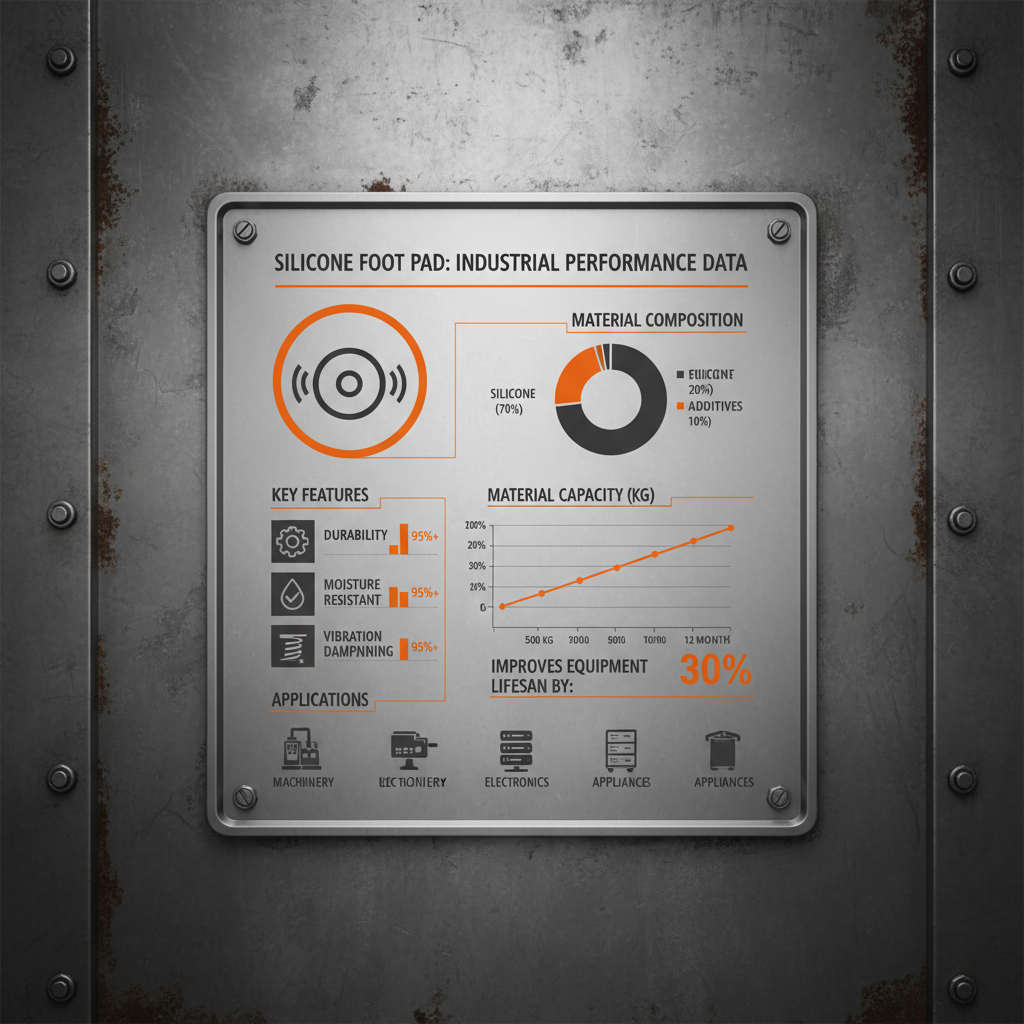
Selecting the optimal silicone foot pad involves considering several factors. Firstly, assess your foot type – are you flat-footed, do you have high arches, or a neutral arch? This will guide your choice of arch support. Secondly, identify the specific area of pain or discomfort. If you experience heel pain, a heel cup is ideal. For ball-of-foot pain, metatarsal pads are recommended. Thirdly, consider the type of shoes you plan to wear the pads in. Some pads are designed for specific shoe types, such as athletic shoes or dress shoes. Finally, prioritize quality and durability – choose pads made from high-grade silicone for long-lasting performance.
Silicone foot pads offer a simple yet effective solution for enhancing foot comfort, alleviating pain, and improving overall well-being. With a wide range of types and applications, there's a silicone foot pad to suit every need. By choosing the right pad and considering your individual requirements, you can experience the benefits of superior cushioning, support, and alignment. Explore the diverse options available at GYF Silicone and take the first step towards healthier, happier feet.
The lifespan of silicone foot pads varies depending on usage and wear. Generally, it's recommended to replace them every 6-12 months, or sooner if you notice signs of wear and tear, such as flattening, cracking, or loss of cushioning. Regularly inspecting your pads for damage ensures they continue to provide optimal support and comfort. Factors like body weight and activity level can also influence how quickly they wear down.
While many silicone foot pads are designed to be versatile, it's best to consider the shoe type. Some pads are specifically designed for athletic shoes, while others are better suited for dress shoes or boots. Ensure the pad fits comfortably within the shoe without causing crowding or rubbing. Full-length insoles may require you to adjust your shoe size slightly. Generally, silicone foot pads work well with most closed-toe shoes, but avoid using them with sandals or flip-flops.
People with diabetes should exercise caution when using foot pads. Reduced sensation in the feet can make it difficult to detect pressure points or irritation. It’s crucial to consult a podiatrist before using any foot pads to ensure they are appropriate for your condition and won't cause complications. Look for seamless, low-profile pads to minimize friction and avoid restricting circulation. Regular foot examinations are essential for individuals with diabetes.
Silicone foot pads can be easily cleaned with mild soap and warm water. Rinse them thoroughly and allow them to air dry completely before placing them back in your shoes. Avoid using harsh chemicals or abrasive cleaners, as these can damage the silicone. Regular cleaning helps prevent the buildup of bacteria and odors, ensuring hygienic use.
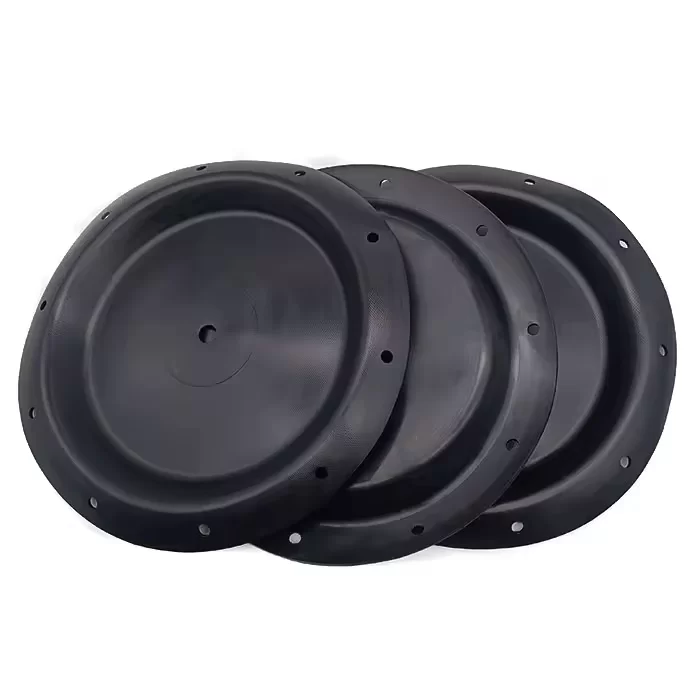
Long Service Life Pneumatic Diaphragm Pump Silicone Rubber Diaphragm
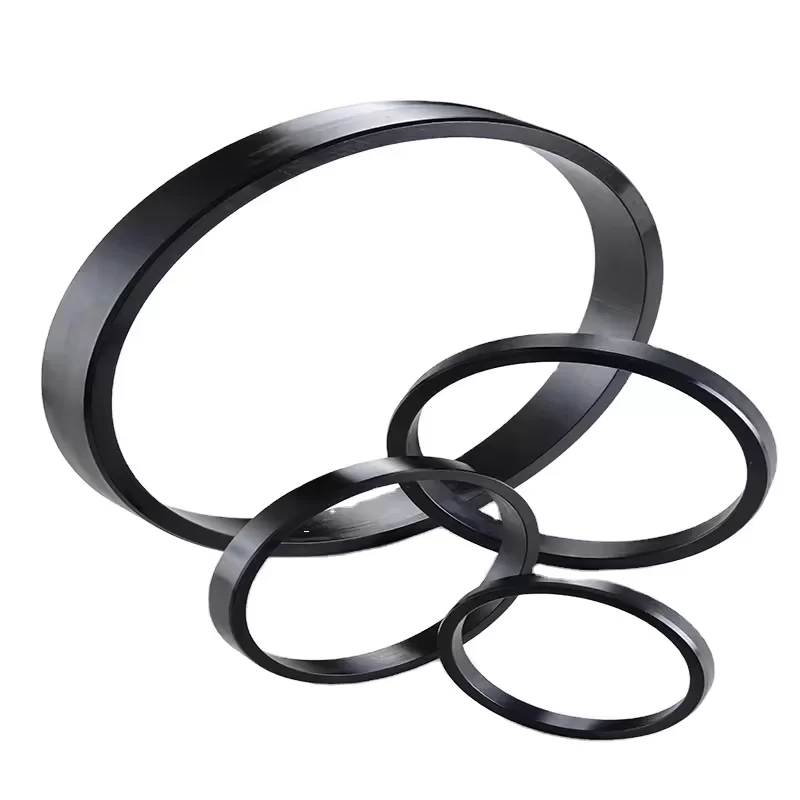
Rubber SealNBR Ring for Hydraulic Cylinders Piston
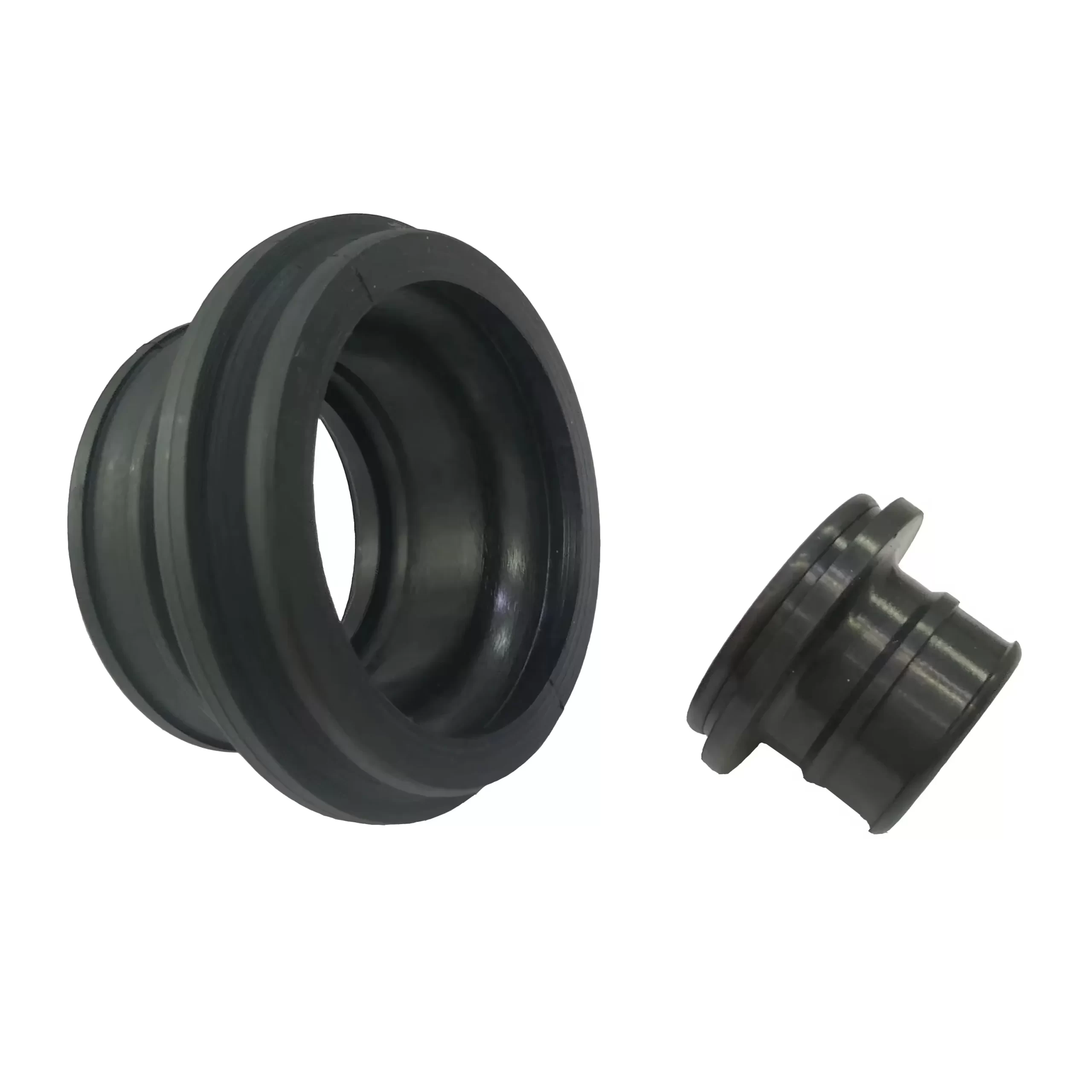
Similar MONO Progressive Cavity Pump Pin Seal

Apr 17, 2026
Advanced Air Sterilization Machine for Indoor Air Quality and Safety